Belarus · Vitebsk Oblast
Where to Stay in Polotsk, Vitebsk Oblast
Polotsk is the oldest city of Belarus, an ancient seat of princes on the Western Dvina river.
Find your area →


Where to stay in Polotsk
How the choice of base plays out on the ground.
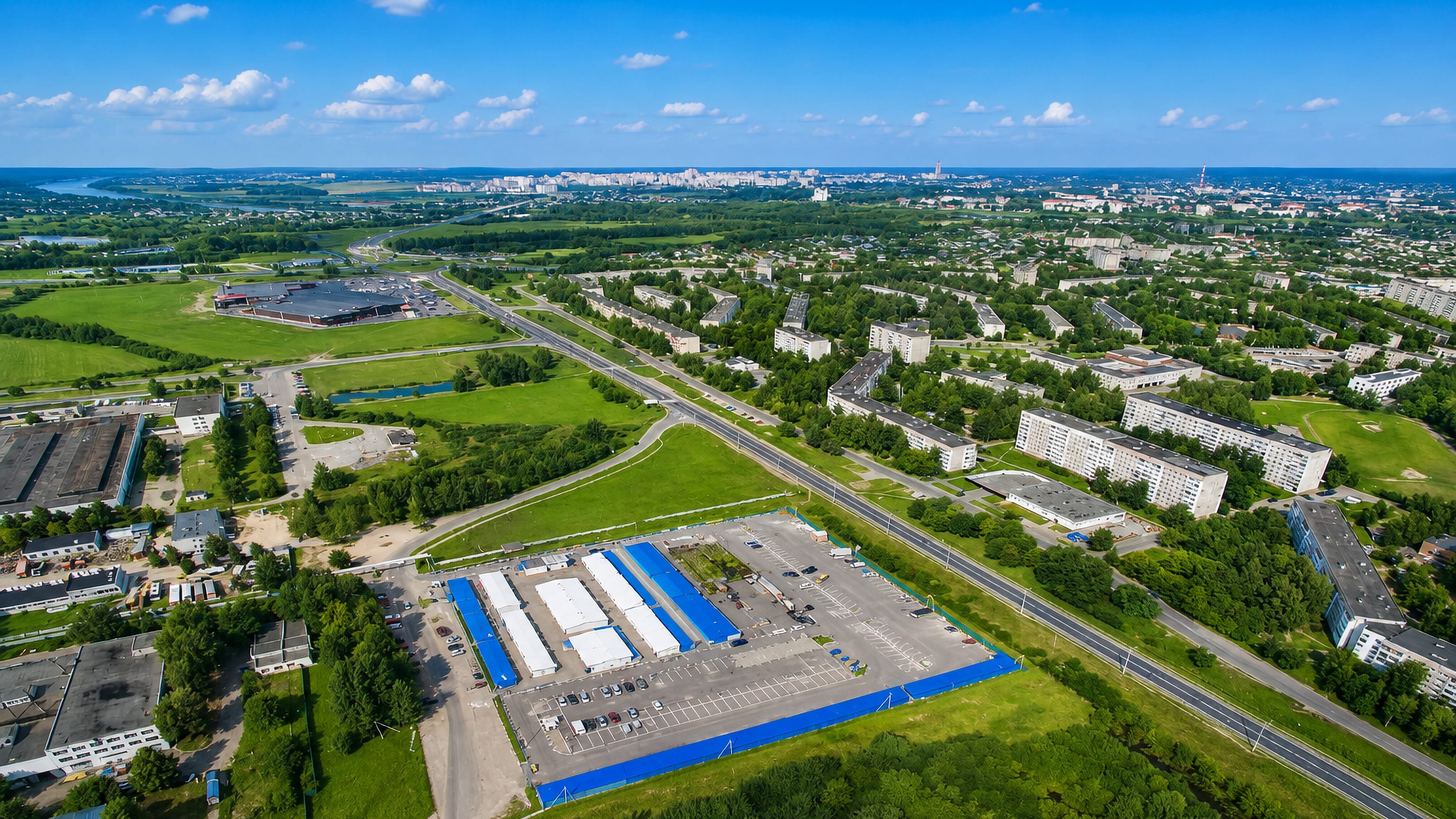
In Polotsk the decision rests on how near Saint Sophia you want to sleep. The streets around Saint Sophia keep the churches, the convents, and the river within a walk, and staying downtown suits anyone here for the old city. The cathedral stands over the bank.
Rooms sit near the river. Out toward the newer town and the lakes, the streets run wider and greener. A room away from the centre trades the old churches for space, the parks, and the forests and lakes around.
The green country opens past the edge. If you want the cathedral and the convents, stay downtown; if you want space, take a room outside. Either choice leaves the river churches of Polotsk a short walk off.
Things to do in Polotsk
Ranked by global recognition; descriptions from Wikidata (CC0).
Museums & Galleries
3- Museum of the Belarusian book printing in Polack Heritage
- Nature and Environment Museum in Polack Heritage
- Children's Museum of Polack
Churches & Religious Sites
5- Saint Sophia Cathedral in Polotsk Heritage
- Convent of Saint Euphrosyne in Polack Heritage
- Transfiguration Church in Polack Heritage
- Monastery of St. Barys and St. Hleb in Połacak Heritage
- Bernardinian Monastery in Polack Heritage
Castles & Historic Sites
5- Monument to Francysk Skaryna in Polack Heritage
- The monument-chapel of Heroes War of 1812 in Polack Heritage
- Vierchni Castle Heritage
- Nižni zamak Heritage
- Zapaloccie Heritage
worth knowingacross 3 categories in Polotsk
About Polotsk
Polotsk is the oldest city of Belarus.
What is Polotsk known for?
First named more than eleven hundred years ago, it was the seat of a great medieval principality on the Western Dvina, and it keeps an ancient Saint Sophia cathedral, the convent of Saint Euphrosyne, and the memory of Francysk Skaryna, the first printer of Belarusian books. The river runs broad past the town. History and faith mark the city.
What are the main landmarks in Polotsk?
Saint Sophia Cathedral crowns the bank above Polotsk. The ancient white church, rebuilt over its eleventh-century walls, rises over the Western Dvina, the emblem of the city, on the high bank. A holy convent lies nearby.
The Convent of Saint Euphrosyne keeps the old Transfiguration church and its frescoes, while a monument to Francysk Skaryna and the book-printing museum mark the streets of Polotsk.
What is the history of Polotsk?
Polotsk is the mother city of the Belarusians. First named in the year 862, it grew into a great principality on the Western Dvina, one of the earliest states of the eastern Slavs, trading down the river to Riga and the Baltic. Its princes raised a great cathedral.
In the eleventh century they built the Saint Sophia cathedral on the high bank, one of the oldest churches of the eastern lands, a sign of the city's power. Holy men and scholars came from Polotsk. Here lived Saint Euphrosyne, the abbess who founded convents and copied books in the twelfth century, and here was born Francysk Skaryna, who printed the first books in the Belarusian tongue five hundred years ago.
The wars of the centuries passed over it. Poles, Russians, and Swedes fought for the town on the border, and it rose and fell many times, but it kept its churches and its ancient name. The old cathedral still stands on the bank.
Polotsk keeps its ancient churches on the Dvina.
Where is Polotsk?
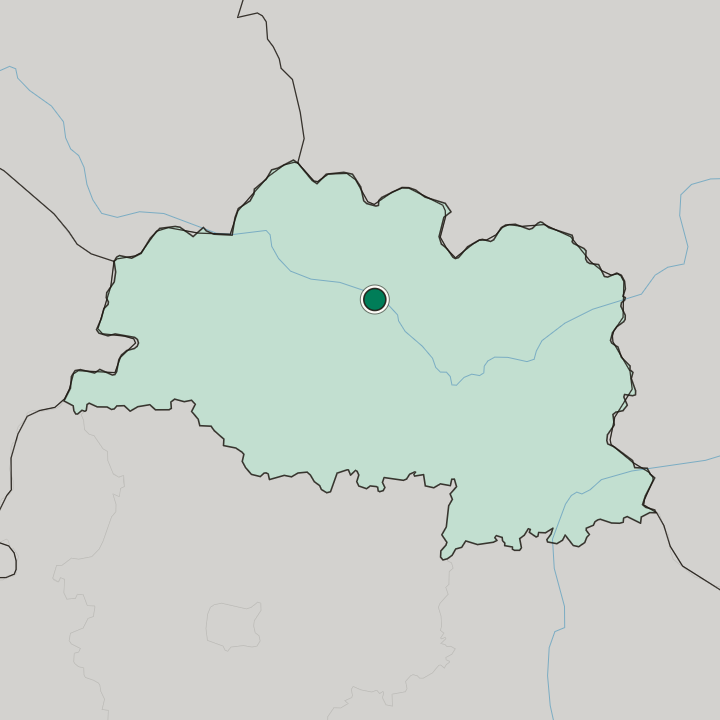
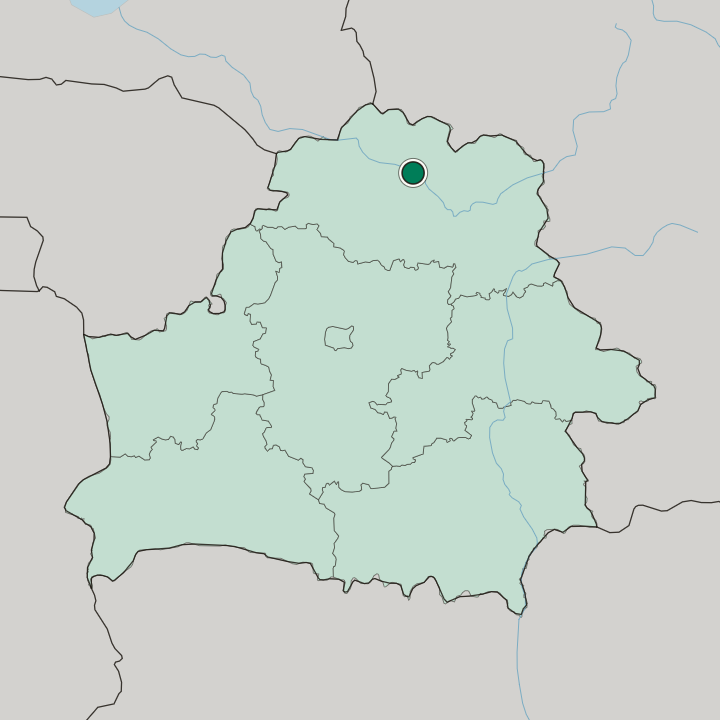
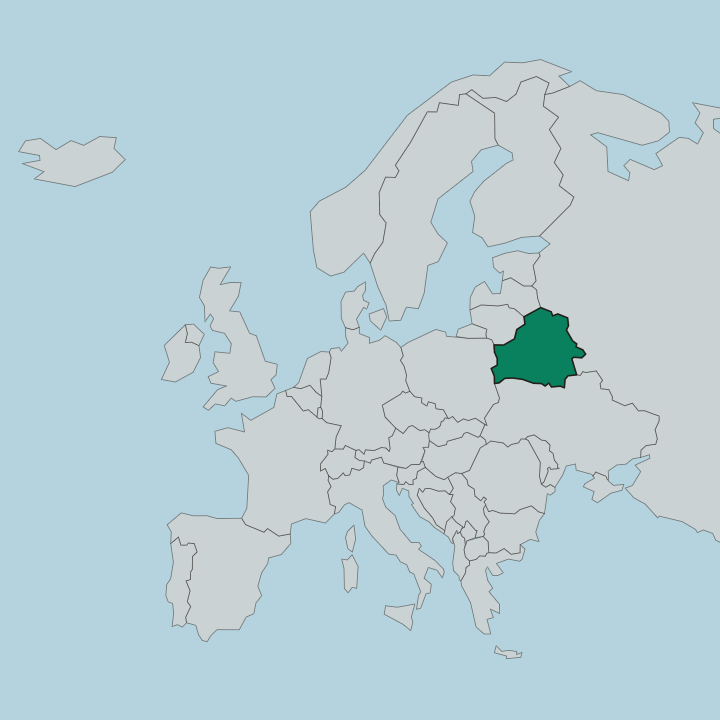
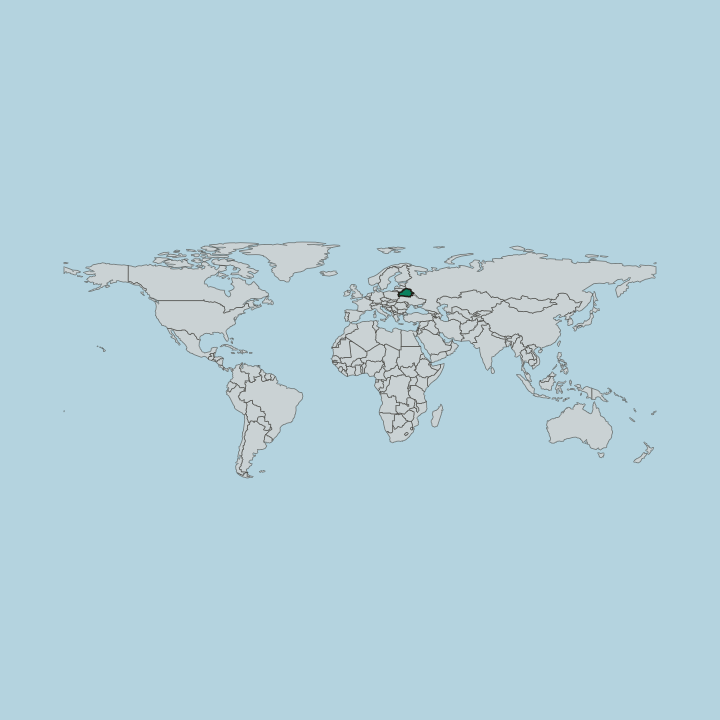
Polotsk lies on the Western Dvina river in northern Belarus, near the Russian border. The city sits on the high bank where the Polota stream meets the great river, among the lakes and forests of the north, upstream from Riga and the sea. Wooded country rolls around.
The broad river runs to the west.
What is the climate of Polotsk?
Polotsk has a cool continental climate. Mild summers and cold, snowy winters cross the lowland, and rain falls through the year, while deep snow and frost hold the long winter. Mist rises off the river at dawn.
The forests stay white for months in winter.
How do you get to Polotsk?
Polotsk lies on the Western Dvina in northern Belarus, near the Russian border. Trains and roads run to it from Vitebsk and Minsk across the lakes, and roads follow the river toward Latvia. Buses reach the forest towns around.
Most arrive by rail from Vitebsk.
Good for
More cities in Vitebsk Oblast
Updated September 2026