Belarus
Vitebsk Oblast, Belarus — Towns & Travel Guide
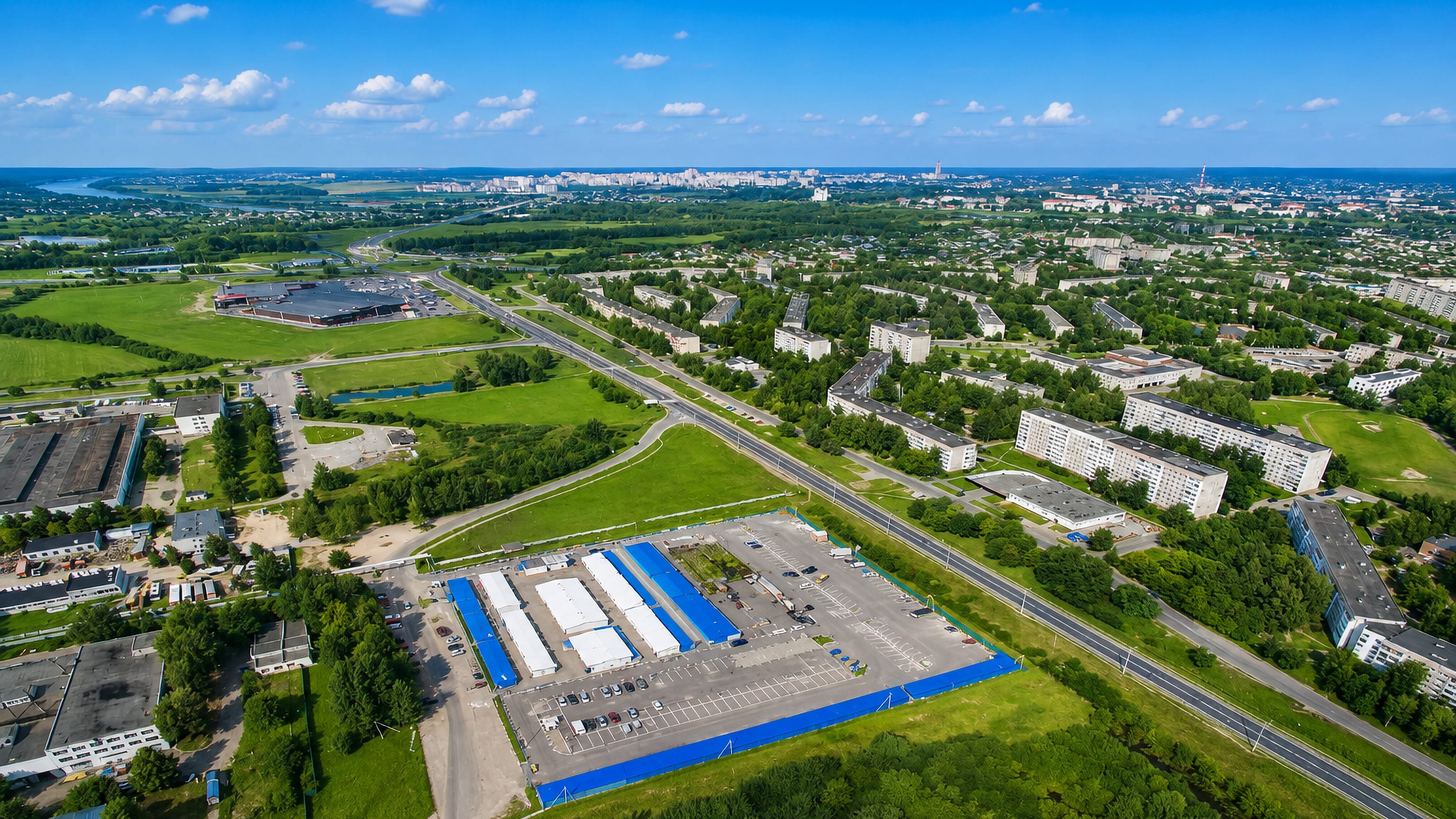
Vitebsk Oblast is the lake-strewn northern region of Belarus, holding Polotsk, Vitebsk and the Braslau Lakes near the Latvian border.
Find your area →


Towns & cities in Vitebsk Oblast
Pick a town or city — each links to where to stay.
 Belarus
Vitebsk
The Western Dvina divides Vitebsk, a city in north-eastern Belarus and the seat of Vitebsk Oblast, known as the birthplace of Marc Chagall.Where to stay →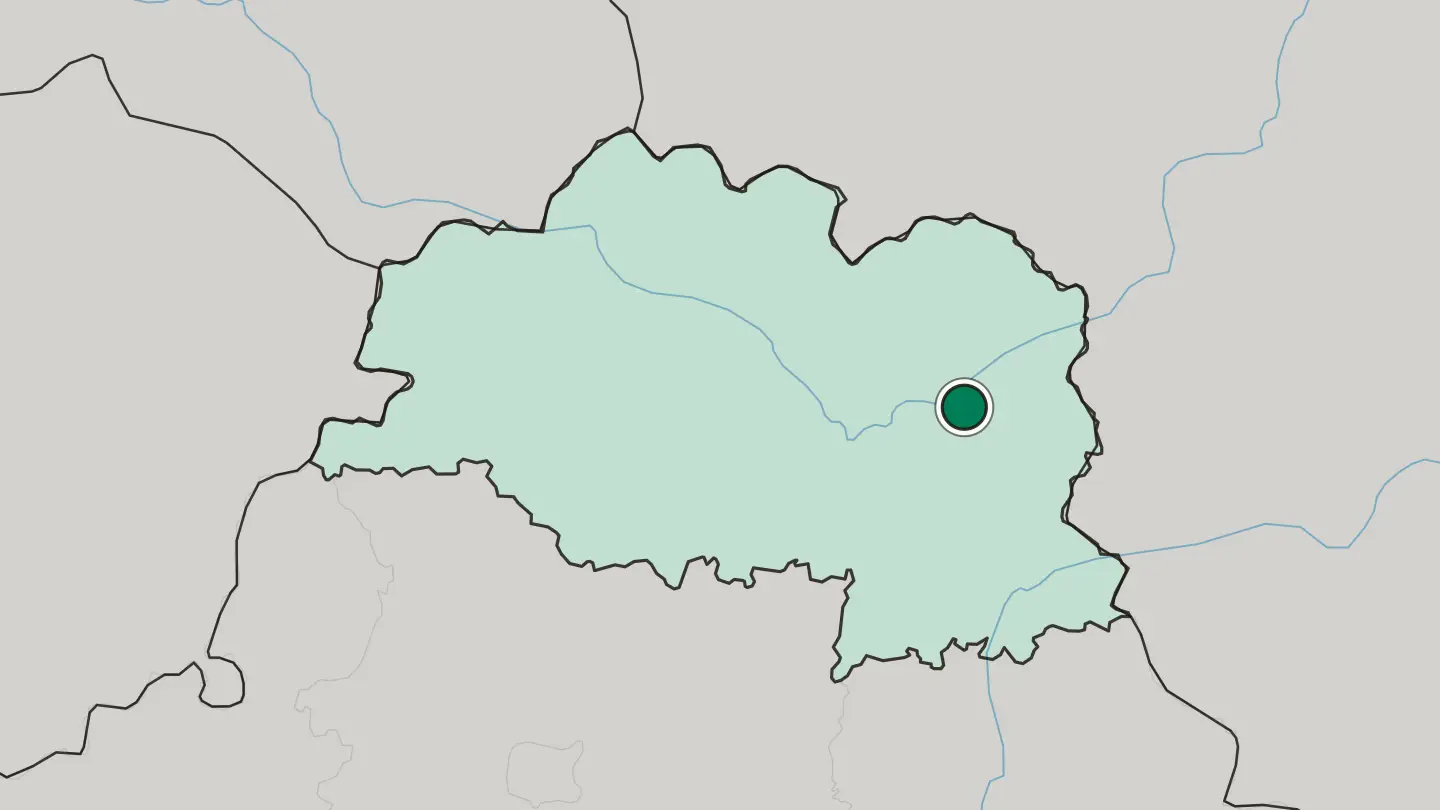
 Belarus
Orsha
Orsha is an old city on the Dnieper in eastern Belarus, where the river meets the little Orshitsa.Where to stay →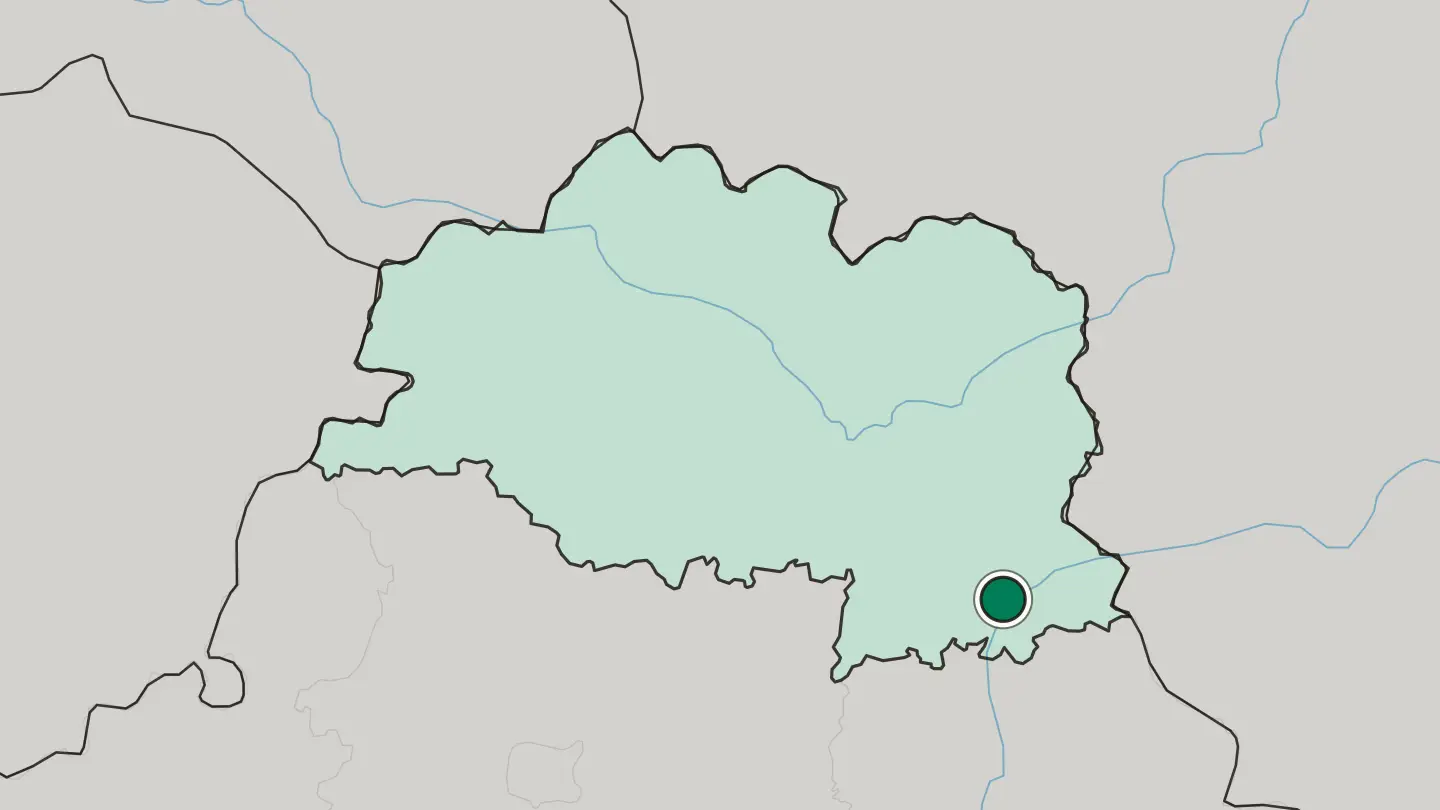 Belarus
Novopolotsk
Novopolotsk is a Belarusian city in Vitebsk Oblast, founded in 1958 beside Polotsk and named as the new town to that older one.Where to stay →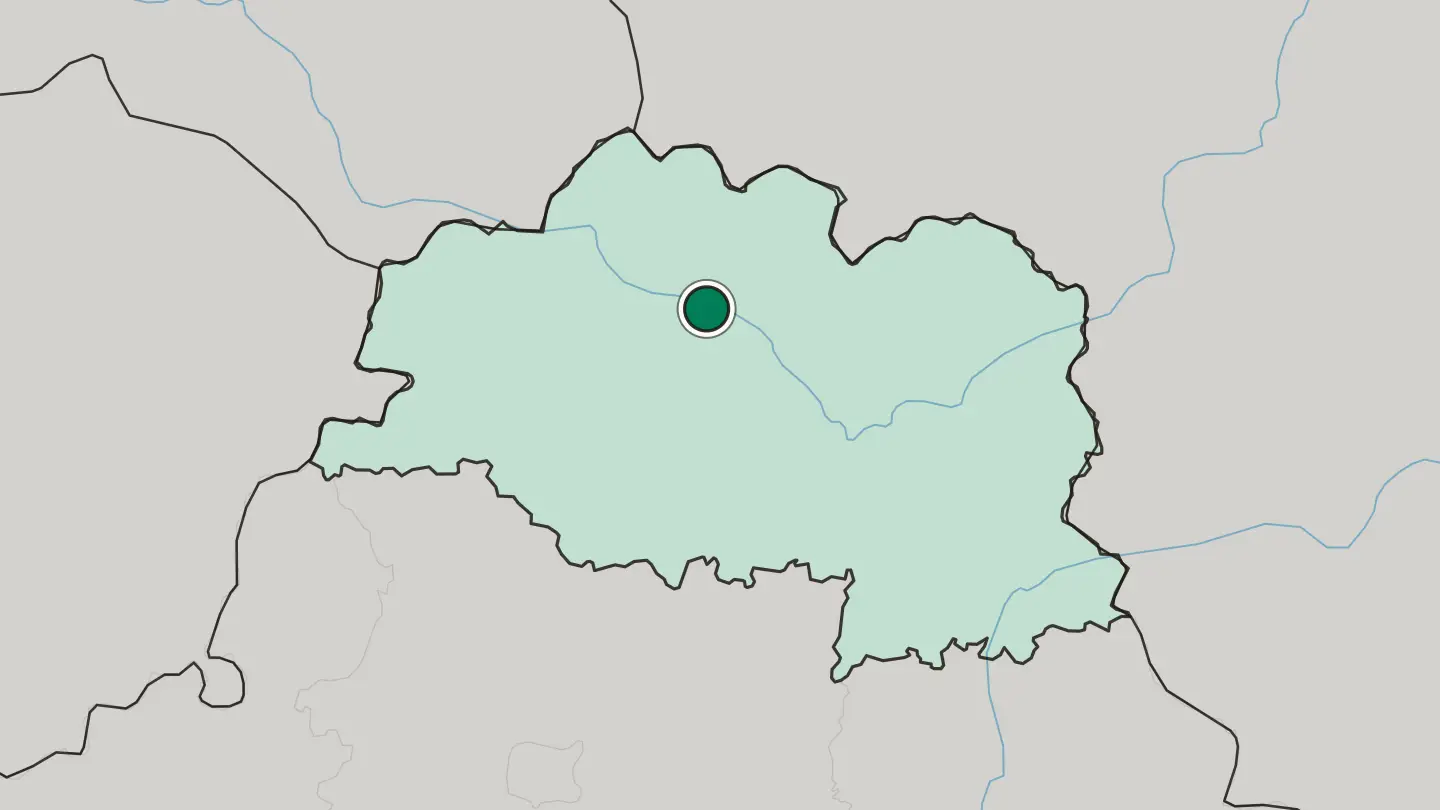
 Belarus
Polotsk
Polotsk is the oldest city of Belarus, an ancient seat of princes on the Western Dvina river.Where to stay →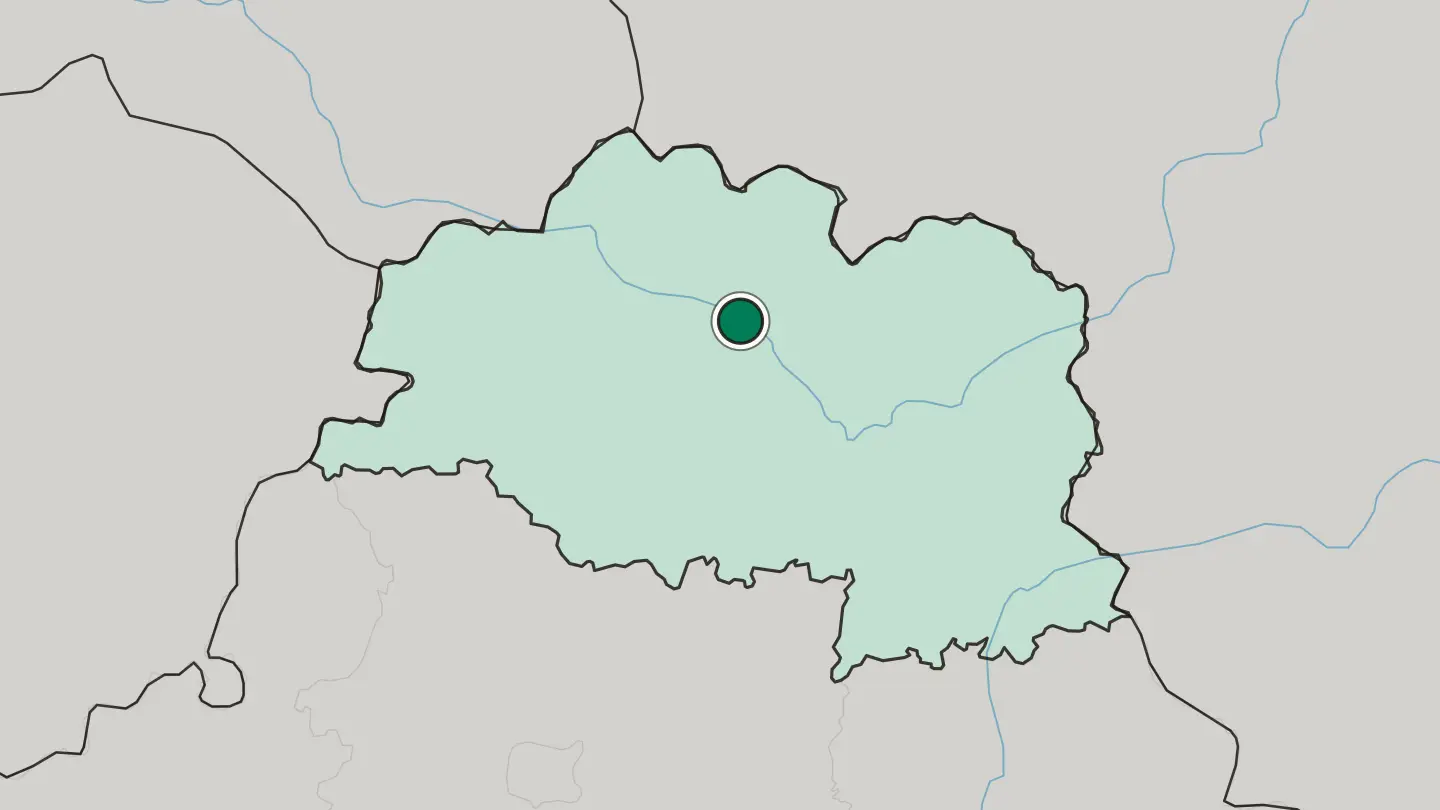
About Vitebsk Oblast
This is the Belarusian lake country.
What is Vitebsk Oblast known for?
More than 2,800 lakes lie scattered across the north of the country here, most of them scoured out by a retreating glacier, and travellers come chiefly for that water and the forest around it. The Braslau Lakes National Park anchors the far north-west near the borders with Latvia and Lithuania. Polotsk, the oldest town in Belarus, sits on the Western Dvina at the region's heart.
Vitebsk, the regional capital and the birthplace of Marc Chagall, holds the July arts festival that carries the city's name.
Where is Vitebsk Oblast?
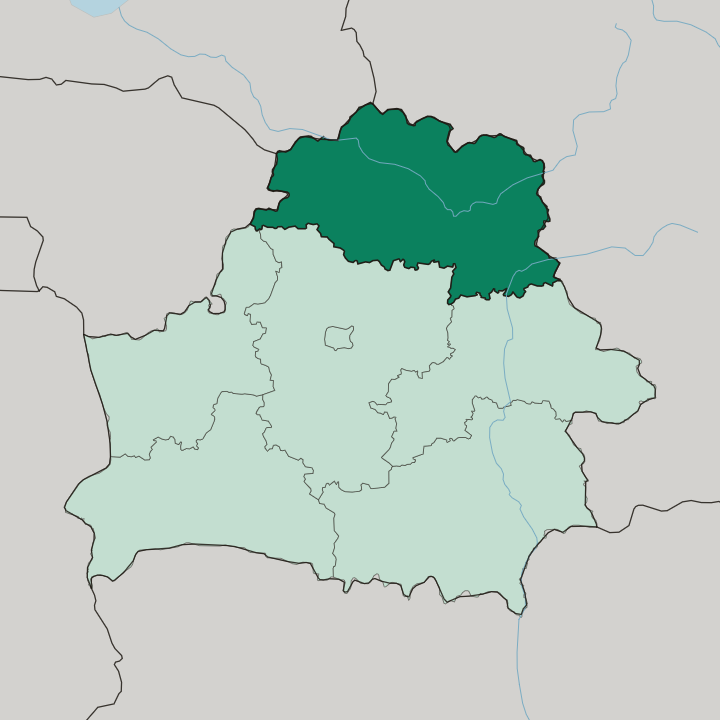
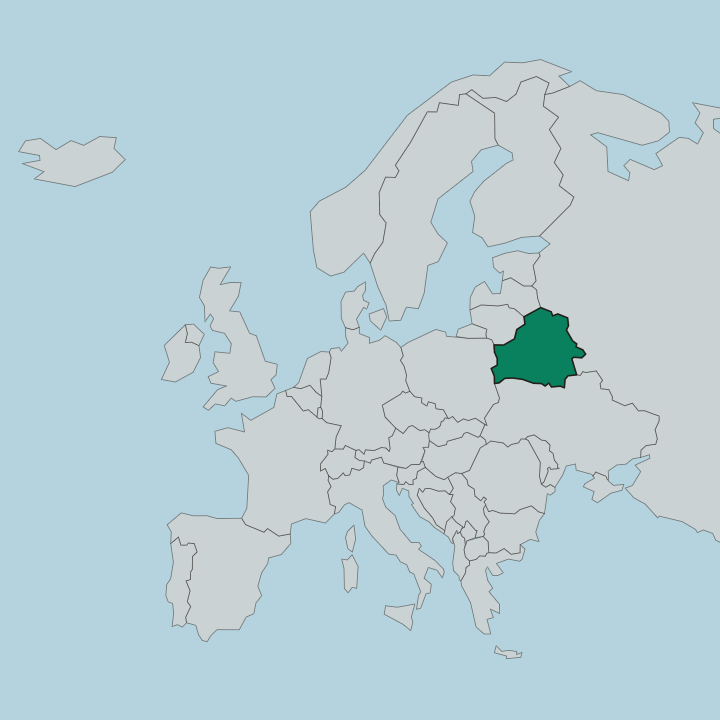
Vitebsk Oblast fills the north of Belarus, meeting Russia along its eastern edge and Latvia and Lithuania to the north-west. It is water country above all else. More than 2,800 lakes and some 500 rivers thread the region, a landscape Belarusians call the Poozerye, the lake district left behind when the last ice sheet melted away.
The Western Dvina is the master river. It rises far off in the Valdai Hills of Russia, crosses the region past Polotsk, and runs on north-west through Latvia to reach the Gulf of Riga on the Baltic. The upper Dnieper cuts the region's south-east too, passing Orsha before it swings south toward the Black Sea watershed.
Roughly a third of the land lies under forest, much of it old spruce and pine. The far north-west holds the region's signature scenery. There the Braslau Lakes National Park spreads a maze of lakes, islands and glacial hills across the border country with Latvia and Lithuania.
Elsewhere the ground rolls gently between moraine ridges and marsh, drained by the Drysa, the Obal and the Dysna toward the Dvina. Low hills. Wide skies.
It is a quiet, well-watered corner of Eastern Europe, cooler and greener than the country's south.
What is Vitebsk Oblast like?
Vitebsk gave the world Marc Chagall, and the region has never quite let go of that inheritance. The painter was born into the city's Jewish quarter in 1887, and the crooked wooden houses, fiddlers and floating lovers of his canvases were drawn straight from these streets. His family home is now a museum, and the wider region trades on the memory of the avant-garde school that briefly gathered here after the revolution, when Chagall and Kazimir Malevich taught in the same town.
Art still defines the place. Every July the city fills for the Slavianski Bazaar, a Slavic song-and-arts festival that has run since the early 1990s and draws performers from across the region and beyond. Deeper down, this is old Orthodox and monastic ground.
Polotsk was a cradle of Slavic Christianity and letters. Euphrosyne of Polotsk founded her convent here in the twelfth century, and the pioneer printer Francysk Skaryna, who first put the Bible into a Slavic vernacular, was a son of the town. Belarusian and Russian are both heard in the streets.
The oblast keeps a quieter, more provincial rhythm than Minsk, its life turning on the university city of Vitebsk, the refineries around Polotsk, and the long summer weekends spent out on the lakes.
What is the history of Vitebsk Oblast?
History here begins at Polotsk. The town is first named in the chronicles in 862, and from it grew the Principality of Polotsk, the earliest state to take shape on Belarusian soil. Its princes traded down the Western Dvina and fought Kiev and Novgorod for the upper river.
By the fourteenth century Polotsk and Vitebsk had passed into the Grand Duchy of Lithuania, and later the Polish-Lithuanian Commonwealth, before the partitions handed the north to the Russian Empire. The oblast in its modern borders dates only to 1938, drawn under Soviet rule.
What is the climate of Vitebsk Oblast?
This is the coldest corner of Belarus. The region sits under a humid continental climate, and its northern position gives it longer, harder winters than the rest of the country. Snow lies for months, and January temperatures around Vitebsk routinely fall well below freezing, sometimes to minus twenty-five.
Summers are the reward. They turn warm and green, with long July days that draw people out onto the Braslau Lakes, though the rain is spread through the whole year rather than saved for one season. Spring and autumn are short and wet.
How do you get to Vitebsk Oblast?
Most travellers reach the region overland from Minsk. The capital's national airport is the country's main gateway, and from there a fast train runs up to Vitebsk in a little over three hours. Trains and buses also link Polotsk and Orsha into the same network, with Orsha a long-standing junction on the Moscow line where the routes to Minsk and Saint Petersburg divide.
Russia lies close to the east. Inside the region, road and rail tie the lake towns of the north-west back to Polotsk and Vitebsk.
Common questions
What is the best area to stay in Vitebsk Oblast?
Vitebsk: the capital and the Slavianski Bazaar festival. Polotsk: medieval history on the Western Dvina. Novopolotsk: a modern industrial base beside Polotsk.
Good for
More regions in Belarus
Updated September 2026