Canada · Ontario · Toronto
High Park North, Toronto — Area Guide & Where to Stay
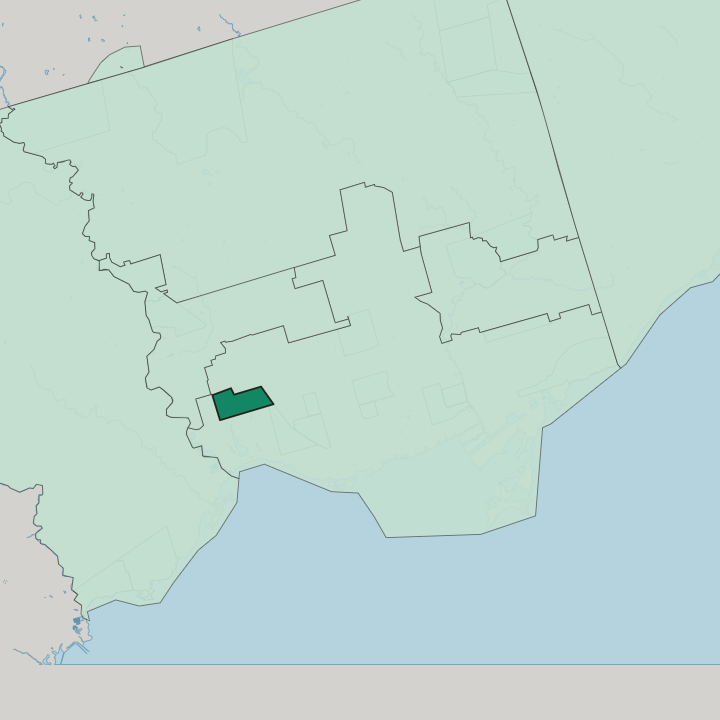
High Park North takes its name from the park beside it, a Toronto neighbourhood running north from Bloor Street to Annette Street.
Hotel links are affiliate links: booking through them may earn us a commission, at no extra cost to you. It never affects how places are ranked. How this works


Map data © OpenStreetMap contributors
Where to stay in High Park North
Where visitors usually base themselves, and why.
Bloor Street carries the south edge. A bed on that side of High Park North puts the park itself within a short walk, while the blocks up toward Annette Street sit quieter and further back from the boundary street. Keele Street splits the neighbourhood informally.
East of it the area also goes by West Bend, and the far western edge runs along Runnymede Road, with the GO Transit Weston Subdivision tracks closing the eastern side.
Find hotels in High Park North
Direct booking searches for these neighbourhoods.
Bloor Street side
Bloor Street closes High Park North on the south and is the edge nearest the park the neighbourhood is named after, which makes it the side worth paying forFind hotels in Bloor Street sidethe informal West Bend blocks east of Keele StreetWest Bend by Keele Street
east of Keele Street the neighbourhood is also called West Bend, a pocket held in by the GO Transit Weston Subdivision tracks and set back from the Bloor Street frontageFind hotels in West Bend by Keele StreetHotel links are affiliate links: booking through them may earn us a commission, at no extra cost to you. It never affects how places are ranked. How this works
About High Park North
What are the main landmarks in High Park North?
A statue anchors the list. The Statue of Lesya Ukrainka stands in High Park North, the one non-religious monument recorded inside the boundary that runs from Runnymede Road across to the Weston Subdivision tracks. Three churches make up the rest.
St. Paul The Apostle Church and St. Joan of Arc Church are two of them, and St. Olave's Anglican Church is the third, an Anglican foundation among the neighbourhood's named buildings.
What is the history of High Park North?
The date on file is 1883. High Park North carries that founding year, and the four edges recorded for it, Bloor Street, Runnymede Road, Annette Street and the GO Transit Weston Subdivision, are the boundaries the record gives it. Its name comes from the park.
The neighbourhood is often called simply High Park after it, and the wider area sits inside the Parkdale-High Park provincial and federal electoral districts, with the ground east of Keele Street known informally as West Bend.
Where is High Park North?
High Park North fills the ground between Bloor Street and Annette Street, with Runnymede Road on one flank and the Weston Subdivision tracks on the other.
Common questions
What is the best area to stay in High Park North?
Bloor Street side: walking straight into High Park from Bloor Street. West Bend by Keele Street: the informal West Bend blocks east of Keele Street.
Good for
More areas in Toronto
Updated October 2026