Switzerland · Cantone Ticino
Where to Stay in Lugano, Cantone Ticino
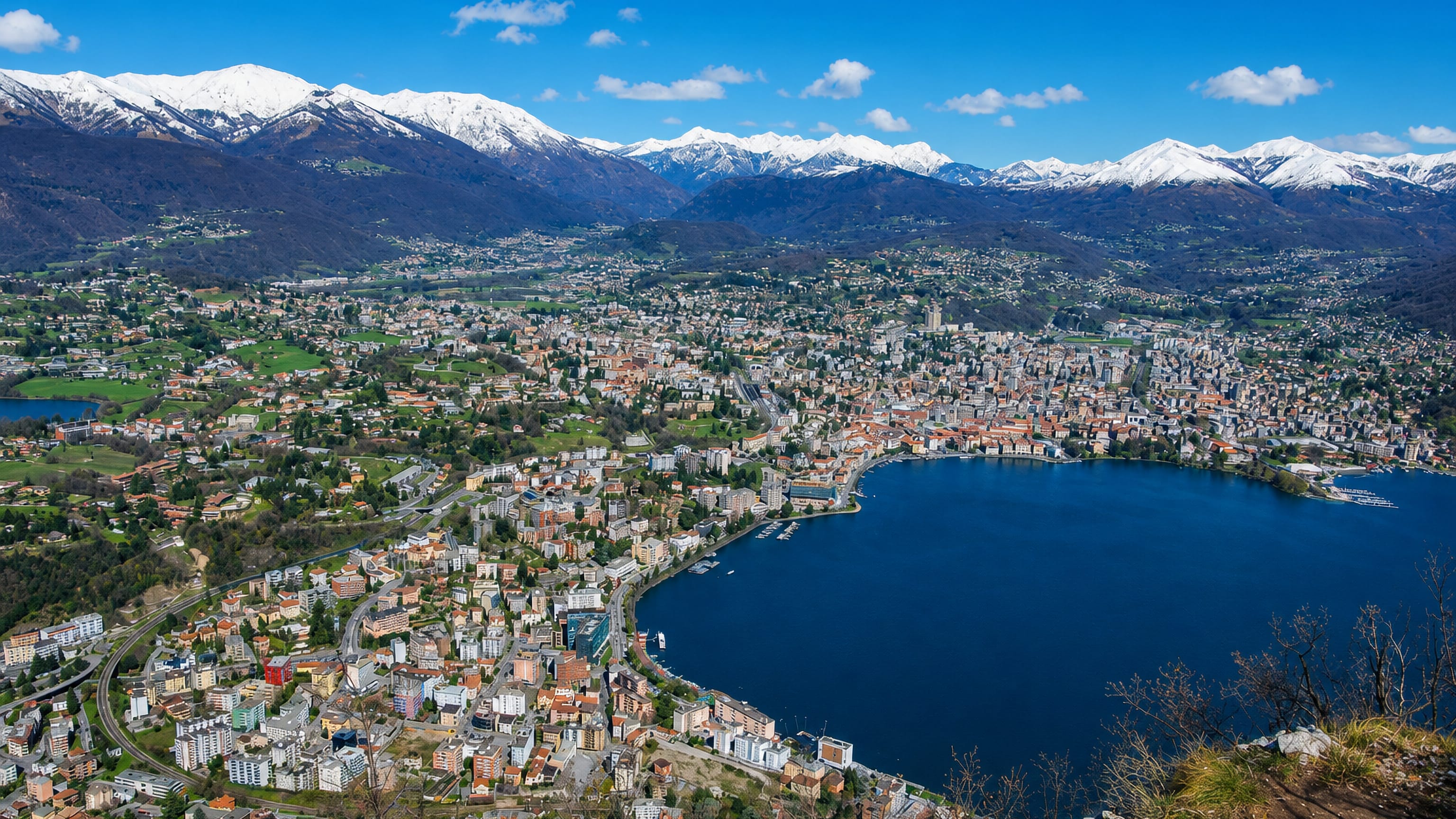
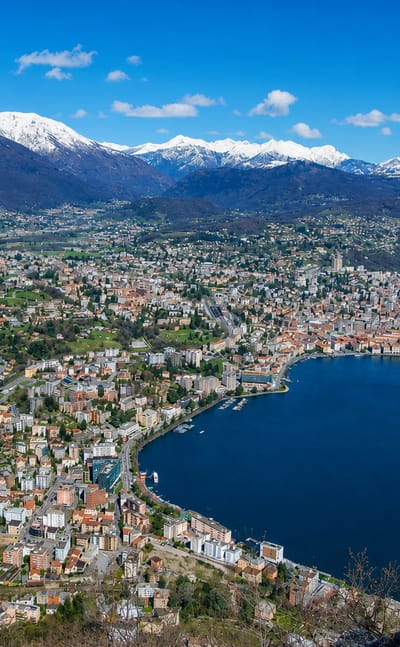
Palms and pale stone edge the water at Lugano, the largest Italian-speaking city in southern Switzerland, set on Lake Lugano beneath Monte San Salvatore.
Hotel links are affiliate links: booking through them may earn us a commission, at no extra cost to you. It never affects how places are ranked. How this works


Where to stay in Lugano
The right area depends on your trip — here's what each neighbourhood is best for.
 LuganoSwitzerland
Molino Nuovo
Molino Nuovo is the most populous quarter of Lugano, spread over ground north of the city centre in Ticino. Santa Maria dello Stradone stands here.Where to stay →LuganoSwitzerlandCassarate
Cassarate sits on the northern shore of Lake Lugano, east of where the Cassarate River comes out. The river shares its name.Where to stay → LuganoSwitzerland
Lugano Centro
Lugano Centro is the museum quarter of Lugano, holding MASI Lugano and the Lugano Arte e Cultura complex. Piazza Cioccaro anchors it.Where to stay →LuganoSwitzerlandDavesco-Soragno
Davesco-Soragno was a municipality of its own until 2004, when Lugano absorbed it as a quarter. A printing museum remains.Where to stay →Hotel links are affiliate links: booking through them may earn us a commission, at no extra cost to you. It never affects how places are ranked. How this works
Find hotels in Lugano
Direct booking searches for these neighbourhoods.
Historic centre around Piazza Cioccaro
Among the stepped lanes and cafes of the medieval core, minutes from the waterfront. Rooms are few around here — worth securing early.Find hotels in Historic centre around Piazza CioccaroShoreline calm and long lake viewsLakefront toward Campo Marzio
Along the promenade and gardens facing Lake Lugano and the far ridgesFind hotels in Lakefront toward Campo MarzioWide views above the bayMonte San Salvatore funicular slope
On the rise by the funicular, with the Italian Alps opening beyond the lakeFind hotels in Monte San Salvatore funicular slopeHotel links are affiliate links: booking through them may earn us a commission, at no extra cost to you. It never affects how places are ranked. How this works
Things to do in Lugano
Ranked by global recognition; descriptions from Wikidata (CC0).
Museums & Galleries
3- Museum of Cultures (MUSEC) Heritage
- MASI Lugano Heritage
- Lugano Arte e Cultura
Churches & Religious Sites
3- Sant' Antonio Abate Church Heritage
- Chiesa di S. Maria Immacolata Heritage
- Chiesa di Santa Maria a Pazzalino Heritage
Castles & Historic Sites
3- Castello Cattaneo Heritage
- Ancient medieval convent of Santa Maria degli Angeli Heritage
- Piazza Cioccaro, Iron Age and Roman structures Heritage
Stadiums & Sports
3- Cornèr Arena
- Campo Marzio
- Lugano Exhibition Center
Landmarks & Notable Places
2- Hoouse Lamoni Heritage
- Sender Monte San Salvatore
worth knowingacross 5 categories in Lugano
About Lugano
What is Lugano known for?
Lugano is known as the largest city of Ticino and the biggest Italian-speaking city outside Italy. Its lakefront promenade runs beneath Monte San Salvatore, the peak whose lookout tower crowns the southern skyline. Art anchors the culture.
MASI Lugano and the Lugano Arte e Cultura centre hold the region's leading collections, while the Museum of Cultures gathers works from far beyond the Alps. The subtropical planting along Lake Lugano, half an hour from Lake Como, gives the city a warmth unusual this far into Switzerland.
What are the main landmarks in Lugano?
Lugano sets its landmarks between the lake, the old streets, and the hills. MASI Lugano and the Lugano Arte e Cultura complex lead the art scene, joined by the Museum of Cultures and the Cantonal Museum of Natural History. Sacred buildings run deep in the town.
Sant'Antonio Abate Church and the medieval convent of Santa Maria degli Angeli stand near the centre, while Piazza Cioccaro preserves Iron Age and Roman structures beneath the paving. Above it all rises Monte San Salvatore, its summit reached by funicular and marked by a lookout tower over Lake Lugano.
What is the history of Lugano?
Lugano's roots reach back long before the medieval town on the lake. The paving at Piazza Cioccaro covers Iron Age and Roman structures, evidence of a settlement that guarded the passes between the Lombard plain and the Alps. The site controlled movement.
A market town grew where the valleys funnelled trade toward Lake Lugano, and its Italian-speaking character was set by centuries within the Lombard world to the south. Control passed to the Swiss confederation, and Lugano was drawn into what became the canton of Ticino, keeping its language while changing its rulers. Churches from that long Catholic history survive across the town, among them Sant'Antonio Abate Church and the convent of Santa Maria degli Angeli.
Banking followed. The city rose as a financial centre for southern Switzerland, and the wealth of that era funded the promenades, villas, and cultural houses that later joined MASI Lugano along the shore. Through every phase, the lake and the sheltering ridge of Monte San Salvatore have kept the town facing the water.
Where is Lugano?
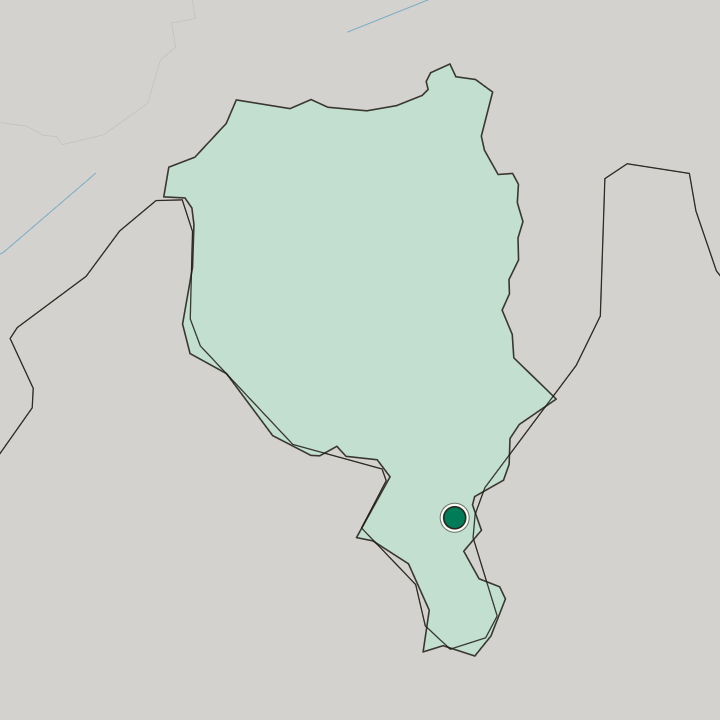
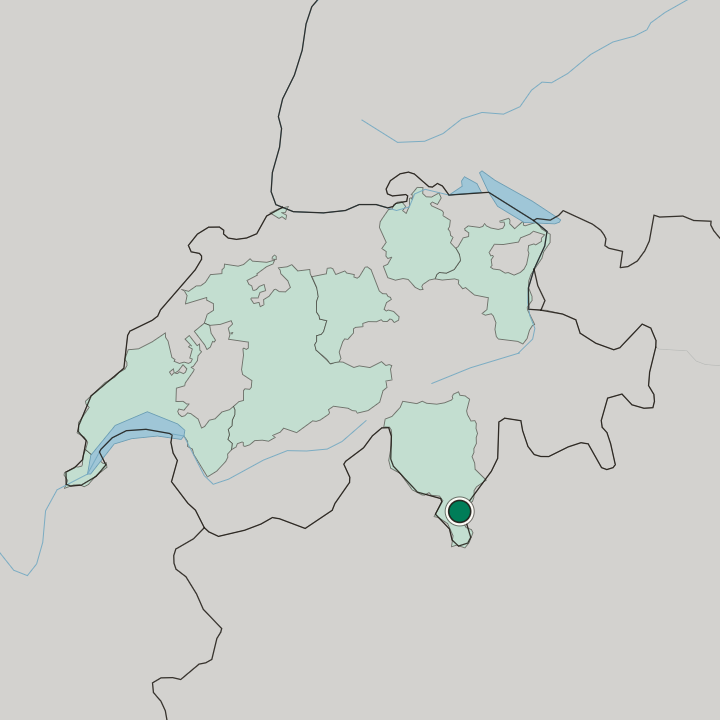
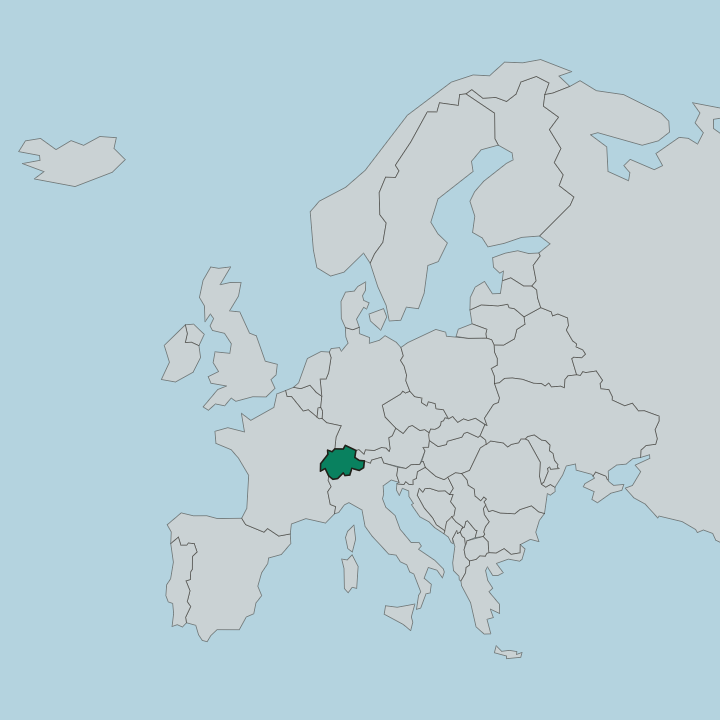
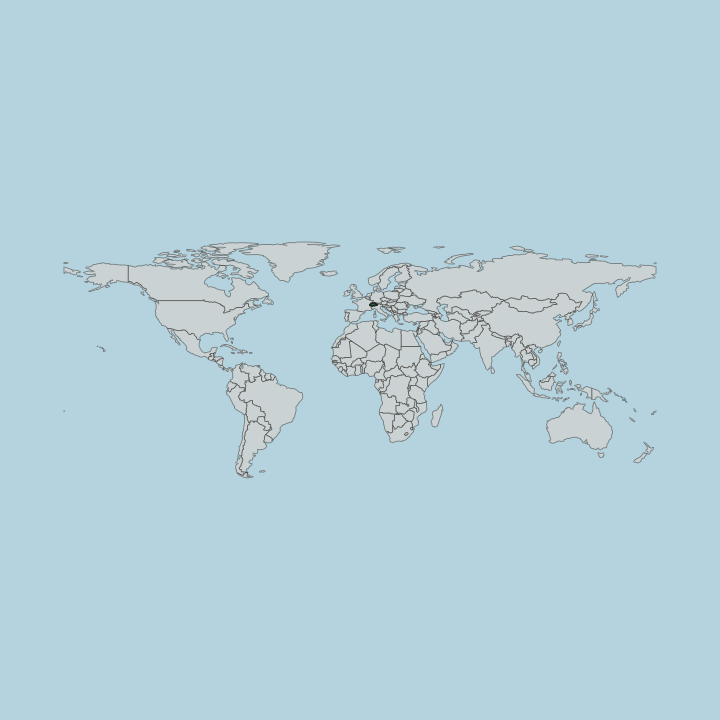
Lugano lies on the shore of Lake Lugano in Ticino, deep in southern Switzerland. The lake winds between steep forested ridges, and the city occupies a bay hemmed by Monte San Salvatore on one side and the wider Alps behind. The setting is Mediterranean in feel.
Palms and gardens line the water where the sheltered basin traps warmth, and the border with Italy and Lake Como lies only a short way south. Slopes rise almost from the promenade, so the town stacks up the hillside above its narrow lakeside strip.
What is the climate of Lugano?
Lugano holds a mild, near-Mediterranean climate rare for Switzerland. Summers are warm and bright, long enough to keep the lakefront gardens and palms in leaf beside Lake Lugano. Winters stay gentle.
Snow falls mainly on the heights of Monte San Salvatore and the Alps rather than the sheltered bay, and the water softens the cold along the shore. Spring and autumn bring their own weather, warm spells broken by the heavy rains that roll up from the south against the mountains ringing the Ticino valleys.
How do you get to Lugano?
Lugano connects north and south along the main Alpine rail route through Ticino. Trains reach the station on the slope above the centre, linking the city to the rest of Switzerland one way and to Italy and Lake Como the other. A funicular bridges the height.
It drops from the station to Piazza Cioccaro and the waterfront, where lake boats serve villages around Lake Lugano and the foot of Monte San Salvatore. Roads through the valleys of southern Switzerland tie the town into the wider passes across the Alps.
Common questions
What is the best area to stay in Lugano?
Historic centre around Piazza Cioccaro: Walkers who want arcades and the old churches. Lakefront toward Campo Marzio: Shoreline calm and long lake views. Monte San Salvatore funicular slope: Wide views above the bay.
Good for
Updated October 2026