Switzerland
Cantone Ticino, Switzerland — Towns & Travel Guide
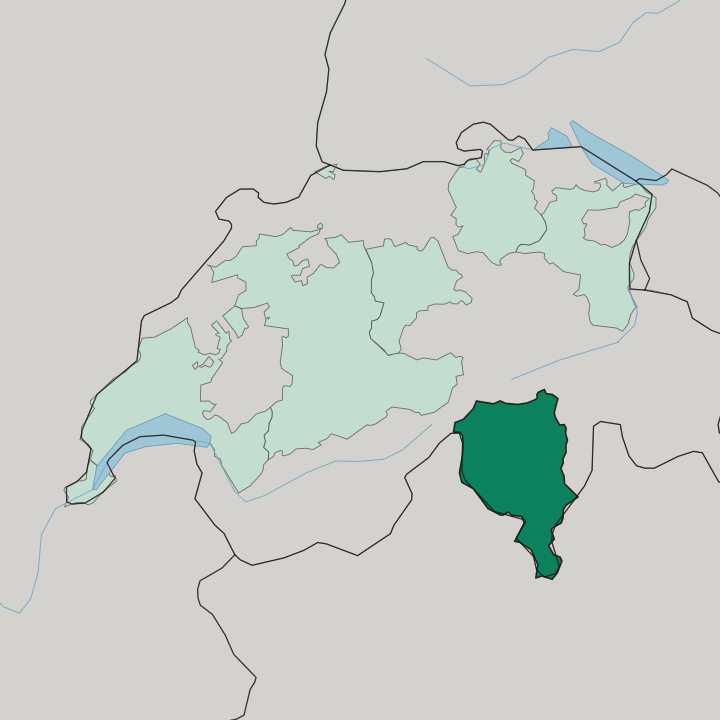
Cantone Ticino is the Italian-speaking canton of the Swiss Confederation, split by Monte Ceneri into Sopraceneri and Sottoceneri, its capital Bellinzona.
Hotel links are affiliate links: booking through them may earn us a commission, at no extra cost to you. It never affects how places are ranked. How this works


Towns & cities in Cantone Ticino
One town here has its own guide — it links to where to stay.
 Switzerland
Lugano
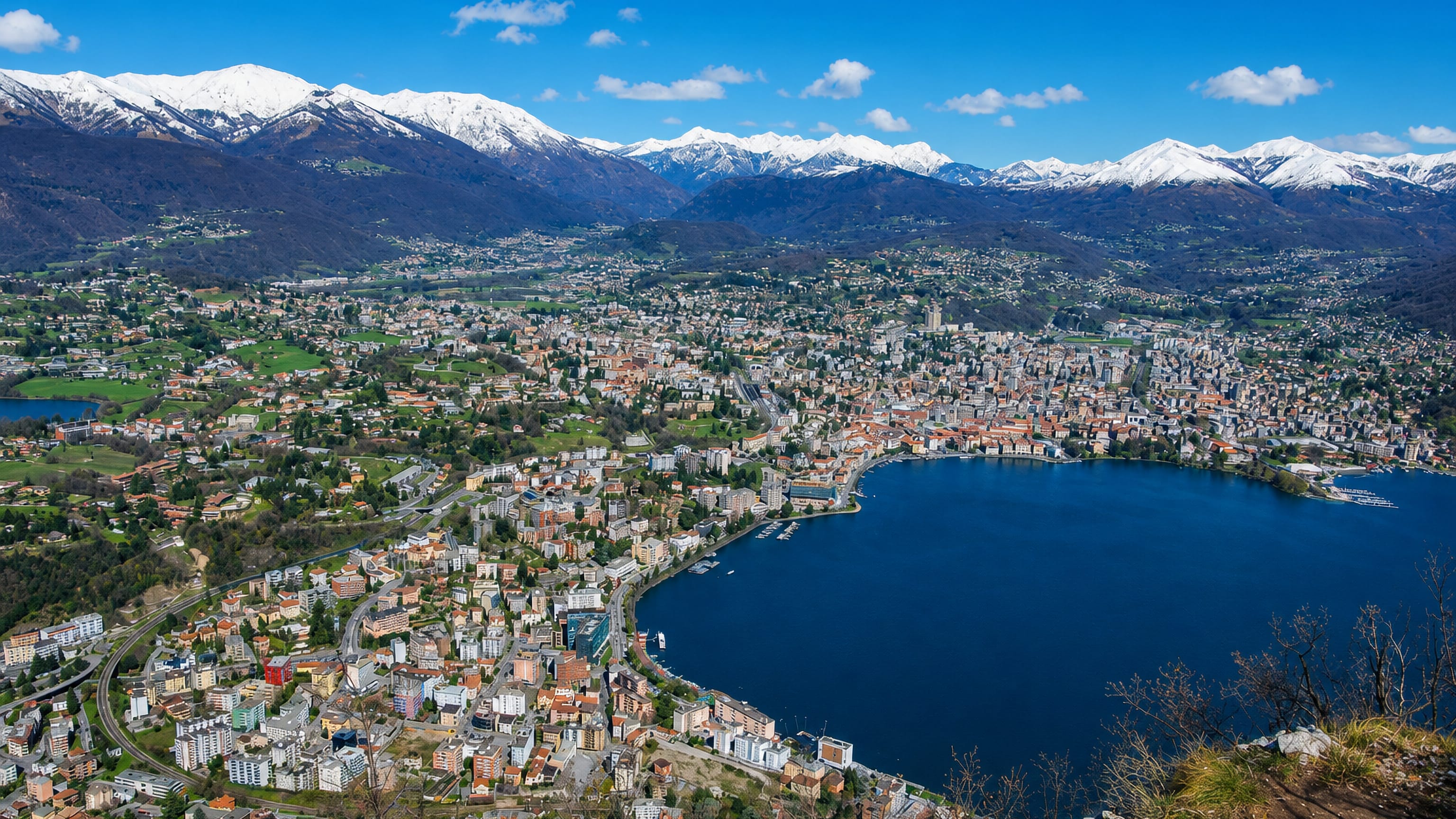
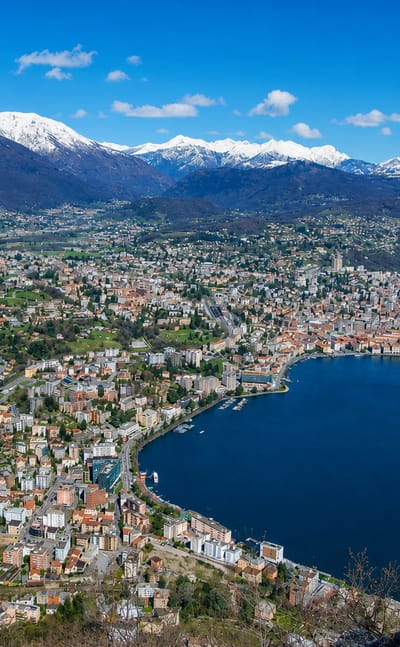
Palms and pale stone edge the water at Lugano, the largest Italian-speaking city in southern Switzerland, set on Lake Lugano beneath Monte San Salvatore.Where to stay →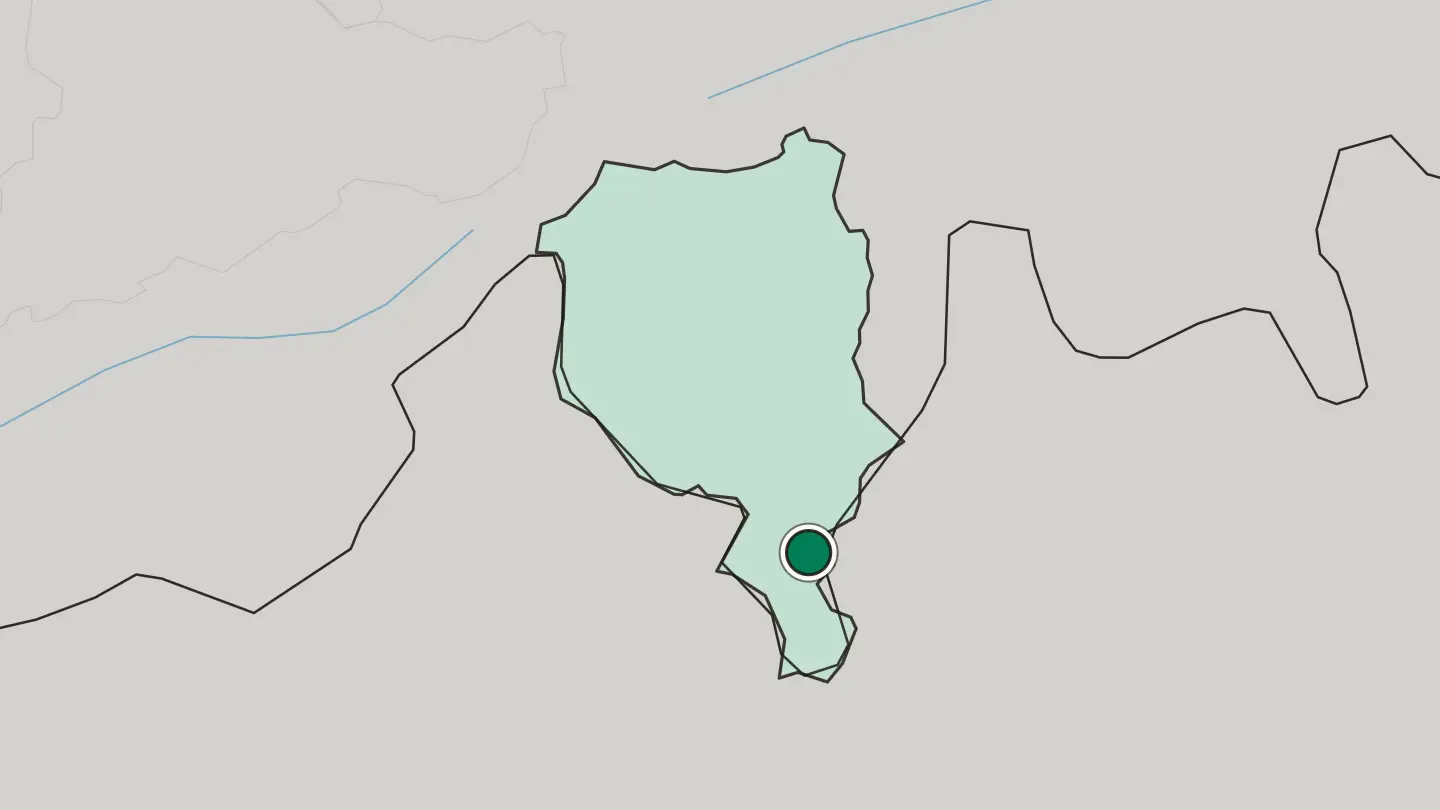
Hotel links are affiliate links: booking through them may earn us a commission, at no extra cost to you. It never affects how places are ranked. How this works
About Cantone Ticino
What is Cantone Ticino known for?
Cantone Ticino is known as the one Italian-speaking canton of the Swiss Confederation. It carries a second name, Tessin, and its capital is Bellinzona. Language sets it apart.
Ticino divides traditionally into the Sopraceneri and the Sottoceneri, the lands north and south of Monte Ceneri, and this Italian character within Switzerland is what most defines the canton in the eyes of the rest of the country.
Where is Cantone Ticino?
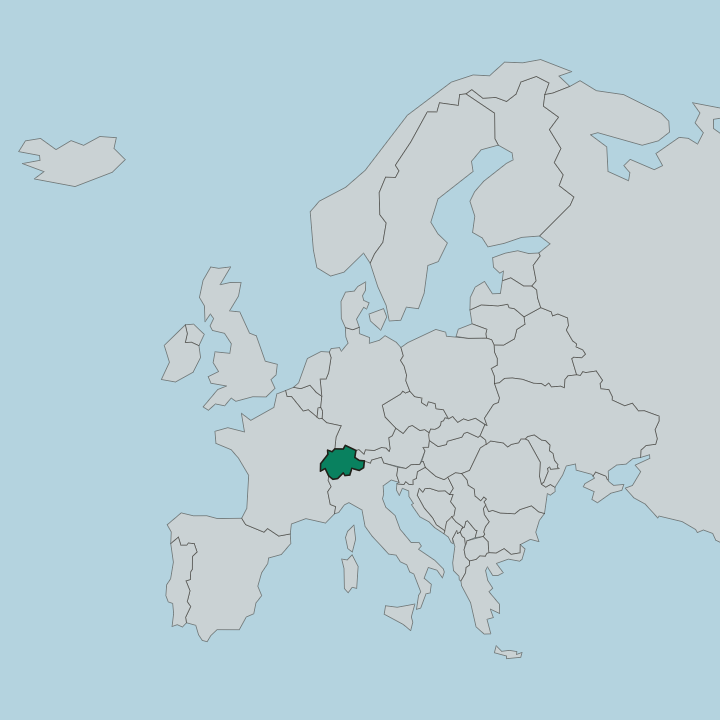
Cantone Ticino occupies the Italian-speaking flank of the Swiss Confederation, a canton of mountains and valleys draining toward the Lombard plain. Monte Ceneri cuts across its middle. That ridge gives the canton its two traditional halves, the Sopraceneri to the north and the Sottoceneri to the south, a division that shapes how Ticino thinks about itself.
The land is steep and folded, threaded by valleys that carry roads and rivers down from the higher country. Eight districts make up the canton, gathered around Bellinzona, the capital that sits in the northern reach near the foot of the passes. The capital holds the administrative centre.
From Bellinzona the terrain climbs toward the Alpine crest that walls Ticino off from the German-speaking cantons beyond, while below Monte Ceneri the Sottoceneri opens toward warmer, lower ground. This whole Italian-speaking canton tilts away from the rest of Switzerland and toward the south, its valleys pointing the way the water runs.
What is Cantone Ticino like?
Cantone Ticino stands apart in Switzerland as the country's Italian-speaking canton. Italian is the language of daily life, giving the canton a southern culture unlike the German- and French-speaking cantons of the confederation. The Alps set the border, but the culture reaches over them.
Ticino faces the Lombard world to the south, and its food, speech, and architecture carry that connection as much as its place within the Swiss Confederation. The old division by Monte Ceneri still frames local identity, splitting the canton into the Sopraceneri and the Sottoceneri with their own inflections. People feel that line.
Bellinzona, the cantonal capital, gathers the civic culture of the canton, while the eight districts each keep something of their valley character. Founded as a canton in 1803, Ticino has spent its history balancing an Italian voice against a Swiss allegiance, and that balance remains the defining thread of its cultural life.
What is the history of Cantone Ticino?
Cantone Ticino became a canton of the Swiss Confederation in 1803. Before that, the Italian-speaking lands north and south of Monte Ceneri had been governed as subject territories rather than a single canton. Union changed their standing.
Drawn together as Ticino, the Sopraceneri and Sottoceneri were joined under one cantonal government seated at Bellinzona, and the canton took its place among the members of the confederation.
What is the climate of Cantone Ticino?
Cantone Ticino enjoys a milder climate than the rest of the Swiss Confederation, thanks to its southern, Italian-facing position. Summers are warm and long, especially in the Sottoceneri below Monte Ceneri. The Alps hold back the north.
Their crest shelters the canton from the coldest weather, though winter still whitens the high Sopraceneri and the passes above Bellinzona. Heavy rains sweep up from the south against the mountains, and the lower valleys of Ticino keep a warmth unusual within Switzerland.
How do you get to Cantone Ticino?
Cantone Ticino is reached from the north through the Alpine passes and the rail tunnels that pierce them. The main line drops from the crest toward Bellinzona, the capital, before running on across Monte Ceneri into the Sottoceneri. Trains carry the traffic.
From the Sopraceneri down through the divide, the network binds the Italian-speaking canton to the rest of the Swiss Confederation one way and toward Italy the other, so most arrivals cross the mountains before descending into Ticino.
Common questions
What is the best area to stay in Cantone Ticino?
Bellinzona, the cantonal capital: Cantonal administration and the Sopraceneri north. The Sottoceneri south of Monte Ceneri: Lakeside towns of the Italian-speaking canton.
Good for
More regions in Switzerland
Updated September 2026