Chile · Región de Ñuble
Where to Stay in Chillán, Región de Ñuble
Chillán is a city in the central valley of Chile, the birthplace of Bernardo O'Higgins, near the volcanoes of the Andes.
Hotel links are affiliate links: booking through them may earn us a commission, at no extra cost to you. It never affects how places are ranked. How this works


Where to stay in Chillán
Where the beds are, and what that means for the visit.
In Chillán the choice comes down to the plaza or the mountain road. The streets around the main plaza and the cathedral keep the market, the murals, and the museums within a walk, and staying downtown suits anyone here for the city. The market fills the mornings.
Rooms sit near the plaza and the feria. Out toward the mountains and the ski road, the land climbs to the Nevados de Chillán. A room up the valley trades the city for the hot springs, the ski slopes, and the snowy volcano.
The green farms open past the edge. If you want the market and the murals, stay in the centre; if you want the mountains, take a room up the valley. Neither choice strands you far from the plaza.
Find hotels in Chillán
Direct booking searches for these neighbourhoods.
The centre
Around the main plaza and the Escuela México, within a walk of the FeriaFind hotels in The centreStays wanting the ski slopes and hot springsUp the valley
Toward the Nevados de Chillán, by the mountain resortsFind hotels in Up the valleyHotel links are affiliate links: booking through them may earn us a commission, at no extra cost to you. It never affects how places are ranked. How this works
Things to do in Chillán
Ranked by global recognition; descriptions from Wikidata (CC0).
Museums & Galleries
3- Museo Claudio Arrau León Heritage
- Museo Marta Colvin
- Museo San Francisco de Chillán
Churches & Religious Sites
2- St. Bartholomew Cathedral Heritage
- Iglesia de San Francisco
Castles & Historic Sites
2- Mural de María Martner a Bernardo O'Higgins
- Monumento a Iván Contreras Flores
Landmarks & Notable Places
2- Casa Cuitiño Heritage
- Casa Chejade Heritage
worth knowingacross 4 categories in Chillán
About Chillán
Chillán is the birthplace of the father of Chile.
What is Chillán known for?
Bernardo O'Higgins, who won the country's freedom, was born here, and a school given by Mexico holds great murals in his honour, while a huge market draws crowds for crafts and country food. Snowy volcanoes rise to the east. Heroes and markets mark the city.
What are the main landmarks in Chillán?
The Escuela México is the pride of Chillán. Its walls carry great murals by two Mexican masters, honouring the heroes of Chile and Mexico, the emblem of the city, given after the great quake. A modern cathedral crowns the square.
The bold concrete cathedral rose over the main plaza after 1939, while the Feria market and the Claudio Arrau museum draw the town.
What is the history of Chillán?
Chillán gave Chile its founding father. Bernardo O'Higgins, who led the fight for independence and ruled the young republic, was born in the town in 1778, and the city holds his memory as a cradle of the nation. The town was rebuilt many times.
On a land of earthquakes, Chillán was shaken and rebuilt more than once, and it grew as a market for the rich farms of the central valley. A great quake struck in 1939. One of the deadliest earthquakes in the country's history levelled the city, and it rose again in a modern style, with a bold concrete cathedral in place of the fallen church.
Mexico sent a gift of thanks. It built a new school for the town, and two great Mexican painters covered its walls with murals honouring the heroes of both nations. The market still fills with country crafts.
Chillán keeps its heroes and its murals in the valley of Chile.
Where is Chillán?
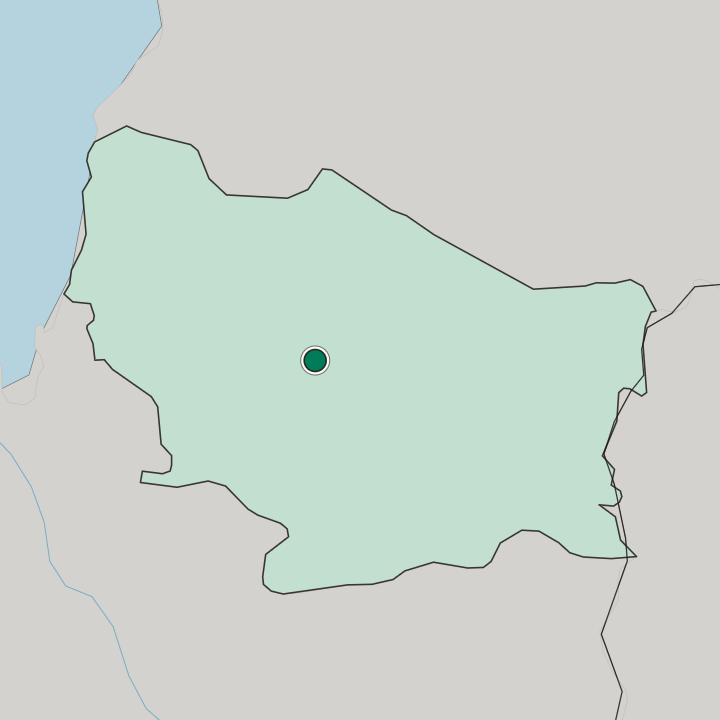
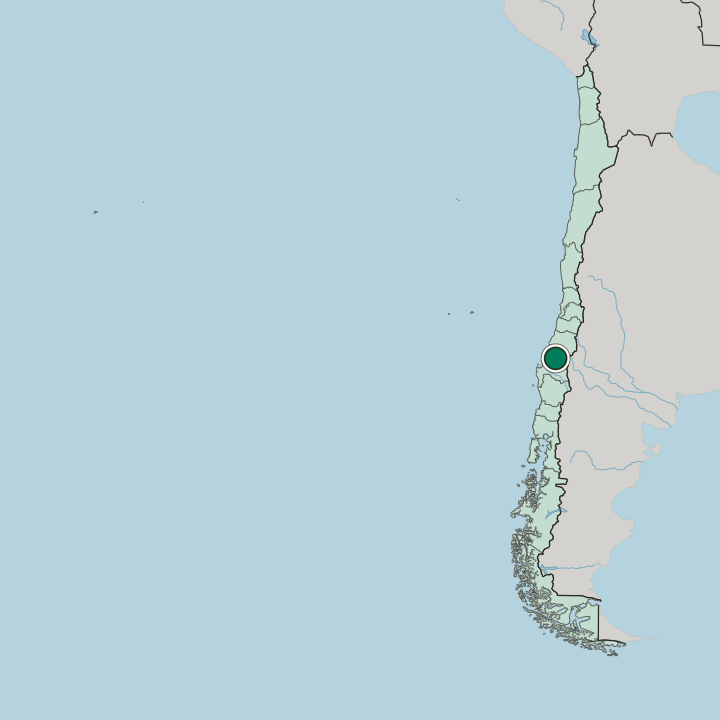
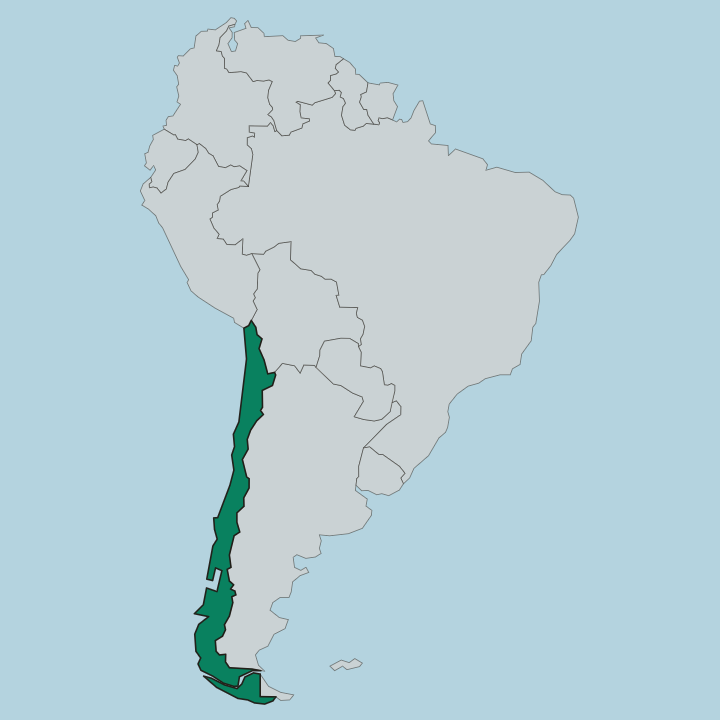
Chillán lies in the central valley of Chile, between the Andes and the coast. The city sits on a fertile plain of farms and vineyards, watered by rivers from the mountains, below the snowy peaks of the Nevados de Chillán volcano. Snowy Andes rise to the east.
The green valley rolls away to the coast.
What is the climate of Chillán?
Chillán has a warm Mediterranean climate. Hot, dry summers ripen the vines and fruit of the valley, and the winters turn cool and wet, with snow on the mountains and rain on the plain. Storms roll off the Andes in winter.
The valley stays warm and fertile in summer.
How do you get to Chillán?
Chillán lies in the central valley south of Santiago in Chile. Trains and the main highway run to it down the valley from the capital and toward Concepción on the coast, and roads climb east to the ski resorts. Local buses fan out to the valley's farm towns.
Most arrive by road down the valley.
Common questions
What is the best area to stay in Chillán?
The centre: Visitors here for the market, murals, and museums. Up the valley: Stays wanting the ski slopes and hot springs.
Good for
Updated September 2026