Chile
Región de Ñuble, Chile — Towns & Travel Guide
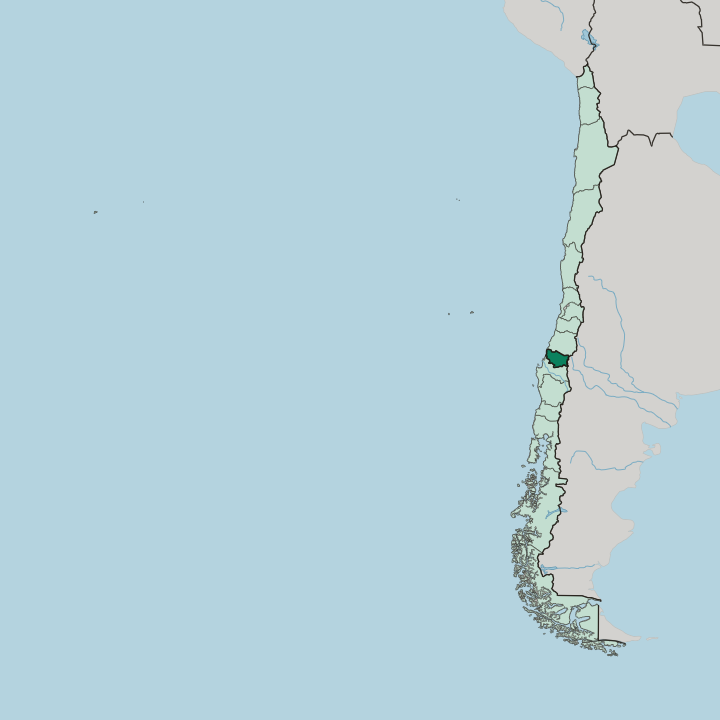
Región de Ñuble is Chile's smallest region, a wine-and-ski country between the Andes and the Pacific, capital Chillán.
Hotel links are affiliate links: booking through them may earn us a commission, at no extra cost to you. It never affects how places are ranked. How this works


Towns & cities in Región de Ñuble
One town here has its own guide — it links to where to stay.
 Chile
Chile
Chillán
Chillán is a city in the central valley of Chile, the birthplace of Bernardo O'Higgins, near the volcanoes of the Andes.Where to stay →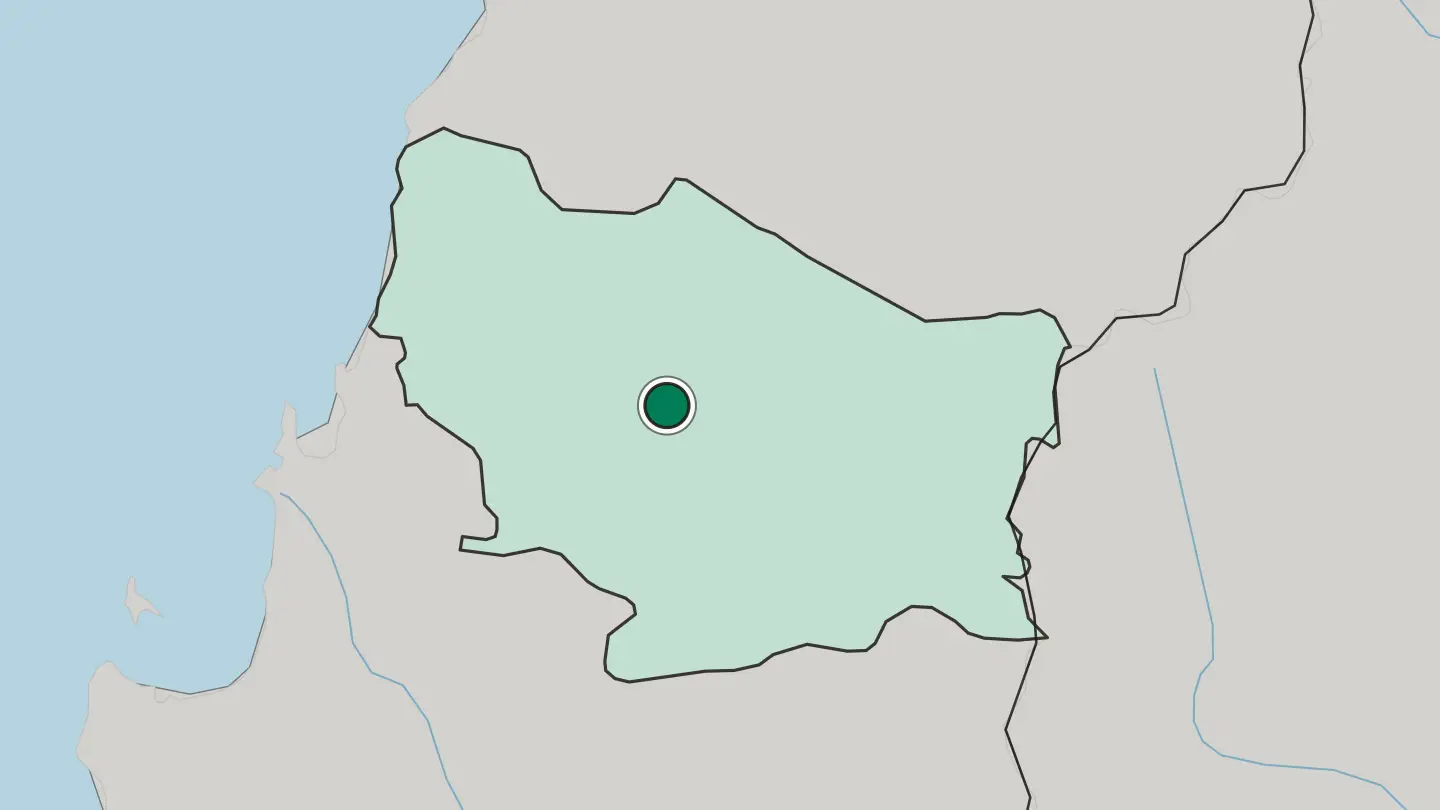
Hotel links are affiliate links: booking through them may earn us a commission, at no extra cost to you. It never affects how places are ranked. How this works
About Región de Ñuble
What is Región de Ñuble known for?
Ñuble is Chile's newest region, split from Biobío in 2018. It is also the smallest. Chillán, the capital, sits on the plain where the Itata River gathers the streams draining off the Andes, and the region takes its rhythm from that water.
Uphill, the Nevados de Chillán volcanic complex feeds hot springs and one of Chile's longer ski seasons. Downhill, the old vineyards of the Itata Valley press País and Moscatel from vines that predate most of the country's wine trade. Two names carry the place abroad: the folklorist Violeta Parra and the pianist Claudio Arrau were both born in these towns.
Where is Región de Ñuble?
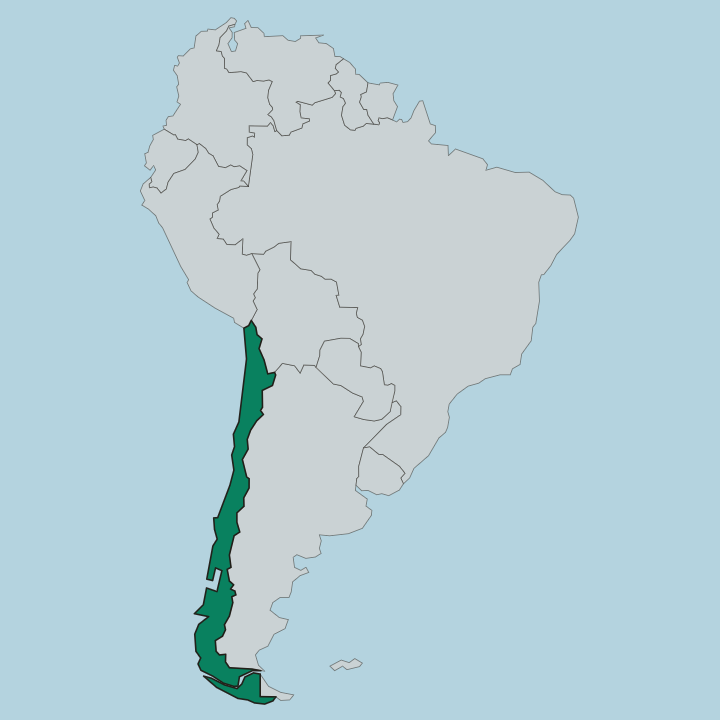
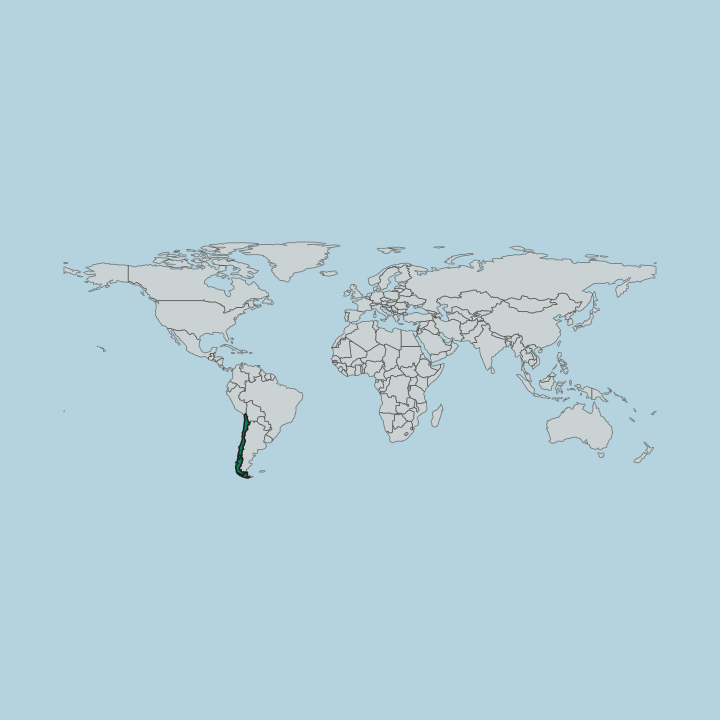
Ñuble sits in south-central Chile, a narrow band running from the Pacific surf up to the crest of the Andes. It is the smallest of the country's sixteen regions. The Maule Region borders it to the north and the Biobío Region to the south, while the Andean divide with Argentina closes it off in the east.
Between those edges the land climbs in stages, the way most of central Chile does. A flat coastal strip gives way to a low coastal range, then the broad central plain where Chillán stands, then the foothills, then the high cordillera. Here the Andes run lower than they do further north, and the Nevados de Chillán volcanic complex is the tallest thing on the skyline.
Water ties the whole region together. The Itata River drains most of its surface, gathering the Ñuble River and the meltwater off the volcanoes before it cuts west through the coastal hills to the sea. That single basin waters the vineyards, the pastures, and the wheat fields on the plain.
The coast itself is short and rocky, broken by fishing coves rather than long beaches. From the shore at Cobquecura to the snow on the Nevados is only a few hours by road.
What is Región de Ñuble like?
Ñuble wears its country roots plainly. This is huaso country, the world of the Chilean horseman, and the rodeo and the saddle still shape how the region sees itself. Chillán holds the loudest expression of that.
Its covered market runs on longaniza sausage, roast pork, and pipeño wine drawn straight from the barrel, and the produce halls beside it sell the fruit, honey, and cheese of the surrounding plain. The countryside made the region's most famous voices too. Violeta Parra grew up in these towns and gathered the folk songs of the Chilean south into the music that carried her name across the continent.
The pianist Claudio Arrau came from the same soil, one of the great interpreters of the last century. Wine binds much of daily life to the land. The Itata Valley is one of the oldest wine districts in Chile, its País and Moscatel vines dry-farmed on granite by families who have worked the same slopes for generations.
The name Itata comes from Mapudungun, the tongue of the Mapuche who held this ground before the Spanish, and means abundant pastures. That older presence still runs under the surface here, in the place-names and in the crafts. Language is Spanish, spoken with the softer accent of the Chilean south.
What is the history of Región de Ñuble?
Ñuble became a region only in 2018, but its ground is old Chile. The Mapuche worked the Itata basin long before the Spanish rode south, and Chillán grew as a colonial frontier town on the road toward that contested border. It was here that Bernardo O'Higgins, the man who led Chile to independence, was born.
For most of the modern era Ñuble was a province tied to Biobío and governed from Concepción on the coast. A long local campaign changed that. In 2018 the province was carved out as Chile's sixteenth region, with Chillán as its capital and three provinces of its own.
What is the climate of Región de Ñuble?
Ñuble has a humid Mediterranean climate. The seasons are clearly marked. Winters are wet and cool, and most of the year's rain falls between May and August, feeding the Itata River and dusting the Nevados de Chillán with the snow that opens the ski season.
Summers turn warm and dry across the central plain around Chillán, the stretch that ripens the wheat and the old vines. It rains more here than in the wine valleys to the north, which is why the Itata slopes can be dry-farmed without irrigation. Up in the cordillera the cold and the snowpack last far longer than they do down on the coast.
How do you get to Región de Ñuble?
Most travellers reach Ñuble overland. Santiago lies some four hours north, and the main road and rail line down the length of central Chile both run through Chillán, so the capital is the region's front door. From there it is a short hop east up the Valle Las Trancas road to the Nevados de Chillán slopes, or west across the plain and into the Itata Valley wine hills.
The Pacific coast around Cobquecura lies a little further out on quieter roads. Buses fan out from Chillán to the smaller towns and the mountain lodges.
Common questions
What is the best area to stay in Región de Ñuble?
Chillán: a first base in Ñuble. Valle Las Trancas: skiing and the Andean hot springs. The Itata Valley: old-vine wine touring. Cobquecura and the coast: the beaches and sea-lion coast.
Good for
More regions in Chile
Updated September 2026