
China · Anhui
Where to Stay in Bengbu, Anhui
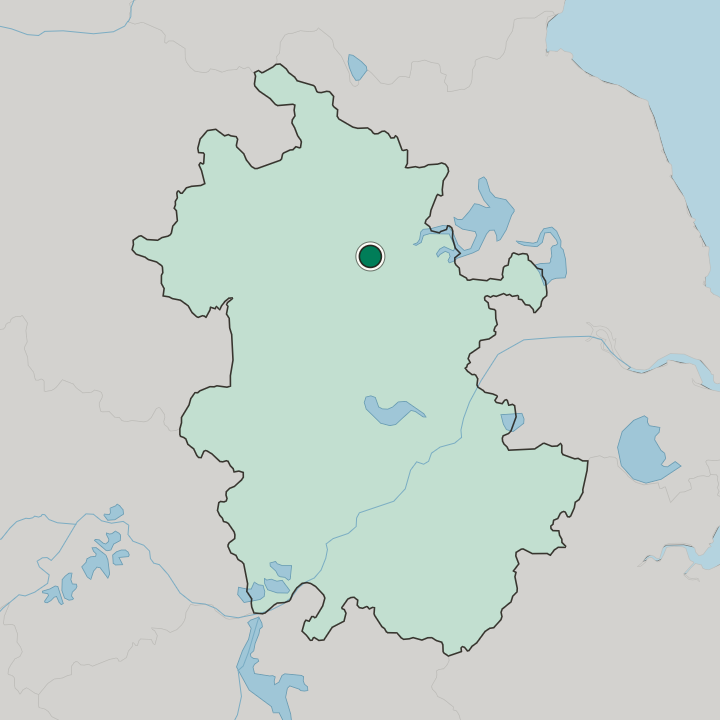
Bengbu lies in northern Anhui on the Huai River, its name meaning Clam Wharf after the freshwater pearl fishery the riverbank was once known for.
Hotel links are affiliate links: booking through them may earn us a commission, at no extra cost to you. It never affects how places are ranked. How this works


Where to stay in Bengbu
The practical side of choosing where to sleep.
Four urban districts and a county make one city. Bengbu's built-up area runs across four districts and continues into Fengyang County, which belongs administratively to Chuzhou Prefecture but is joined to Bengbu on the ground. That matters for beds.
A room booked in the conurbation may sit on either side of the prefecture line, and the practical question is the distance to the Huai River crossings rather than which prefecture the address belongs to. The river fixes the centre. Anyone whose interest is the Old Bengbu Huai River Railway Bridge, or the water the city was named for, should stay in the districts closest to the crossing rather than out toward Fengyang.
Archaeology pulls the other way. The Shuangdun Site, the Spring and Autumn Period Tombs at Shuangdun and the Yuhuicun Site are the prefecture's deepest record, and a visitor giving them a full day is better placed on the edge of the built-up area than in the middle of it. Huaiyuan is quieter.
The Old Church Buildings of Huaiyuan and the Tomb of Lady Yan at Huamingtang give that county its own reason, and beds there are fewer and plainer than in the city. Gaixia Site closes the list. A trip built around the Tomb of Tang He, the Gaixia Site and the Wo River First Bridge is a driving trip, so a central room in Bengbu with a car beats a scattered set of country stays.
Find hotels in Bengbu
Direct booking searches for these neighbourhoods.
The Huai River districts
Bengbu began as a wharf on the Huai River, and the districts beside the old railway bridge keep the reason for the city within a short walk.Find hotels in The Huai River districtsArrivals from Chuzhou Prefecture using the outer edge of the conurbationThe Fengyang County side
Fengyang County is counted under Chuzhou Prefecture yet built into the same urban mass as Bengbu, so a room on this side still amounts to staying in the city.Find hotels in The Fengyang County sideA night near the Old Church Buildings of HuaiyuanHuaiyuan
The church buildings at Huaiyuan and the Tomb of Lady Yan at Huamingtang are what bring anyone to this county, and its rooms are plainer than the four districts offer. Few places to stay nearby — book ahead.Find hotels in HuaiyuanUnhurried archaeology at the Shuangdun Site and the Yuhuicun SiteThe Shuangdun side
The Shuangdun Site and its Spring and Autumn Period tombs reward slow time, which comes easier from the built-up edge than from the middle of Bengbu. Beds are limited here, so book early.Find hotels in The Shuangdun sideHotel links are affiliate links: booking through them may earn us a commission, at no extra cost to you. It never affects how places are ranked. How this works
About Bengbu
Water shows up in the name itself.
What is Bengbu known for?
Bengbu means Clam Wharf, a reference to the freshwater pearl fishery the city was once known for, which ties the place to the water rather than to any wall or palace. Rail did the rest. The Old Bengbu Huai River Railway Bridge crosses the river at the city, and the Wo River First Bridge marks the other crossing the prefecture is recorded for.
What are the main landmarks in Bengbu?
Tombs and bridges, mostly. The Tomb of Tang He, the Tomb of Lady Yan at Huamingtang and the Spring and Autumn Period Tombs at Shuangdun make burial the commonest kind of listed site in the prefecture. Water shaped the rest.
The Old Bengbu Huai River Railway Bridge and the Wo River First Bridge stand for the crossings, while the Shuangdun Site, the Yuhuicun Site and the Gaixia Site hold the archaeology and the Old Church Buildings of Huaiyuan add the one ecclesiastical entry.
What is the history of Bengbu?
Water came before any wharf. The Shuangdun Site and the Yuhuicun Site place settled life on this stretch of the Huai River long before the name Bengbu existed, and no founding year is recorded for the city at all. Then the tombs.
The Spring and Autumn Period Tombs at Shuangdun date a later layer by dynastic era rather than by charter, and the Gaixia Site belongs to the same register of places known from the record rather than from any surviving building. Pearls gave the city its name. Clam Wharf is a literal description of what the riverbank did for a living, and the freshwater pearl fishery it refers to has left the name behind long after the trade itself.
Later graves are individual. The Tomb of Tang He and the Tomb of Lady Yan at Huamingtang commemorate named people rather than dynasties, which is unusual in a prefecture whose older sites are anonymous. Missions arrived in the counties.
The Old Church Buildings of Huaiyuan stand for a Christian congregation in a county town, while the Old Bengbu Huai River Railway Bridge marks the arrival of the railway and the Wo River First Bridge the other crossing that mattered. Growth ran outward from there. The built-up area takes in four urban districts and reaches into Fengyang County in Chuzhou Prefecture, the two having grown together along the river.
Where is Bengbu?
Bengbu stands on the Huai River in northern Anhui. Four urban districts make up the built-up area, and it runs on into Fengyang County, which is counted under Chuzhou Prefecture even though the two are joined. The Wo River adds another.
Water rather than relief organizes the ground here, which is why the crossings at the Old Bengbu Huai River Railway Bridge and the Wo River First Bridge are the fixed points the city grew around.
What is the climate of Bengbu?
The Huai River sets the tone. Bengbu stands on its bank in northern Anhui, near the northern limit of the subtropical band, which puts the city on the line between a mild south and a colder north. Rivers, not hills, moderate it.
Neither the Huai nor the Wo is a mountain barrier, so nothing shelters the prefecture, and conditions at the Shuangdun Site differ little from those on the old railway bridge.
How do you get to Bengbu?
Rail crosses the river here. The Old Bengbu Huai River Railway Bridge is the recorded crossing of the Huai at the city, which is the clearest sign of how Bengbu is reached, along the line, not up the water. Roads fill in the rest.
Fengyang County in Chuzhou Prefecture runs straight into the built-up area, so arrivals from that side reach the districts without any obvious boundary, while Huaiyuan and the Wo River First Bridge lie out in the county ground.
Common questions
What is the best area to stay in Bengbu?
The Huai River districts: Stays anchored on the Old Bengbu Huai River Railway Bridge. The Fengyang County side: Arrivals from Chuzhou Prefecture using the outer edge of the conurbation. Huaiyuan: A night near the Old Church Buildings of Huaiyuan. The Shuangdun side: Unhurried archaeology at the Shuangdun Site and the Yuhuicun Site.
More cities in Anhui
Updated September 2026