China · Anhui
Where to Stay in Wuhu, Anhui
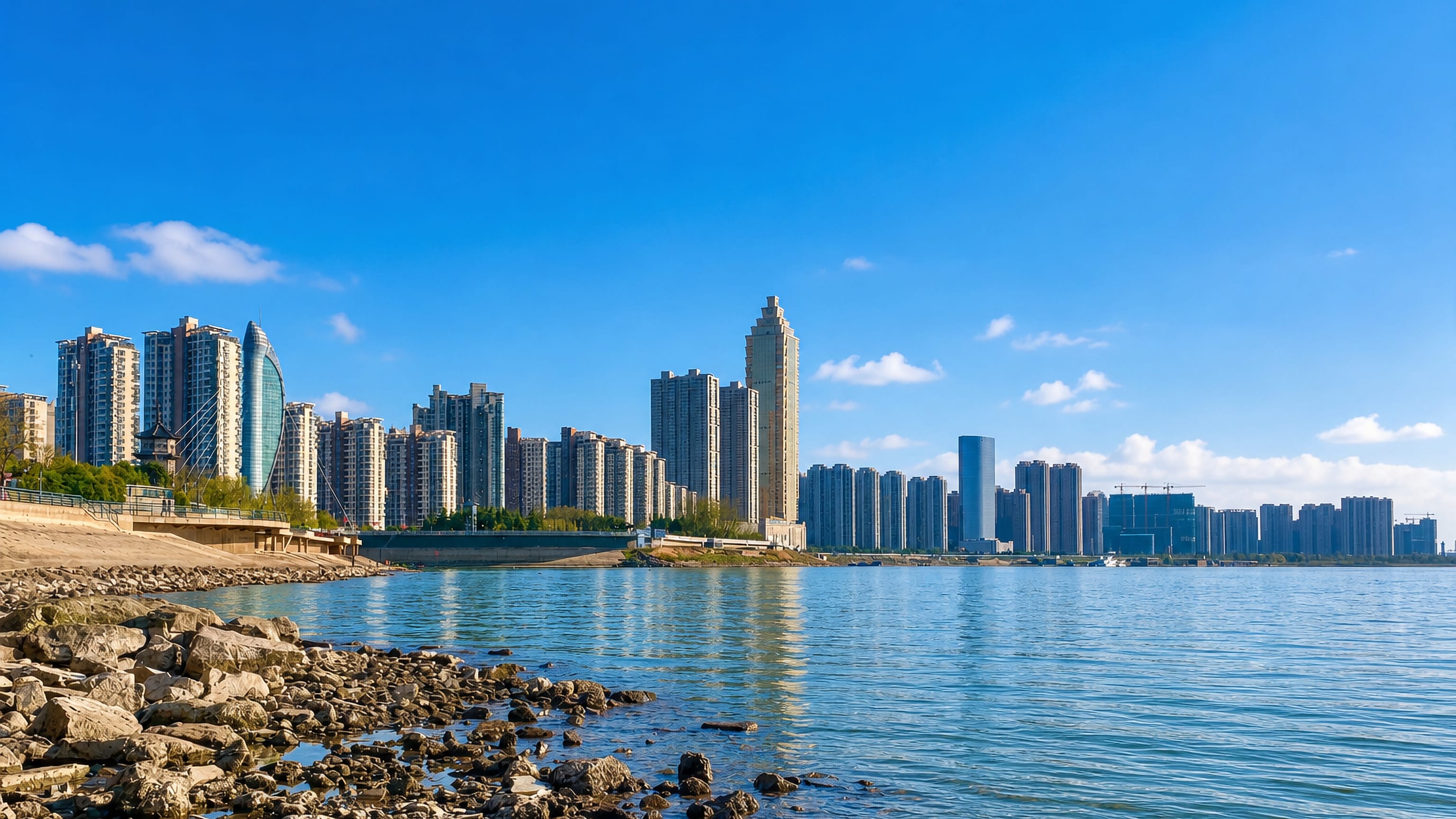
Wuhu stands on the southeast bank of the Yangtze in southeastern Anhui, keeping a former customhouse, a British consular office and two pagodas.
Hotel links are affiliate links: booking through them may earn us a commission, at no extra cost to you. It never affects how places are ranked. How this works


Where to stay in Wuhu
Where visitors usually base themselves, and why.
Wuhu rewards a short stay well placed. The city itself holds the Former Customhouse of Wuhu, the Former British Consular Office at Wuhu, the cathedral Saint-Joseph and the Saint Jacobi Church in Wuhu, so a central room covers most of the listed buildings without a drive. Add the food street.
Wuhu's eating street is the other reason the city is worth a night rather than a stop, and the Former Saint Aloysius Technical High School at Wuhu and the Former Saint Jacob Middle School sit in the same city. Day trips run in both directions. Nanjing lies about 90 km to the northeast and Hefei to the northwest, and Wuhu works as a base between them for anyone who would rather sleep in a smaller city.
The counties hold the older sites. The Fanchang Kiln Site, the Copper Mines of Dagongshan and Fenghuangshan, the Guniushan City Ruins and the Renzidong Site are named for country ground rather than for the city, so a visitor with those on the list needs a car and an early start. Beds follow the river.
Rooms concentrate in the city on the Yangtze bank and thin quickly toward Xuancheng and Chizhou, which makes a central base and a series of days out the sensible shape for a trip.
Find hotels in Wuhu
Direct booking searches for these neighbourhoods.
The Yangtze-bank centre
Wuhu's listed buildings — the customhouse, the British consular office and the churches — carry the city's own name rather than a county's, so one central room reaches them all.Find hotels in The Yangtze-bank centreAn evening on Wuhu's eating street after a day outNear the food street
The eating street is the one thing the travel record singles out inside Wuhu itself, and a bed beside it turns a day trip into a night's stay.Find hotels in Near the food streetA morning at Guangji Temple and the Guangji Temple PagodaThe Guangji Temple side
Guangji Temple and its pagoda are the older religious pairing in Wuhu, which suits a visitor here for the temple city rather than for the river trade.Find hotels in The Guangji Temple sideDays at the Fanchang Kiln Site and the copper-mine groundFanchang and the mining country
The Fanchang Kiln Site and the Copper Mines of Dagongshan and Fenghuangshan lie out in county ground, where rooms are few and the day has to start earlier. Rooms are few around here — worth securing early.Find hotels in Fanchang and the mining countryHotel links are affiliate links: booking through them may earn us a commission, at no extra cost to you. It never affects how places are ranked. How this works
About Wuhu
River trade left the buildings.
What is Wuhu known for?
The Former Customhouse of Wuhu and the Former British Consular Office at Wuhu record a period when the Yangtze bank here handled business with the world beyond China, and the churches listed with them belong to the same outward-facing city. Two pagodas still stand. The Guangji Temple Pagoda and the Huangjin Pagoda mark the older city, and Guangji Temple itself remains the main religious site the record names.
What are the main landmarks in Wuhu?
Foreign and local sit close. The Former Customhouse of Wuhu, the Former British Consular Office at Wuhu, the cathedral Saint-Joseph and the Saint Jacobi Church in Wuhu record the trading city, while Guangji Temple, the Guangji Temple Pagoda and the Huangjin Pagoda hold the older ground. Industry and earth make the third group.
The Copper Mines of Dagongshan and Fenghuangshan, the Fanchang Kiln Site, the Burial Mounds of South Anhui, the Guniushan City Ruins and the Renzidong Site take the record well back, and the Former Residence of Dai Anlan adds a name to it.
What is the history of Wuhu?
The record starts deep. The Renzidong Site, the Guniushan City Ruins and the Burial Mounds of South Anhui carry the prefecture's archaeology between them, and no founding year is fixed to Wuhu in the record at all. Metal and clay followed.
The Copper Mines of Dagongshan and Fenghuangshan and the Fanchang Kiln Site show a prefecture working metal and clay long before the river trade arrived. Guangji Temple came later, with its pagoda, and the Huangjin Pagoda standing in the same older city. Then the river opened.
A customhouse and a British consular office were built at Wuhu, and their survival as the Former Customhouse of Wuhu and the Former British Consular Office at Wuhu marks the decades when the Yangtze carried foreign trade past the city. Churches came with the trade. The cathedral Saint-Joseph and the Saint Jacobi Church in Wuhu belong to the same outward-looking period, and schooling followed in the Former Saint Aloysius Technical High School at Wuhu and the Former Saint Jacob Middle School.
One house carries a name. The Former Residence of Dai Anlan is the city's memorial to an individual, among a record otherwise made of institutions, mines and graves.
Where is Wuhu?
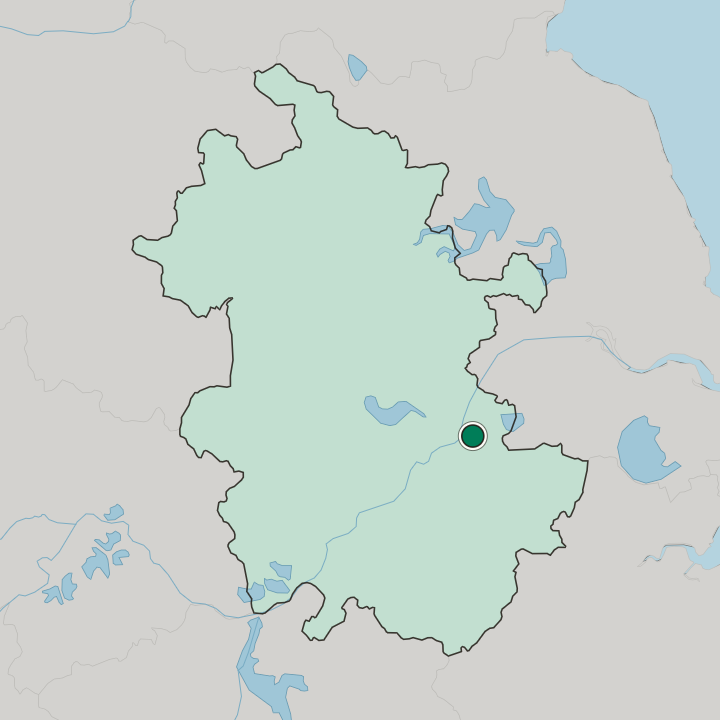
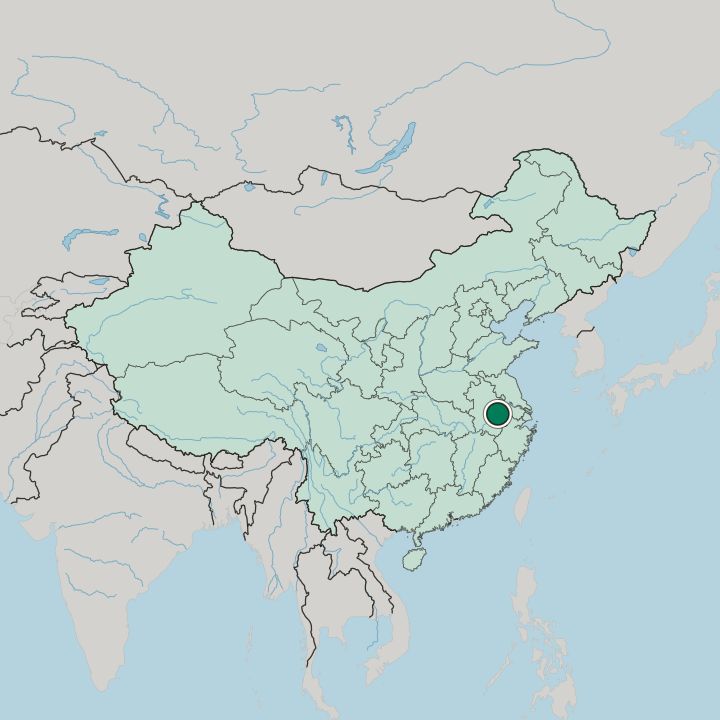
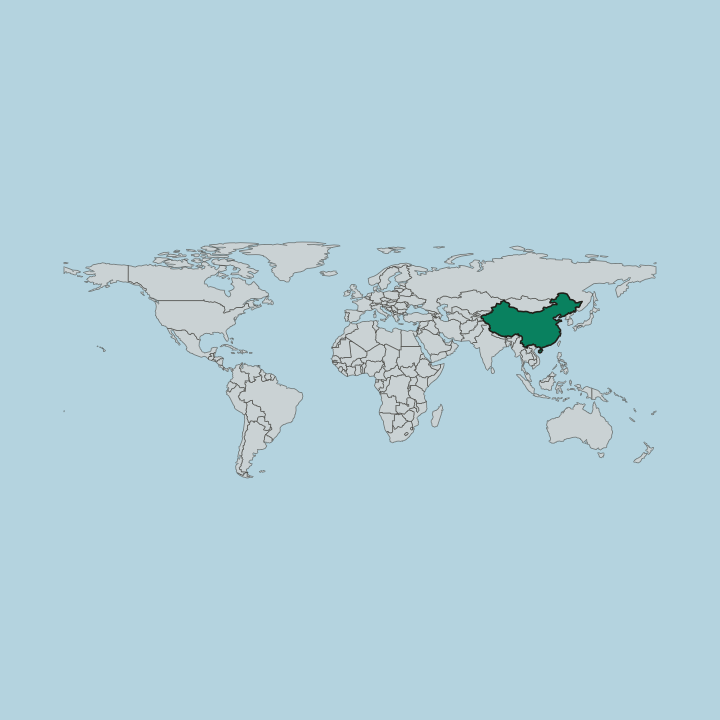
Wuhu holds the southeast bank of the Yangtze. Xuancheng lies to the southeast, Chizhou and Tongling to the southwest, Hefei to the northwest and Ma'anshan to the northeast, with the province of Jiangsu closing the eastern side. Nanjing is not far.
The city stands about 90 km southwest of it, close enough that the built-up ground between Nanjing, Ma'anshan and Wuhu is running together.
What is the climate of Wuhu?
The Yangtze does the moderating. Wuhu lies on the river's southeast bank in the subtropical band, and the water keeps the city damp for much of the year in a way the low country around it does nothing to check. Hills barely register.
Dagongshan and Fenghuangshan are mining ground rather than a range, so conditions at the Fanchang Kiln Site and on the riverfront differ very little.
How do you get to Wuhu?
Six neighbours and a river. Wuhu is reached across the Yangtze or along its bank, with Ma'anshan to the northeast, Xuancheng to the southeast, Chizhou and Tongling to the southwest and Hefei to the northwest, and Jiangsu beginning just to the east. Nanjing does the heavy lifting.
The travel record treats Wuhu as a day trip from there, roughly 90 km to the northeast, as much as a destination in itself.
Common questions
What is the best area to stay in Wuhu?
The Yangtze-bank centre: Walking between the Former Customhouse of Wuhu and the cathedral Saint-Joseph. Near the food street: An evening on Wuhu's eating street after a day out. The Guangji Temple side: A morning at Guangji Temple and the Guangji Temple Pagoda. Fanchang and the mining country: Days at the Fanchang Kiln Site and the copper-mine ground.
Good for
More cities in Anhui
Updated September 2026