China · Guizhou
Where to Stay in Guiyang, Guizhou
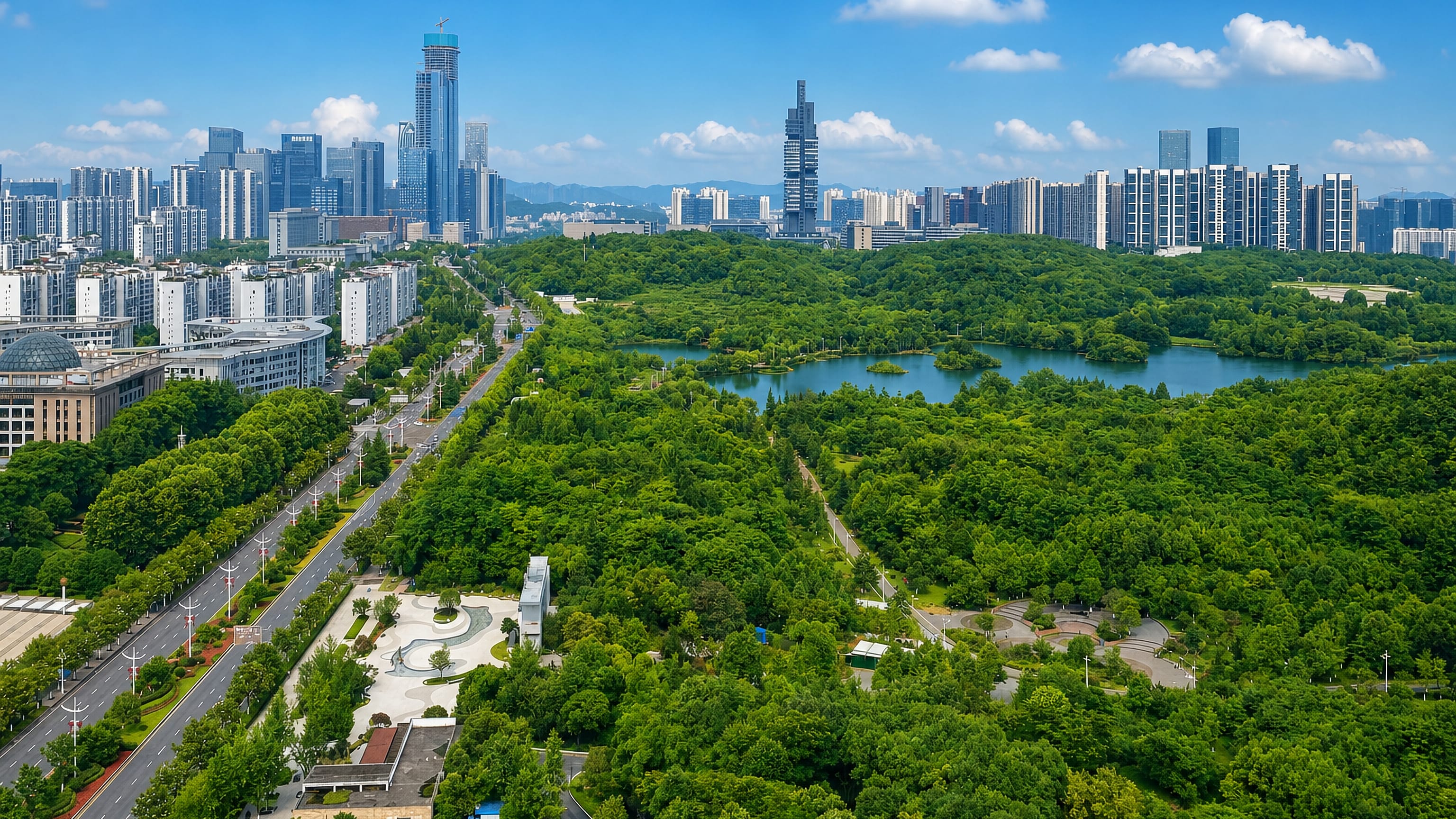
Guiyang is the capital of Guizhou in the karst mountains of southwestern China, a green city on the Nanming River.
Hotel links are affiliate links: booking through them may earn us a commission, at no extra cost to you. It never affects how places are ranked. How this works


Where to stay in Guiyang
The practical side of choosing where to sleep.
Where you stay in Guiyang turns on the river and the pavilion. The central streets around the Jiaxiu Pavilion keep the river walk, the shops, and the food within reach, and staying downtown suits anyone here for the city. The pavilion lights up at night.
Rooms sit near the river and the bridge. Out toward Qianling Park and the hills, the town spreads among the karst. A room by the park trades the busy centre for green hills, temples, and cool air under the trees.
The limestone peaks rise past the edge. If you want the river and the town, stay in the centre; if you want the hills, take a room by the park. Either way, the old pavilion is close at hand.
Find hotels in Guiyang
Direct booking searches for these neighbourhoods.
The centre
Around the Jiaxiu Pavilion on the Nanming River, within reach of the shopsFind hotels in The centreStays wanting the hills, temples, and cool airQianling Park
By Qianling Park and the Hongfu Temple, among the green karst hillsFind hotels in Qianling ParkHotel links are affiliate links: booking through them may earn us a commission, at no extra cost to you. It never affects how places are ranked. How this works
About Guiyang
Guiyang is a green city among the karst hills.
What is Guiyang known for?
On a rock in the Nanming River stands the Jiaxiu Pavilion, the old wooden emblem of the town, and a forested hill of temples and monkeys rises in its heart, while limestone peaks and caves ring the city. Cool summers draw visitors from the hot plains. Karst and river mark the city.
What are the main landmarks in Guiyang?
The Jiaxiu Pavilion is the emblem of Guiyang. The three-story wooden tower stands on a rock in the Nanming River, joined to the banks by an old stone bridge, at the heart of the city. Temples crown the green hill.
On Qianling Mountain the Hongfu Temple sits among the woods and monkeys, while the Wenchang Pavilion and the Wang Yangming shrine mark the old town.
What is the history of Guiyang?
Guiyang grew as a mountain outpost of the empire. For long it was a remote frontier town in the karst hills, a garrison and market on the hard roads into the southwest, among the Miao and Buyi peoples of the mountains. A famous thinker was exiled here.
The philosopher Wang Yangming was banished to a cave near Guiyang in the sixteenth century, and there he reached the ideas that made him one of China's great sages. The city rose slowly in its basin. Merchants and officials built pavilions and temples by the river and on the hills, and the graceful Jiaxiu Pavilion went up on a rock in the Nanming as the pride of the town.
Modern times brought a boom. Railways and roads at last broke the isolation of the mountains, and Guiyang grew into a large city and a summer refuge from the heat, while its karst hills drew travellers. The old pavilion still stands on its rock.
Guiyang guards its river and its hills in the heart of Guizhou.
Where is Guiyang?
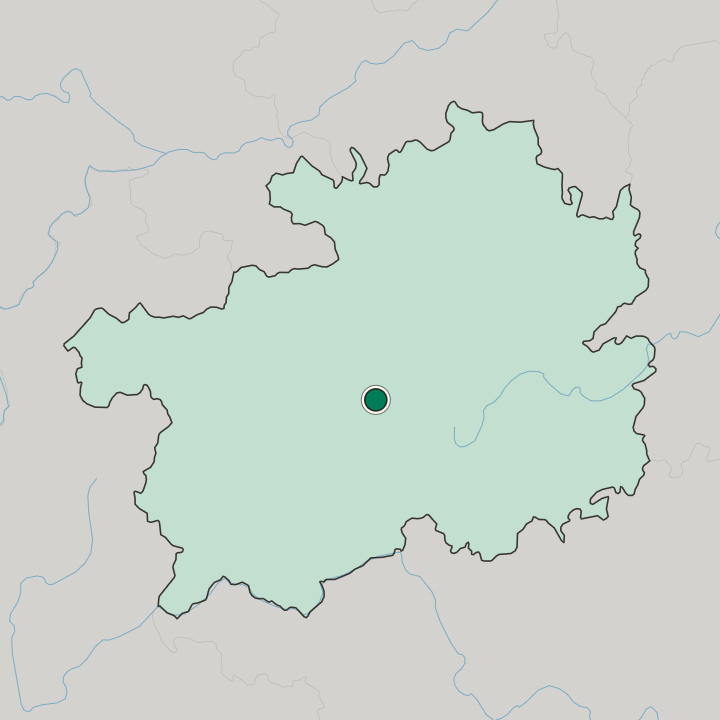
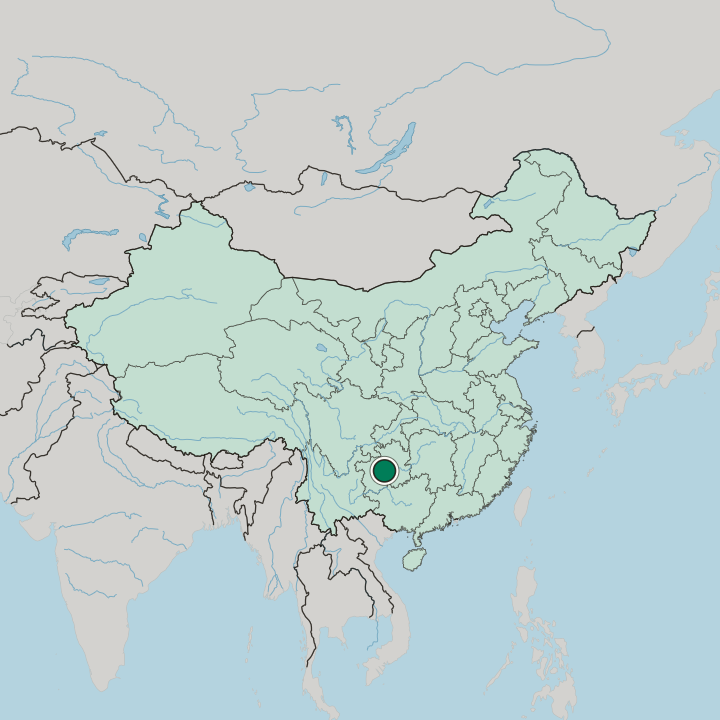
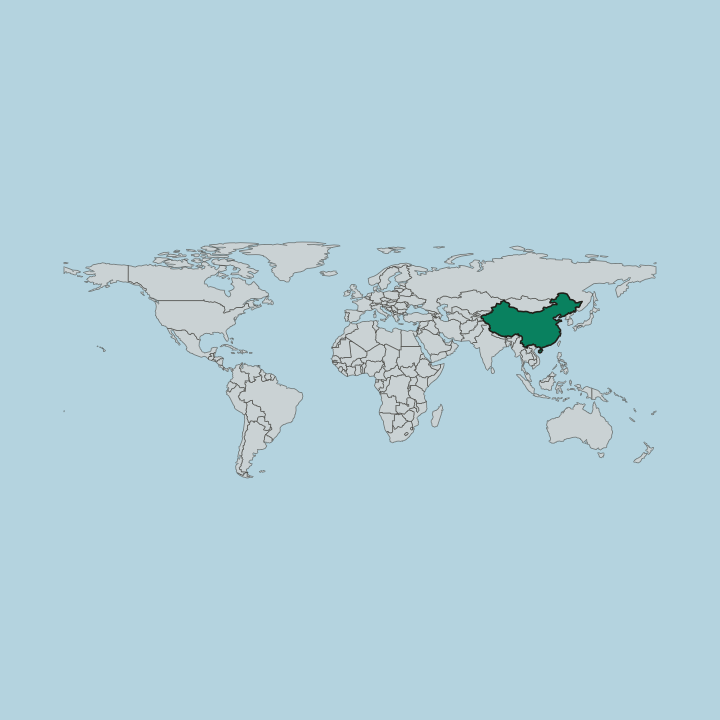
Guiyang lies among the karst mountains of Guizhou in southwestern China. The city fills a green basin of limestone hills and rivers, on a high plateau over a thousand metres up, where caves and peaks break the land. Forested karst hills rise around the town.
The Nanming River winds through the centre.
What is the climate of Guiyang?
Guiyang has a mild, humid subtropical highland climate. The high altitude keeps the summers cool and the winters mild, so the city is known as a refuge from the summer heat, though clouds and rain hang over it much of the year. Mist wraps the karst hills often.
The damp air keeps the city green.
How do you get to Guiyang?
Guiyang lies in the mountains of southwestern China. High-speed trains and an airport link the city to Chongqing, Kunming, and the east, and roads wind out through the karst hills. Buses head out to the towns scattered through the karst hills.
Most arrive by rail or air across the hills.
Common questions
What is the best area to stay in Guiyang?
The centre: Visitors here for the pavilion, river, and food. Qianling Park: Stays wanting the hills, temples, and cool air.
Good for
Another city in Guizhou
Updated September 2026