China · Hubei
Where to Stay in Jingzhou, Hubei
Jingzhou is an ancient walled city on the Yangtze in Hubei, China, the old heartland of the Chu kingdom and a fortress of the Three Kingdoms.
Hotel links are affiliate links: booking through them may earn us a commission, at no extra cost to you. It never affects how places are ranked. How this works


Where to stay in Jingzhou
How the choice of base plays out on the ground.
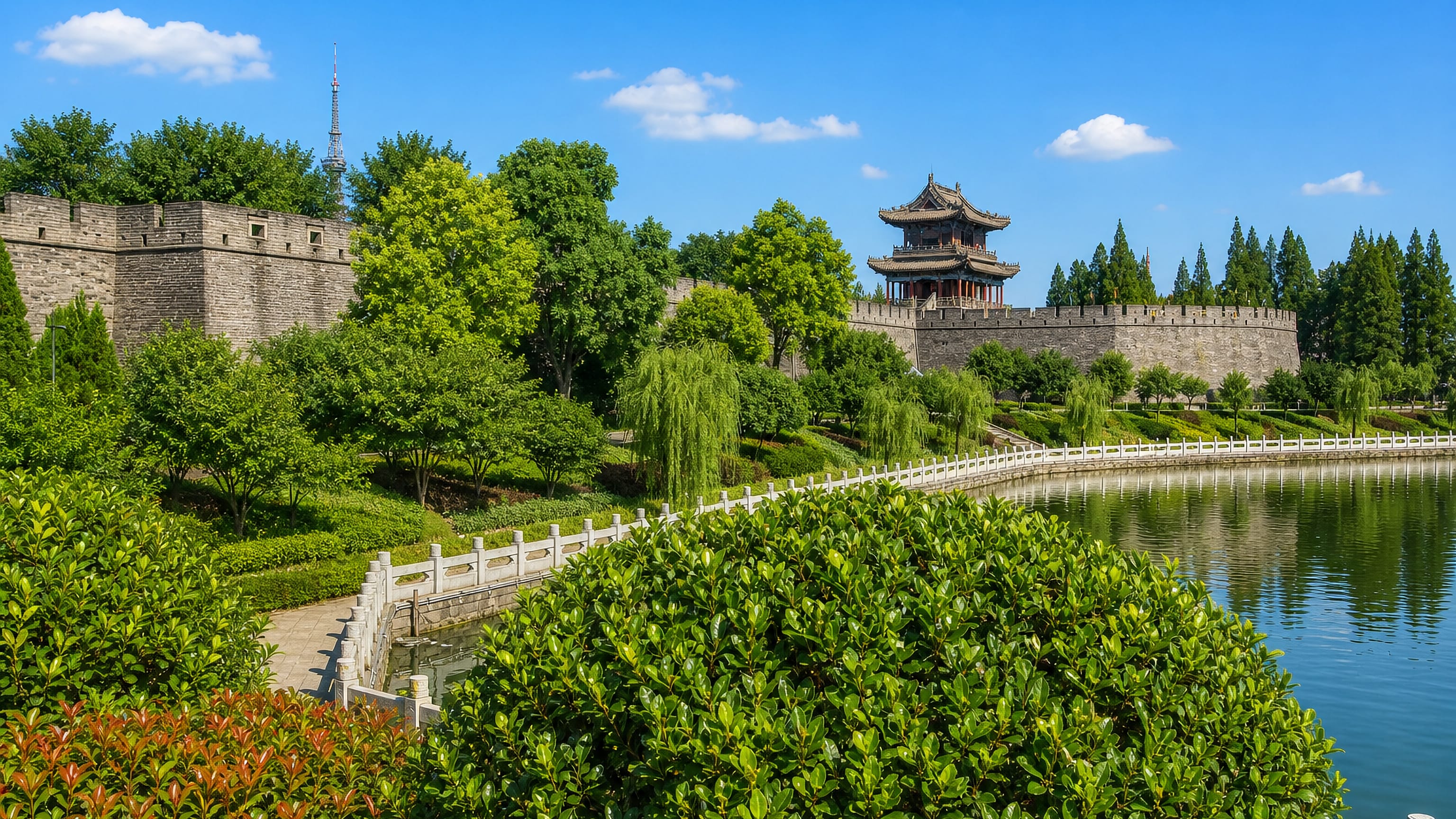
Where you stay in Jingzhou turns on the walled town. The streets within the old wall keep the museum, the gates, and the temples within a walk, and staying inside the walls suits anyone here for the history. Old gate-towers loom over the lanes.
Guesthouses cluster by the east gate. Out toward the newer city and the river, the town spreads onto the plain. A room in the new town trades the old wall for the malls, the station, and the road down to the Yangtze.
Wide new avenues cross the fields. Stay inside the walls for the old town, or by the station for the trains. The old wall is only minutes away.
Find hotels in Jingzhou
Direct booking searches for these neighbourhoods.
The walled town
Inside the old wall within a walk of the museumFind hotels in The walled townStays wanting the trains and the Jianghan mallsThe new town
Toward the station and the road to the YangtzeFind hotels in The new townHotel links are affiliate links: booking through them may earn us a commission, at no extra cost to you. It never affects how places are ranked. How this works
Things to do in Jingzhou
Ranked by global recognition; descriptions from Wikidata (CC0).
Museums & Galleries
1- Jingzhou Museum
Castles & Historic Sites
3- Jigongshan Site Heritage
- Binyang Tower Heritage
- Phoenix Mountains Paleolithic Tombs
Landmarks & Notable Places
1- Taihui Guan Heritage
worth knowingacross 3 categories in Jingzhou
About Jingzhou
Jingzhou is the old walled city of the Chu.
What is Jingzhou known for?
On the north bank of the Yangtze in the Jianghan plain, it was the capital of the ancient Chu kingdom and a great prize in the wars of the Three Kingdoms, and it keeps a mighty circuit of brick walls, the tombs and treasures of Chu in its museum, and the memory of the warrior Guan Yu. Grey walls ring the old town. The Yangtze runs broad to the south.
What are the main landmarks in Jingzhou?
The old city wall is the emblem of Jingzhou. The great brick rampart, running for miles with its gates, towers, and moat, is among the best preserved in China, standing whole around the old town. A famous museum lies within.
The Jingzhou Museum keeps the lacquer, silk, and bronzes of the Chu tombs, and the two-thousand-year-old body of a Han official found nearby. Statues of Guan Yu guard the gates.
What is the history of Jingzhou?
Jingzhou was the heart of the ancient Chu. For four hundred years the kings of Chu ruled a great southern kingdom from their capital of Ying beside the river here, and their tombs still fill the plain with lacquer, silk, and bronze. Then came the age of heroes.
In the Three Kingdoms war Jingzhou was the key to the middle Yangtze, held for a time by the warlord Liu Bei and guarded by the great general Guan Yu. Guan Yu lost the city and his life. Careless of his enemies, he let Jingzhou fall to a surprise attack, and his fall became a byword for a fatal blunder in China.
Later dynasties walled the city in brick. The great grey wall that still rings the old town was built and rebuilt over the centuries, one of the best preserved in the land, with its gates and moat. The old wall still stands whole.
Jingzhou holds its walls and its Chu tombs by the Yangtze.
Where is Jingzhou?
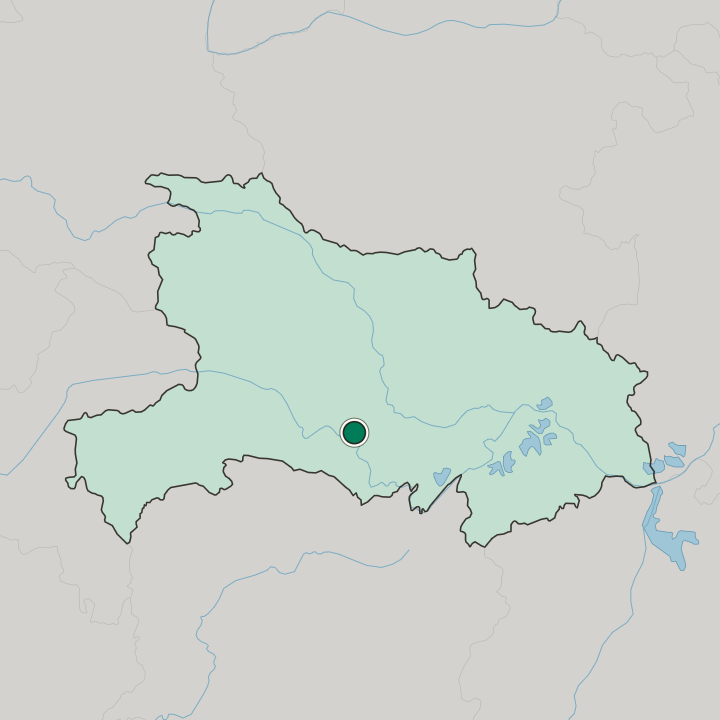
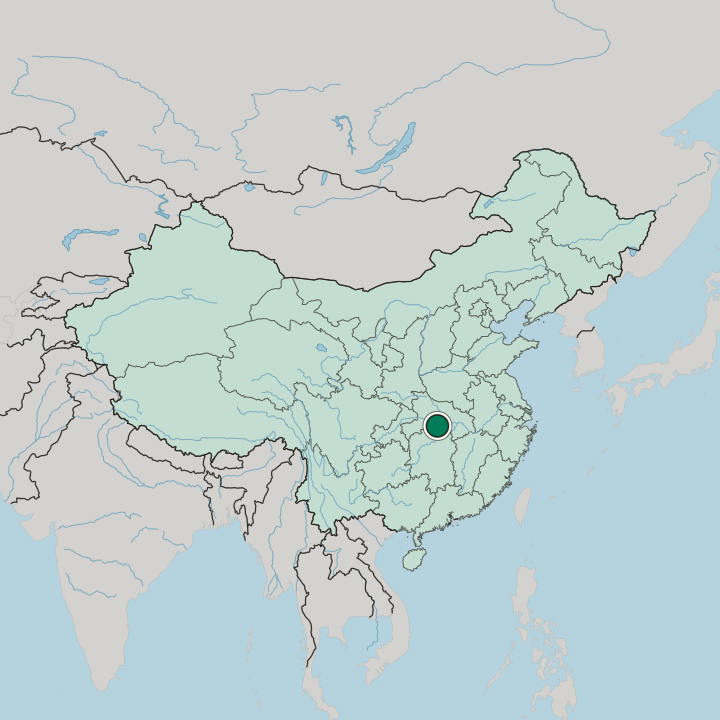
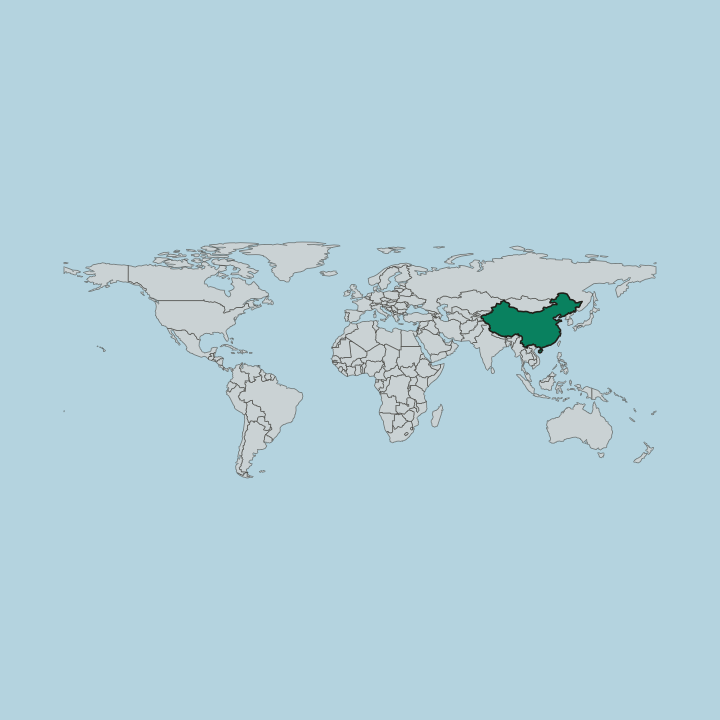
Jingzhou lies on the north bank of the Yangtze in southern Hubei, China. The city sits on the flat Jianghan plain of lakes and paddy fields, a little back from the river behind its dykes, west of Wuhan. Flat wet farmland spreads around.
Lakes and channels thread the plain.
What is the climate of Jingzhou?
The weather at Jingzhou is subtropical, humid, and slow to turn cold. Hot, wet summers hang over the plain, and mild, damp winters bring rain and rare frost, with a long growing season and heavy summer floods on the river. Mist hangs over the paddies at dawn.
The rice paddies flood green in summer.
How do you get to Jingzhou?
Jingzhou lies in southern Hubei, on the Yangtze west of Wuhan. Fast trains and the expressway run to it from Wuhan and Yichang across the plain, and boats work the river below the walls. Ferries and buses serve the river towns.
The fast train reaches Wuhan in an hour.
Common questions
What is the best area to stay in Jingzhou?
The walled town: Visitors here for the walls, museum, and gates. The new town: Stays wanting the trains and the Jianghan malls.
Good for
More cities in Hubei
Updated October 2026