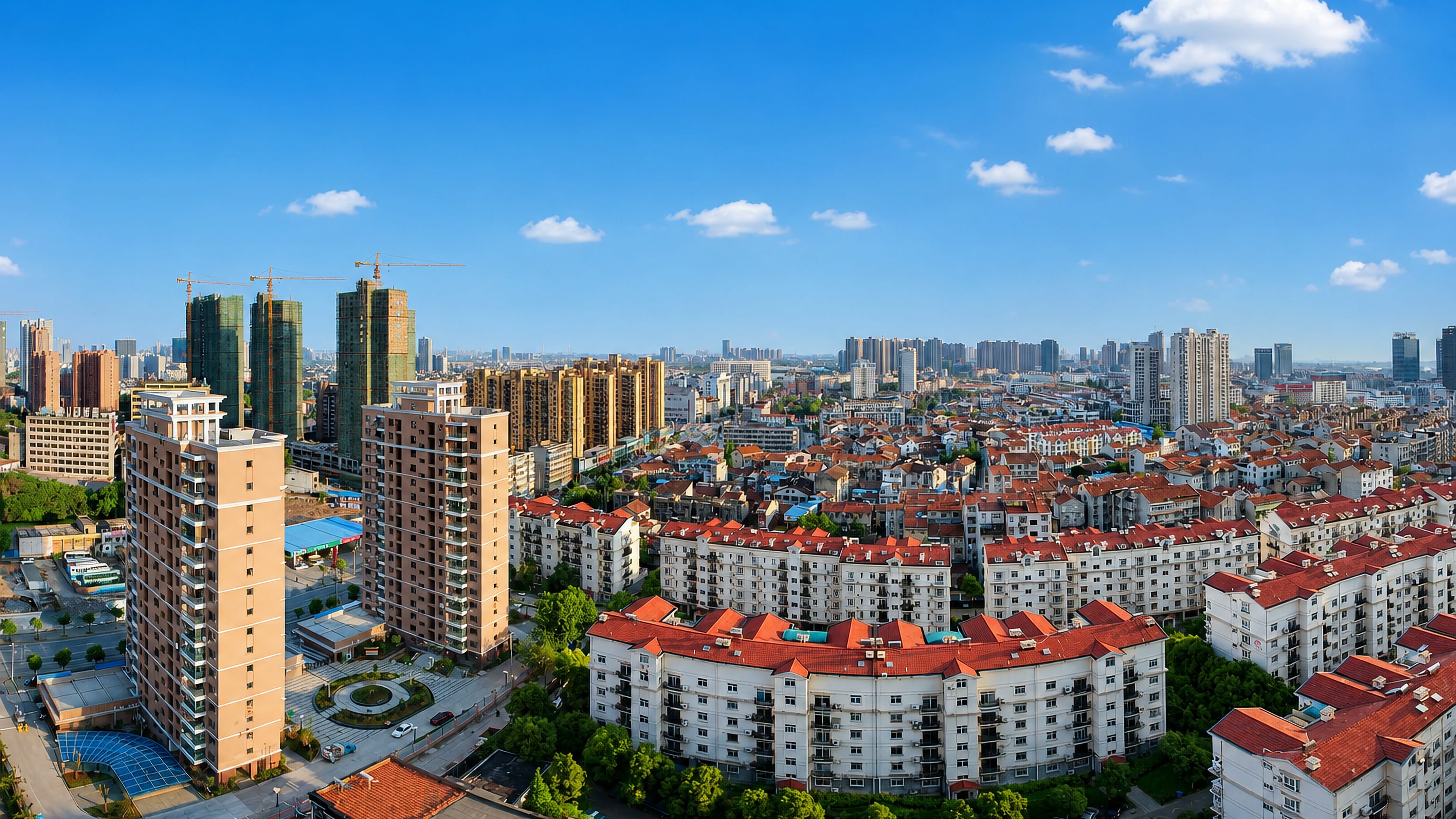
China · Hubei
Where to Stay in Wuhan, Hubei
The Yangtze River splits Wuhan, capital of Hubei and a great river port of central China, known for the Wuhan Yangtze River Bridge.
Hotel links are affiliate links: booking through them may earn us a commission, at no extra cost to you. It never affects how places are ranked. How this works


Where to stay in Wuhan
Where the beds are, and what that means for the visit.
Wuhan's lodging splits across the Yangtze River, the water that made the city three towns in one. On the Wuchang bank, base yourself near the Hubei Provincial Museum and the Wuchang Uprising Memorial, close to the temples and the lake shore that draw most visitors. The Wuhan Yangtze River Bridge ties the sides together.
A short crossing links Wuchang to the old trading front on the far bank. On the Hankou side, the streets around the Hankow Customs House and the Russo-Chinese Bank Building keep the grand facades of the old river port, a district of former banks and consulates near the water. Stay in Hankou for that old-port character.
Travellers drawn to the Guiyuan Temple and the Qingchuan Pavilion tend to base themselves within reach of the Hanyang riverside, the third of the city's historic quarters, where the older temples and pavilions of Wuhan stand back from the busiest streets. The three banks lie close across the bridges.
Find hotels in Wuhan
Direct booking searches for these neighbourhoods.
Wuchang
The Hubei Provincial Museum and the Wuchang Uprising Memorial stand near the lake shore, a short crossing from central Wuhan over the river bridge.Find hotels in WuchangThe old river-port banks and consulatesHankou
The Hankow Customs House and the Russo-Chinese Bank Building line the former trading front of Wuhan on the Yangtze's north bank.Find hotels in HankouHotel links are affiliate links: booking through them may earn us a commission, at no extra cost to you. It never affects how places are ranked. How this works
Things to do in Wuhan
Ranked by global recognition; descriptions from Wikidata (CC0).
Museums & Galleries
3- Hubei Provincial Museum
- Revolution Museum
- Wuhan Art Museum
Churches & Religious Sites
3- Saint Joseph's Cathedral
- Chongzhen Church
- St. Colombo Cathedral
Castles & Historic Sites
1- Panlongcheng Heritage
Landmarks & Notable Places
1- Former HSBC Building (Hankou) Heritage
worth knowingacross 4 categories in Wuhan
About Wuhan
Wuhan is known as the great river city of central China.
What is Wuhan known for?
The Yangtze River runs through its heart, and the meeting of waters made it the largest port and transport hub of Hubei, a place goods and people have long passed through. The Wuhan Yangtze River Bridge carries road and rail across the water in a single span. Alongside it the city keeps the Guiyuan Temple, the Hubei Provincial Museum, and the memory of the Wuchang Uprising.
Water defines it.
What are the main landmarks in Wuhan?
Wuhan's landmarks cluster along the Yangtze River. The Wuhan Yangtze River Bridge carries road and rail across the water, near the Qingchuan Pavilion that looks out over the confluence. On the far banks stand the Guiyuan Temple and the Baotong Temple, both old Buddhist grounds, while the Hubei Provincial Museum holds the region's antiquities.
The city keeps its revolutionary past at the Wuchang Uprising Memorial and its trading past in the Hankow Customs House and the Former HSBC Building. The Qingchuan Pavilion crowns the riverside.
What is the history of Wuhan?
Wuhan grew where the Yangtze River gathers the traffic of central China. Its position on the great waterway made it a natural port and a crossroads for the whole region, drawing trade and settlement to the point where the river towns of Hankou, Hanyang, and Wuchang eventually merged into one. The old walled site of Panlongcheng shows how far back settlement reaches here.
Trade built the city. The modern city carries a heavy weight of recent history. The Wuchang Uprising began here and is remembered at the Wuchang Uprising Memorial, a turning point that echoed across the country.
Foreign merchants left their mark along the Hankou waterfront, where the Hankow Customs House and the Russo-Chinese Bank Building still stand from the era when Wuhan was a treaty port open to river trade. Later the city was tied to national events at the Site of the Nationalist Government in Wuhan, and the Yangtze itself is marked by the Wuhan 1954 Flood Memorial, a reminder of how the river has shaped every chapter of the place.
Where is Wuhan?
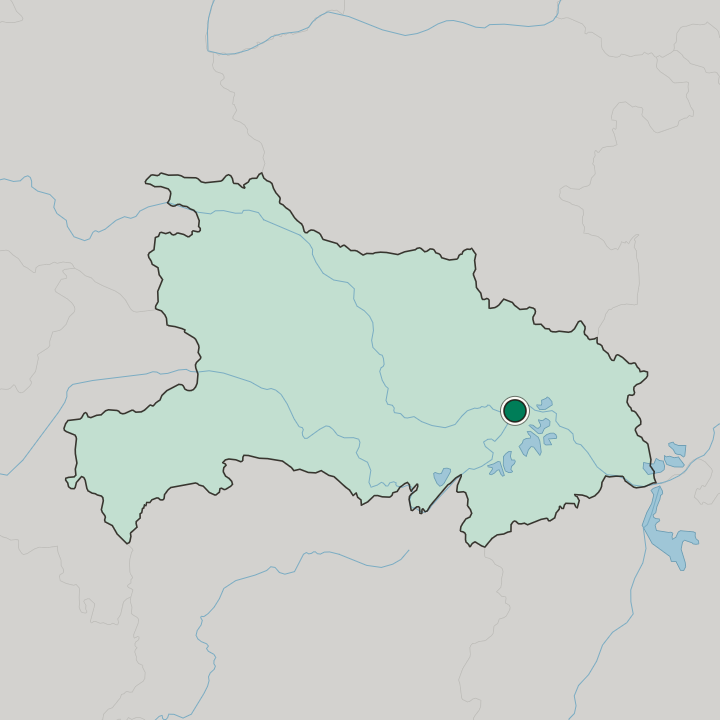
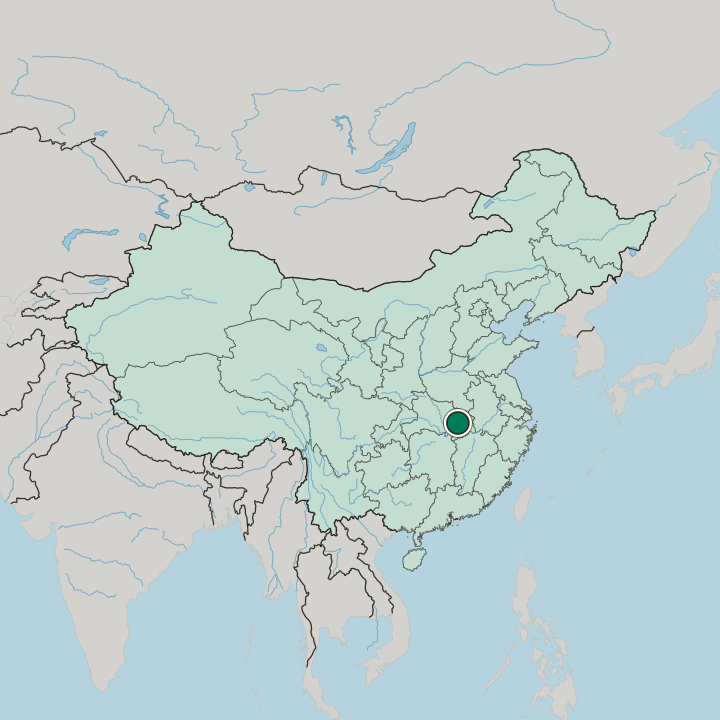
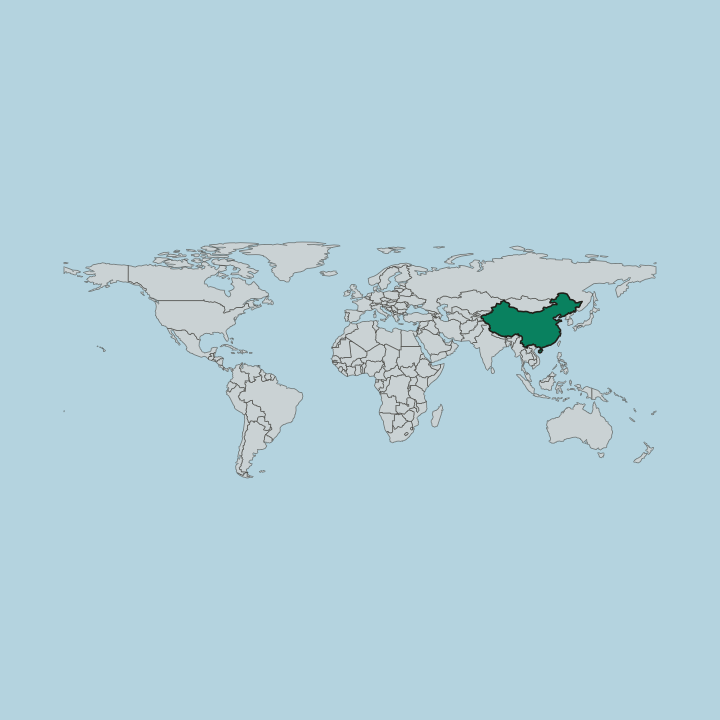
Wuhan lies where the Yangtze River runs through the middle reaches of central China, the capital of Hubei set on low, water-laced ground. The great river cuts the city into separate banks, joined by the Wuhan Yangtze River Bridge, and lakes and channels thread the flat land between them. This is river-plain country.
The Yangtze gathers the drainage of a vast basin here and carries it on, so the water is never far off in any part of the city, and the lakes that dot Wuhan give it more shoreline than most inland places hold.
What is the climate of Wuhan?
Wuhan has a humid, strongly seasonal climate shaped by the Yangtze River basin. Summers turn long, hot, and muggy over the river plain, and winters run cold and damp, with a wide swing between the two across the year. Spring brings the wet season.
Sitting low on the water in the middle reaches of the Yangtze, the city holds heat and moisture through the summer months in a way its inland river setting makes almost unavoidable.
How do you get to Wuhan?
Wuhan sits at the crossing of routes in central China, long called the thoroughfare of the region. Rail lines and roads converge on the capital of Hubei from every direction, and the Yangtze River carries traffic through it as it has for centuries, joined bank to bank by the Wuhan Yangtze River Bridge. Most long-distance visitors arrive by fast train or by air.
The rest come by river. From either gateway, the run into the riverside districts is short, putting the old customs quarter and the museums within easy reach.
Common questions
What is the best area to stay in Wuhan?
Wuchang: Museums and temples on the Yangtze's south-east bank. Hankou: The old river-port banks and consulates.
Good for
More cities in Hubei
Updated September 2026