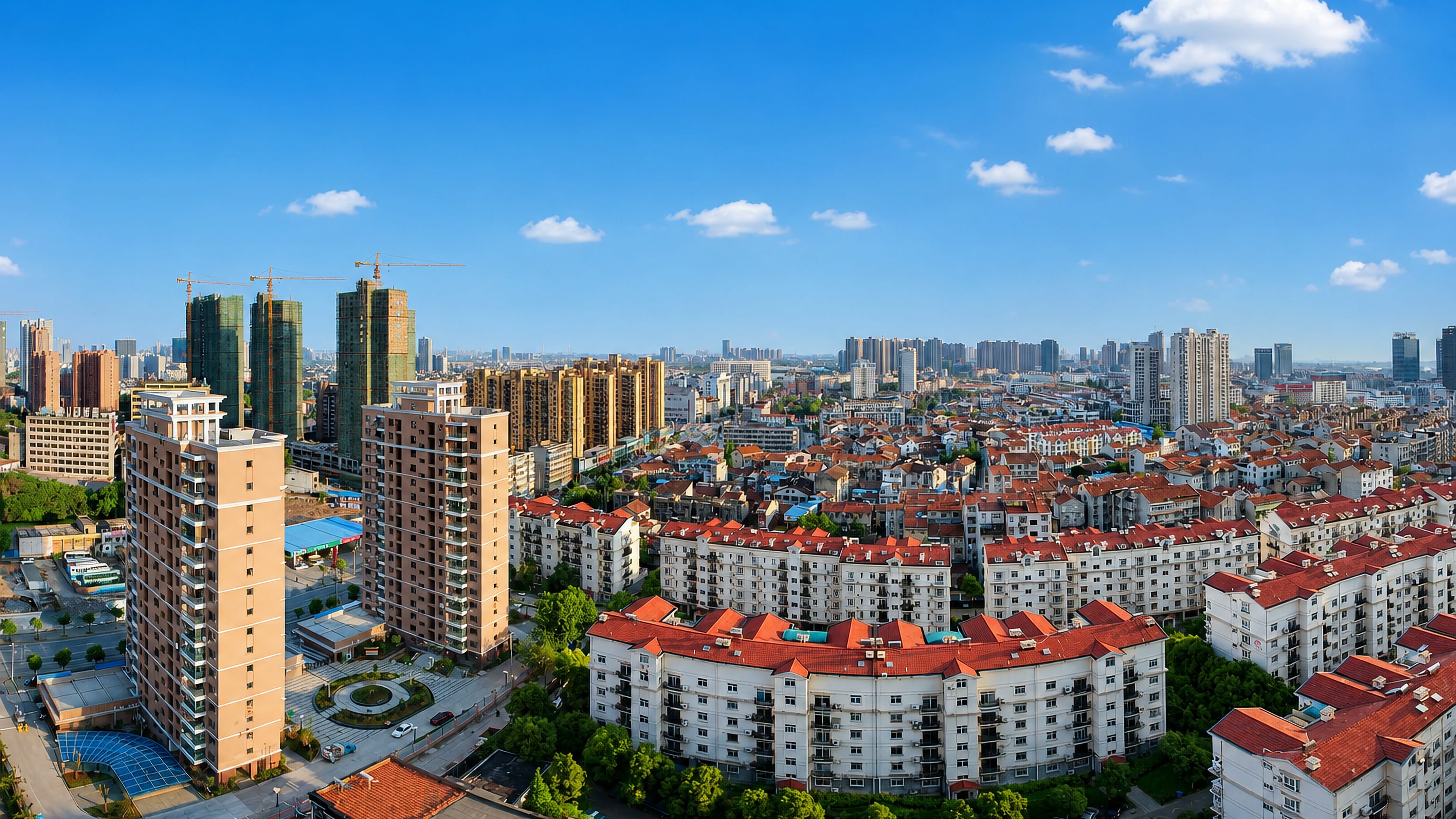
China
Hubei, China — Towns & Travel Guide
Hubei is a province of central China where the Yangtze and the Han rivers meet at Wuhan, its capital.
Hotel links are affiliate links: booking through them may earn us a commission, at no extra cost to you. It never affects how places are ranked. How this works


Towns & cities in Hubei
Pick a town or city — each links to where to stay.
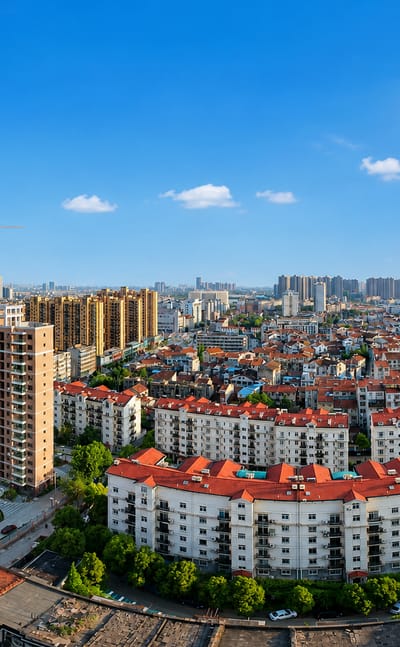
 China
China
Wuhan
The Yangtze River splits Wuhan, capital of Hubei and a great river port of central China, known for the Wuhan Yangtze River Bridge.Where to stay →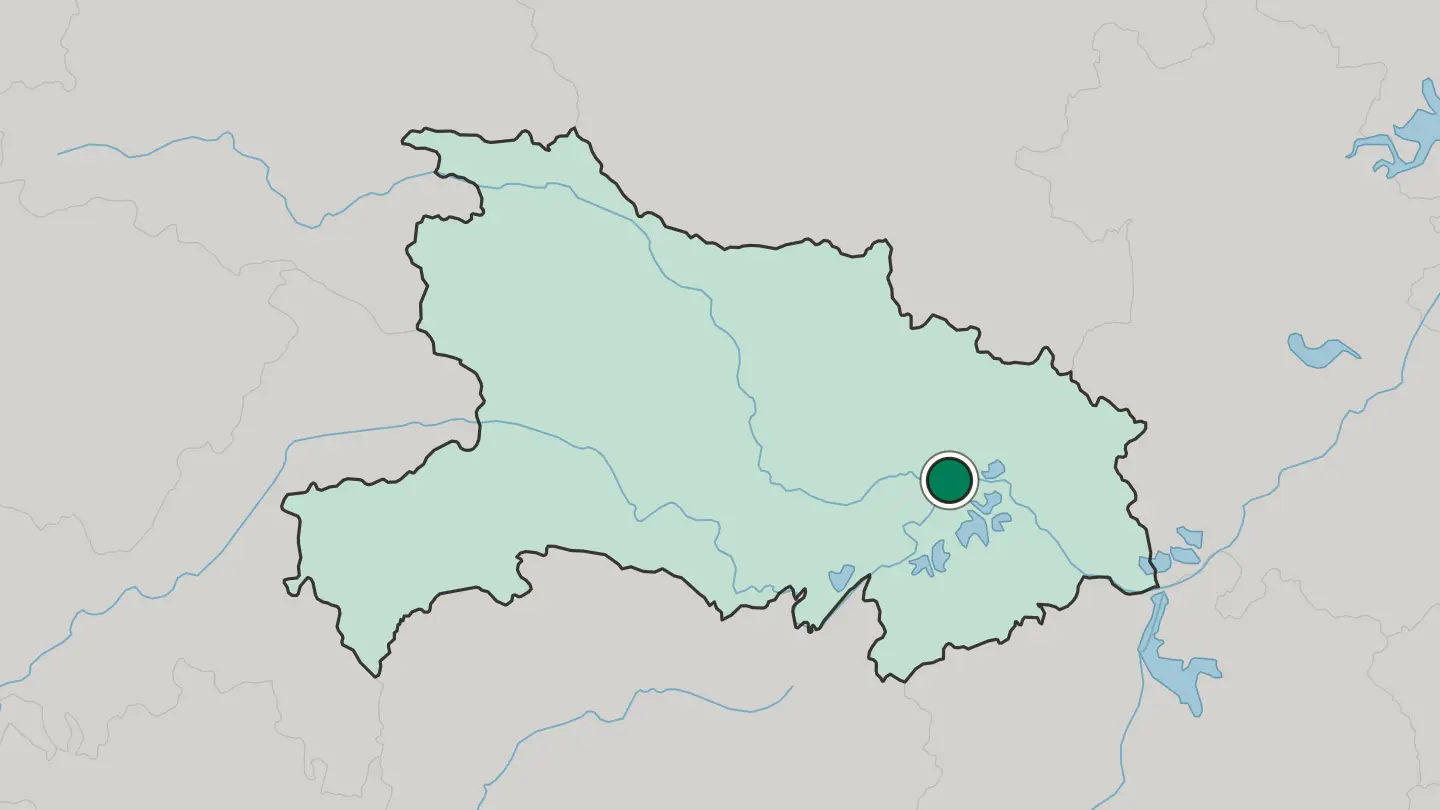
 China
China
Shiyan
Shiyan is a car-making city in the mountains of northwest Hubei, China, below the sacred Taoist peaks of Wudang.Where to stay →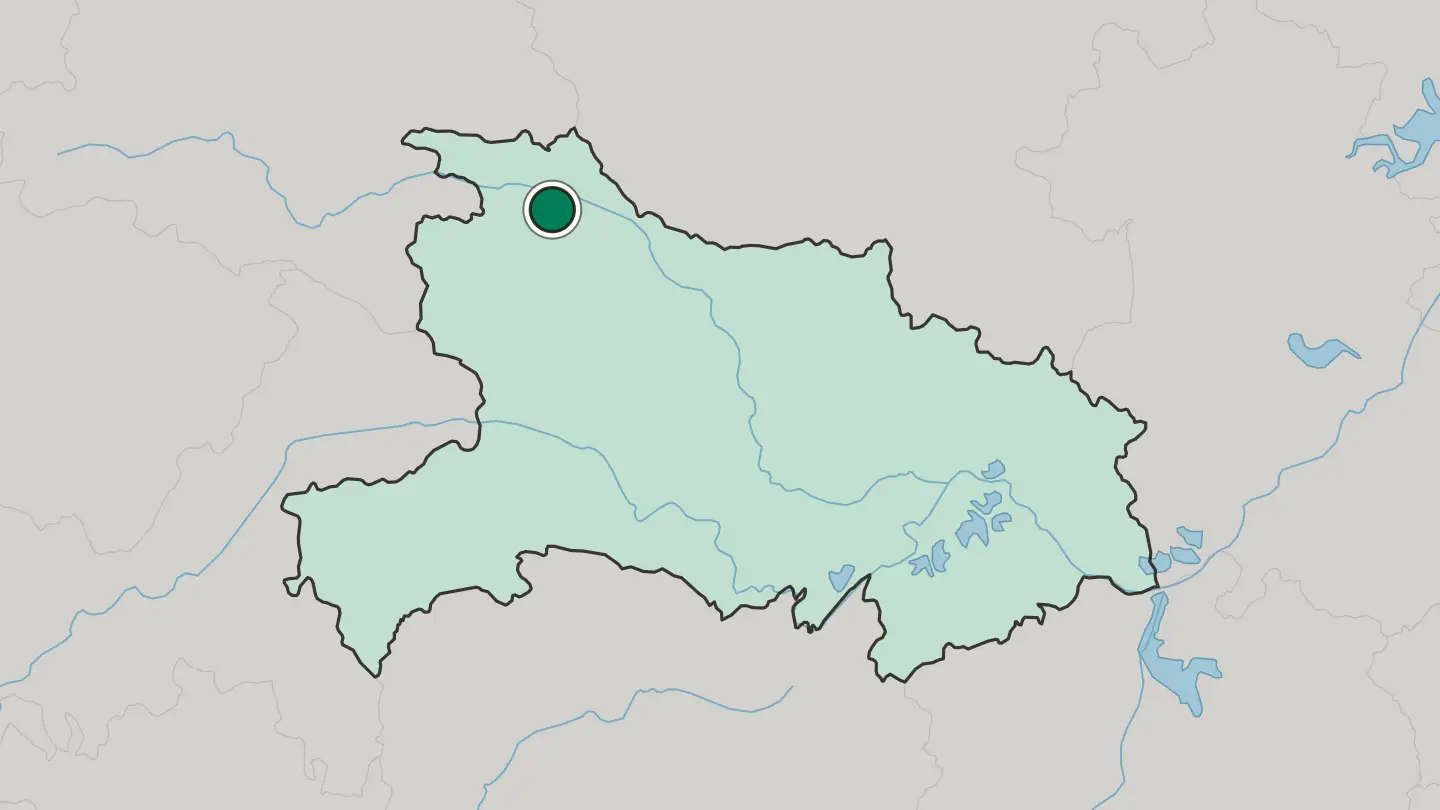
 China
China
Yichang
Yichang is a city on the Yangtze in Hubei, China, at the mouth of the Three Gorges and beside the great dam that spans the river.Where to stay →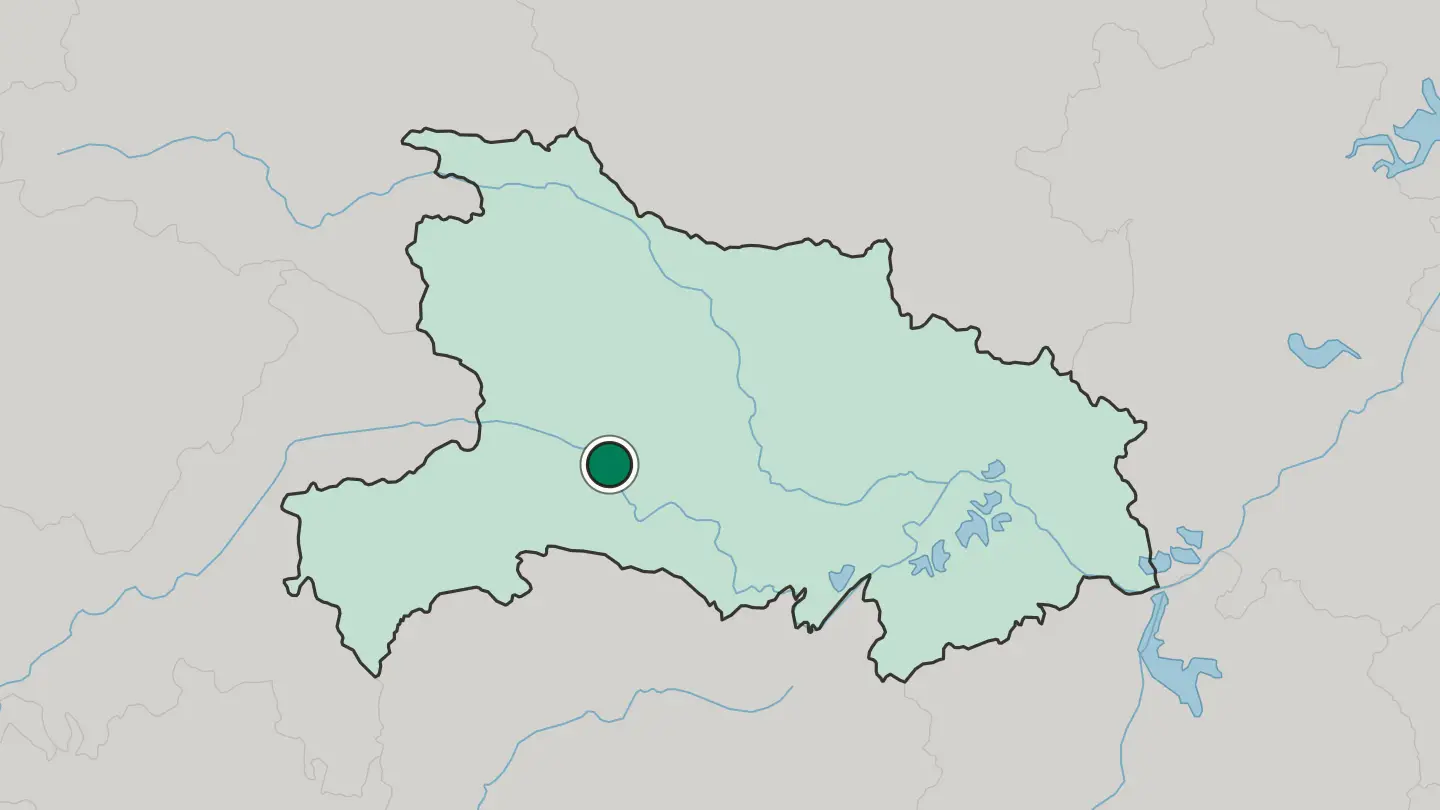
 China
China
Xiangyang
Xiangyang is an ancient walled city on the Han River in Hubei, central China, famed in the age of the Three Kingdoms.Where to stay →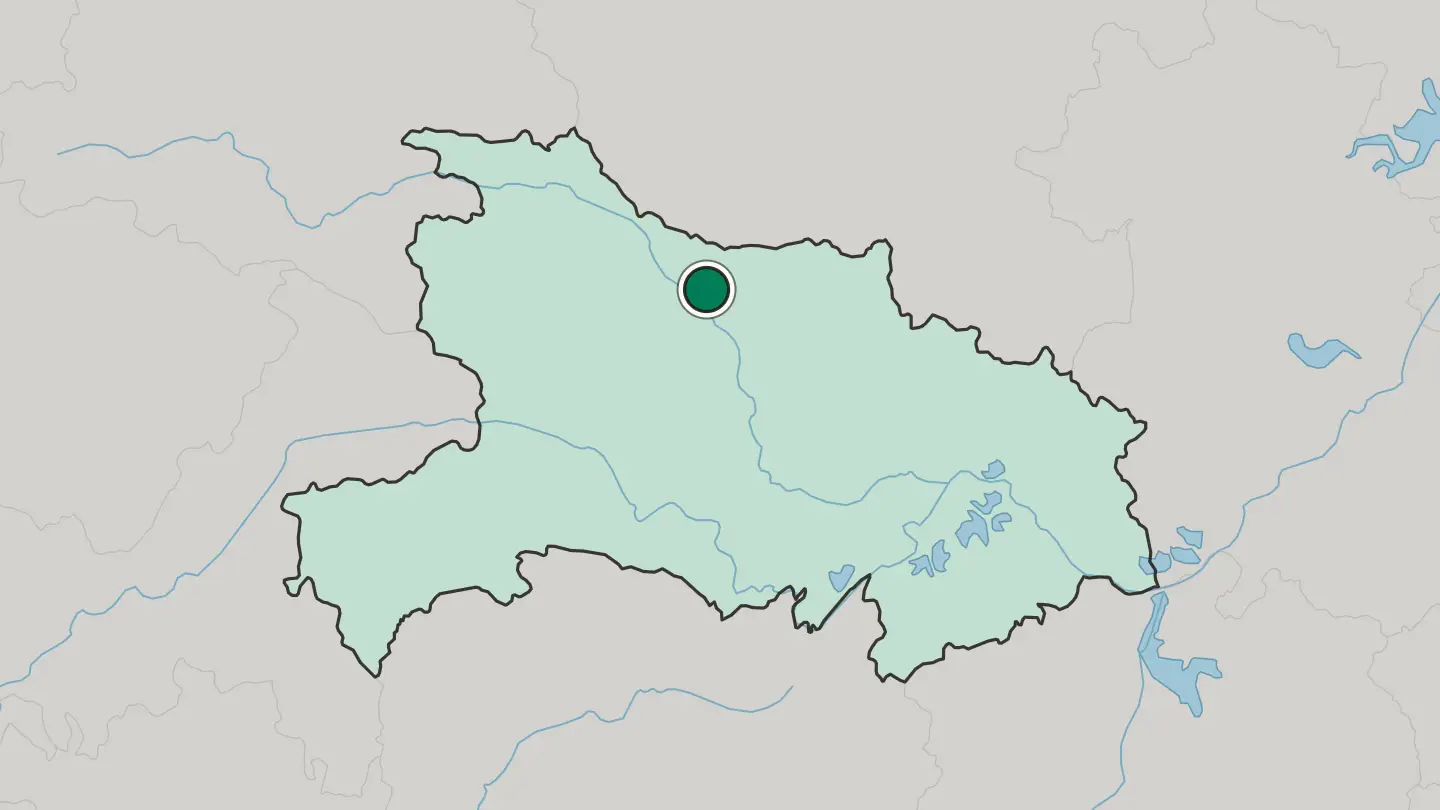
 China
China
Jingzhou
Jingzhou is an ancient walled city on the Yangtze in Hubei, China, the old heartland of the Chu kingdom and a fortress of the Three Kingdoms.Where to stay →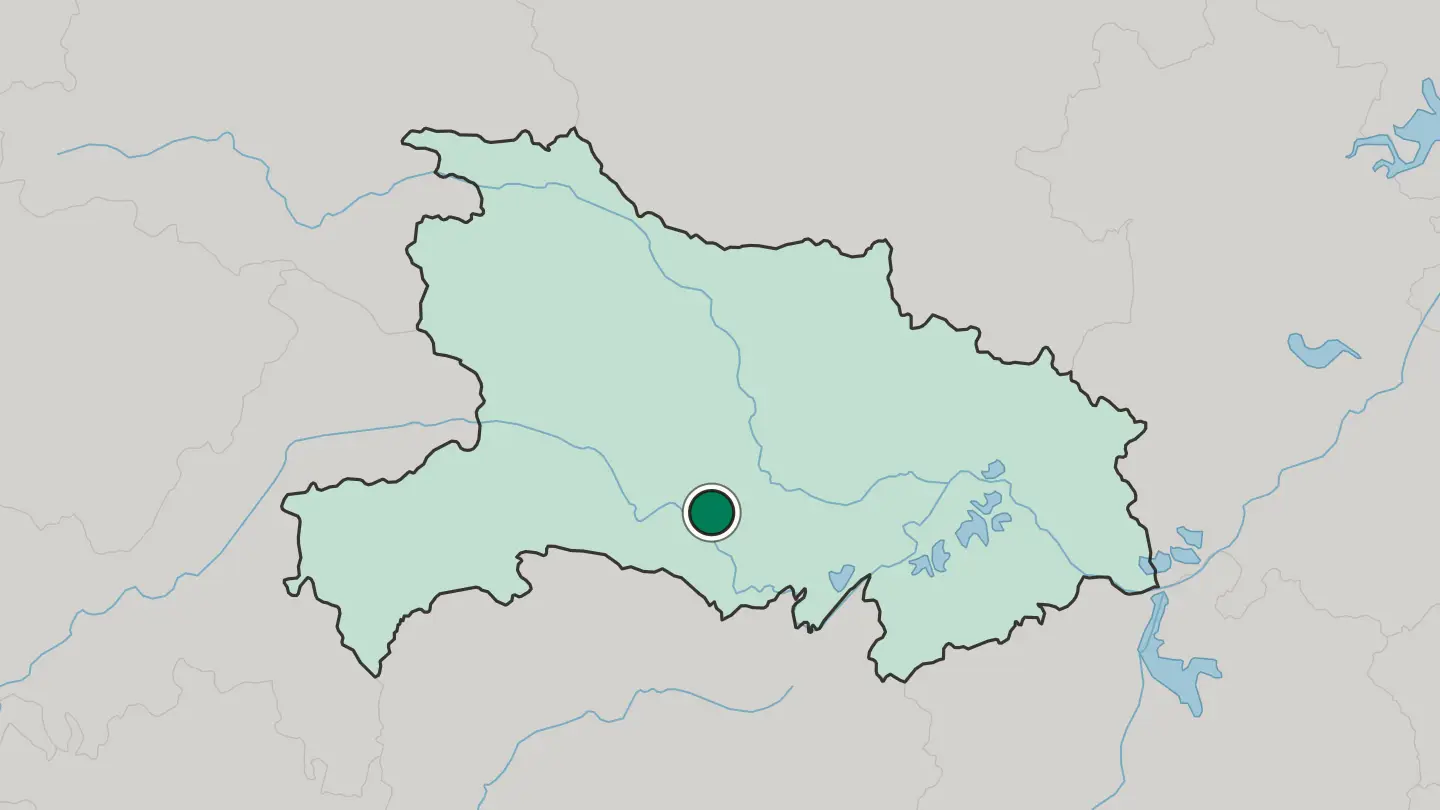
Hotel links are affiliate links: booking through them may earn us a commission, at no extra cost to you. It never affects how places are ranked. How this works
About Hubei
Rivers made this place.
What is Hubei known for?
Hubei sits in central China on the middle Yangtze, and its name means north of the lake, a nod to Dongting Lake just over the southern border. The Yangtze and the Han meet at Wuhan, the provincial capital and the great river-crossing city that grew up where the two waters join. West of there the land climbs into the mountains around Shennongjia and toward the Three Gorges Dam near Yichang, the largest hydroelectric project ever built.
Wuhan is the anchor for almost every visit.
Where is Hubei?
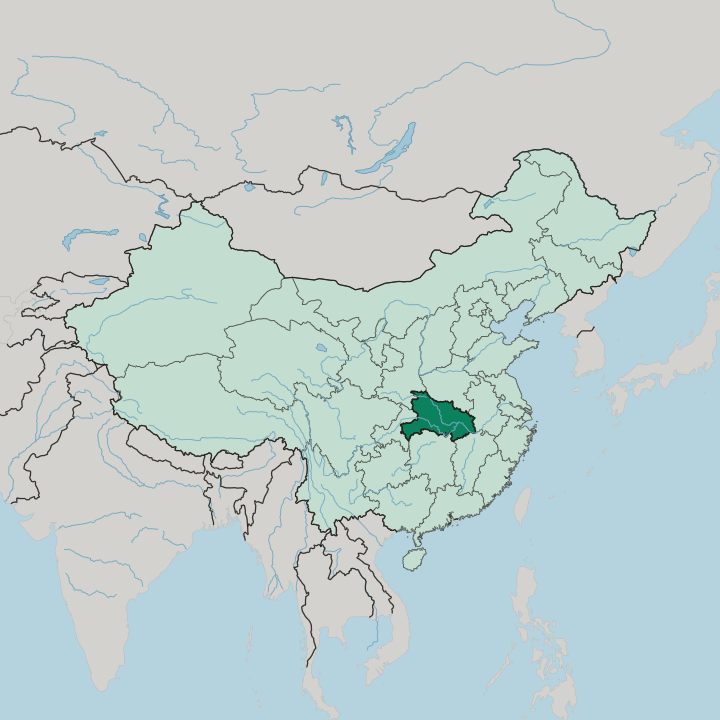
Hubei lies in central China, straddling the middle course of the Yangtze. Its name means north of the lake. That lake is Dongting Lake, which sits just across the province's southern edge, in neighbouring Hunan.
The land divides plainly between a low, water-laced east and a mountainous west. Across the eastern half runs the Jianghan Plain, a broad expanse of paddy, canals and lakes named for the two rivers that shape it, the Yangtze and the Han. The Yangtze enters from the west through the last of the Three Gorges, near Yichang, and the Han comes down from the northwest through Xiangyang.
The two meet at Wuhan, roughly in the middle of the province, and Wuhan grew up on that junction as a river-port and crossing point. West of the plain the country rises sharply. The peaks around Shennongjia carry some of the oldest forest in central China, and the Wudang Mountains stand to the northwest.
Hunan lies to the south beyond Dongting Lake, Chongqing to the west, Shaanxi to the northwest, and Henan to the north. Water, more than any border, has always ordered this province.
What is Hubei like?
Hubei is the heartland of old Chu culture. More than two thousand years ago the powerful State of Chu held this stretch of the middle Yangtze, and its poetry, bronzes and lacquerware still stand behind the way the province sees itself. That inheritance turns up in the museums of Wuhan, where the bells and jade of Chu tombs are among the great treasures of central China.
Food carries the river country in it. Hubei cooking leans on freshwater fish, lotus root from the lakes of the Jianghan Plain, and steaming rather than the heavy chilli of provinces further west. In Wuhan the signature is hot dry noodles, tossed with sesame paste and eaten standing up at breakfast, a dish born in the city's streets.
The mountains keep a different culture again. Up in the Wudang Mountains, the Taoist temple complex has drawn pilgrims and martial artists for centuries, and its slow sword forms are known across China. Mandarin is the everyday language, spoken in a distinct Wuhan accent along the rivers.
River and mountain pull the province two ways, and both belong to it.
What is the history of Hubei?
This land was the core of the State of Chu, which by the Warring States centuries controlled much of the middle Yangtze before Qin armies took its heartland in 278 BC. In the Three Kingdoms era the same rivers made Hubei the ground that rival warlords fought over, and towns like Xiangyang changed hands again and again. Its most famous hour came far later.
On 10 October 1911 the Wuchang Uprising broke out in what is now Wuhan, touching off the revolution that ended the Qing dynasty and China's imperial age. From that garrison mutiny grew the Republic of China.
What is the climate of Hubei?
The monsoon rules here. Hubei has a humid subtropical climate, and summers on the Jianghan Plain are long, wet and fierce, with Wuhan counted among China's furnace cities where the air along the Yangtze turns heavy for weeks. The rains come with that heat, so most of the year's water falls in the warm months.
Winters are cool and damp rather than deeply cold. Up in the western mountains around Shennongjia the summers stay cool, which is exactly why lowland travellers climb to them each year. Spring and autumn are kinder.
How do you get to Hubei?
Most travellers come through Wuhan. The capital's Tianhe airport is the busiest in central China, and the city is one of the country's great rail crossroads, with high-speed lines fanning out in every direction from a place long called the thoroughfare of nine provinces. Trains reach Yichang in the west for the Three Gorges Dam and Xiangyang in the north on the Han.
The Yangtze itself is a route as much as a river, and cruises run through the gorges past the dam. From Wuhan, road and rail thread out to the mountains and the plain alike.
Common questions
What is the best area to stay in Hubei?
Wuhan: the natural landing point for Hubei. Yichang: the Three Gorges and river cruises. Xiangyang: the Han river country and its ancient walls. Shennongjia: cool mountain air and old forest.
Good for
More regions in China
Updated October 2026