China · Hunan
Where to Stay in Zhuzhou, Hunan
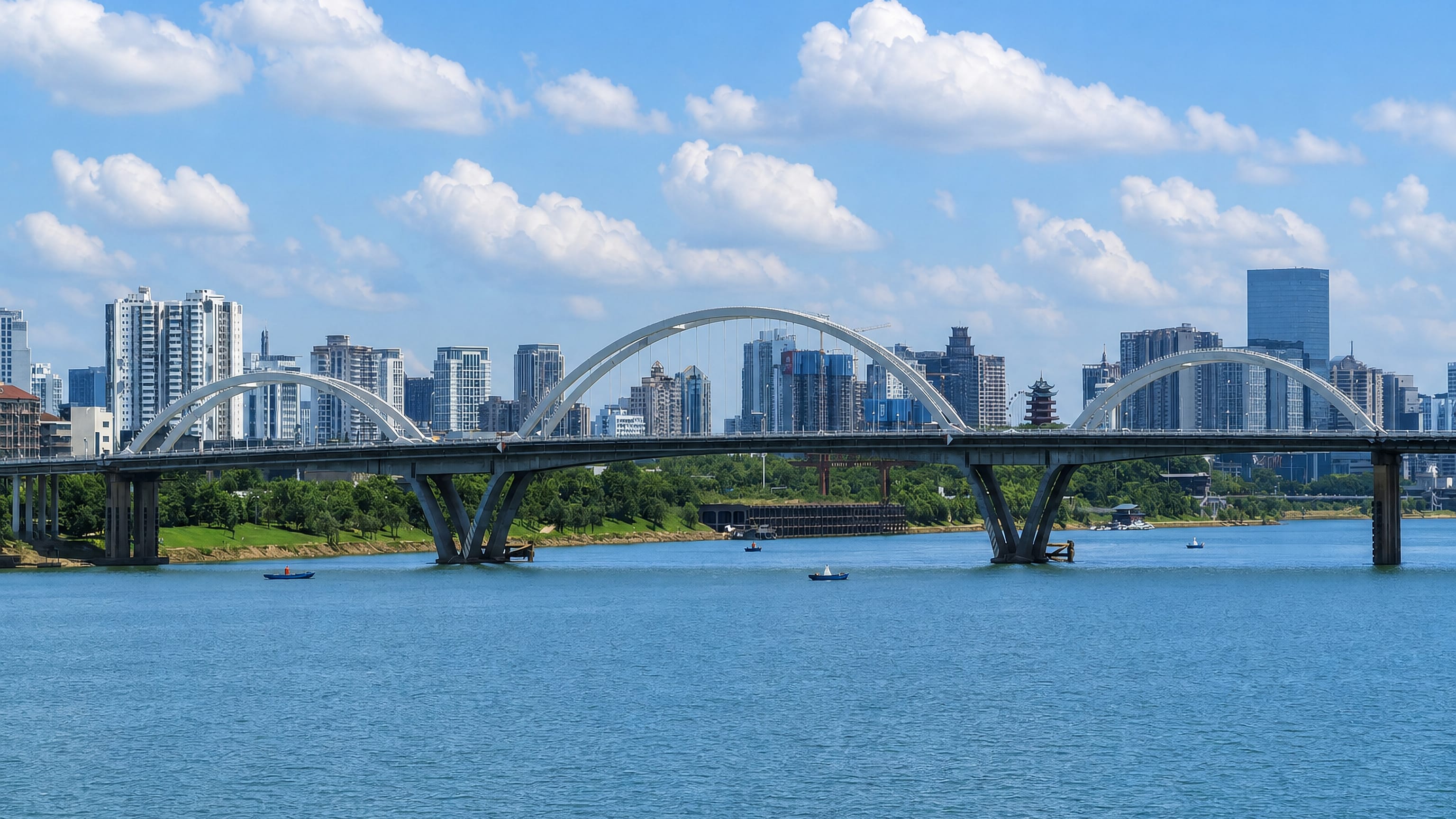
Zhuzhou straddles the Xiang River in Hunan, a prefecture-level city once called Jianning and holding the Mausoleum of Emperor Yan.
Hotel links are affiliate links: booking through them may earn us a commission, at no extra cost to you. It never affects how places are ranked. How this works


Where to stay in Zhuzhou
Where visitors usually base themselves, and why.
The Xiang River splits Zhuzhou, and that is the first thing a booking has to reckon with. A city straddling its river has two banks of rooms, and the Lujiang Bridge is the sort of crossing that decides whether a morning starts with a walk or with traffic. Changsha is close.
Zhuzhou belongs to the Greater Changsha Metropolitan Region, so anyone whose plans reach the provincial capital can treat the two cities as a single pool of beds rather than two separate ones. Nine subdivisions is a lot of prefecture. Five counties and four districts spread the listed sites so far apart that the Mausoleum of Emperor Yan, the Ancient City Wall of Chaling and the Liling Kiln each argue for a different base.
Pick the theme first. A porcelain trip belongs near Liling, while a visitor following the Sites of Xiangnan Uprising or the Sites of Hunan-Jiangxi Revolutionary Base is working a different part of the prefecture again. The academy anchors the middle.
Lujiang Academy and the Former Residence of Li Lisan give the urban core its own case, which suits a short stay unwilling to leave the Xiang River behind.
Find hotels in Zhuzhou
Direct booking searches for these neighbourhoods.
The Xiang River banks
Zhuzhou straddles the Xiang River, so a bank-side room settles which side of the Lujiang Bridge a morning begins on.Find hotels in The Xiang River banksVisits built on the Liling Kiln and the Qunli porcelain worksThe Liling porcelain ground
Zhuzhou's porcelain heritage carries the Liling name, and basing there holds the kiln and the factory inside one day instead of two. Lodging is scarce in this area; reserve in advance.Find hotels in The Liling porcelain groundTravellers heading for the Mausoleum of Emperor Yan and the Chaling wallThe Chaling and Emperor Yan side
The Mausoleum of Emperor Yan and the Ancient City Wall of Chaling are the oldest entries on Zhuzhou's register, and reaching both from the river bank costs more of a day than staying nearer does. Beds are limited here, so book early.Find hotels in The Chaling and Emperor Yan sideHotel links are affiliate links: booking through them may earn us a commission, at no extra cost to you. It never affects how places are ranked. How this works
About Zhuzhou
Zhuzhou carries an older name too.
What is Zhuzhou known for?
Zhuzhou was called Jianning in ancient times, and the prefecture that carries the newer name straddles the Xiang River with five counties and four districts under its authority. Porcelain and an emperor's tomb share the billing. The Mausoleum of Emperor Yan sits inside the same prefecture as the Liling Kiln and the Former Liling Qunli Porcelain Factory, which gives Zhuzhou a heritage list running from antiquity to the works.
What are the main landmarks in Zhuzhou?
Twelve entries, and no single theme. The Mausoleum of Emperor Yan and the Wangling Tombs are burial ground, while the Ancient City Wall of Chaling and the Moshan Site belong to an older register again. Lujiang Academy and Lujiang Bridge carry the civil face.
Porcelain has two entries of its own in the Liling Kiln and the Former Liling Qunli Porcelain Factory, and the Former Residence of Li Lisan stands beside the Sites of Xiangnan Uprising and the Sites of Hunan-Jiangxi Revolutionary Base.
What is the history of Zhuzhou?
Zhuzhou answered to another name once. Jianning is what the record gives for the city in ancient times, and a place that changes its name has usually changed its role along with it. The tombs go back further.
The Wangling Tombs and the Moshan Site put burial and settlement on this stretch of the Xiang River before either name was in use, and the Mausoleum of Emperor Yan attaches an imperial name to the same ground. A wall survives at Chaling, listed as the Ancient City Wall of Chaling and dating from when a town's defences were its outline. Kilns gave the prefecture a trade.
The Liling Kiln and the Former Liling Qunli Porcelain Factory record the making of porcelain across two very different periods, one of them industrial. Learning had its building too. Lujiang Academy stands for the scholarly side, and Lujiang Bridge stands for the crossing that let the Xiang River be treated as one city rather than two.
The twentieth century is heavily represented. The Former Residence of Li Lisan and the Sites of Xiangnan Uprising are listed alongside the Sites of Hunan-Jiangxi Revolutionary Base and the sites recording where Mao Zedong set up a party organization at Shuikou. Zhuzhou's recent past sits on the register beside its tombs.
Where is Zhuzhou?
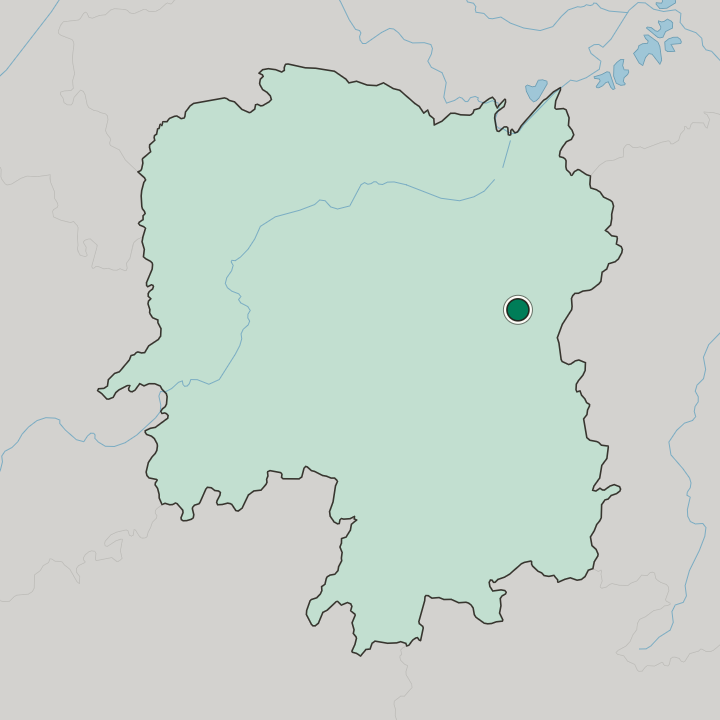
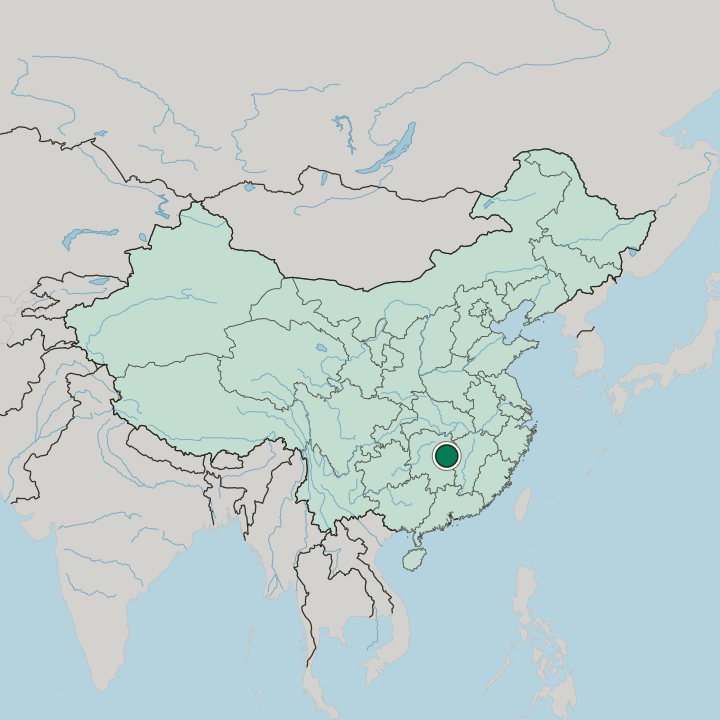
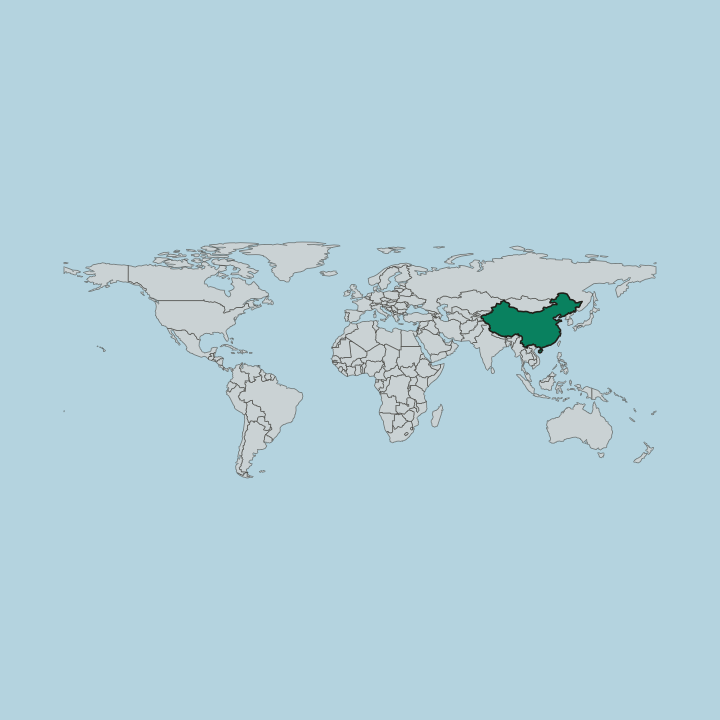
The Xiang River runs through the middle of Zhuzhou. The city lies southeast of Changsha, the provincial capital, and Jiangxi province begins at the prefecture's eastern boundary, which puts it between a capital and a provincial border. Five counties and four districts share the ground.
Zhuzhou counts as one of the core cities in the agglomeration of the middle reaches of the Yangtze River.
What is the climate of Zhuzhou?
The Xiang River carries the damp through Zhuzhou. A subtropical prefecture built along a river of that size takes its moisture from the water, and the city that straddles it feels the effect on both banks rather than on one. Humidity is the rule.
Anyone travelling on from Changsha will meet the same conditions, since both cities belong to the Greater Changsha Metropolitan Region and share the same stretch of Hunan.
How do you get to Zhuzhou?
Changsha is the reference point. Zhuzhou lies southeast of the provincial capital inside the Greater Changsha Metropolitan Region (also called the Changzhutan Golden Triangle), so most arrivals in Hunan pass through that relationship before reaching the Xiang River. The bridge matters locally.
Lujiang Bridge is the crossing a city straddling its river depends on, and the Jiangxi border on the eastern side is where an approach from the next province begins.
Common questions
What is the best area to stay in Zhuzhou?
The Xiang River banks: Stays that want the Lujiang Bridge and the crossing at hand. The Liling porcelain ground: Visits built on the Liling Kiln and the Qunli porcelain works. The Chaling and Emperor Yan side: Travellers heading for the Mausoleum of Emperor Yan and the Chaling wall.
More cities in Hunan
Updated September 2026