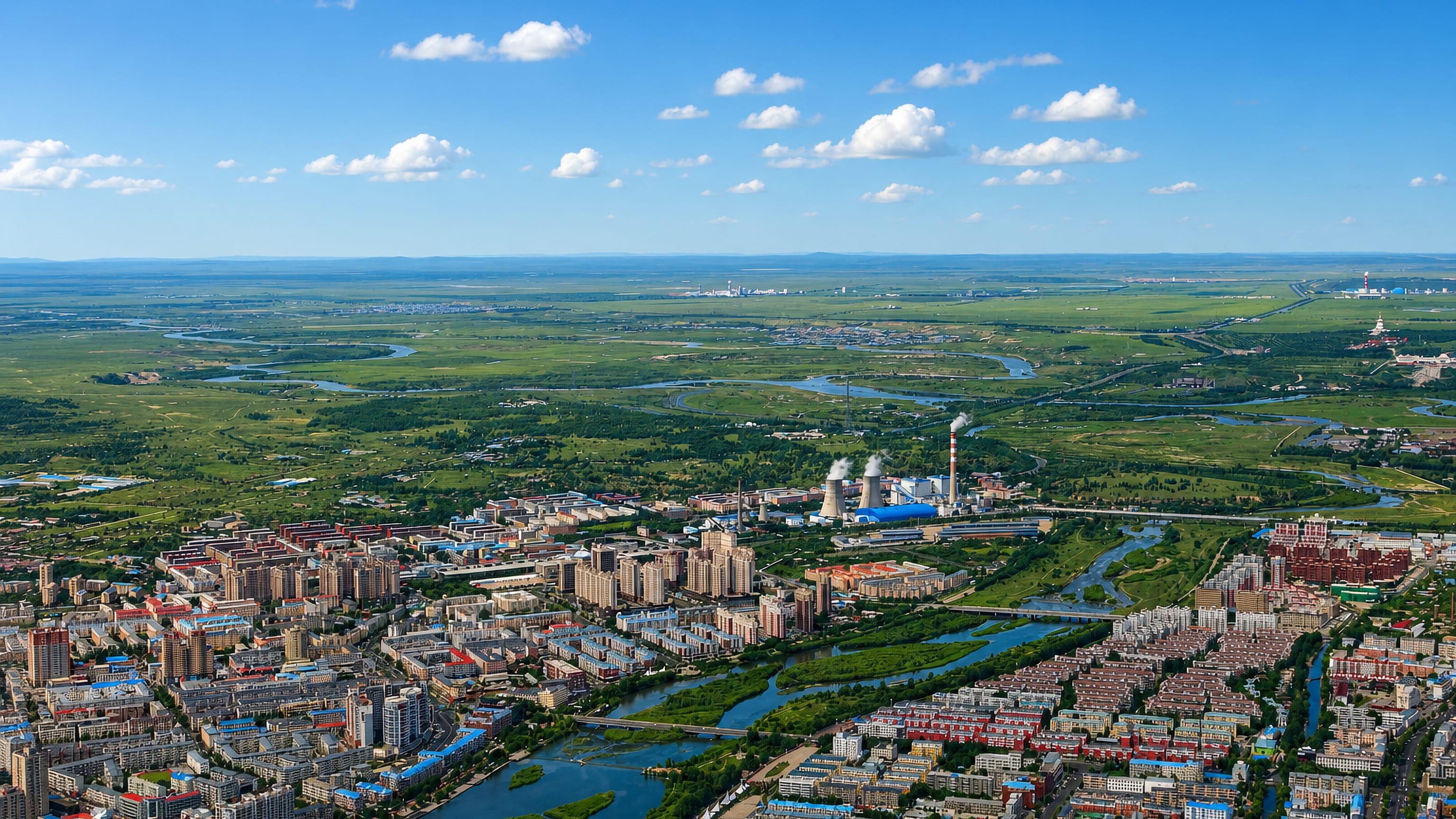
China · Inner Mongolia Autonomous Region
Where to Stay in Hailar, Inner Mongolia Autonomous Region
Hailar is the urban district that serves as the seat of Hulunbuir, a prefecture-level city of the Inner Mongolia Autonomous Region in China.
Hotel links are affiliate links: booking through them may earn us a commission, at no extra cost to you. It never affects how places are ranked. How this works


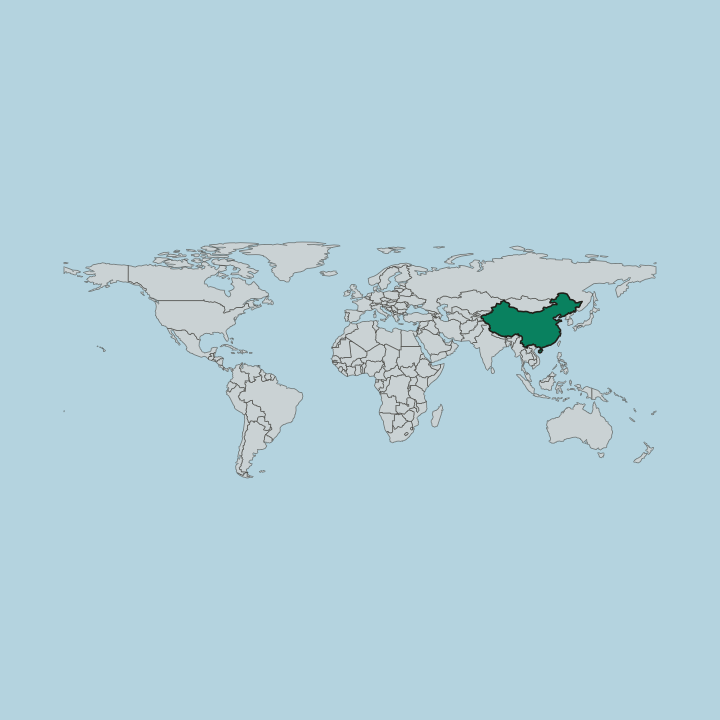
Where to stay in Hailar
Where visitors usually base themselves, and why.
Beds here follow the offices. Hailar functions as the administrative seat of Hulunbuir, and that is the practical anchor for a stay, because the district's rooms gather where its business does rather than around a heritage quarter that the three named sites do not actually form. Hake Site is the outlier.
A room chosen for its approach answers a different trip from one chosen for the seat, and across a district that spreads well past its built-up core the two are not interchangeable. The cemeteries shift the calculation again. Tuanjie Cemetery and Xar Tal Cemetery are the other recorded places, and a stay pitched toward either reads as a remembrance or research visit rather than a sightseeing one, which is reason enough to book away from the centre.
Longer stays favour the seat. If you are working across Inner Mongolia and using Hailar as the base from which Hulunbuir is reached, the offices, the through traffic and the services that come with seat status all argue for a central room, and the outlying sites turn into day trips instead of doorstep attractions. Nothing here rewards a scattered booking.
The district gives one obvious centre and a short list of reasons to leave it, so the sensible pattern is a single central base held for the whole stay, with the archaeological ground of China's far northern prefecture taken in daylight and by vehicle.
Find hotels in Hailar
Direct booking searches for these neighbourhoods.
The Hulunbuir seat quarter
The part of Hailar holding the prefecture-level seat's offices and the services that follow themFind hotels in The Hulunbuir seat quarterStays built around Hake Site instead of around the officesThe Hake Site approach
The side of the district nearest Hailar's one heritage entry that is not a burial groundFind hotels in The Hake Site approachRemembrance visits taking in Tuanjie Cemetery and Xar Tal Cemetery togetherToward the Xar Tal ground
The outlying ground where Hailar's two recorded burial sites sit, off the seat's streetsFind hotels in Toward the Xar Tal groundHotel links are affiliate links: booking through them may earn us a commission, at no extra cost to you. It never affects how places are ranked. How this works
About Hailar
Administrative business explains most visits here.
What is Hailar known for?
Hailar serves as the seat of the prefecture-level city of Hulunbuir, and that role, rather than any single monument, is what brings most people through the district in the first place. The heritage here is archaeological. Hake Site, Tuanjie Cemetery and Xar Tal Cemetery are the named places the district carries, and each belongs to the record of earlier settlement rather than to any built skyline of the Inner Mongolia Autonomous Region.
What are the main landmarks in Hailar?
The named list is short. Hake Site sits alongside Tuanjie Cemetery and Xar Tal Cemetery, and between them those three account for everything the district records as a landmark in its own right. Two of the three are burial grounds.
That balance says something plain about Hailar, since the interest lies in what earlier settlement left in the ground rather than in a standing monument dominating the streets of Hulunbuir's seat.
What is the history of Hailar?
Hailar's past sits largely under the ground. Hake Site, Tuanjie Cemetery and Xar Tal Cemetery are the three heritage entries the district carries, and burial grounds of that kind record settlement here well before any of the administrative titles in use. None of the three carries a date.
No founding year attaches to Hailar, so its sequence runs from what those sites imply toward what the administrative record fixes. The titles came later. Hailar District is what the record calls it, and the county-level city that carried the name earlier became one component of the prefecture-level city of Hulunbuir under the reorganisation that produced the title.
Seat status followed the change. The district became the administrative centre of Hulunbuir, which is a different claim from being its oldest or its largest quarter, and the offices have anchored Hailar's role ever since. Hailar District is the official written form.
Those characters carry the district designation directly, so the paperwork of the Inner Mongolia Autonomous Region separates Hailar from the wider prefecture whose seat it holds. The record thins from there. What is documented amounts to an outline, three archaeological sites, one change of administrative rank, and a seat that ties the district to the whole of Hulunbuir and, through that, to this corner of China.
Where is Hailar?
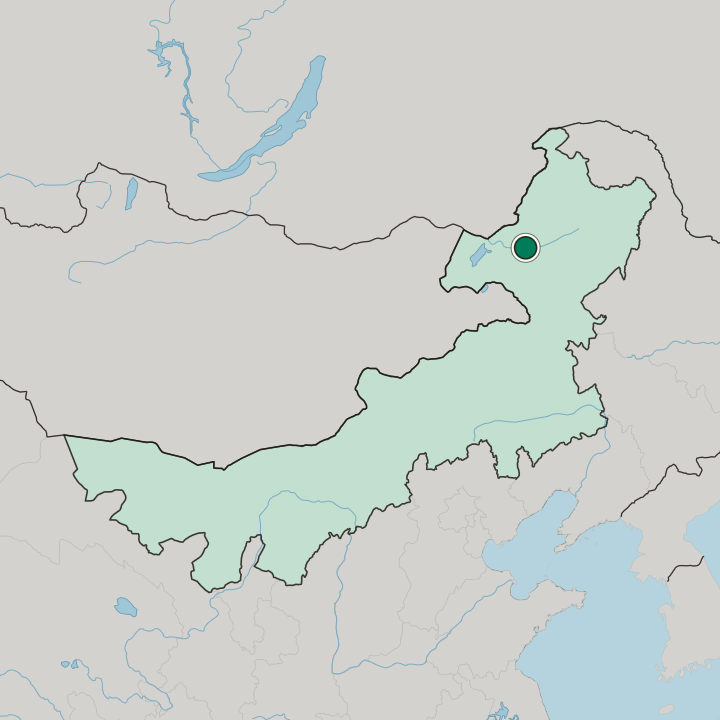
Hailar covers more ground than a town centre suggests. The district's administrative area runs well past the streets around the seat, which is ordinary for an urban district inside a prefecture-level city, and it puts open country within the same boundary as the offices of Hulunbuir. Temperate is the band it falls in.
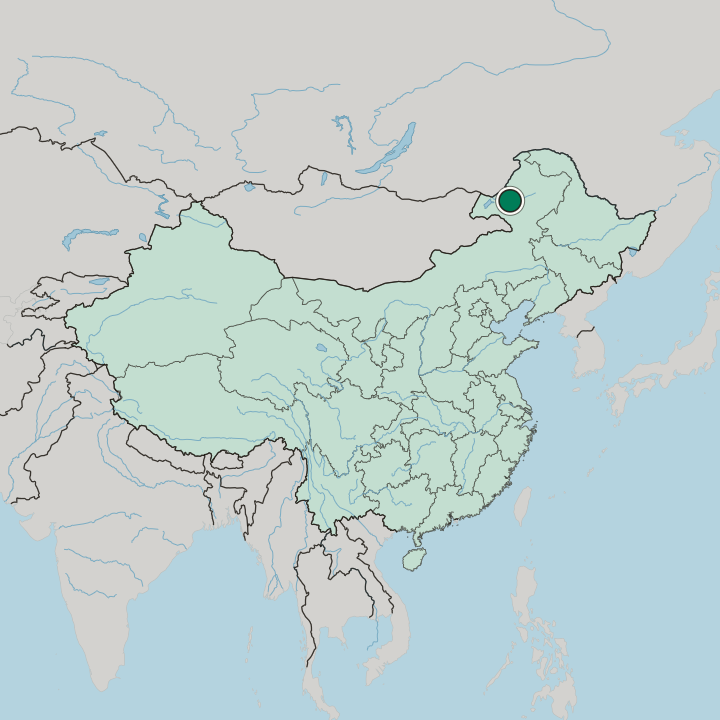
The Inner Mongolia Autonomous Region sets the wider frame, and Hailar's place within Inner Mongolia is fixed by administration rather than by any river or ridge the record troubles to name.
What is the climate of Hailar?
The year runs on the northern calendar. Hailar lies in the temperate band of the northern hemisphere, so its warm months fall in the middle of the calendar rather than at either end of it. That ordering matters here.
Hake Site, Tuanjie Cemetery and Xar Tal Cemetery are open ground, and a visit to any of them is a different proposition in the mid-year weeks than at the edges of the year in Hulunbuir.
How do you get to Hailar?
Arriving means arriving in Hulunbuir. Hailar is the seat of that prefecture-level city, so movement into this part of the Inner Mongolia Autonomous Region is organised around the district whether or not it is the final stop of a journey. Onward legs are a prefecture matter.
Distances inside Hulunbuir decide the shape of a day far more than anything inside Hailar does, since the administration reaches across ground that dwarfs the district holding its offices.
Common questions
What is the best area to stay in Hailar?
The Hulunbuir seat quarter: Trips whose business is with the Hulunbuir administration Hailar houses. The Hake Site approach: Stays built around Hake Site instead of around the offices. Toward the Xar Tal ground: Remembrance visits taking in Tuanjie Cemetery and Xar Tal Cemetery together.
More cities in Inner Mongolia Autonomous Region
Updated September 2026