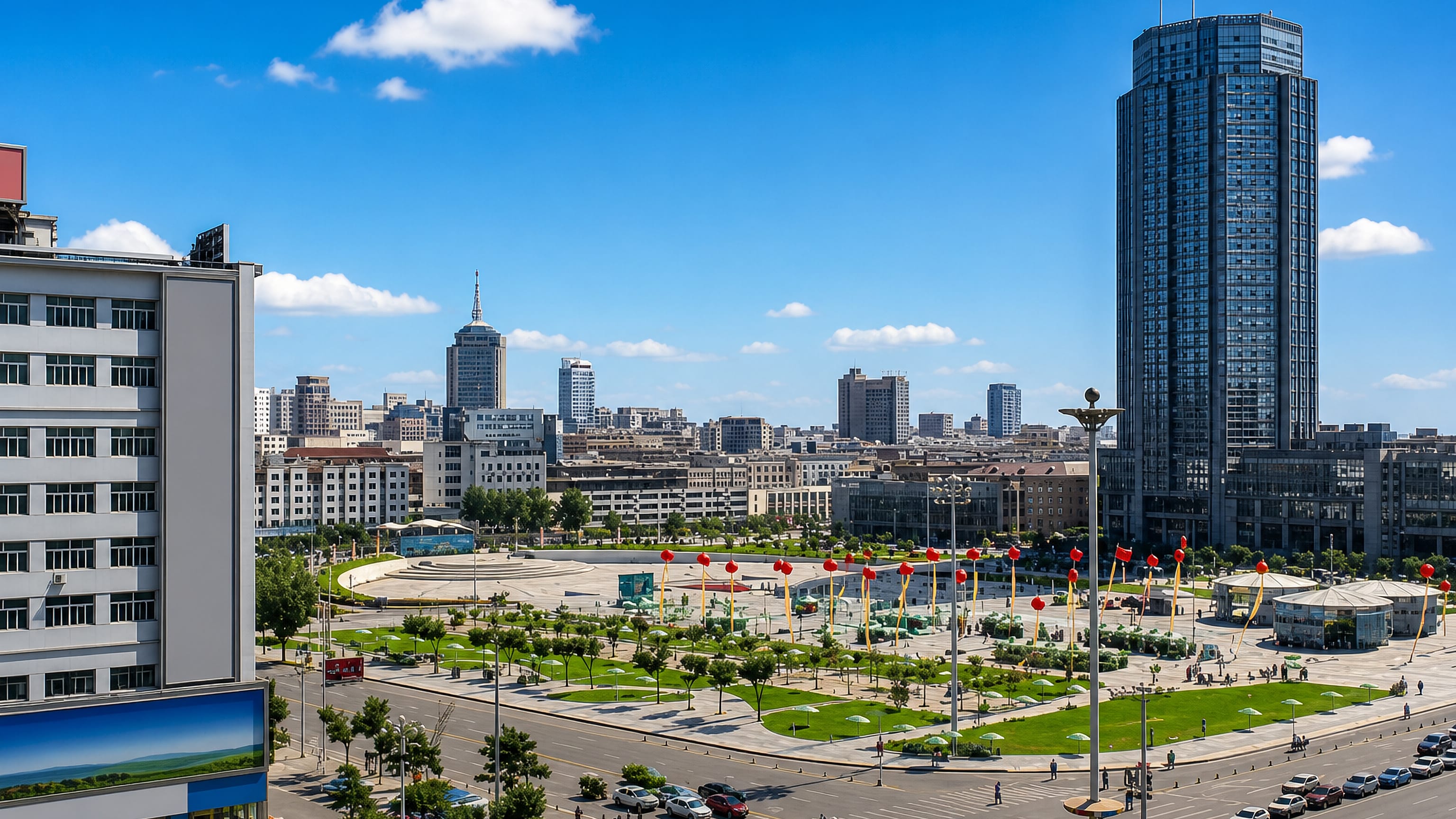
China · Inner Mongolia Autonomous Region
Where to Stay in Hohhot, Inner Mongolia Autonomous Region
Hohhot is the capital of Inner Mongolia in northern China, a city of Buddhist lamaseries below the grasslands.
Hotel links are affiliate links: booking through them may earn us a commission, at no extra cost to you. It never affects how places are ranked. How this works


Where to stay in Hohhot
How the choice of base plays out on the ground.
Hohhot puts one question to a visitor: the temple lanes, or the new districts toward the grassland. The old quarter around the Dazhao lamasery keeps the temples, the mosque, and the markets within a walk, and staying there suits anyone here for the history. The temple lanes wind quiet and old.
Rooms sit near the shrine gates. Out in the new districts and toward the grasslands, the city spreads wide and modern. A room in the new town trades the old lanes for the malls, the stations, and the road out to the steppe.
The grasslands roll past the edge. If you want the temples and the mosque, stay in the old town; if you want the grassland, take a room toward the edge. Either choice leaves the Dazhao quarter within easy reach.
Find hotels in Hohhot
Direct booking searches for these neighbourhoods.
The old town
Around the Dazhao lamasery within a walk of the temples and mosqueFind hotels in The old townStays wanting the malls and the grassland roadThe new districts
In the new town toward the stations and the steppeFind hotels in The new districtsHotel links are affiliate links: booking through them may earn us a commission, at no extra cost to you. It never affects how places are ranked. How this works
Things to do in Hohhot
Ranked by global recognition; descriptions from Wikidata (CC0).
Museums & Galleries
1- Inner Mongolia Museum
Churches & Religious Sites
3- Dazhao Temple Heritage
- Great Mosque of Hohhot Heritage
- Cathedral of the Sacred Heart of Jesus, Hohhot Heritage
Castles & Historic Sites
1- Shuangyu Ancient City Ruins
Landmarks & Notable Places
1- 多松年烈士故居 Heritage
worth knowingacross 4 categories in Hohhot
About Hohhot
Hohhot is the temple city of Inner Mongolia.
What is Hohhot known for?
Founded by a Mongol khan four centuries ago, its name means the blue city, and it filled with Tibetan-Buddhist lamaseries, chief among them the great Dazhao, while a Muslim quarter grew around a fine old mosque, and the green tomb of a Han princess stands on the plain nearby. The grasslands roll away to the north. Temples and grassland mark the city.
What are the main landmarks in Hohhot?
The Dazhao lamasery is the pride of Hohhot. The great Tibetan-Buddhist temple, built around a silver Buddha by Altan Khan, stands in the old town, the emblem of the city, among the lanes. A green tomb rises on the plain.
The mound of Wang Zhaojun, the Han princess, lies south of the town, while the Great Mosque, the White Pagoda, and the old lamaseries mark the temple city of Hohhot.
What is the history of Hohhot?
Hohhot was built by a Mongol khan on the steppe. In the sixteenth century Altan Khan of the Tümed founded a city on the plain and named it the blue city, and he brought the Tibetan faith to his people, raising the great Dazhao lamasery around a silver Buddha. The city filled with temples.
So many lamaseries rose in Hohhot that it was called the city of seven great temples, and monks in red robes filled its streets, while Muslim traders built a mosque in their quarter. The plain held older memories too. On the grassland nearby lay the green tomb of Wang Zhaojun, the Han princess sent long ago to wed a chief of the Xiongnu, a sign of peace between the steppe and China.
The city guarded the frontier road. Under later empires Hohhot grew as a garrison and market where the grassland met the farms, trading with the Mongols and the caravans. The old lamaseries still stand in the town.
Hohhot keeps its temples and its grasslands in Inner Mongolia.
Where is Hohhot?
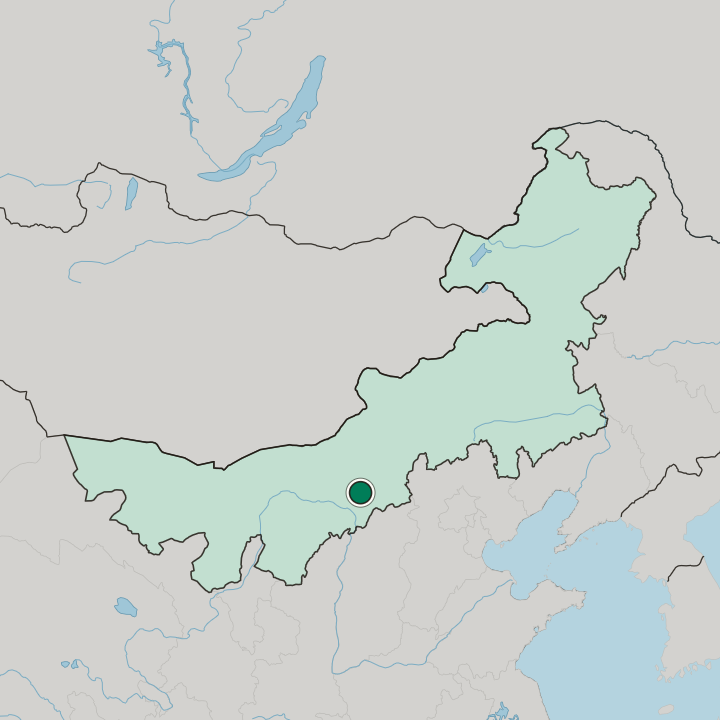
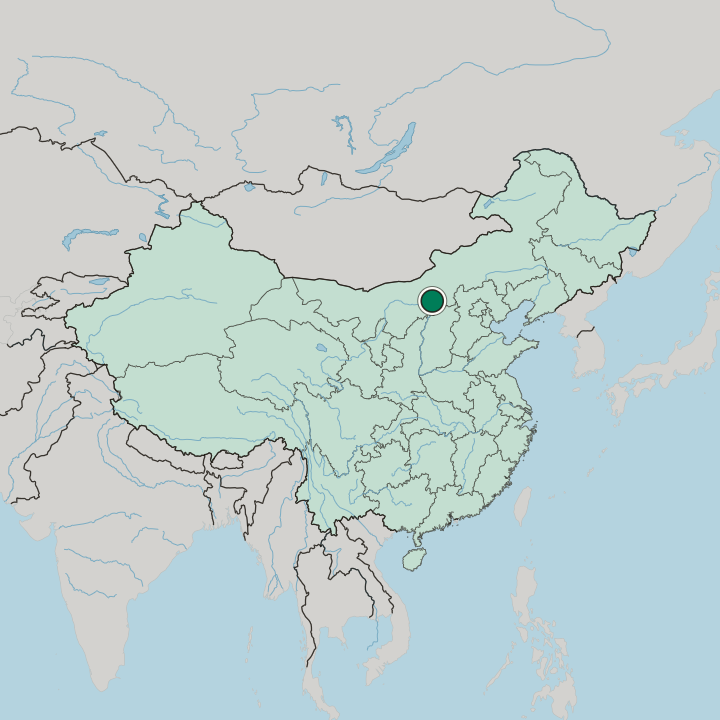
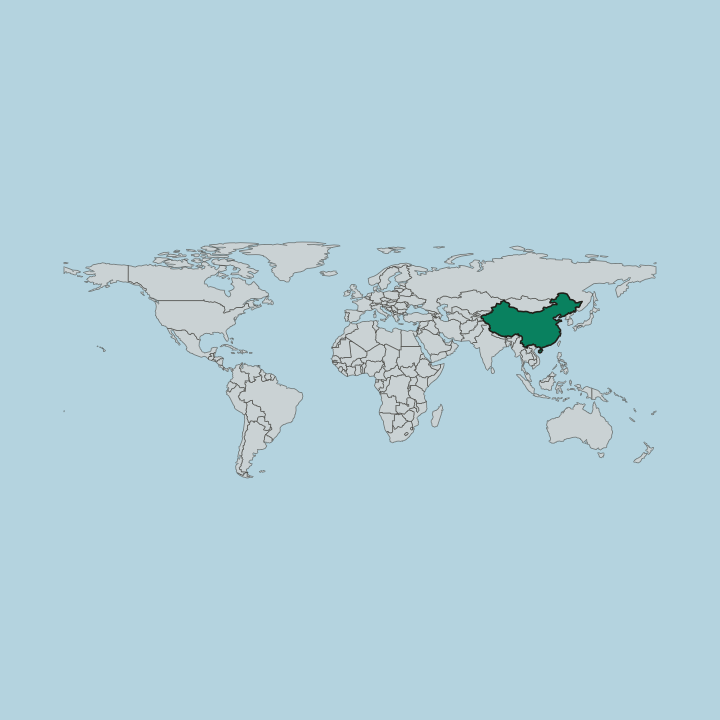
Hohhot lies on the edge of the grasslands of Inner Mongolia in northern China. The city sits on a plain at the foot of the Daqing mountains, where the steppe gives way to farmland, on the Yellow River's northern bend. Bare ranges rise to the north.
The grasslands roll away beyond the town.
What is the climate of Hohhot?
Dry continental weather rules Hohhot out on the edge of the steppe. Warm summers and long, cold winters cross the plain, and the wind sweeps sand and cold off the steppe, with little rain and wide swings from day to night. Dust storms blow off the grasslands in spring.
The steppe air stays dry and clear.
How do you get to Hohhot?
Hohhot lies below the Daqing mountains in central Inner Mongolia. High-speed trains and the expressway link the city to Baotou and Beijing across the plain, and an airport lies nearby, while roads climb north to the grasslands. Buses reach the steppe towns around.
Most arrive by rail from Beijing.
Common questions
What is the best area to stay in Hohhot?
The old town: Visitors here for the lamaseries, mosque, and markets. The new districts: Stays wanting the malls and the grassland road.
Good for
More cities in Inner Mongolia Autonomous Region
Updated October 2026