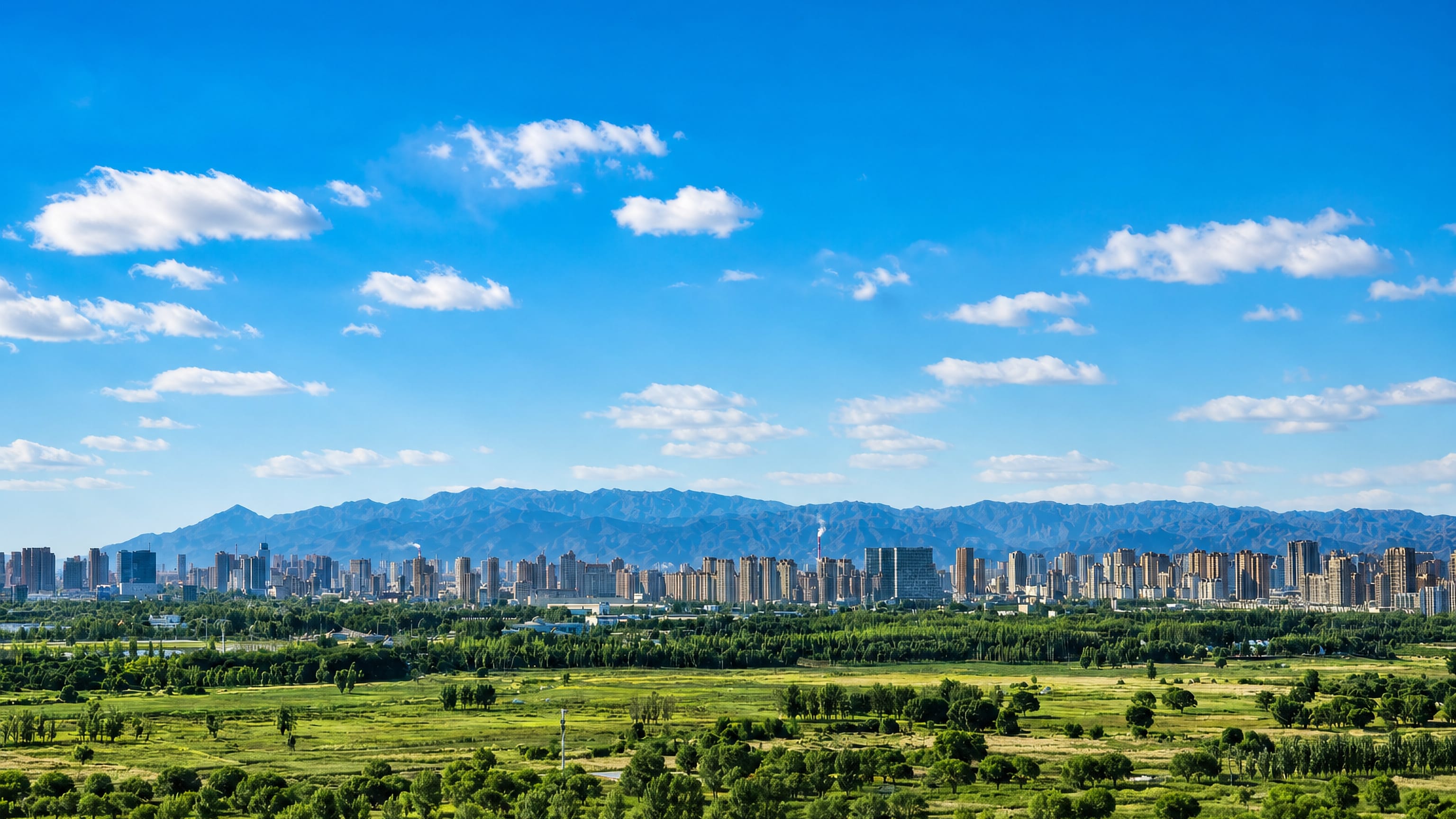
China · Inner Mongolia Autonomous Region
Where to Stay in Baotou, Inner Mongolia Autonomous Region
Baotou is a steel city on the Yellow River in Inner Mongolia, the largest city of the region on the edge of the grasslands.
Hotel links are affiliate links: booking through them may earn us a commission, at no extra cost to you. It never affects how places are ranked. How this works


Where to stay in Baotou
The right area depends on your trip — here's what each neighbourhood is best for.

 BaotouChina
Hondlon
Hondlon is the Baotou district that drew migration from Shaanxi, three hundred square kilometres of the largest city in Inner Mongolia.Where to stay → BaotouChina
Qingshan
Baotou counts Qingshan among its districts, some two hundred and seventy square kilometres of Inner Mongolia with no landmark on its file.Where to stay →BaotouChinaDonghe
Donghe holds the core of Old Baotou, a district of some four hundred and sixty square kilometres that predates the city's newer wards.Where to stay →Hotel links are affiliate links: booking through them may earn us a commission, at no extra cost to you. It never affects how places are ranked. How this works
Find hotels in Baotou
Direct booking searches for these neighbourhoods.
The city centre
In the old town or the steel town, within reach of the shops and stationsFind hotels in The city centreStays wanting the river and grasslandsThe river edge
Near the Yellow River and the steppe, on the road to the Wudang LamaseryFind hotels in The river edgeHotel links are affiliate links: booking through them may earn us a commission, at no extra cost to you. It never affects how places are ranked. How this works
About Baotou
Baotou is the great steel city of Inner Mongolia.
What is Baotou known for?
It stands on the north bank of the Yellow River, on the edge of the Mongol grasslands and the Ordos desert, and it grew into a giant of steel and rare earth, its mines feeding the world, while a famous old lamasery stands white-walled in the hills nearby. The steppe rolls away to the north. Steel and steppe mark the city.
What are the main landmarks in Baotou?
The Wudang Lamasery is the wonder near Baotou. The great white monastery, the largest Tibetan Buddhist house in Inner Mongolia, climbs a hillside in the mountains north of the city, its halls stacked up the slope. Old temple-forts dot the steppe.
The Meida Zhao and the ruins of caravan towns lie scattered across the grasslands, while the Yellow River runs broad along the southern edge of the city.
What is the history of Baotou?
Baotou began as a trading post on the grasslands. For centuries Mongol herders and Han traders met here on the Yellow River, at a place whose name means the land of the deer, and caravans crossed between the steppe and the farms of the south. Lamas built a great monastery nearby.
In the hills the Wudang Lamasery rose, the largest Tibetan Buddhist house in the region, its white halls climbing the slope. The city was made by iron and coal. When the land was found to hold vast ores of iron and rare earth, Baotou grew in a few decades into one of China's great steel towns, drawing workers from across the country.
Whole new districts spread on the plain. Mills, mines, and railways filled the once-empty steppe, and the city became a giant of heavy industry on the northern frontier. The old lamasery still stands in the hills.
Baotou keeps its mills and its grasslands by the Yellow River.
Where is Baotou?
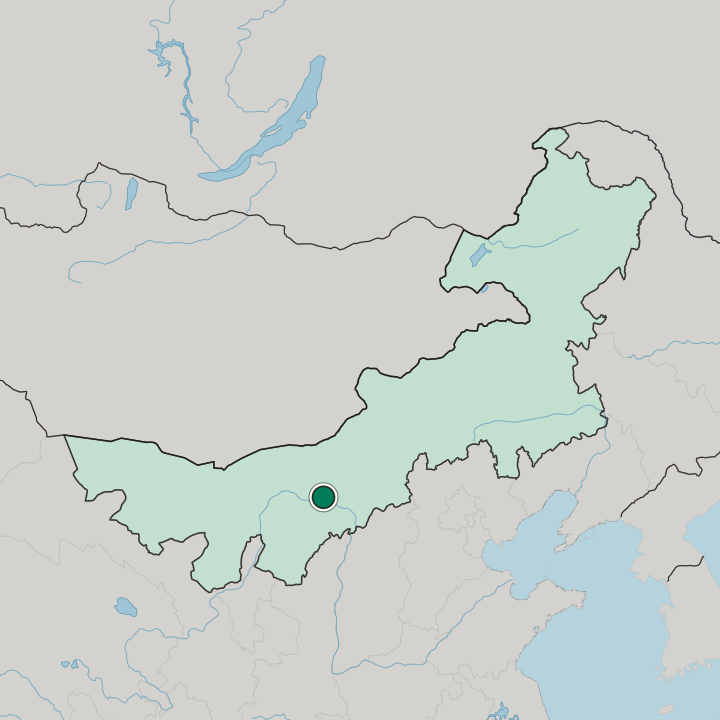
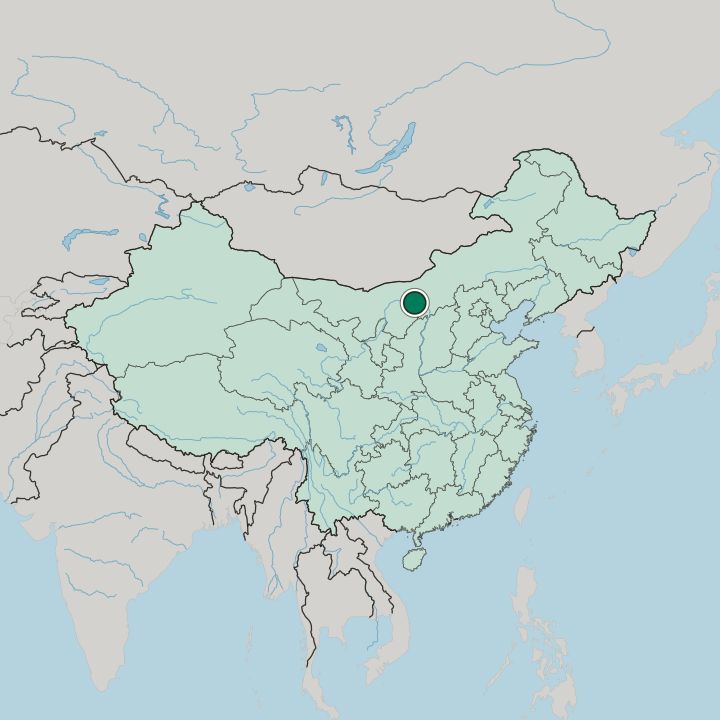
Baotou lies on the Yellow River in western Inner Mongolia, in the north of China. The city spreads on a plain between the river and the Mongol grasslands, with the Ordos desert across the water to the south, at the foot of the Yin Mountains. Bare steppe stretches to the north.
The great river runs along the southern edge.
What is the climate of Baotou?
Baotou lies in dry continental country at the edge of the steppe. Warm summers and long, bitter winters cross the steppe, and the wind sweeps sand and cold down from the north, with little rain and wide swings from day to night. Dust storms blow off the desert in spring.
The steppe air stays dry and clear.
How do you get to Baotou?
Baotou lies on the Yellow River west of Hohhot in Inner Mongolia. Trains, an airport, and the expressway link the city east to Hohhot and Beijing and west across the desert, and roads cross the river to the Ordos. Buses reach the steppe towns around.
Most arrive by rail across the grasslands.
Common questions
What is the best area to stay in Baotou?
The city centre: Visitors here for the shops and stations. The river edge: Stays wanting the river and grasslands.
Good for
More cities in Inner Mongolia Autonomous Region
Updated September 2026