China · Liaoning
Where to Stay in Shenyang, Liaoning
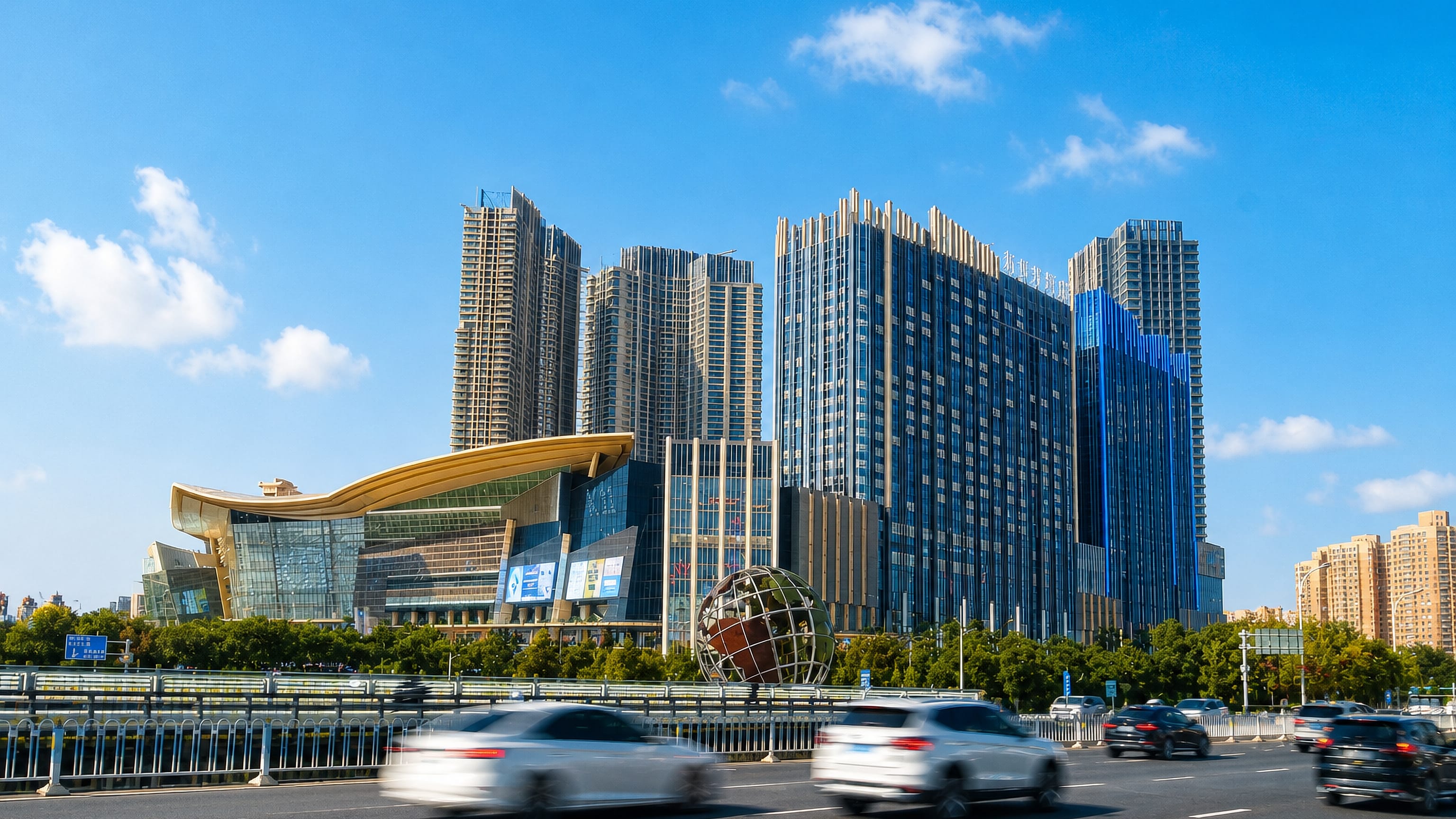
The Mukden Palace anchors the old core of Shenyang, the capital of Liaoning province, known for its Qing-era walls and the Manchu name Mukden.
Hotel links are affiliate links: booking through them may earn us a commission, at no extra cost to you. It never affects how places are ranked. How this works


Where to stay in Shenyang
How the choice of base plays out on the ground.
Where you stay in Shenyang follows the split between the imperial old core and the industrial west. The blocks around the Mukden Palace put the Qing walls, the Zhao Mausoleum to the north, and the neighbourhood markets within reach on foot. It is the choice for a first visit built around the imperial city.
The west tells the other story. Tiexi grew up around the works that the Industrial Museum of China now commemorates, and the Tiexi New District Sports Center draws crowds on match days. If you want the industrial Shenyang and quieter modern hotels, base yourself here.
Near Shenyang Railway Station and the older Liaoning Main Station, the transit belt suits arrivals by train and quick onward legs to the rest of Liaoning. Travellers set on museums may prefer the streets by the Liaoning Provincial Museum instead.
Find hotels in Shenyang
Direct booking searches for these neighbourhoods.
Imperial old core
The Mukden Palace and Zhao Mausoleum sit within a walkable old-city grid of markets.Find hotels in Imperial old coreThe industrial west and match days at the sports centreTiexi
Tiexi grew around the works the Industrial Museum of China commemorates, beside the Tiexi New District Sports Center.Find hotels in TiexiRail arrivals and onward legs across LiaoningStation belt
Hotels cluster between Shenyang Railway Station and the older Liaoning Main Station.Find hotels in Station beltHotel links are affiliate links: booking through them may earn us a commission, at no extra cost to you. It never affects how places are ranked. How this works
Things to do in Shenyang
Ranked by global recognition; descriptions from Wikidata (CC0).
Museums & Galleries
3- Liaoning Provincial Museum
- Shenyang Railway Museum
- Industrial Museum of China
Churches & Religious Sites
3- Sacred Heart Cathedral of Shenyang Heritage
- Xita Church
- Dongguan Church
Castles & Historic Sites
2- Mukden Palace Heritage
- Xinle Heritage
Stadiums & Sports
1- Tiexi New District Sports Center
worth knowingacross 4 categories in Shenyang
About Shenyang
What is Shenyang known for?
Shenyang is known for the Mukden Palace, the walled seat from which the Manchu rulers governed before they entered Beijing. The Fuling Tomb and the Zhao Mausoleum, the imperial burial grounds of that same dynasty, sit within the wider city. Its later chapters read differently.
Marshal Zhang's Mansion recalls the warlord era, while the Industrial Museum of China marks Shenyang as a heavy-industry centre of Liaoning and the largest city in Manchuria by urban population.
What are the main landmarks in Shenyang?
The main landmarks in Shenyang trace three distinct periods. The Mukden Palace, the Fuling Tomb, and the Zhao Mausoleum carry the Qing imperial layer. Church spires mark another.
Sacred Heart Cathedral of Shenyang and Xita Church stand among the modern quarters, while the Liaoning Provincial Museum and the Xinle Ancient Ruins Museum hold the province's deeper record, from Neolithic Xinle to the treasures of Liaoning.
What is the history of Shenyang?
Shenyang's history reaches back to the Neolithic settlement at Xinle, whose remains the Xinle Ancient Ruins Museum now protects on the northern side of the city. Millennia later the site became the Manchu capital under the name Mukden. The rulers who built the Mukden Palace governed from here before their armies moved south to Beijing, and they left the Fuling Tomb and the Zhao Mausoleum as their dynastic burial grounds.
The modern chapters were harder. Mukden gave its name to the Mukden Incident, the 1931 clash at the Site of Beidaying Barracks that opened the occupation of the northeast. During those years the Hoten prisoner-of-war camp held Allied captives on the city's edge, and the postwar Shenyang Trials were held here.
Marshal Zhang's Mansion preserves the warlord household that ruled the region between those upheavals. Heavy industry followed, and Tiexi filled with the factories the Industrial Museum of China now records as the making of an industrial capital of Liaoning.
Where is Shenyang?
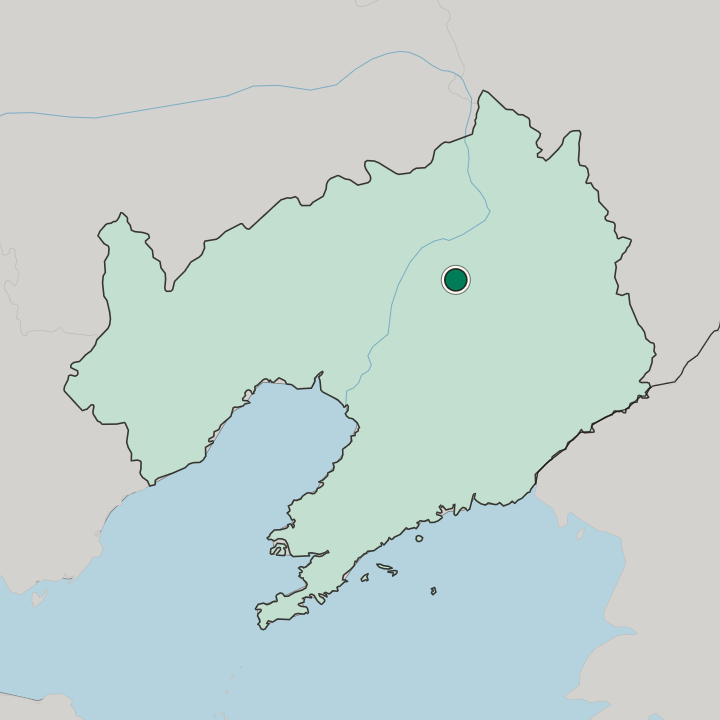
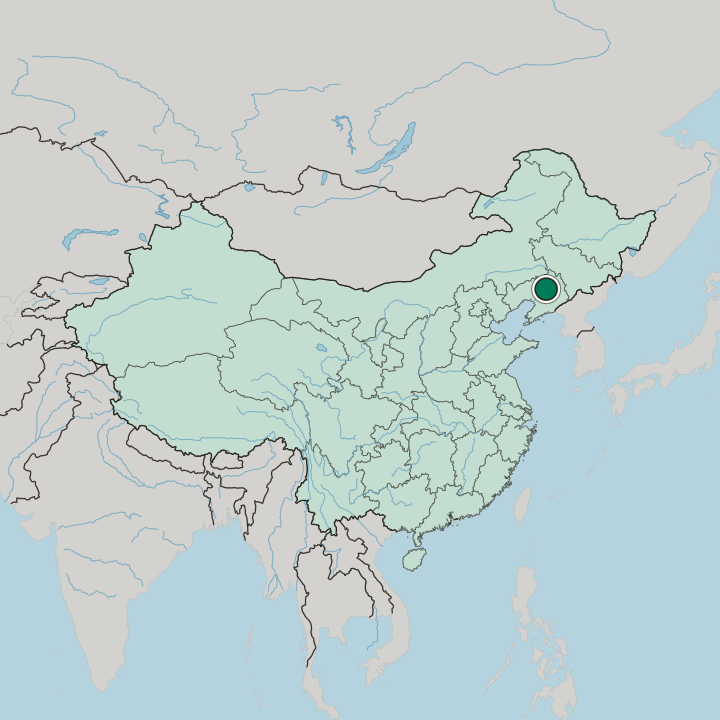
Shenyang lies on the plains of Liaoning, the largest city in Manchuria by urban population and the province's capital. The plain is flat. The city spreads across ten metropolitan districts, running from the imperial core out to the industrial west at Tiexi, and its administrative reach extends further still to the county-level city of Xinmin and the outlying counties of Kangping and Faku.
What is the climate of Shenyang?
Shenyang has a temperate climate shaped by its position on the northern plains of Liaoning. Winters are long, dry, and cold, when the Zhao Mausoleum and the Mukden Palace stand under hard frost. Summers turn warm and humid.
The seasons swing sharply across the year, a continental rhythm typical of Manchuria and the wider northeast, far from any moderating sea.
How do you get to Shenyang?
You reach Shenyang most often by rail, and the city is a hub of the northeast network. Shenyang Railway Station and Shenyangdong Railway Station handle the main-line traffic, while the historic Liaoning Main Station survives from the earlier era that the Shenyang Railway Museum records. Trains run out across Liaoning and the wider region.
From the terminals it is a short ride to the Mukden Palace and the old core.
Common questions
What is the best area to stay in Shenyang?
Imperial old core: First visits centred on the Qing walls and the Mukden Palace. Tiexi: The industrial west and match days at the sports centre. Station belt: Rail arrivals and onward legs across Liaoning.
Good for
More cities in Liaoning
Updated October 2026