China · Liaoning
Where to Stay in Jinzhou, Liaoning
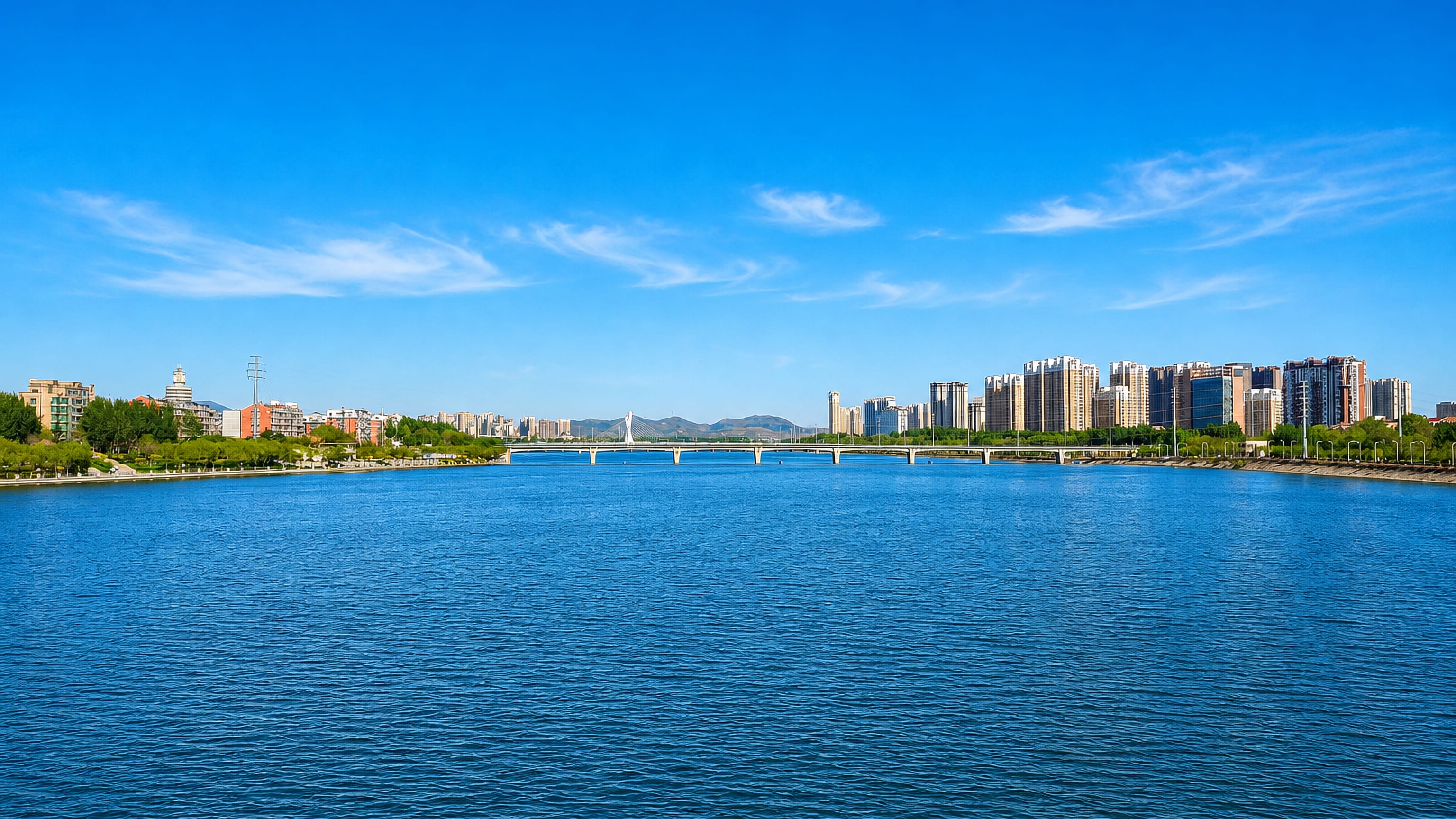
Jinzhou, formerly Chinchow, is a coastal prefecture-level city of Liaoning, China, on the Liaoxi Corridor beside Liaodong Bay.
Hotel links are affiliate links: booking through them may earn us a commission, at no extra cost to you. It never affects how places are ranked. How this works


Where to stay in Jinzhou
The practical side of choosing where to sleep.
Jinzhou splits into a city and a coast. The urban core holds the Jinzhou Museum and the Pagoda of Chongxing Temple, which makes it the practical base for anyone whose list is museums and pagodas rather than water. The shore is the other pull.
A coastline of 97.7 kilometres runs out to the Port of Jinzhou, and rooms toward Liaodong Bay put the working waterfront within a short run. Guangji Temple stands in the same core, which strengthens the case for a central room if the temples and the museum are meant to be walked between rather than driven. Beizhen changes the arithmetic.
Beizhen Temple, Fengguo Temple and the former evangelic church of Beizhen stand together at that end of the prefecture, with the Liao Mausoleums at Yiwulü Mountain close enough to join the same day, so a bed out there saves an early start. A fixture puts you somewhere else again. The Jinzhou Marina Sports Center Stadium suits visitors whose trip is built around a fixture, and it sits far enough from the temples that you would not try to cover both from one doorway.
Pick the half you came for.
Find hotels in Jinzhou
Direct booking searches for these neighbourhoods.
The Jinzhou Museum core
The built-up middle of Jinzhou, where the museum, Guangji Temple and the Chongxing pagoda fall inside one circuitFind hotels in The Jinzhou Museum coreDays spent on Beizhen Temple, Fengguo Temple and the Liao Mausoleums at Yiwulü MountainThe Beizhen temple end
The Beizhen side of the prefecture, closest to the temple group and the former evangelic church. Rooms are few around here — worth securing early.Find hotels in The Beizhen temple endNights arranged around the Port of Jinzhou and the Liaodong Bay waterfrontToward the Port of Jinzhou
Jinzhou's coastal edge, along the 97.7 kilometres of shoreline that end at the working portFind hotels in Toward the Port of JinzhouHotel links are affiliate links: booking through them may earn us a commission, at no extra cost to you. It never affects how places are ranked. How this works
About Jinzhou
The sea and the corridor both count here.
What is Jinzhou known for?
Jinzhou works as a transport hub and a port city, and the Liaoxi Corridor running through it carries most of the land traffic between the north and the northeast. Heritage does the rest. Fengguo Temple, the Wanfotang Grottoes and the Liaoshen Campaign Memorial give the prefecture three quite different reasons to stop, while Mount Pijia and Mount Putuo supply the scenery that local accounts set beside them.
What are the main landmarks in Jinzhou?
Temples and pagodas dominate the register. Fengguo Temple, Guangji Temple, Beizhen Temple, the Pagoda of Chongxing Temple, Banji Pagoda and the Guangsheng Temple Pagoda are all recorded in the prefecture, and the Wanfotang Grottoes sit among them as carved rock rather than built halls. Two entries break the pattern.
The former evangelic church of Beizhen and the Jinzhou Marina Sports Center Stadium stand well apart from the temple list, while the Jinzhou Museum, the Longgang Tombs and the Liao Mausoleums at Yiwulü Mountain hold its archaeological end.
What is the history of Jinzhou?
Guangning city is the older name in the record. It sits in the prefecture's heritage list beside the Longgang Tombs and the Liao Mausoleums at Yiwulü Mountain, which together push settlement on this ground well back before the port and the corridor gave Jinzhou a modern job. Temples came with that depth.
Fengguo Temple, the Wanfotang Grottoes and the Pagoda of Chongxing Temple are the surviving religious fabric, and the grottoes in particular record a tradition of carving rather than of building. The name changed in foreign usage. Jinzhou appears in older accounts as Chinchow, a spelling that survives in the literature and nowhere else.
Trade explains the position. The Liaoxi Corridor made this the passage for land transport between the north and the northeast, and the Port of Jinzhou added a sea outlet that ranks as the northernmost seaport in the country. The Liaoshen Campaign Memorial records a later chapter.
It stands among the prefecture's named places alongside Mount Pijia and Mount Putuo, so the register runs from tombs and grottoes through to twentieth-century commemoration. Little of it is tidy. The heritage of Jinzhou is spread across the whole prefecture, which is why its past reads as a set of separate places rather than as one continuous quarter.
Where is Jinzhou?
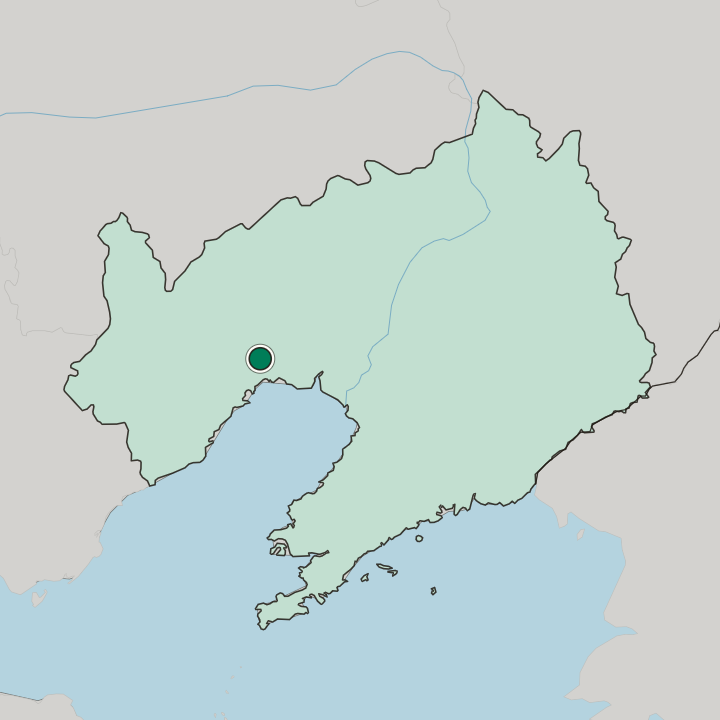
Water and rock share the frame. Jinzhou faces Liaodong Bay along a coastline of 97.7 kilometres, with the wider Bohai Sea beyond it, and the Liaoxi Corridor runs inland as the land route that carries traffic past the city. Yiwulü Mountain anchors the interior.
Mount Pijia and Mount Putuo are the other named heights, and between the bay, the corridor and those slopes the prefecture holds three quite different kinds of country.
What is the climate of Jinzhou?
The Bohai Sea is the nearest influence. Jinzhou's 97.7 kilometres of coastline keep Liaodong Bay close to every part of the built-up city, so conditions on the shore and conditions up at Yiwulü Mountain are not read from the same page. Seasons run to the northern pattern.
Warm months fall in the middle of the calendar and cold ones at either end, which sets the sequence for anything planned around the Wanfotang Grottoes or the bay itself.
How do you get to Jinzhou?
Everything passes through the Liaoxi Corridor. That corridor carries most of the land transport between the north and the northeast, which is the plain reason Jinzhou functions as a transport hub rather than as a place reached by accident. The port adds the sea leg.
Port of Jinzhou traffic comes ashore here rather than further along the coast of Liaodong Bay, since no seaport in the country sits closer to the northern end of the map than this one.
Common questions
What is the best area to stay in Jinzhou?
The Jinzhou Museum core: City stays taking in the Jinzhou Museum and the Pagoda of Chongxing Temple on foot. The Beizhen temple end: Days spent on Beizhen Temple, Fengguo Temple and the Liao Mausoleums at Yiwulü Mountain. Toward the Port of Jinzhou: Nights arranged around the Port of Jinzhou and the Liaodong Bay waterfront.
Good for
More cities in Liaoning
Updated October 2026