China · Liaoning
Where to Stay in Anshan, Liaoning
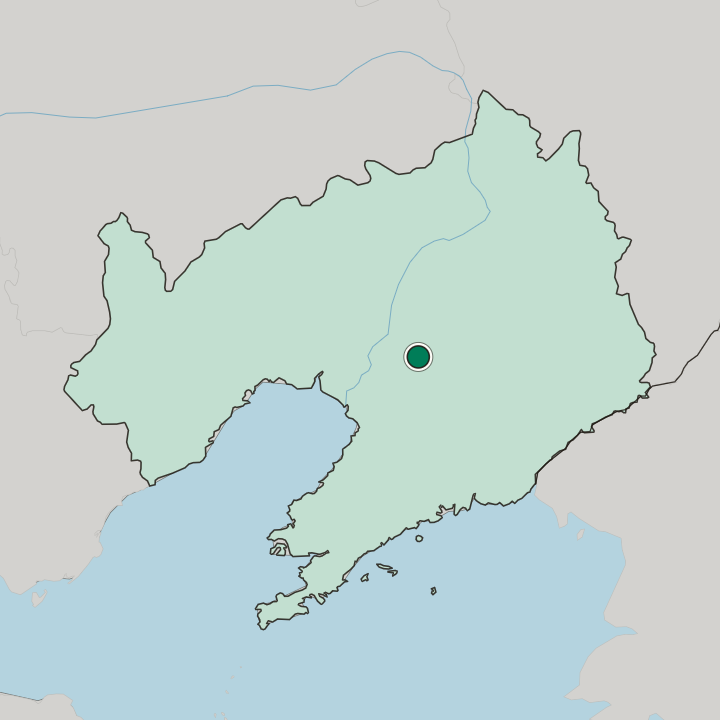
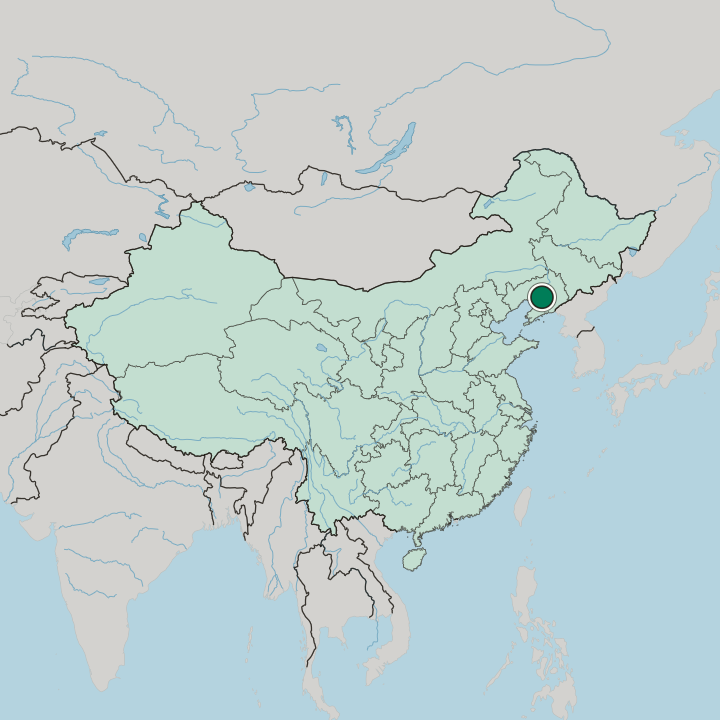
Anshan is a prefecture-level steel city in central-southeast Liaoning, on the boundary between the province's eastern mountains and its western plains.
Hotel links are affiliate links: booking through them may earn us a commission, at no extra cost to you. It never affects how places are ranked. How this works


Where to stay in Anshan
Where visitors usually base themselves, and why.
The four urban districts hold the beds. Anshan Museum, the Jinta Pagoda and the Yinta Pagoda are all inside that built-up area, which runs together with Liaoyang to the point that the two cities function as one conurbation. Qianshan is the other choice.
Rooms up at Qianshan Park National Park trade the city for the hills, and the Old Buildings of Qianshan are on the doorstep rather than a drive out. Hot water is a third option. The Tangangzi Hot Spring Spa is a stay in itself, and a night there works better as the point of the trip than as a base for anything else in the prefecture.
Distances inside the prefecture are real. Anshan stretches a long way from east to west, so the Haicheng Xianrendong Site, the Ximucheng Dolmen and the Site of Wolongshan Mountain City are each a separate day out from any central address. Shenyang complicates the decision. The provincial capital lies less than a hundred kilometres north, close enough that some visitors treat Anshan as a day trip from there rather than as a place to sleep.
The Jade Buddha Palace Temple settles it for some. That temple is inside the urban districts, which keeps a central room the easiest answer for anyone not specifically after the mountains.
Find hotels in Anshan
Direct booking searches for these neighbourhoods.
The Anshan urban districts
The built-up core around Anshan Museum, running together with Liaoyang into one continuous urban areaFind hotels in The Anshan urban districtsWalkers based inside Qianshan Park National ParkQianshan
Hill ground above the city where the Old Buildings of Qianshan stand, with lodging tied to the park rather than the streetsFind hotels in QianshanTrips whose whole point is the Tangangzi Hot Spring SpaTangangzi
Spa ground at Tangangzi, where the accommodation is the hot spring itself rather than a town around itFind hotels in TangangziDetours to the Haicheng Xianrendong Site and the Ximucheng DolmenThe Haicheng plain
Flat western country where the Haicheng Xianrendong Site sits well clear of anything resembling a hotel cluster. Beds are limited here, so book early.Find hotels in The Haicheng plainHotel links are affiliate links: booking through them may earn us a commission, at no extra cost to you. It never affects how places are ranked. How this works
About Anshan
Qianshan draws the visitors.
What is Anshan known for?
Qianshan Park National Park and the Old Buildings of Qianshan sit in the hills above the city, and the Tangangzi Hot Spring Spa and the Jade Buddha Palace Temple complete the short list of things people come for. Steel pays for the rest. The Angang Iron and Steel Company ranks among the largest producers in the country, and the Early Buildings of Ansteel are on the heritage list as the physical record of it.
What are the main landmarks in Anshan?
Two pagodas mark the city. The Jinta Pagoda and the Yinta Pagoda stand as a matched pair on the urban list, and Anshan Museum gathers what the ground around them has produced. Older ground lies further out.
The Ximucheng Dolmen, the Haicheng Xianrendong Site and the Site of Wolongshan Mountain City are archaeological entries scattered across the prefecture rather than anything a walk from the centre reaches. Industry and the hills close the list, with the Early Buildings of Ansteel and the Old Buildings of Qianshan.
What is the history of Anshan?
A dolmen is the oldest thing here. The Ximucheng Dolmen and the Haicheng Xianrendong Site carry occupation of this ground back far beyond any written record, and both lie out in the prefecture rather than in the built-up districts. Defence followed.
The Site of Wolongshan Mountain City is a fortified hill settlement, the kind of position that the mountains of eastern Liaoning made possible and the plains to the west did not. Religion left the pagodas. The Jinta Pagoda, the Yinta Pagoda and the Jade Buddha Palace Temple are the surviving religious buildings on the list.
The modern city dates from 1937. Anshan City is the registered form, and the name comes from a nearby mountain whose shape was read as a horse's saddle. Steel arrived with the plant.
The Angang Iron and Steel Company grew into one of the largest producers in the country, and the Early Buildings of Ansteel record the works from which that came. Qianshan stayed apart from all of it. The Old Buildings of Qianshan and Qianshan Park National Park preserve a hill landscape that the industrial city never reached, and the Tangangzi Hot Spring Spa belongs to the same older use of the ground.
Anshan Museum collects the evidence.
Where is Anshan?
Mountains stop on the east side. Anshan straddles the boundary between the mountains of eastern Liaoning and the plains of the west, which is why one half of the prefecture behaves like hill country and the other like farmland. Qianshan is the high ground.
The prefecture runs a long way from east to west, and Shenyang lies about 92 km north of the city, which fixes Anshan firmly in the interior rather than on any coast. Anshan holds no coastline of its own.
What is the climate of Anshan?
Qianshan shelters the city from very little. Anshan sits inland in a temperate belt with no sea to moderate it, so winter comes hard off the continent and summer turns humid over the western plains. Hot springs make sense here.
The Tangangzi Hot Spring Spa is at its best in the cold months, and Qianshan Park National Park is worth timing for the shoulder seasons, when the hill walking is neither frozen nor oppressive. Rain concentrates in summer.
How do you get to Anshan?
Shenyang is the way in. The provincial capital lies about 92 km to the north, close enough that the run down to Anshan is a short leg rather than a journey of its own. The prefecture is wide.
Anshan spans a long east-to-west stretch, so the Haicheng Xianrendong Site and Qianshan Park National Park are not on the same day's itinerary. Liaoyang runs into it. The two built-up areas have conurbated, which means moving between the Anshan urban districts and Liaoyang is a local trip rather than an intercity one.
Common questions
What is the best area to stay in Anshan?
The Anshan urban districts: Central stays reaching the Jinta Pagoda and the Yinta Pagoda on foot. Qianshan: Walkers based inside Qianshan Park National Park. Tangangzi: Trips whose whole point is the Tangangzi Hot Spring Spa. The Haicheng plain: Detours to the Haicheng Xianrendong Site and the Ximucheng Dolmen.
Good for
More cities in Liaoning
Updated October 2026