China
Liaoning, China — Towns & Travel Guide
Liaoning is China's coastal corner of the northeast, where the Liaodong Peninsula juts into the Bohai Sea toward Korea.
Hotel links are affiliate links: booking through them may earn us a commission, at no extra cost to you. It never affects how places are ranked. How this works


Towns & cities in Liaoning
Pick a town or city — each links to where to stay.
 China
China
Shenyang
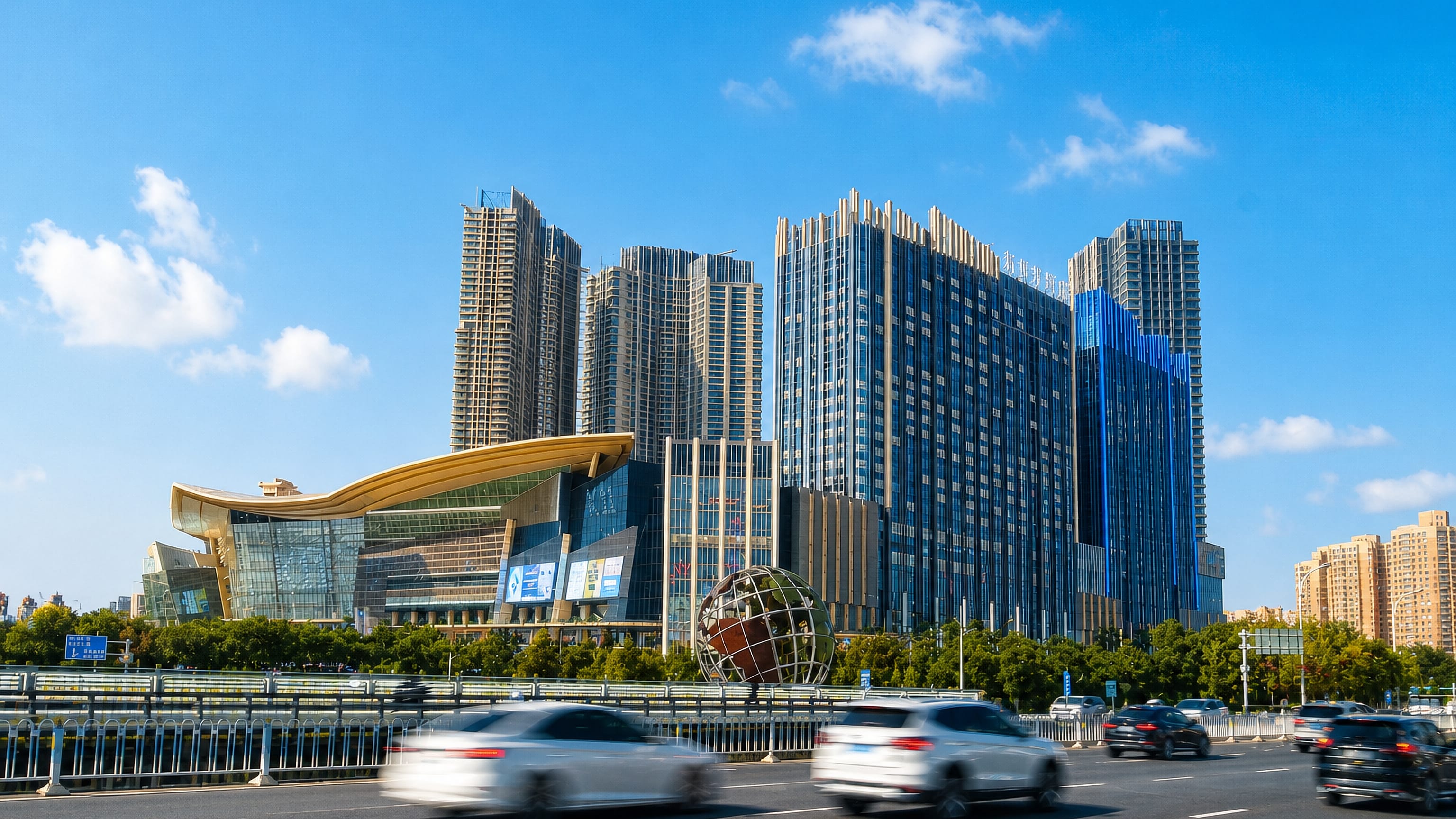
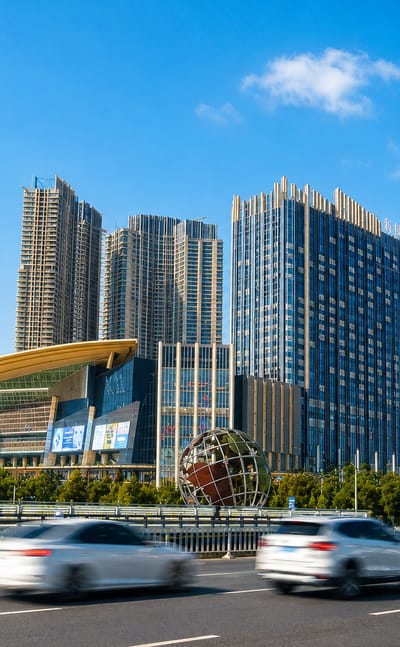
The Mukden Palace anchors the old core of Shenyang, the capital of Liaoning province, known for its Qing-era walls and the Manchu name Mukden.Where to stay →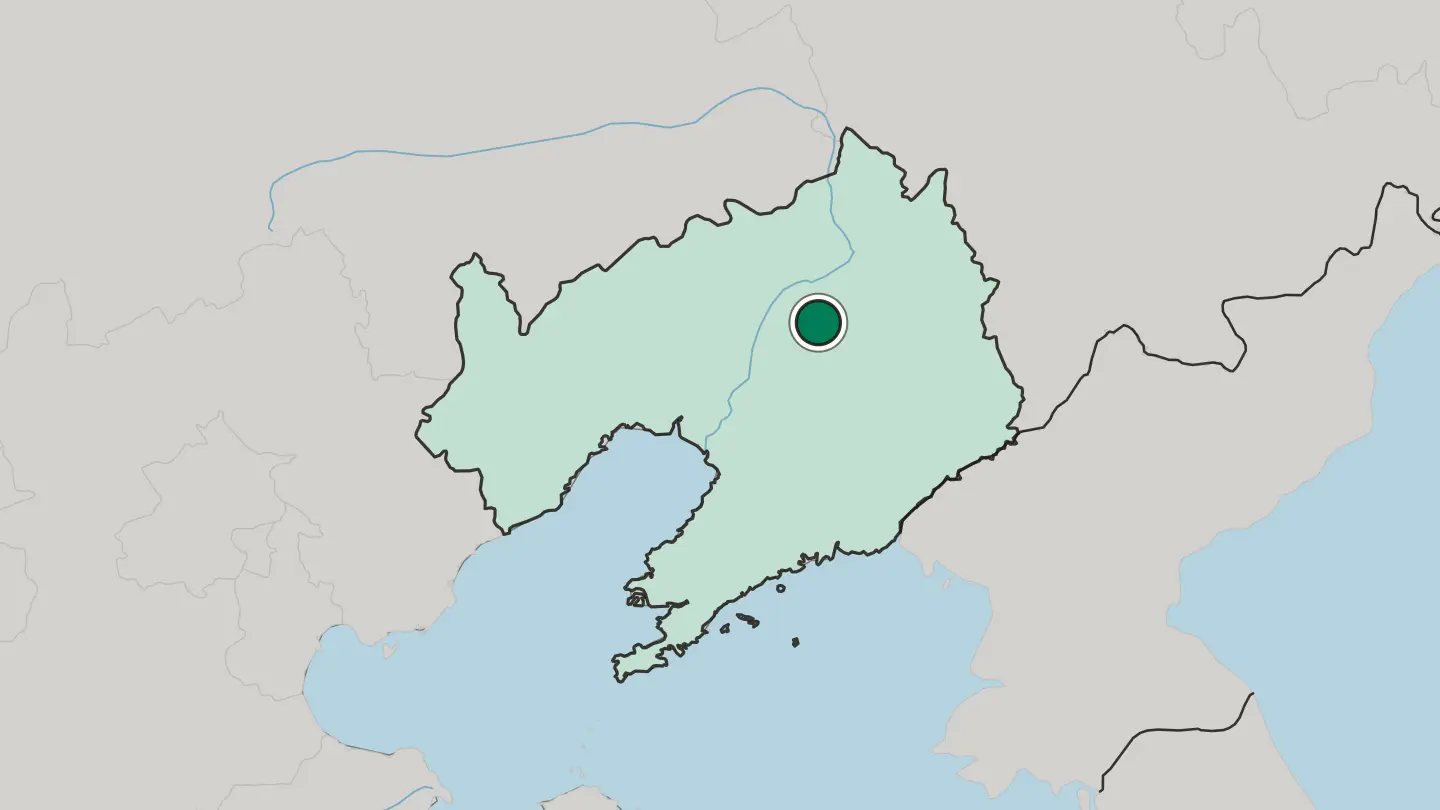
 China
China
Dalian
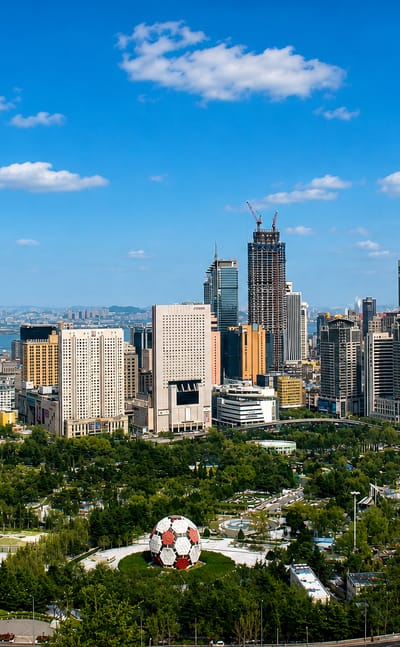
Sea light rings the harbour at Dalian, a port city in Liaoning, known for Zhongshan Square and its railway-era architecture.Where to stay →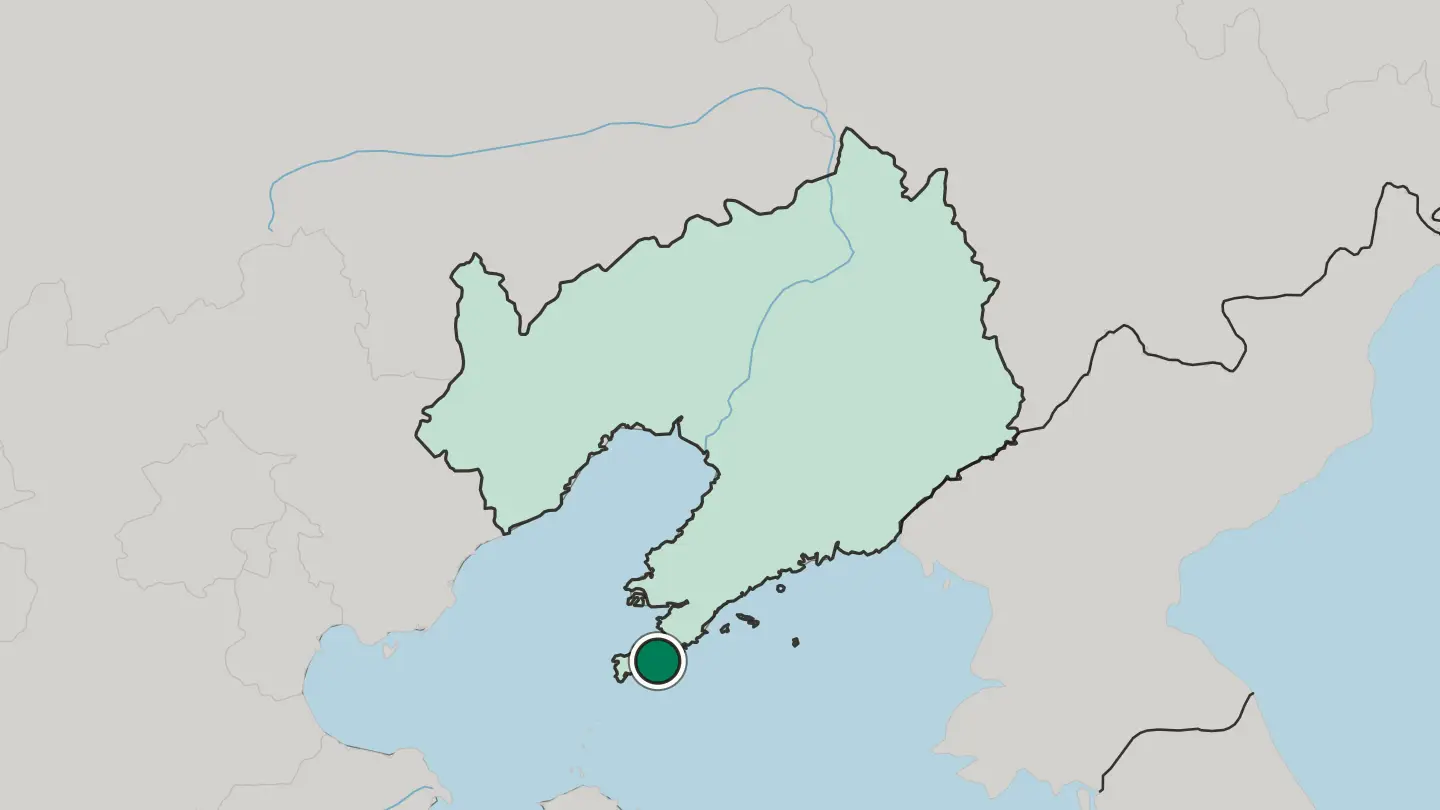 China
China
Anshan
Anshan is a prefecture-level steel city in central-southeast Liaoning, on the boundary between the province's eastern mountains and its western plains.Where to stay →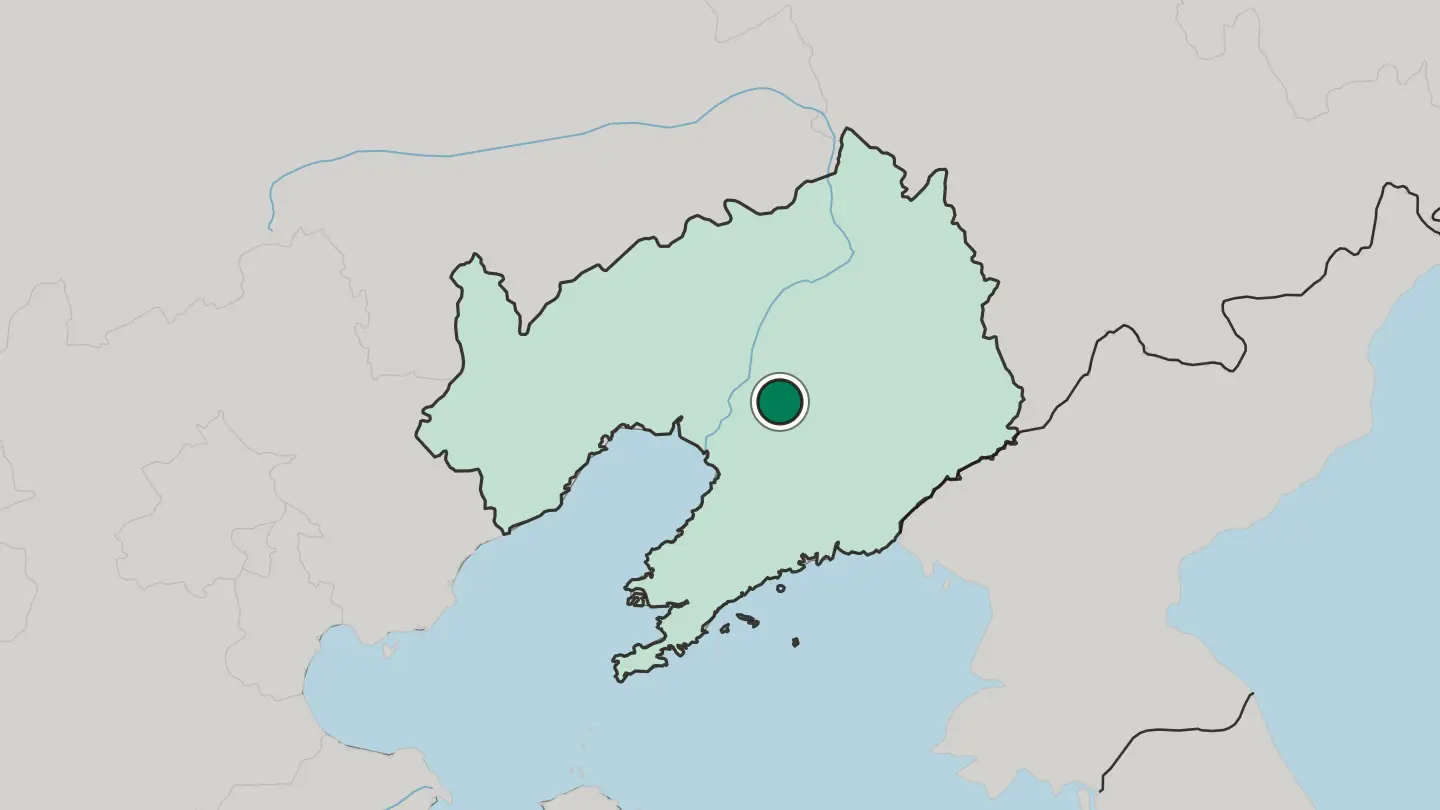
 China
China
Fushun
Fushun is a prefecture-level city of Liaoning province, China, sitting on the Hun River about 45 km east of Shenyang.Where to stay →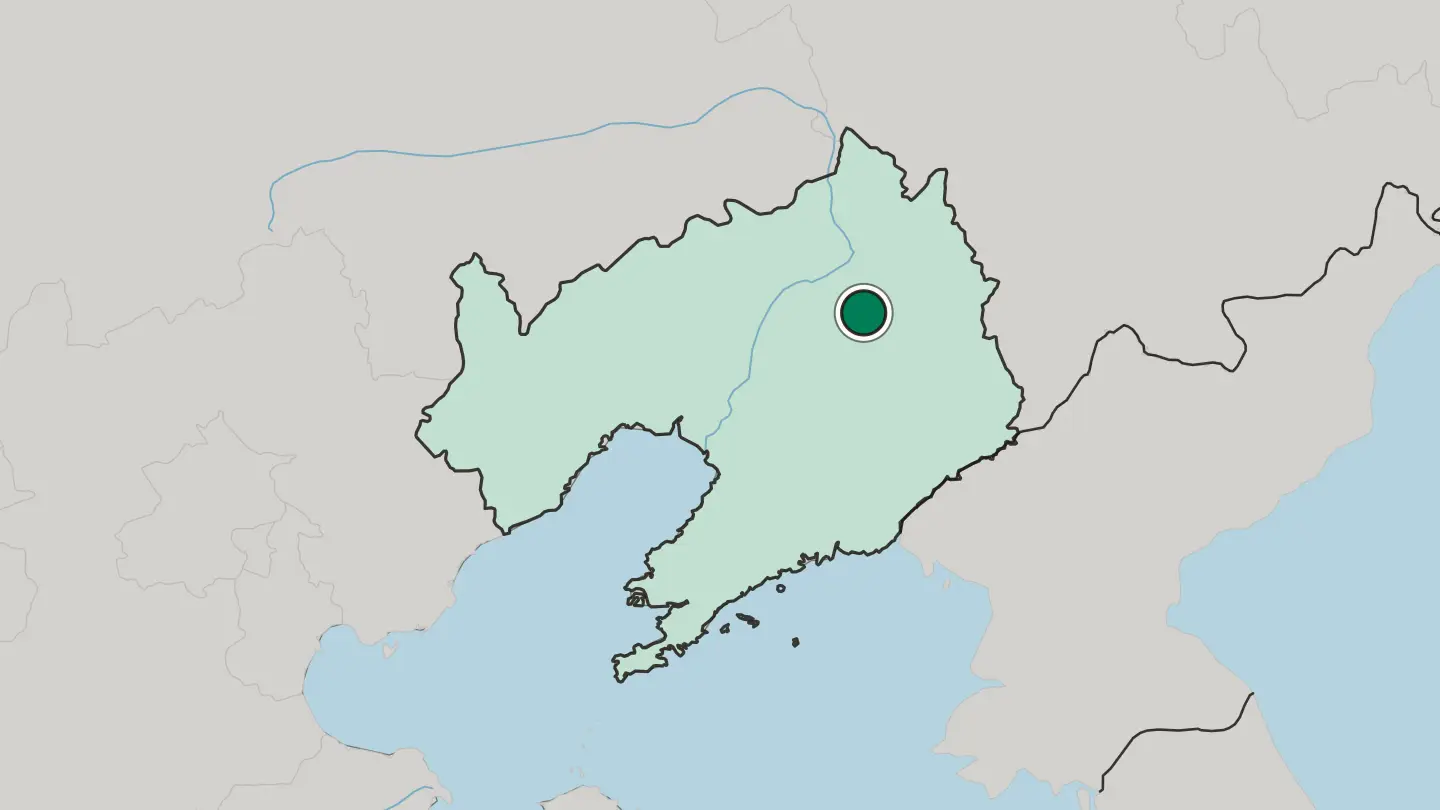
 China
China
Liaoyang
Liaoyang is a prefecture-level city of Liaoning province, China, standing on the Taizi River about an hour by car from Shenyang.Where to stay →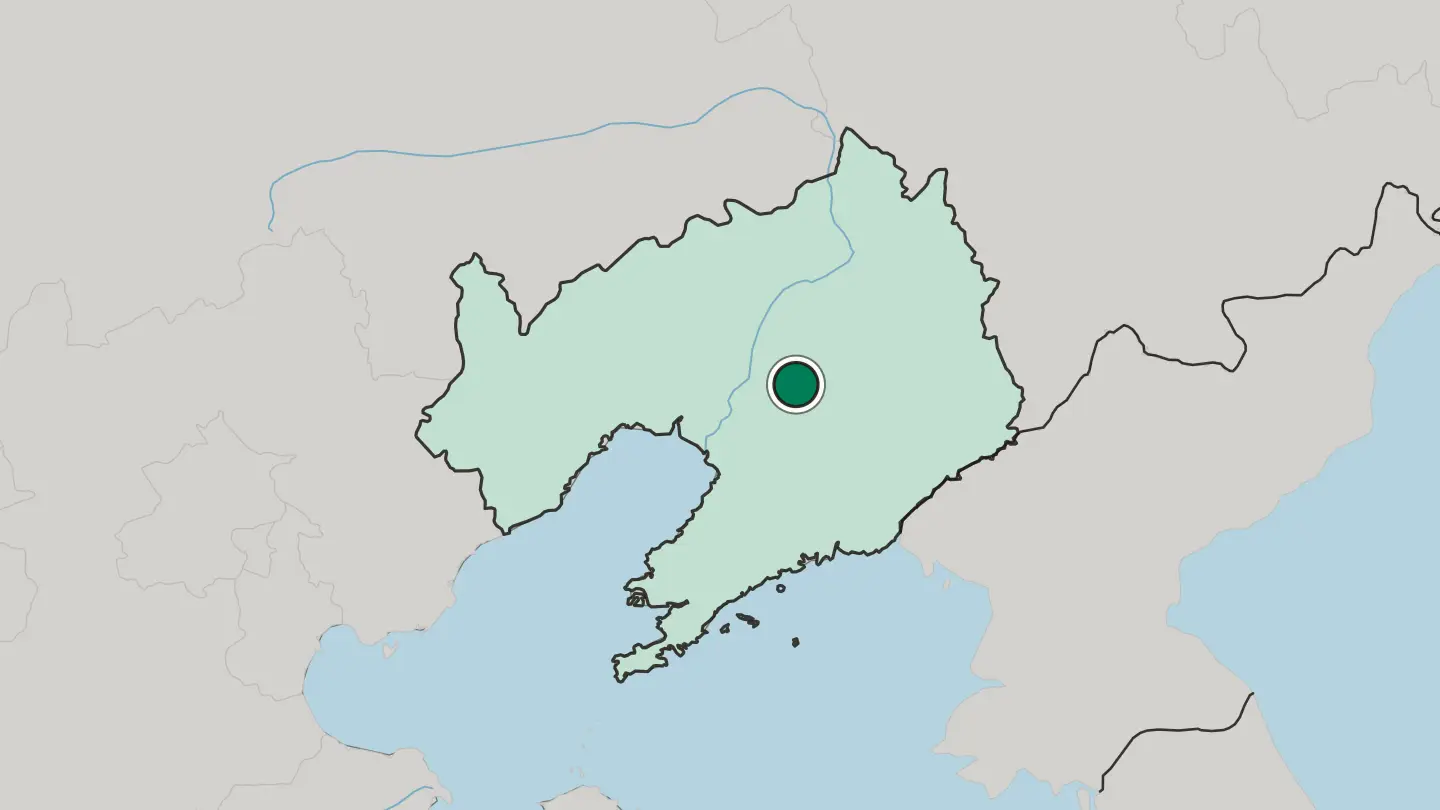
 China
China
Dandong
Dandong is a city of Liaoning in northeast China on the Yalu river, the country's largest border city, facing North Korea across the water.Where to stay →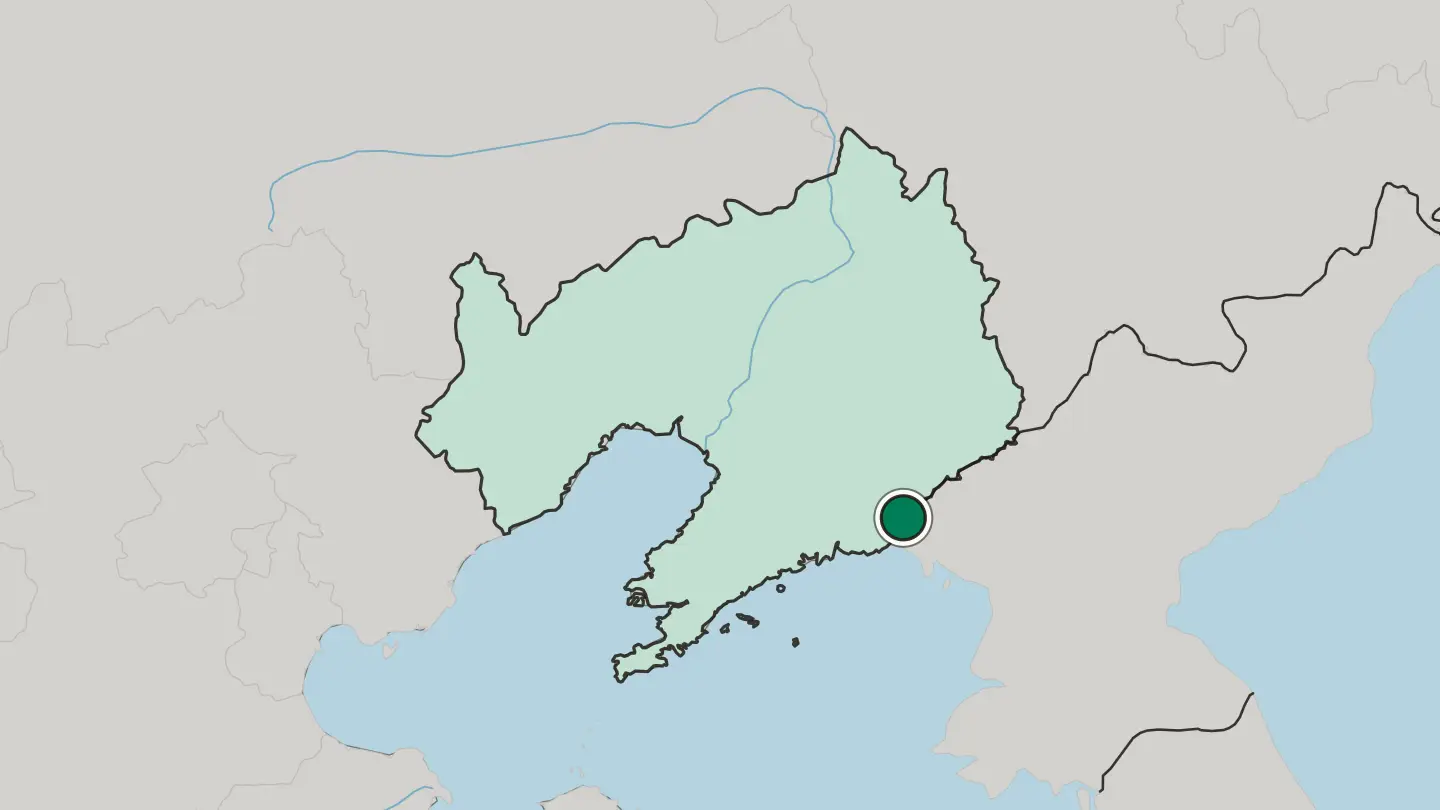
 China
China
Jinzhou
Jinzhou, formerly Chinchow, is a coastal prefecture-level city of Liaoning, China, on the Liaoxi Corridor beside Liaodong Bay.Where to stay →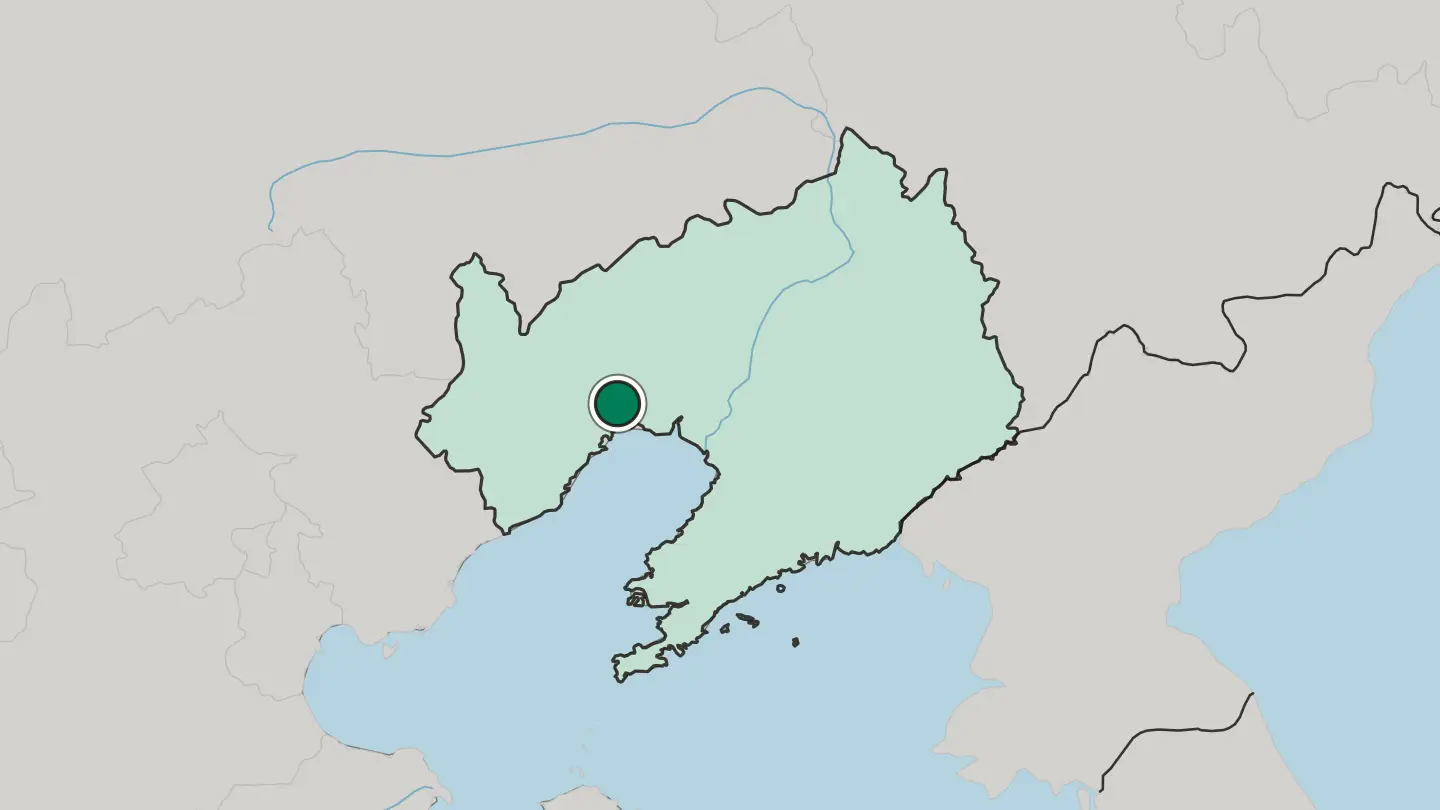
Hotel links are affiliate links: booking through them may earn us a commission, at no extra cost to you. It never affects how places are ranked. How this works
About Liaoning
What is Liaoning known for?
Liaoning is the southernmost and most populous of the three provinces of Northeast China. Steel built it. Its capital, Shenyang, holds a second Forbidden City, the Manchu imperial palace where the Qing dynasty was founded before it took Beijing.
Down on the Liaodong Peninsula, the port of Dalian trades a colonial waterfront and cliffside drives for the province's steel-and-coal reputation. The province meets North Korea along the Yalu River at Dandong, the country's most-watched land border.
Where is Liaoning?
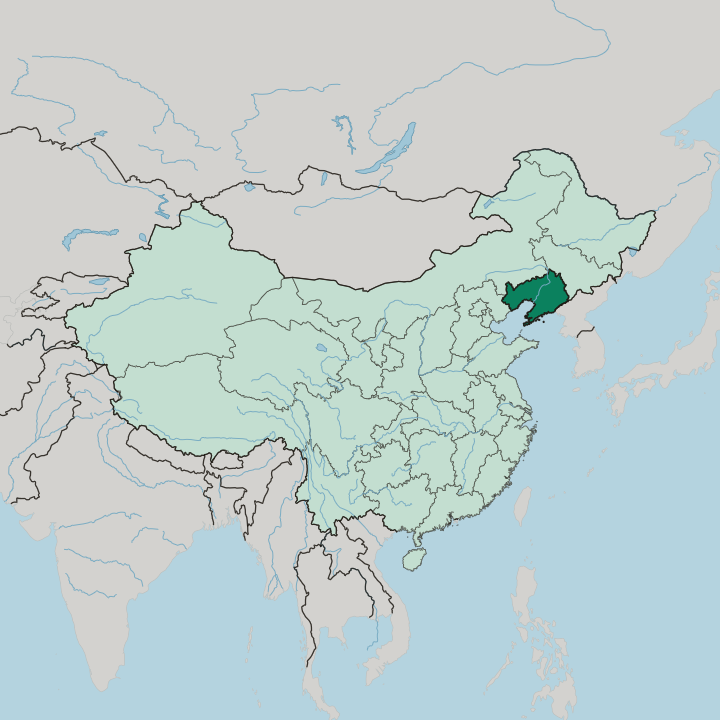
Liaoning sits at the southern edge of Northeast China, the coastal corner of the region once called Manchuria. It is the smallest of the three northeastern provinces. Hebei and Beijing lie to its west, Inner Mongolia to the northwest, and Jilin to the northeast, while the Yalu River draws its southeastern border with North Korea.
The south of the province narrows into the Liaodong Peninsula, a spine of granite ridges that pushes out between two arms of sea. The Bohai Sea wraps its western flank; the Korea Bay side of the Yellow Sea laps the east. Between the mountains spreads the Liaohe Plain, the low, fertile watershed of the Liao River and its tributaries, the province's grain belt.
That plain runs north into the black-soil flatland of the wider northeast, the great cereal bowl of the region. Eastern hills climb toward Changbai. Dalian anchors the peninsula's southern tip, Shenyang the plain at the centre.
Two seas and a river frame nearly every edge. That coastal-and-cornered geography is why Liaoning has always been the gate between China proper and the lands beyond the Great Wall.
What is Liaoning like?
Liaoning is Manchu ground before it is anything else. The Manchus rose here on the Liao plain, made Shenyang their capital, and carried the Qing dynasty from it into Beijing. More than half of China's Manchu people still live in the province.
A harder, newer identity sits alongside it. Liaoning was the forge of Chinese heavy industry, and its cities grew up around steel, coal, and machine works rather than around temples. Anshan became one of the country's great iron-and-steel centres, and the smokestacks of Fushun and Benxi are as much a part of the provincial self-image as any palace.
The kitchen reflects the crossing of peoples and the cold. Northeastern cooking here leans on stews, braises, sauerkraut, and vermicelli, salty and warming, with Manchu and Korean threads and Bohai seafood along the coast. Layered on top are the marks of foreign rule.
Russian and Japanese builders left whole districts standing in Dalian, and Korean influence runs strong down at the Yalu River border. Palaces, blast furnaces, and colonial streets share the same province.
What is the history of Liaoning?
This was the Manchu homeland. The Manchus built their capital at Shenyang, then known as Mukden, and from there founded the Qing dynasty in 1644 before moving the throne to Beijing. Qing rulers kept the region as their spiritual heartland, ringing Shenyang with imperial tombs.
Cut as a modern province in 1907 under the name Fengtian, it was renamed Liaoning in 1929. Contested by Russia and Japan and fought over across the twentieth century, the Liao plain grew into the industrial engine that powered China's first five-year plans.
What is the climate of Liaoning?
Liaoning runs on a temperate monsoon climate with four sharp seasons. Winter drags on, hard and long. The East Asian monsoon dumps most of the year's rain in a hot, wet summer stretch from June through August, while spring turns dry and windy and autumn stays cool and clear.
Inland Shenyang freezes harder than the coast, with deep sub-zero winters on the plain. Dalian and the Liaodong Peninsula stay milder year round, tempered by the Bohai Sea and the Yellow Sea on either side.
How do you get to Liaoning?
Most travellers fly into Shenyang or Dalian. Both cities run busy airports and sit on the high-speed rail line that links them in about two hours across the Liao plain. Dalian adds sea routes, a working port on the Liaodong Peninsula with ferries across the Bohai Sea toward Shandong.
Overland, rail carries on north into Jilin and the rest of Northeast China, and Dandong marks the crossing to North Korea over the Yalu River. Trains tie the coast to the interior.
Common questions
What is the best area to stay in Liaoning?
Shenyang: the imperial and Manchu history of Liaoning. Dalian: the coast and seafood of the Liaodong Peninsula. Dandong: the North Korean frontier on the Yalu River.
More regions in China
Updated October 2026