China · Shaanxi
Where to Stay in Xianyang, Shaanxi
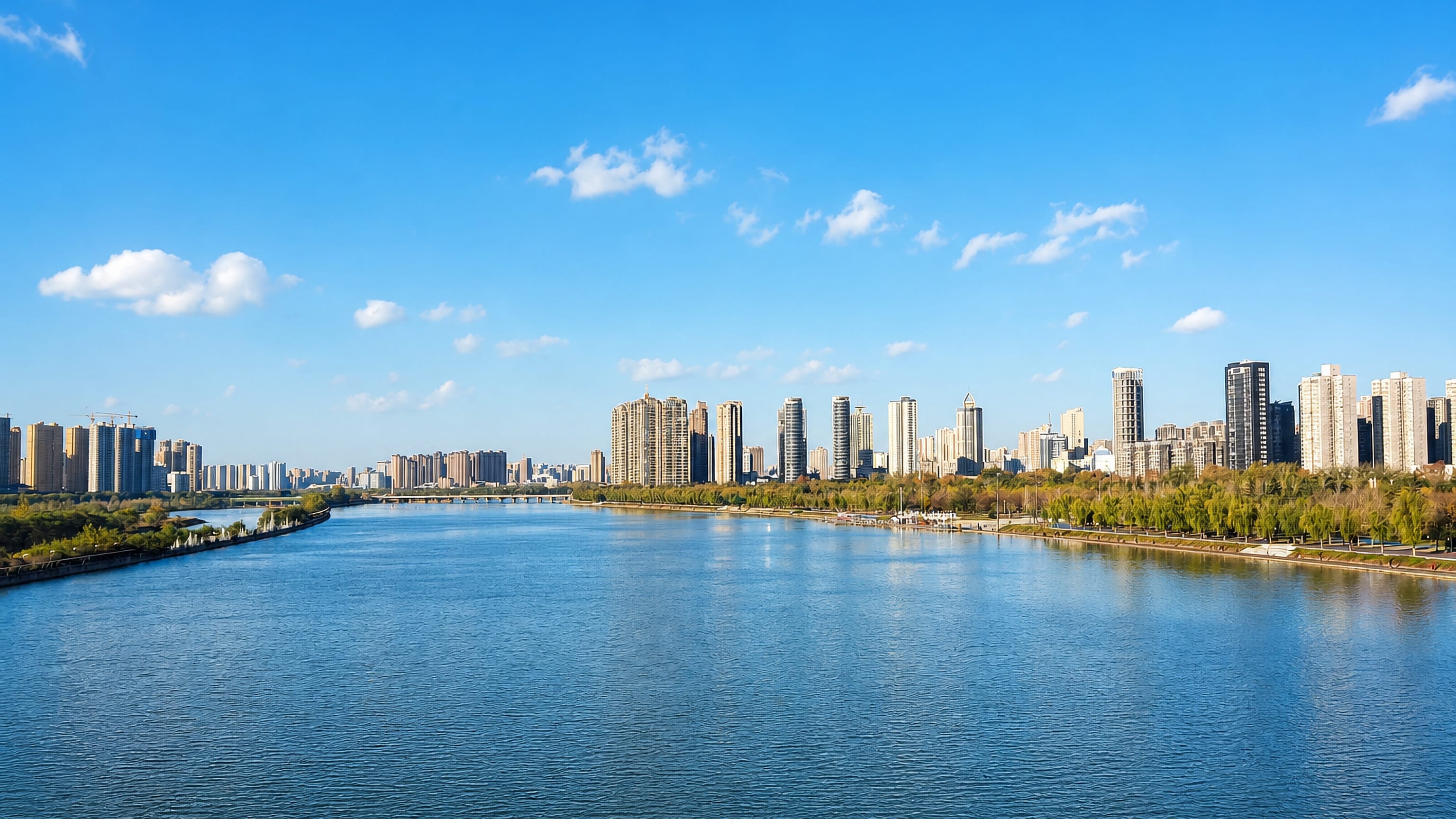
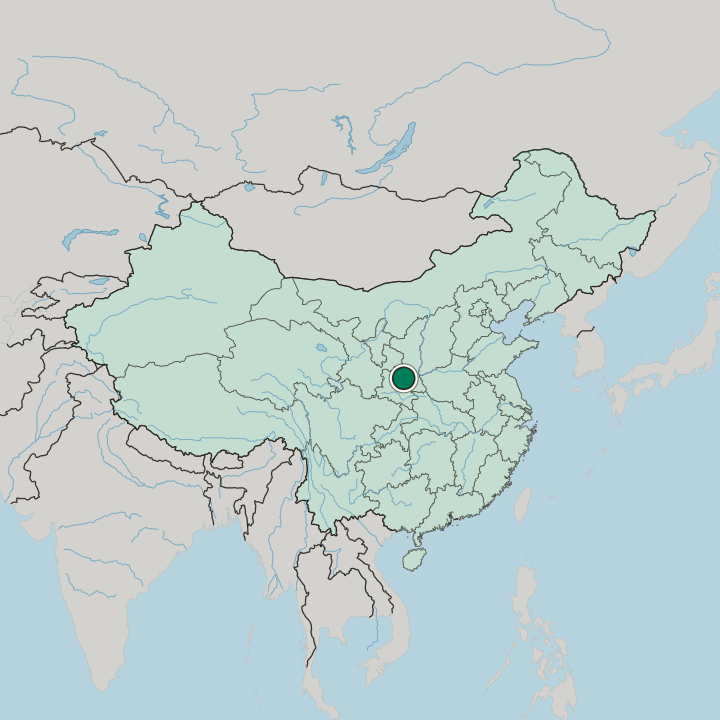
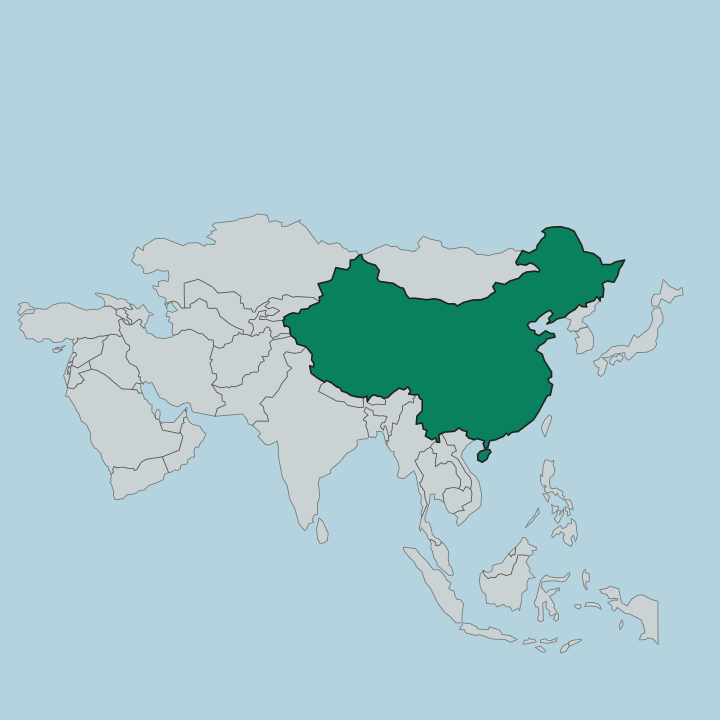
Xianyang is a city on the Wei River in Shaanxi, China, once the capital of the First Emperor and the burial ground of Han and Tang rulers.
Hotel links are affiliate links: booking through them may earn us a commission, at no extra cost to you. It never affects how places are ranked. How this works


Where to stay in Xianyang
The practical side of choosing where to sleep.
Where you stay in Xianyang turns on the city or the tomb-fields. The streets of the old centre keep the museum, the drum tower, and the river within a walk, and staying downtown suits anyone here for the city. Wide avenues cross the loess terraces.
Guesthouses cluster round the drum tower. Out toward the imperial tombs and the plateau, the city gives way to fields and grass-grown mounds. A room toward the tombs trades the centre for the great mounds, the stone avenues, and the quiet of the loess country.
The plateau rolls bare past the edge. Stay downtown for the museum, or toward the plateau for the tombs. Xi'an lies just across the river.
Find hotels in Xianyang
Direct booking searches for these neighbourhoods.
The city centre
In the old centre within a walk of the sightsFind hotels in The city centreStays wanting the imperial mounds and stone avenuesThe tomb-fields
Toward the plateau and the Han and Tang tombsFind hotels in The tomb-fieldsHotel links are affiliate links: booking through them may earn us a commission, at no extra cost to you. It never affects how places are ranked. How this works
Things to do in Xianyang
Ranked by global recognition; descriptions from Wikidata (CC0).
Museums & Galleries
3- Qin Xianyang Palace Site Museum Heritage
- Xianyang Museum
- Maoling Museum
Castles & Historic Sites
8- Qianling Mausoleum Heritage
- Zhao Mausoleum Heritage
- Maoling Heritage
- Xianyang Heritage
- tomb of Huo Qubing Heritage
Show 3 more →
- Ganquan Palace Heritage
- Shunling Mausoleum Heritage
- Dafosi Grottoes Heritage
Stadiums & Sports
1- Xianyang Olympic Sports Centre Stadium
worth knowingacross 3 categories in Xianyang
About Xianyang
Xianyang is the old imperial city of the Wei plain.
What is Xianyang known for?
On the loess terraces just northwest of Xi'an, it was the capital of the First Emperor who first unified China, and its plateau holds the greatest field of imperial tombs in the land, among them the mound of the Han emperor Wu and the joint tomb of Gaozong and the empress Wu Zetian. The loess plateau rolls around. Great tomb-mounds dot the fields.
What are the main landmarks in Xianyang?
The imperial tomb-fields spread over the plateau above Xianyang. Great grass-grown mounds, the graves of Han and Tang emperors, rise across the loess terraces north of the river, the emblem of the region, over the plain. A young general lies among them.
The tomb of Huo Qubing keeps its ancient stone horses and beasts, while the Maoling mound, the Qianling avenue of statues, and the old Qin palace sites mark the country around Xianyang.
What is the history of Xianyang?
Xianyang was the first capital of a united China. From this city on the Wei the state of Qin conquered the warring kingdoms, and its king took the title of First Emperor and ruled all the land from his palaces here. The empire fell but the ground stayed royal.
After the Qin, the Han and later the Tang made the plateau above the river their burial ground, and emperor after emperor raised a great mound tomb on the Xianyang terraces. The tombs turned the plateau into a field of the dead. The mound of the Han emperor Wu rose highest, guarded by the tomb of his young general with its famous stone horses, and the joint tomb of the Tang emperor Gaozong and the empress Wu Zetian was cut into a whole hill, lined by an avenue of stone figures.
Later the old capital shrank to a country town. Through the centuries Xianyang dwindled beside its greater neighbour Xi'an, but it kept its ring of imperial tombs. The great mounds still stand.
Xianyang keeps its Qin ground and its tombs on the Wei.
Where is Xianyang?
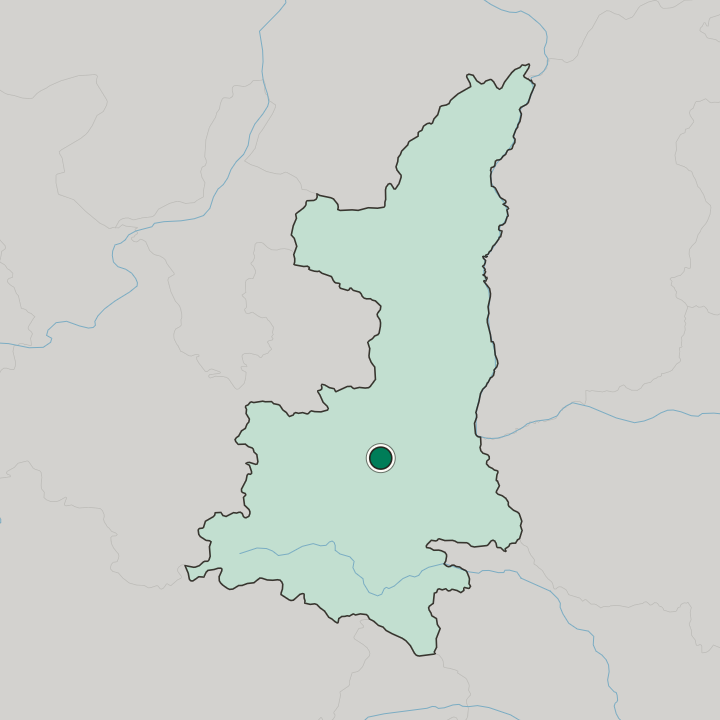
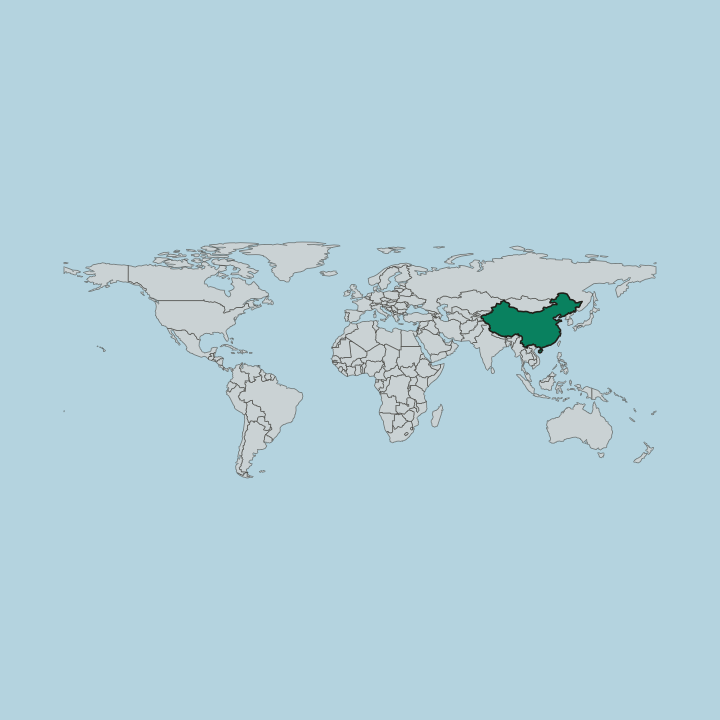
Xianyang lies on the Wei River in central Shaanxi, China, on the loess plateau of the Guanzhong plain. The city sits on the north bank of the river just above Xi'an, where the loess terraces rise from the water in flat brown steps, ringed by low hills. Bare loess ridges rise around.
The Wei runs east past the two cities.
What is the climate of Xianyang?
Xianyang has a dry continental climate. Warm summers and cold, dry winters cross the plateau, and most of the little rain falls in late summer, with dust off the loess in spring and hard frost in winter. Dust hazes the plain in the dry months.
The loess cracks brown in the summer heat.
How do you get to Xianyang?
Xianyang lies in central Shaanxi, just northwest of Xi'an on the Wei. Fast trains and the metro link it to Xi'an in minutes, and the region's main airport lies between the two cities. Country roads run out to the tomb sites and villages.
Xi'an lies only half an hour to the southeast.
Common questions
What is the best area to stay in Xianyang?
The city centre: Visitors here for the museum, drum tower, and river. The tomb-fields: Stays wanting the imperial mounds and stone avenues.
Good for
More cities in Shaanxi
Updated September 2026