China
Shaanxi, China — Towns & Travel Guide
Shaanxi is a north-central province of China where the Loess Plateau, the Wei River valley, and the Qinling Mountains meet.
Hotel links are affiliate links: booking through them may earn us a commission, at no extra cost to you. It never affects how places are ranked. How this works


Towns & cities in Shaanxi
Pick a town or city — each links to where to stay.
 China
China
Xi’an
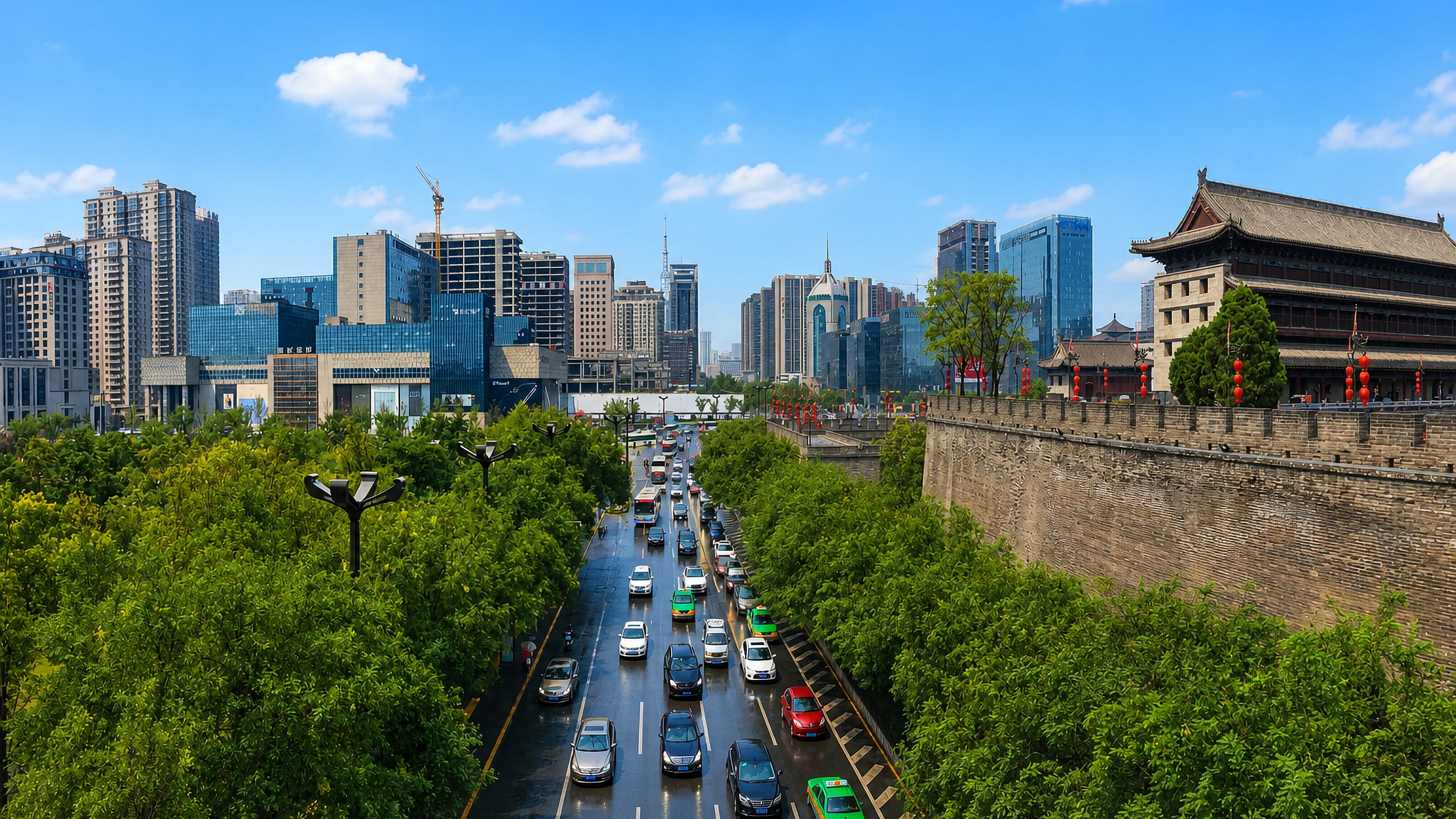
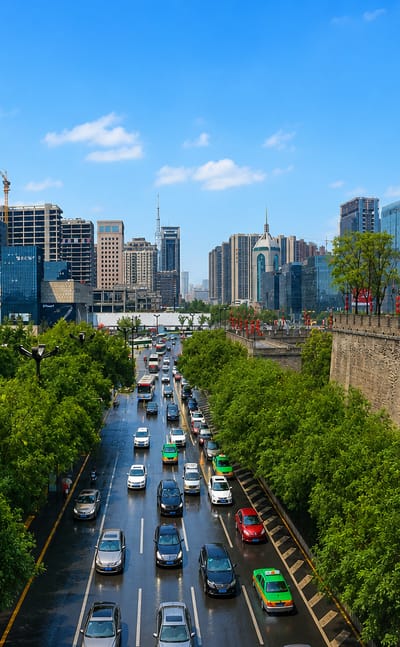
Old grey city walls ring Xi'an, the capital of Shaanxi on the Guanzhong plain, an ancient Chinese seat of power known for the Stele Forest.Where to stay →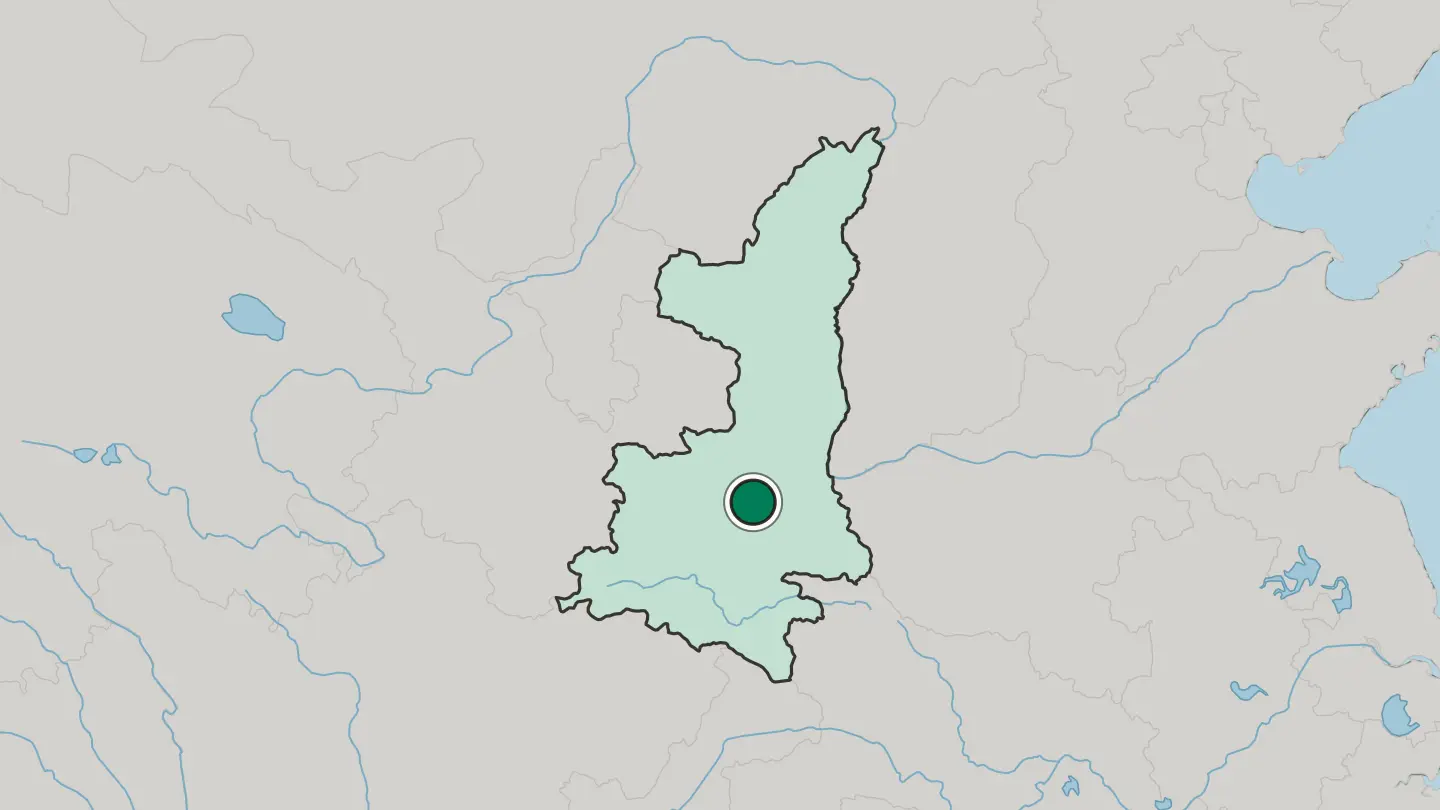
 China
China
Xianyang
Xianyang is a city on the Wei River in Shaanxi, China, once the capital of the First Emperor and the burial ground of Han and Tang rulers.Where to stay →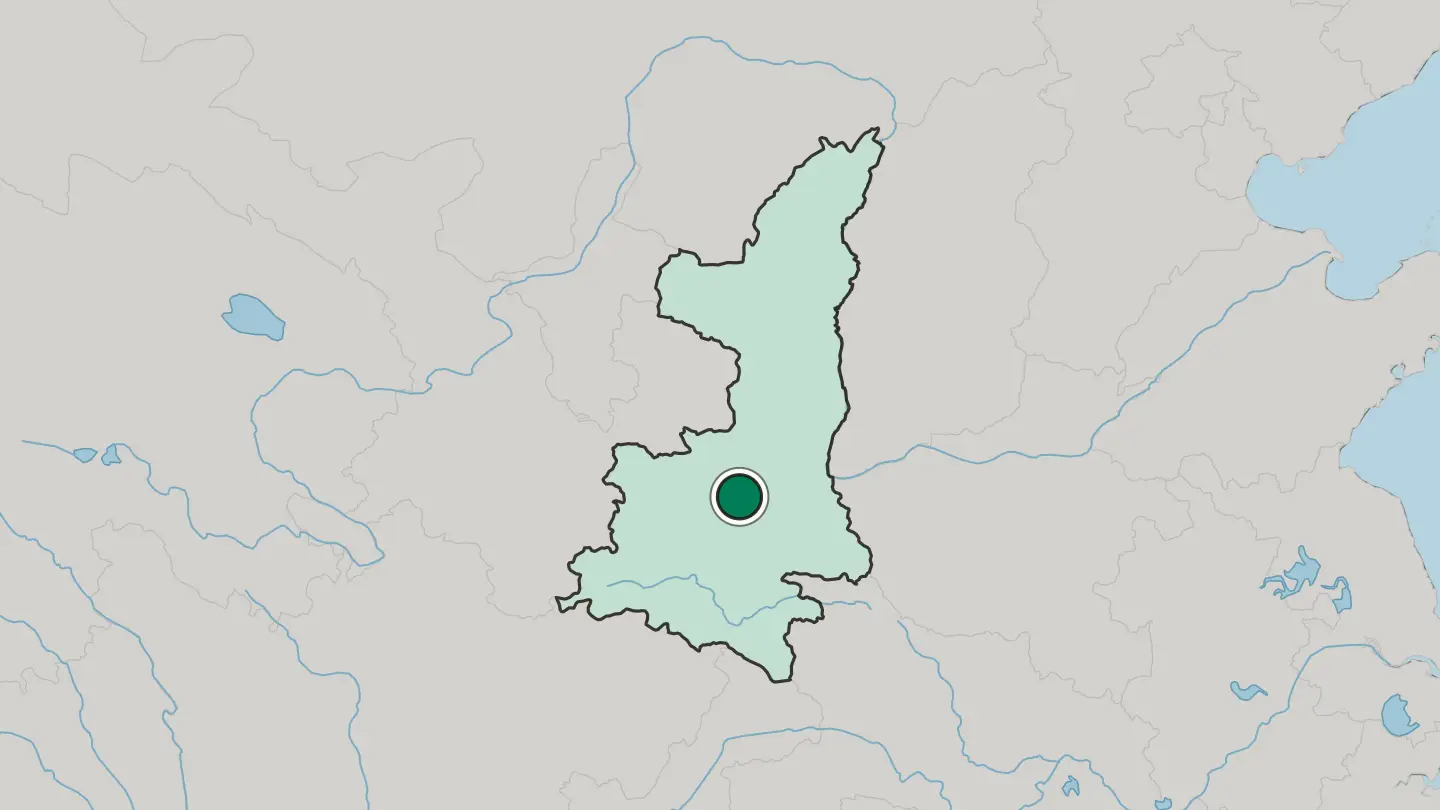
 China
China
Hanzhong
Hanzhong is a city on the Han River in southern Shaanxi, China, the cradle of the Han dynasty, ringed by mountains on the old plank roads to the north.Where to stay →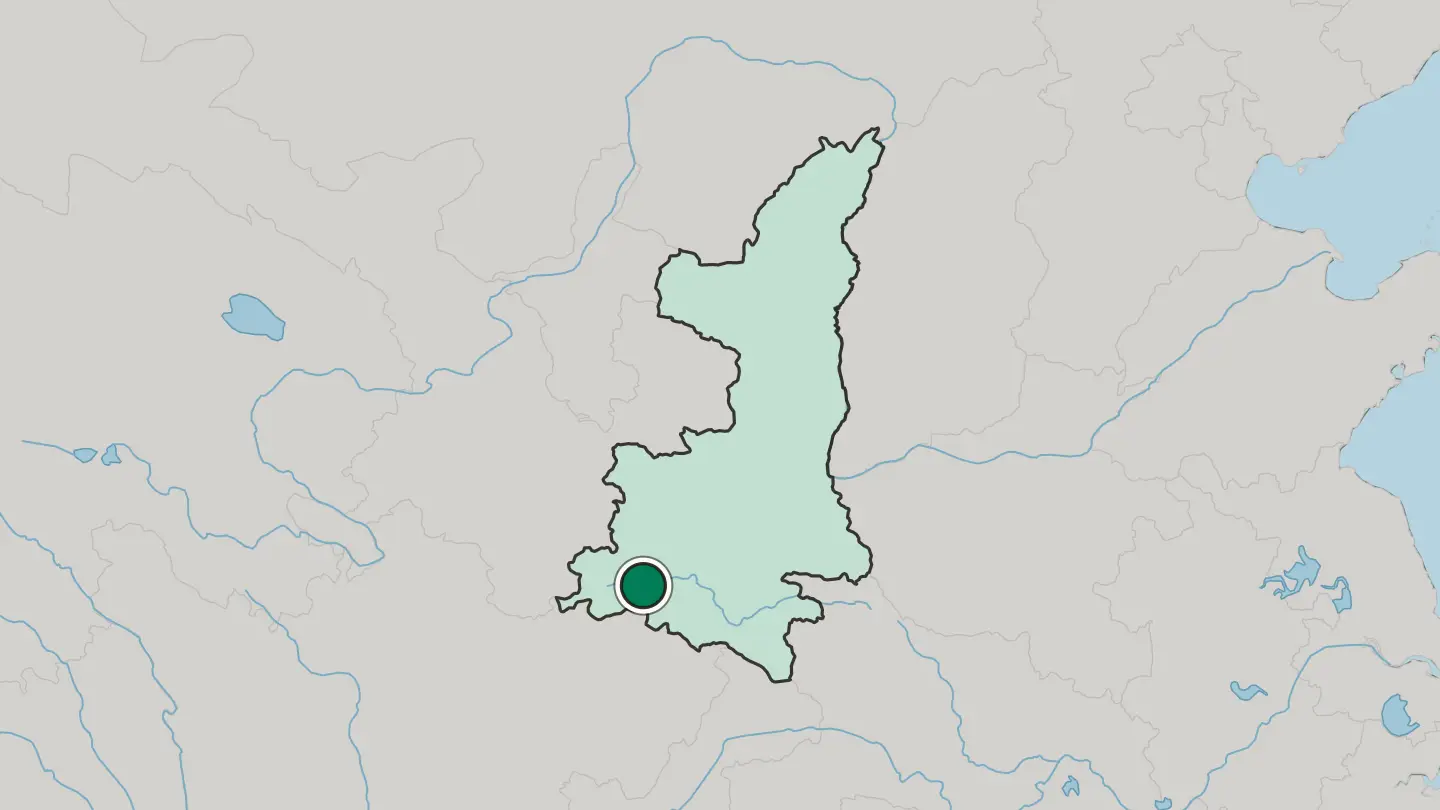
 China
China
Yan’an
Yan'an is a city on the loess plateau of Shaanxi in northern China, famous as the revolutionary base where the Long March ended.Where to stay →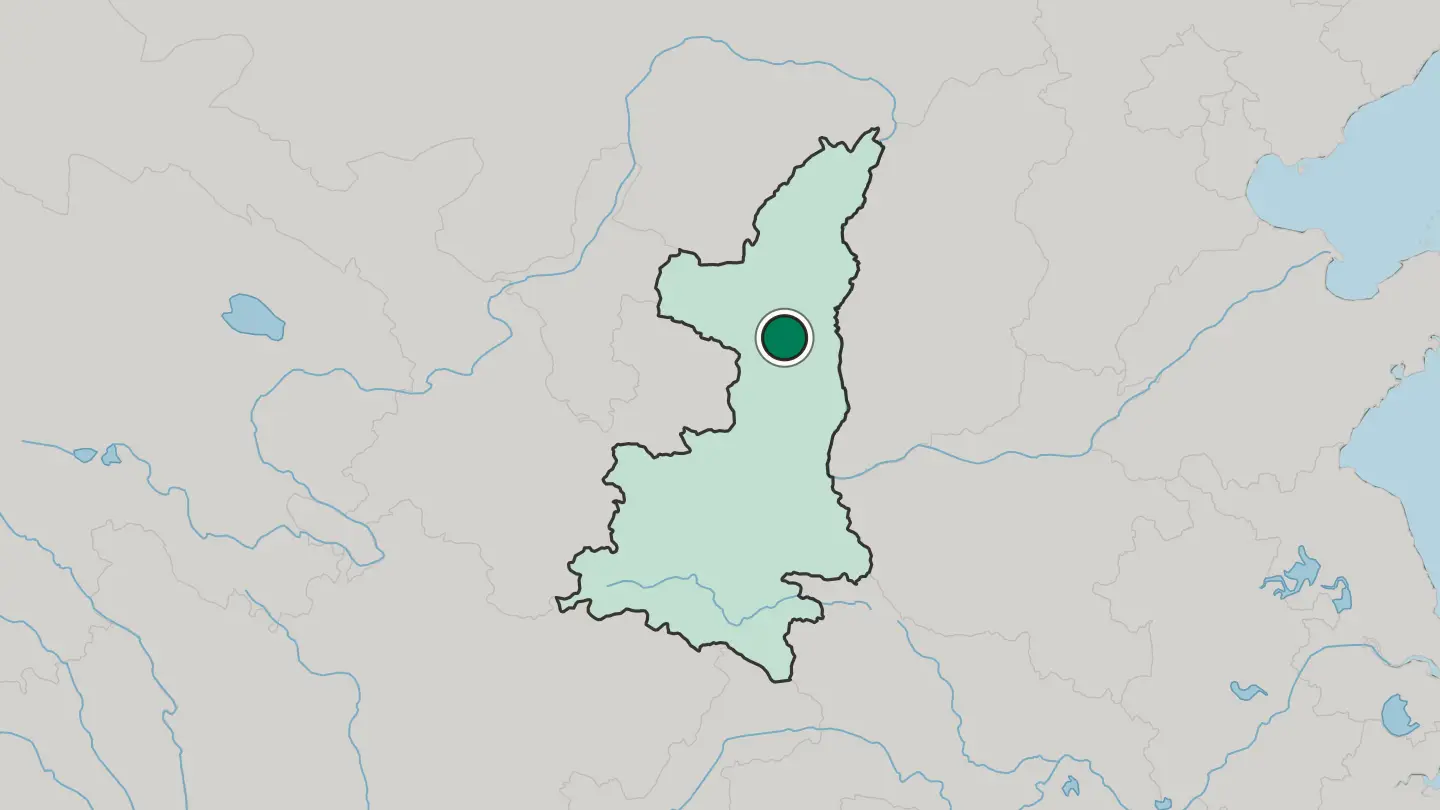
Hotel links are affiliate links: booking through them may earn us a commission, at no extra cost to you. It never affects how places are ranked. How this works
About Shaanxi
Shaanxi is the cradle of imperial China.
What is Shaanxi known for?
Its capital, Xi'an, ruled the empire as Chang'an for thirteen dynasties, from the Zhou through the Qin, Han, Sui, and Tang, and the city marked the eastern end of the Silk Road. Farmers digging a well near Lintong struck the buried Terracotta Army of Qin Shi Huang in 1974. The province stretches from the dry Loess Plateau in the north to the Qinling Mountains in the south.
In the middle sits the Wei River valley, the Guanzhong, where most people live.
Where is Shaanxi?
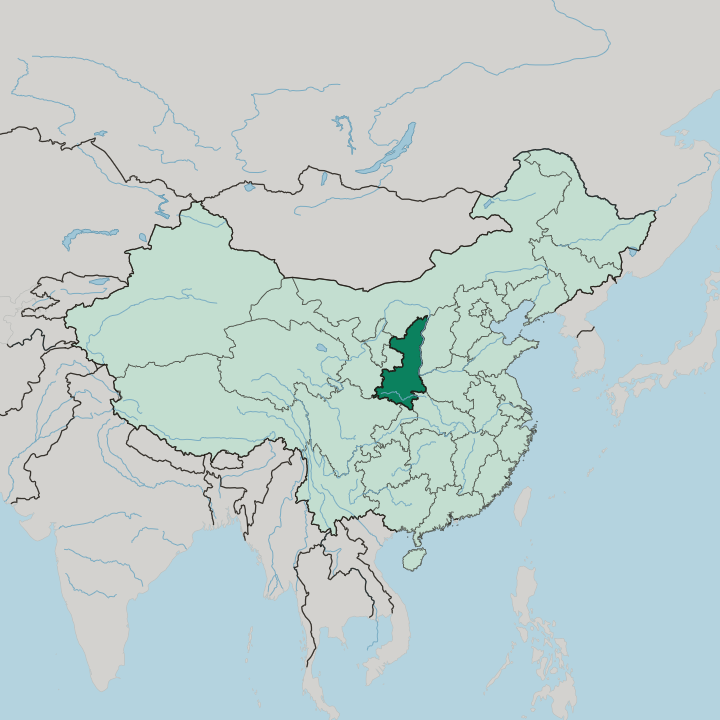
Shaanxi runs down the middle of China, long from north to south and pinched narrow across the waist. The province falls into three bands. In the north the Loess Plateau spreads its wind-blown yellow soil toward the Ordos Desert and the border with Inner Mongolia.
The Qinling Mountains wall off the south. Between the two lies the Wei River valley, the Guanzhong plain, and this is where Xi'an and most of the province's people sit. The Wei River is the spine of that middle band.
It crosses the province from west to east and empties into the Yellow River near Tongguan, on the border with Shanxi and Henan. The Qinling range does more than block the horizon south of Xi'an. It splits the watersheds of the Yellow River and the Yangtze, and it draws the line between northern and southern China itself.
South of that wall the land turns to the wet, wooded hills around Hanzhong and Ankang. Gansu and Ningxia lie to the west, Hubei and Sichuan to the south. The result is a province that gathers a desert edge, a river plain, and a mountain divide into one long strip.
What is Shaanxi like?
Shaanxi wears its imperial past plainly. Chang'an, now Xi'an, was the seat of power when China was at its widest and richest, and the province still frames itself as the hearth where the empire took shape. That claim is not just marketing.
The Terracotta Army stands guard over Qin Shi Huang east of the city, thousands of clay soldiers with individual faces, and the old Tang street grid still underlies the modern one. Culture here is loud and physical. The food tells the same story as the land.
North of the Qinling Mountains the fields grow wheat, so the plate is built on noodles, flatbread, and dumplings rather than rice. Xi'an's Muslim Quarter turns that into a street-food tradition of hand-pulled biang biang noodles and stuffed roujiamo. The old opera form, Qinqiang, is sung rough and full-throated, and Huaxian shadow puppets still play behind lit screens.
Mandarin Chinese is the shared tongue, spoken here in a blunt local accent. It is a culture rooted in soil, grain, and dynastic memory rather than polish.
What is the history of Shaanxi?
Thirteen dynasties made their capital in the Wei River valley here, over more than eleven centuries from the Zhou down to the Tang. Under the Western Han and then the Tang the city, then called Chang'an, grew into one of the largest cities on earth and the eastern anchor of the Silk Road. The First Emperor, Qin Shi Huang, was buried nearby with his Terracotta Army in the third century BC.
Power later drifted east. What stayed behind was the founding ground of the Chinese state.
What is the climate of Shaanxi?
The Qinling Mountains split Shaanxi's weather in two. North of the range, across the Guanzhong plain and the Loess Plateau, the climate is temperate and monsoon-driven, with cold dry winters, hot summers, and rivers that freeze. Rain falls mostly in summer.
South of the wall the air turns subtropical, wetter and greener, and the hills around Hanzhong stay warm enough to grow rice rather than wheat. Xi'an itself sees four sharp seasons and little winter snow.
How do you get to Shaanxi?
Most travellers land at Xi'an. Xianyang International Airport, northwest of the capital, is the province's main gateway and connects to the old city by metro and shuttle. High-speed trains pour into Xi'an North railway station from Beijing, Shanghai, and much of China, putting the province within a few hours of the coast.
From Xi'an, metro and rail reach the Terracotta Army at Lintong and the trailheads of Mount Hua to the east. Roads climb south over the Qinling Mountains toward Hanzhong.
Common questions
What is the best area to stay in Shaanxi?
Central Xi'an: the Bell Tower and Muslim Quarter street food. Lintong: waking near the Terracotta Army pits. The Qinling Mountains: forest and the north-south divide.
Good for
More regions in China
Updated September 2026