China · Shanxi
Where to Stay in Datong, Shanxi
Datong is an old city of northern Shanxi in China, once a capital of the Northern Wei, famed for the Buddhist cave carvings of the Yungang Grottoes.
Hotel links are affiliate links: booking through them may earn us a commission, at no extra cost to you. It never affects how places are ranked. How this works


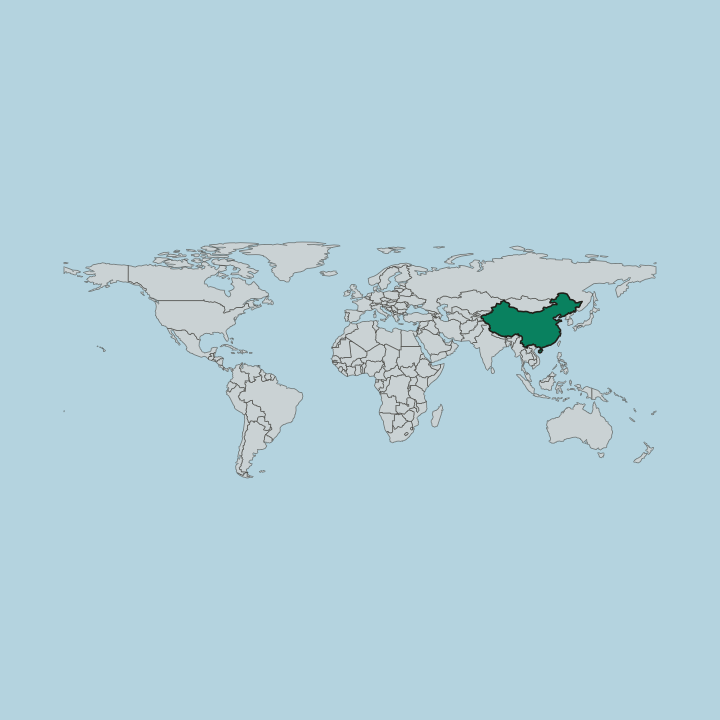
Where to stay in Datong
How the choice of base plays out on the ground.
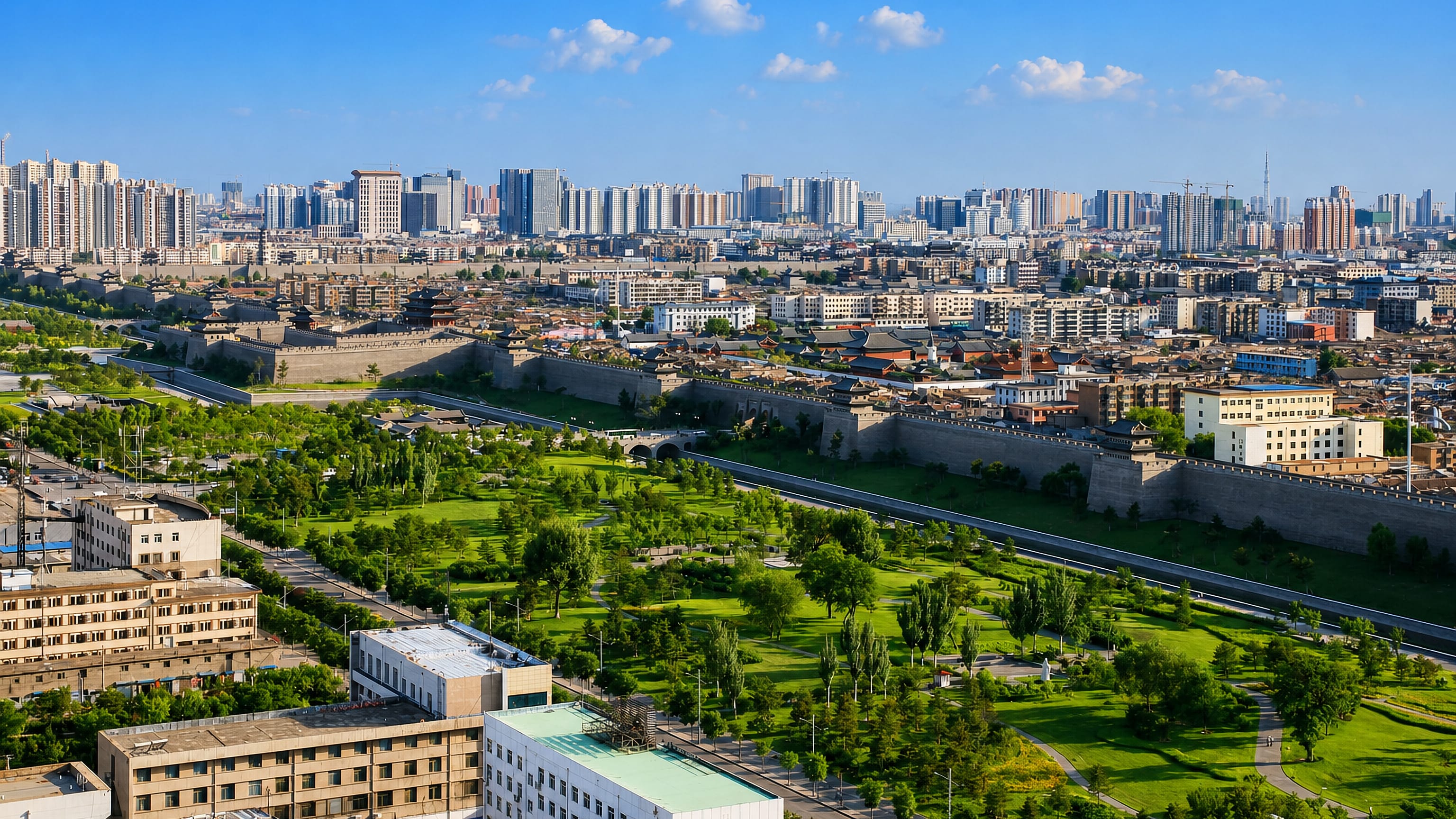
Where you stay in Datong turns on the old walled town or the newer city. The streets within the rebuilt walls keep the temples, the dragon screen, and the old lanes within a walk, and staying in the old town suits anyone here for the city. The walls ring the old streets.
Temples stand among the lanes. Out toward Yungang and the cliffs, the town gives way to the grottoes, gorges, and dry hills. A room near the caves trades the walls for the carved Buddhas, the cliff temple, and the bare mountains around.
The high plain runs cold beyond. Stay in the old town for the temples, or near Yungang for the caves. The old walls stand a short drive from the grottoes.
Find hotels in Datong
Direct booking searches for these neighbourhoods.
The old walled town
Within the rebuilt walls downtownFind hotels in The old walled townStays wanting the grottoes and cliff templeYungang and the cliffs
Out toward the caves and gorgesFind hotels in Yungang and the cliffsHotel links are affiliate links: booking through them may earn us a commission, at no extra cost to you. It never affects how places are ranked. How this works
Things to do in Datong
Ranked by global recognition; descriptions from Wikidata (CC0).
Museums & Galleries
3- Liang Sicheng Memorial Hall
- Heyang Art Museum
- Datong Urban Planning Exhibition Hall
Churches & Religious Sites
1- Cathedral of the Immaculate Heart of Mary in Datong
Stadiums & Sports
1- 大同工人体育场
worth knowingacross 3 categories in Datong
About Datong
Datong is the grotto city of the northern plateau.
What is Datong known for?
On the cold high plain of northern Shanxi near the Great Wall, it was the first capital of the Northern Wei fifteen centuries ago, and it keeps the vast Buddhist cave carvings of Yungang cut into a cliff, the rebuilt walls of the old city, a great glazed Nine-Dragon Screen, and the cliff-hung Hanging Temple in the gorge nearby. The high plain runs cold and bare. Old walls ring the town.
What are the main landmarks in Datong?
The Yungang Grottoes are the glory of Datong. The long cliff of Buddhist caves west of the city, its thousands of carved Buddhas cut in the fifth century, draws people from afar, the emblem of the city, above the road. A temple hangs on a cliff.
The Hanging Temple clings to a gorge wall in the mountains nearby, while the old city walls, the Nine-Dragon Screen, and the Huayan temple mark the town of Datong.
What is the history of Datong?
Datong was the capital of the Northern Wei. When the Wei rulers from the steppe held the north of China fifteen centuries ago, they made this frontier city their capital, and they carved the great Buddhist caves of Yungang in the cliffs outside the walls. Monks carved for decades.
Thousands of Buddhas were cut into the sandstone, from giant seated figures to tiny niches, in one of the wonders of early Buddhist art. The court moved south in the end. When the Wei shifted their capital away, Datong stayed a frontier stronghold facing the steppe, walled and garrisoned against the riders of the north.
War guarded the walls. Under the dynasties that followed the city held the Wall country and gained fine temples and the great dragon screen, and in modern times it grew rich on the coal beneath its plain. The old caves still hold their Buddhas.
Datong keeps its grottoes and its walls on the Shanxi plateau.
Where is Datong?
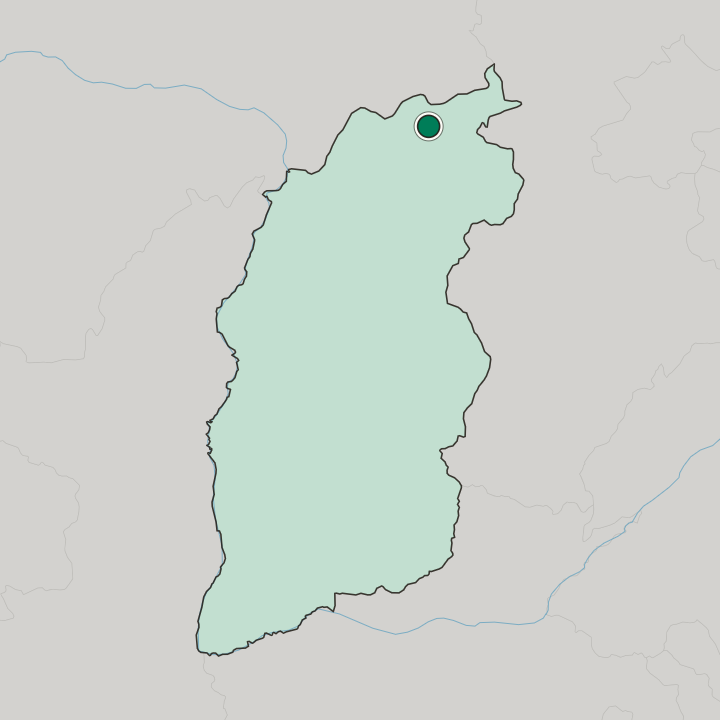
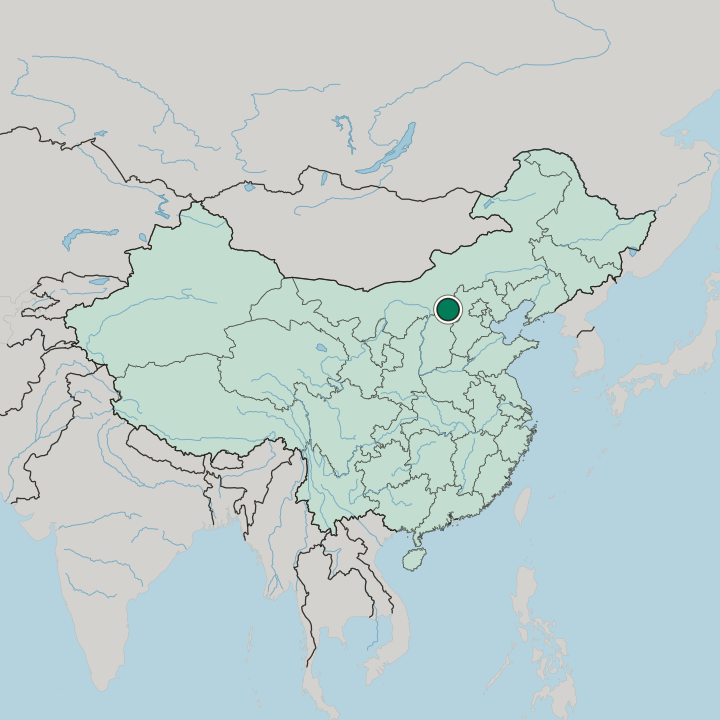
Datong lies in the far north of Shanxi in China, on a high plain below the mountains near the Great Wall. The city sits on a cold plateau where the loess uplands roll toward Inner Mongolia, with dry hills rising around and the Sanggan river crossing the plain, close to the old frontier of the Wall. Bare hills roll around the plain.
The uplands run north to the steppe.
What is the climate of Datong?
Datong has a cold, dry highland climate. Warm summers and long, freezing winters cross the high plain, swept by dry winds, with little rain and hard frost through the winter months. The winter bites on the plateau.
Dust blows in the spring winds.
How do you get to Datong?
Datong lies in northern Shanxi, on the road and rail between Beijing and the northwest. Fast trains and highways run to it across the plateau from Beijing and Taiyuan, and roads run out to the grottoes. Lanes cross the old walled town.
Beijing lies east down the line.
Common questions
What is the best area to stay in Datong?
The old walled town: Visitors here for the temples and dragon screen. Yungang and the cliffs: Stays wanting the grottoes and cliff temple.
Good for
Another city in Shanxi
Updated September 2026