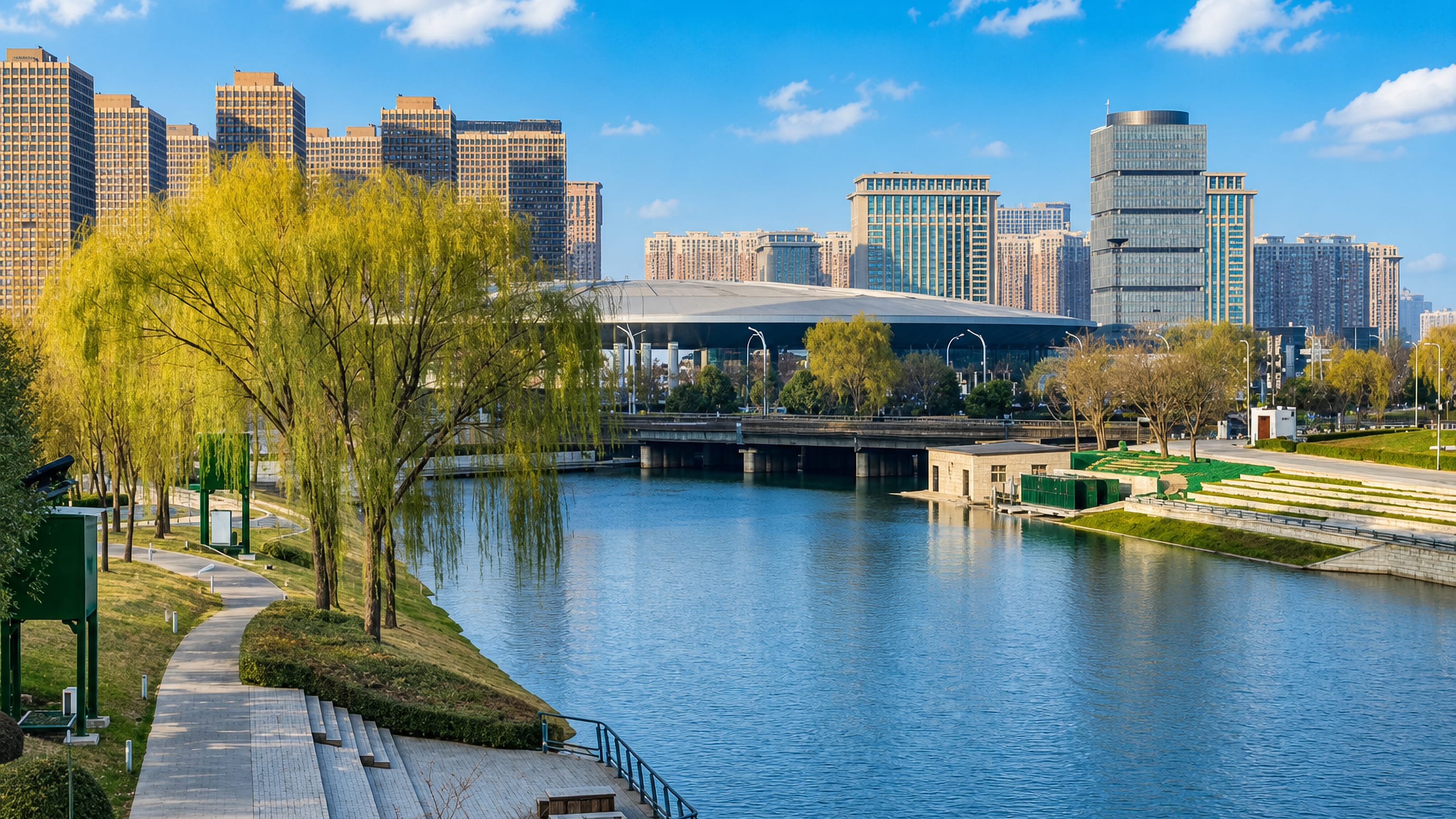
China
Shanxi, China — Towns & Travel Guide
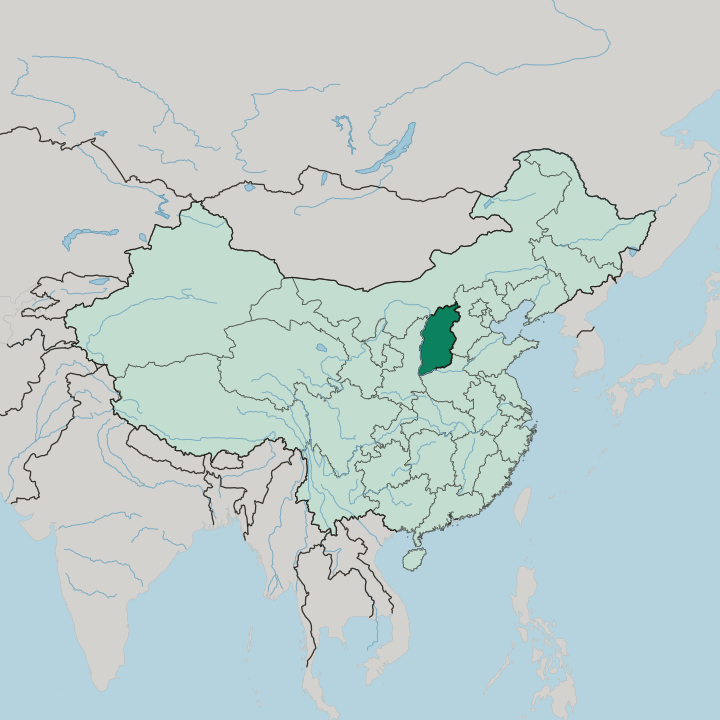
Shanxi is a province of North China, walled in by the Taihang range and edged by the Yellow River across a loess plateau.
Hotel links are affiliate links: booking through them may earn us a commission, at no extra cost to you. It never affects how places are ranked. How this works


Towns & cities in Shanxi
Pick a town or city — each links to where to stay.

 China
China
Taiyuan
Taiyuan is the capital of Shanxi province in northern China, an ancient city on the Fen River below the loess hills.Where to stay →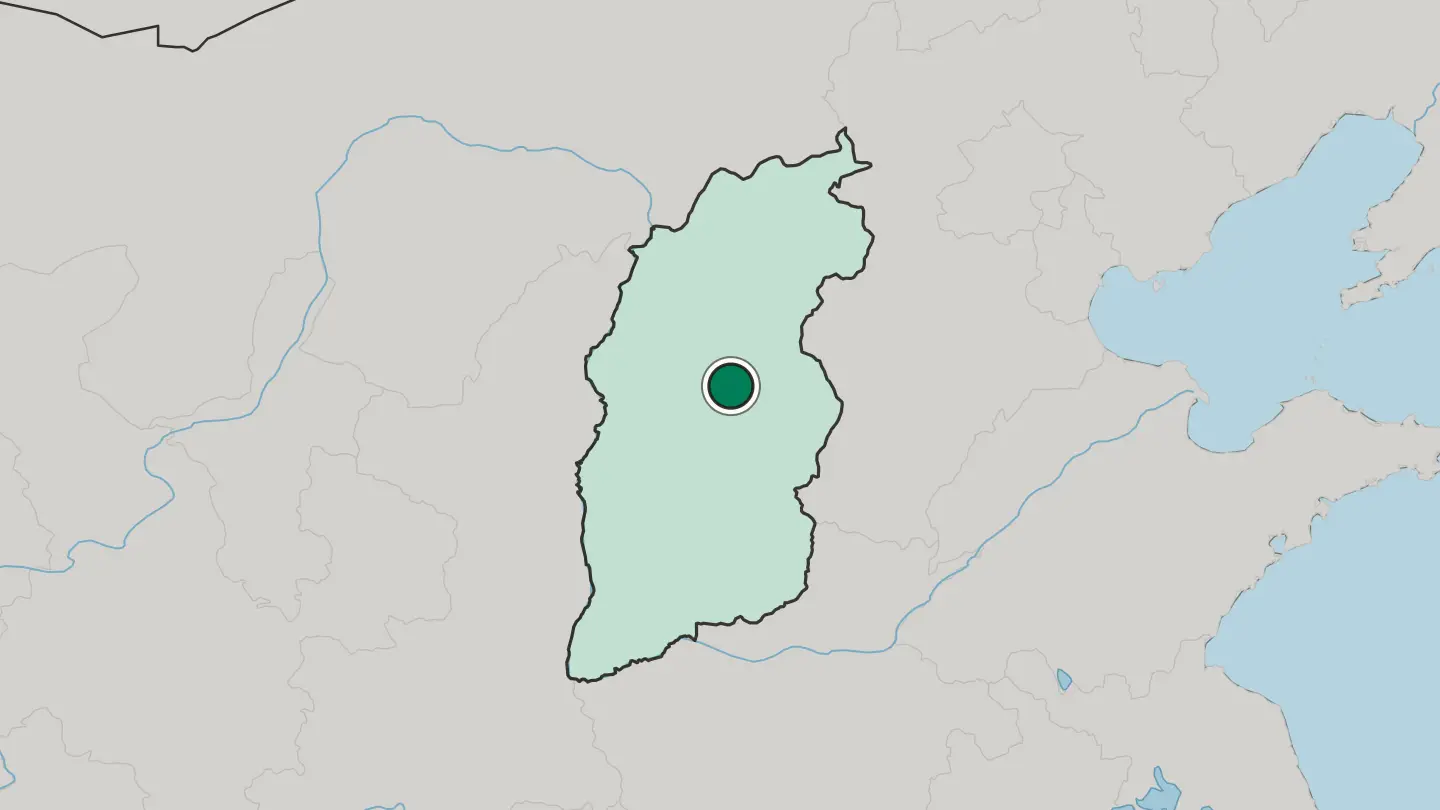
 China
China
Datong
Datong is an old city of northern Shanxi in China, once a capital of the Northern Wei, famed for the Buddhist cave carvings of the Yungang Grottoes.Where to stay →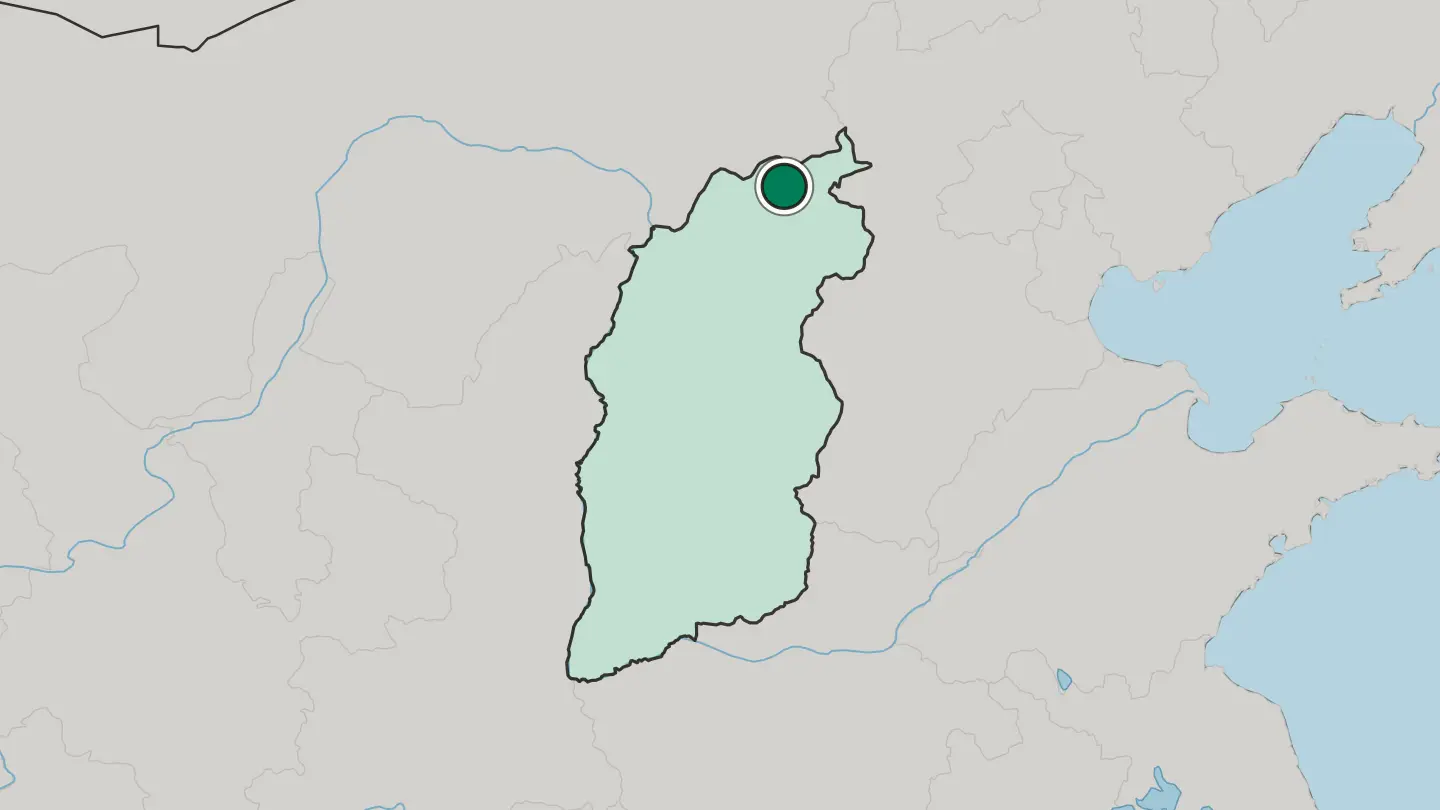
Hotel links are affiliate links: booking through them may earn us a commission, at no extra cost to you. It never affects how places are ranked. How this works
About Shanxi
What is Shanxi known for?
Shanxi keeps more old buildings than any other Chinese province. It is the timber-frame museum of the country. The walled city of Pingyao survives almost whole, the Yungang Grottoes near Datong hold thousands of Buddhas cut into sandstone cliffs, and Mount Wutai rises as one of China's four holy Buddhist peaks.
Coal built the modern economy, and merchant banking was invented here. Its name means simply west of the mountains.
Where is Shanxi?
Shanxi fills a plateau in North China, wedged between the Yellow River and the Taihang Mountains. Its name says as much. The great range walls the province off along its eastern edge, giving Shanxi the meaning west of the mountains, while the Yellow River loops down the western side to mark the border with Shaanxi and then swings east along the south. Hebei lies over the Taihang to the east, Henan to the south, and Inner Mongolia across the north.
The land itself is high ground. Two-thirds of the province is loess plateau, a thick blanket of wind-blown silt cut by ravines, sitting well above the surrounding lowlands. Down the middle runs the Fen River, threading a chain of loess basins from the northeast to the southwest, and it is this valley that has carried settlement and farming for millennia.
To the west the Lüliang Mountains separate that valley from the Yellow River gorge. Mount Wutai rises in the northeast, its main summit the tallest ground in all of North China. Rivers, ranges and plateau lock together here.
The rim is stone; the floor is silt.
What is Shanxi like?
Shanxi trades on age. The province shelters more than seven in ten of China's wooden buildings that predate or belong to the Song dynasty, so a drive through the countryside passes temple halls and pagodas that stood before most of Europe's cathedrals. Datong was once the capital of the Northern Wei, and their craftsmen carved the Yungang Grottoes and their thousands of Buddha figures into the cliffs.
Money is the other legacy. In the walled town of Pingyao, Shanxi merchants opened the first Chinese draft banks in the nineteenth century, the piaohao that moved silver across the empire on paper notes. Their courtyard mansions still stand.
The local Jin dialect, thick and tonal, once served as a trading tongue along the northern routes. Vinegar rules the table here, aged and sour, poured over hand-cut noodles that come in dozens of shapes. Wheat, not rice, is the staple across this dry plateau.
Pilgrims climb Mount Wutai to its monasteries, one of the four mountains sacred to Chinese Buddhism. Old faith and old commerce sit side by side.
What is the history of Shanxi?
This land was the heart of the state of Jin during the Spring and Autumn period, and its old name Jìn still stands for the province. Jin was carved apart in 403 BC, split among the houses of Han, Zhao and Wei, an event historians take as the start of the Warring States era. Centuries later Datong became the capital of the Northern Wei, whose rulers cut the Yungang Grottoes.
Later still, Pingyao's bankers financed a dynasty. Layer upon layer settled on the plateau.
What is the climate of Shanxi?
Shanxi runs dry and continental. Winters bite hard on the plateau, with January nights dropping well below freezing and little snow to soften them. Summers turn warm and humid, and most of the year's rain falls in a short burst from July into August, feeding the Fen River before the long dry months return.
Spring and autumn are the clear, mild windows travellers aim for. The loess holds the cold.
How do you get to Shanxi?
Most travellers reach Shanxi through Taiyuan, whose Wusu airport is the province's busiest and whose high-speed trains run from Beijing in a few hours and from Xi'an in less. From the capital, rail threads north to Datong and south through Pingyao, tying the walled towns and the grottoes into one line. Buses climb from the valley up to Mount Wutai.
Rail carries nearly everything else.
Common questions
What is the best area to stay in Shanxi?
Taiyuan: arriving and connecting onward. Pingyao: the walled merchant city. Datong: the northern grottoes. Mount Wutai: the holy mountain pilgrimage.
Good for
More regions in China
Updated September 2026