China · Shanxi
Where to Stay in Taiyuan, Shanxi
Taiyuan is the capital of Shanxi province in northern China, an ancient city on the Fen River below the loess hills.
Hotel links are affiliate links: booking through them may earn us a commission, at no extra cost to you. It never affects how places are ranked. How this works


Where to stay in Taiyuan
Where visitors usually base themselves, and why.
Where you stay in Taiyuan turns on the centre or the temples. The blocks around the old centre and the river keep the museums, the shops, and the stations within reach, and staying downtown suits anyone here for the city. The wide avenues run straight and long.
Rooms sit near the river. Out toward Jinci and the western hills, the city gives way to shrines and slopes. A room near the temple trades the centre for the gardens, the springs, and the quiet of the hills.
The loess ridges rise past the edge. If you want the shops and the museums, stay downtown; if you want the temples, take a room to the west. Either way, the centre is close at hand.
Find hotels in Taiyuan
Direct booking searches for these neighbourhoods.
The centre
Around the old centre within reach of the sightsFind hotels in The centreStays wanting the temples and springsThe western hills
Toward Jinci among the shrines and slopesFind hotels in The western hillsHotel links are affiliate links: booking through them may earn us a commission, at no extra cost to you. It never affects how places are ranked. How this works
Things to do in Taiyuan
Ranked by global recognition; descriptions from Wikidata (CC0).
Museums & Galleries
1- Shanxi Museum
Churches & Religious Sites
3- Jinci Temple Heritage
- Cathedral of the Immaculate Conception in Taiyuan Heritage
- Taiyuan Ancient Mosque Heritage
Castles & Historic Sites
3- Tianlongshan Grottoes Heritage
- Longshan Grotto Heritage
- Wangjiafeng Tombs Heritage
worth knowingacross 3 categories in Taiyuan
About Taiyuan
Taiyuan is the old dragon city of Shanxi.
What is Taiyuan known for?
On the Fen River in the coal country of the north, it grew from ancient Jinyang, a great city of warlords and emperors, and it keeps the beautiful Jinci temple with its Song-dynasty hall, the twin pagodas that stand for the city, and grottoes carved in the hills around. The loess plateau rings the plain. Temples and coal mark the city.
What are the main landmarks in Taiyuan?
The Jinci temple is the treasure of Taiyuan. The ancient shrine at the foot of the hills, with its Song-dynasty Hall of the Sage Mother and a spring of clear water, stands southwest of the city, the emblem of the town, among old cypresses. Twin pagodas rise to the southeast.
The tall brick towers of Yongzuo temple, the symbol of Taiyuan, look over the plain, while the grottoes, the old mosque, and the Shanxi Museum mark the city of Taiyuan.
What is the history of Taiyuan?
Taiyuan grew from the ancient city of Jinyang. For more than two thousand years a great city stood here on the Fen, a stronghold that guarded the north and bred warlords and emperors, until a Song emperor razed old Jinyang to the ground for its defiance. A new city rose beside the ruins.
Rebuilt on the river, Taiyuan became the capital of Shanxi and a fortress of the northern frontier against the steppe. Faith and trade filled the valley. Temples and grottoes rose in the hills, chief among them the Jinci shrine to the mother of the Jin lords, and the Shanxi merchants who ran China's first banks made the province rich.
Then coal made it an industrial city. In the modern age Taiyuan grew huge on the coal and iron of Shanxi, ringed by mines and mills, a smoky capital of the north. The old temples still stand in the hills.
Taiyuan keeps its temples and its river in Shanxi.
Where is Taiyuan?
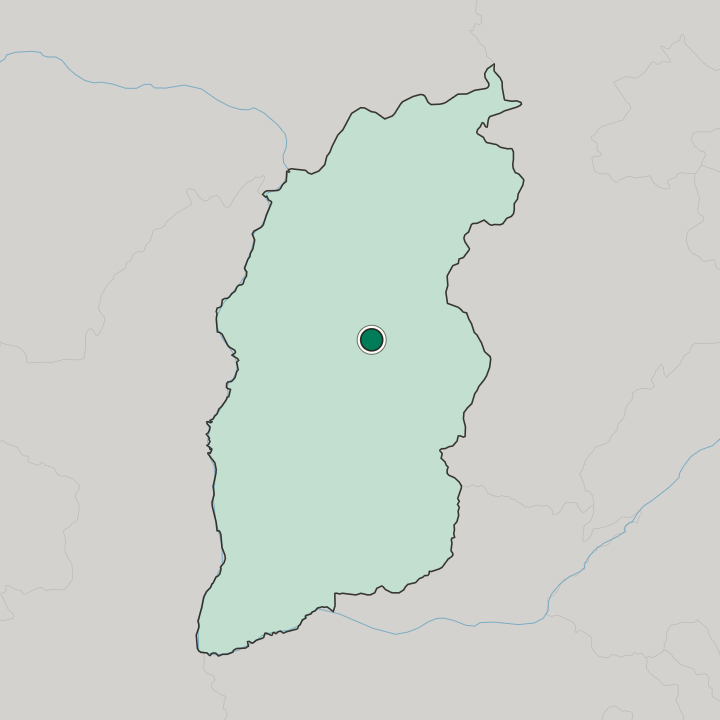
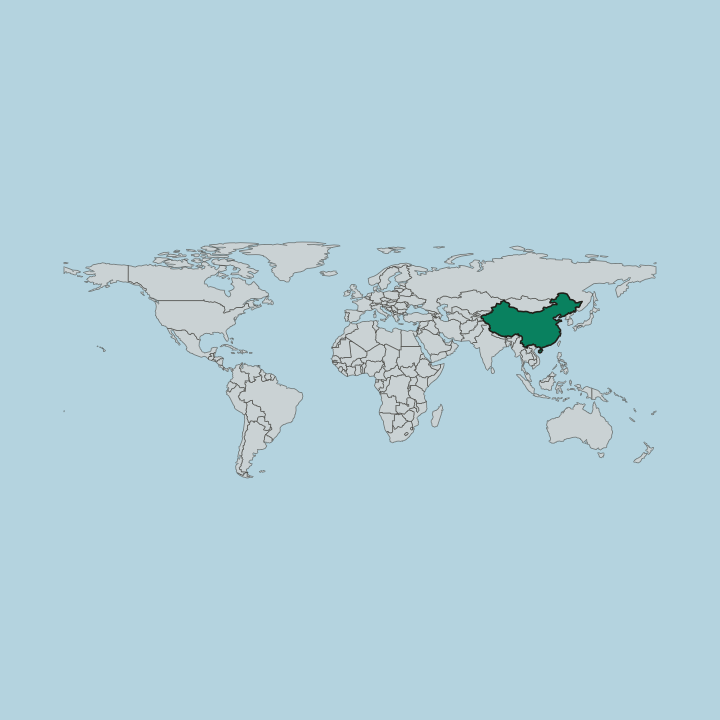
Taiyuan lies in a basin of the Fen River in central Shanxi, northern China. The city sits on a plain ringed by the loess mountains, where the river runs down from the north through the coal country, far inland from the sea. Bare loess ridges rise around.
The river runs south through the basin.
What is the climate of Taiyuan?
Taiyuan has a dry continental climate. Warm summers and cold, dry winters cross the basin, and most of the little rain falls in the summer, with dust and wind off the loess in spring, and hard frost in winter. Dust hazes the basin in the dry months.
The plateau air stays dry and clear.
How do you get to Taiyuan?
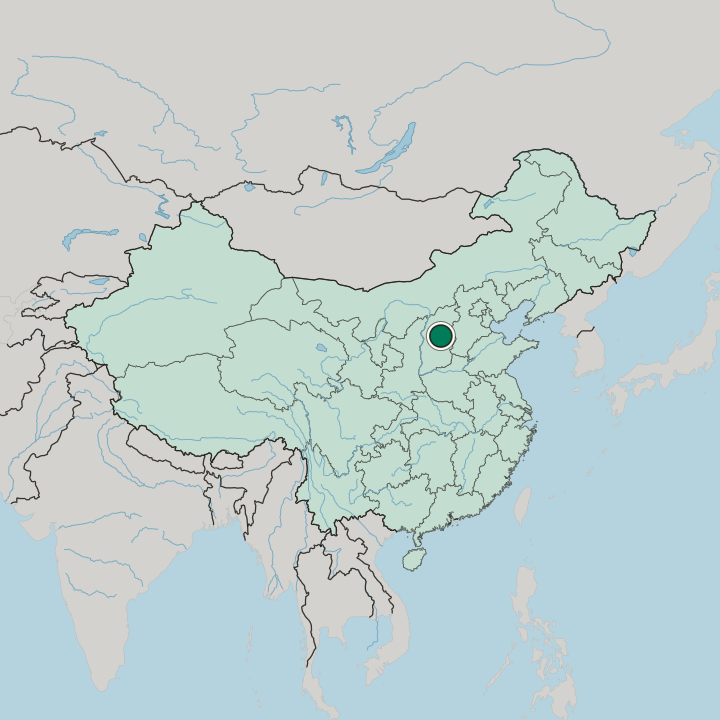
Taiyuan lies in central Shanxi, southwest of Beijing. Fast trains and the expressway run to it from Beijing and Xi'an through the mountains, and an airport serves the city, while roads climb into the loess country. Buses reach the mining towns around.
Most arrive by rail from Beijing.
Common questions
What is the best area to stay in Taiyuan?
The centre: Visitors here for the museums, shops, and river. The western hills: Stays wanting the temples and springs.
Good for
Another city in Shanxi
Updated September 2026