Germany · Brandenburg
Where to Stay in Frankfurt (Oder), Brandenburg
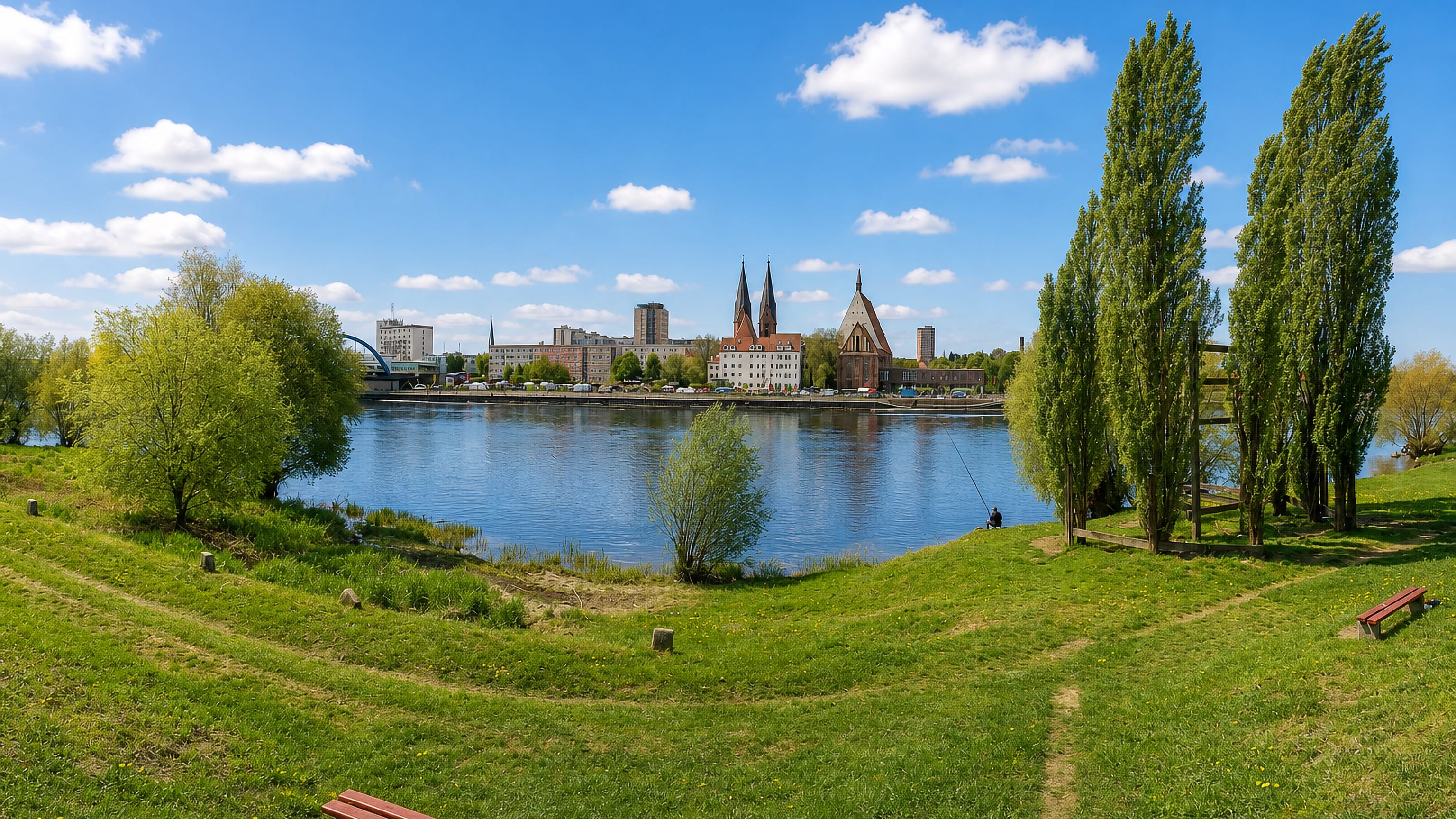
The Oder runs past Frankfurt (Oder), an eastern German city in Brandenburg on the Polish border, known for the Kleist Museum and Lake Helenesee.
Hotel links are affiliate links: booking through them may earn us a commission, at no extra cost to you. It never affects how places are ranked. How this works


Where to stay in Frankfurt (Oder)
Where you base yourself shapes the visit — here's the character of each area.

 Frankfurt (Oder)Germany
Güldendorf
The Frankfurt (Oder) TV tower and the Dorfkirche Güldendorf are the two landmarks recorded for Güldendorf, a district of under three square kilometres.Where to stay →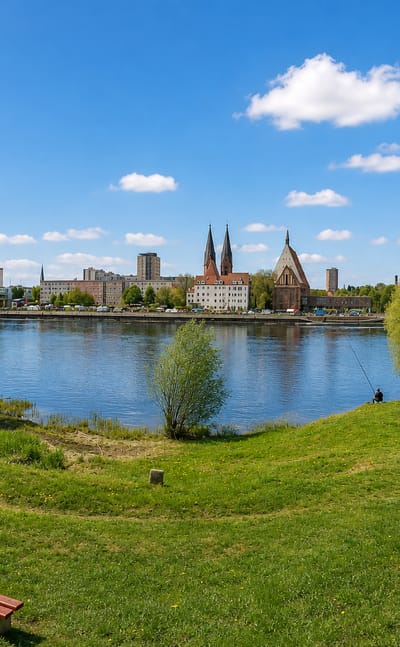 Frankfurt (Oder)Germany
Kliestow
Kliestow, written Cliestow in official use, is an Ortsteil of Frankfurt (Oder) built around its Dorfkirche.Where to stay →Hotel links are affiliate links: booking through them may earn us a commission, at no extra cost to you. It never affects how places are ranked. How this works
Find hotels in Frankfurt (Oder)
Direct booking searches for these neighbourhoods.
The riverside old town
The Sankt-Gertraud-Kirche and the Concert Hall Carl Philipp Emanuel Bach ring the centre by the Oder, near the bridge to Słubice.Find hotels in The riverside old townQuiet nights near open water and woodsThe pinewood edge by Helenesee
Lake Helenesee lies among the pines at the southern edge, out past the Frankfurt Charterhouse and the Frankfurt (Oder) TV tower.Find hotels in The pinewood edge by HeleneseeHotel links are affiliate links: booking through them may earn us a commission, at no extra cost to you. It never affects how places are ranked. How this works
Things to do in Frankfurt (Oder)
Ranked by global recognition; descriptions from Wikidata (CC0).
Museums & Galleries
1- Museum Junge Kunst
Churches & Religious Sites
4- Friedenskirche Frankfurt (Oder) Heritage
- Sankt-Gertraud-Kirche, Frankfurt Heritage
- Concert Hall Carl Philipp Emanuel Bach Heritage
- Dorfkirche Güldendorf Heritage
Castles & Historic Sites
3- Karl Marx monument Heritage
- Memorial for Heinrich von Kleist Heritage
- Sepulchral monument for Ewald Christian von Kleist
Landmarks & Notable Places
3- Logenhaus Heritage
- Rote Kaserne Heritage
- Frankfurt (Oder) TV tower
worth knowingacross 4 categories in Frankfurt (Oder)
About Frankfurt (Oder)
What is Frankfurt (Oder) known for?
Frankfurt (Oder) is known as the largest German city on the Oder, a river town in Brandenburg tied by bridge to the Polish town of Słubice across the water. The Kleist Museum honours the writer Heinrich von Kleist, and the Concert Hall Carl Philipp Emanuel Bach carries a composer's name. Art fills the Museum Junge Kunst.
The river marks the edge of Germany here. Lake Helenesee lies within the city limits, a stretch of open water among the pines.
What are the main landmarks in Frankfurt (Oder)?
Frankfurt (Oder) gathers its landmarks near the Oder in the old centre. The Kleist Museum honours the writer Heinrich von Kleist, while the Concert Hall Carl Philipp Emanuel Bach and the Museum Junge Kunst stand among the streets nearby. Churches mark the town's parishes.
The Sankt-Gertraud-Kirche and the Friedenskirche Frankfurt (Oder) rise over the centre, and the Frankfurt Charterhouse recalls an older foundation. The Museum Viadrina keeps the city's story, and the Frankfurt (Oder) TV tower stands above the skyline.
What is the history of Frankfurt (Oder)?
Frankfurt (Oder) took its charter in 1201 on the western bank of the Oder, a trading town on the river road in what became Brandenburg. Merchants and a river crossing made it. The town grew rich on the trade that moved along the Oder, and its old foundations, the Frankfurt Charterhouse and the Sankt-Gertraud-Kirche among them, still mark the years when Frankfurt stood as one of the mercantile towns of the eastern marches.
The Oder carried its wealth. Across the river, the quarter that is now the Polish town of Słubice was part of Frankfurt until 1945, joined to it by the bridge over the water. The city gave its name to the writer Heinrich von Kleist, honoured at the Kleist Museum, and to the composer whose name the Concert Hall Carl Philipp Emanuel Bach carries.
War passed hard over the town. The Museum Viadrina holds the record of that long past. Frankfurt (Oder) has changed a great deal in stone.
The Oder still divides the land. The old town keeps its river.
Where is Frankfurt (Oder)?
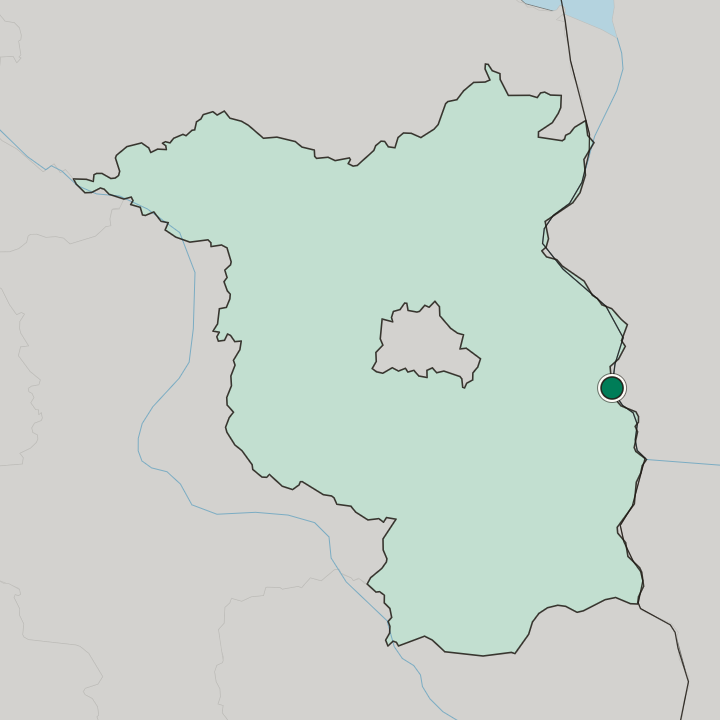
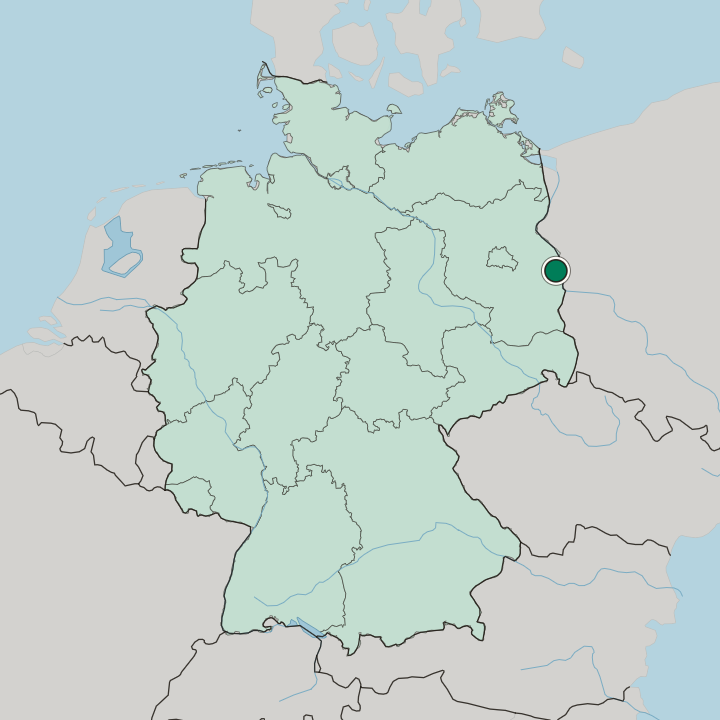
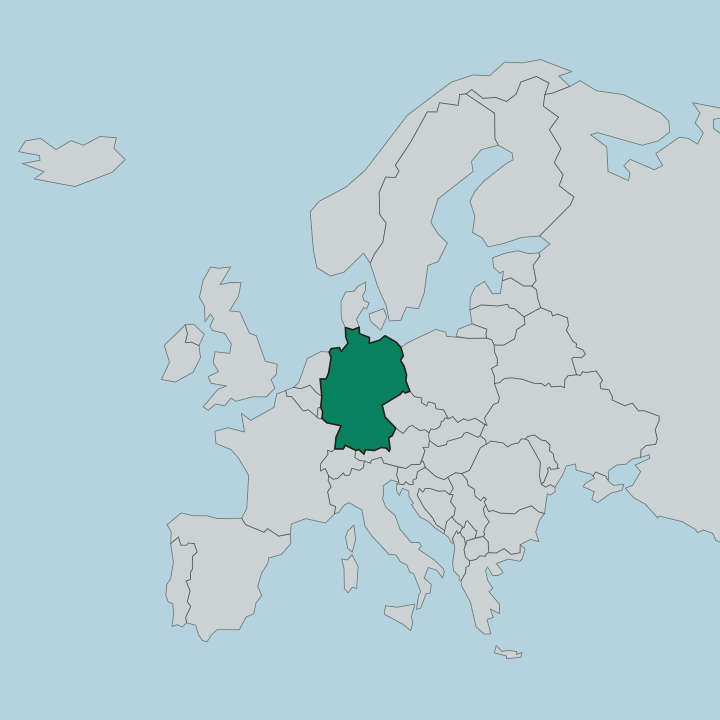
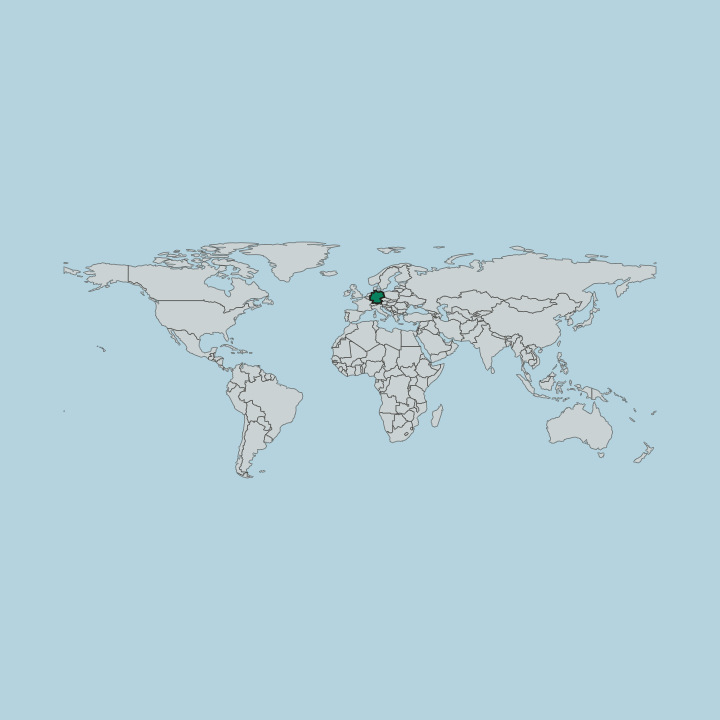
Frankfurt (Oder) lies in eastern Germany, on the western bank of the Oder in Brandenburg, at the border with Poland. The river runs along its edge, with the Polish town of Słubice on the far bank. Flat country stretches around it.
Lake Helenesee sits among the pinewoods within the city limits to the south. Frankfurt (Oder) stands east of Berlin, one of the easternmost cities of Germany on the Oder.
What is the climate of Frankfurt (Oder)?
Frankfurt (Oder) has a cool continental climate, set inland on the Oder far from the softening sea. Summers are warm and often dry, with long clear days over the river and the flat country of eastern Brandenburg before the heat breaks in late storms. Winters are cold and grey.
Frost settles over the Oder valley through the dark months, and snow lies on the pinewoods by Lake Helenesee. The seasons swing wide here.
How do you get to Frankfurt (Oder)?
Frankfurt (Oder) sits on the rail line east from Berlin to the Polish border, an easy run across the flat land of Brandenburg. Trains reach the city and cross the Oder by the bridge toward Słubice on the far bank. Roads run east from Berlin to the river, and the Oder itself divides Germany from Poland along the whole eastern edge of the town.
Every route ends at the water. The bridge carries the rest across.
Common questions
What is the best area to stay in Frankfurt (Oder)?
The riverside old town: Visitors drawn to the Kleist legacy and the river crossing. The pinewood edge by Helenesee: Quiet nights near open water and woods.
Good for
More cities in Brandenburg
Updated October 2026