Germany · Land Berlin
Where to Stay in Berlin, Land Berlin
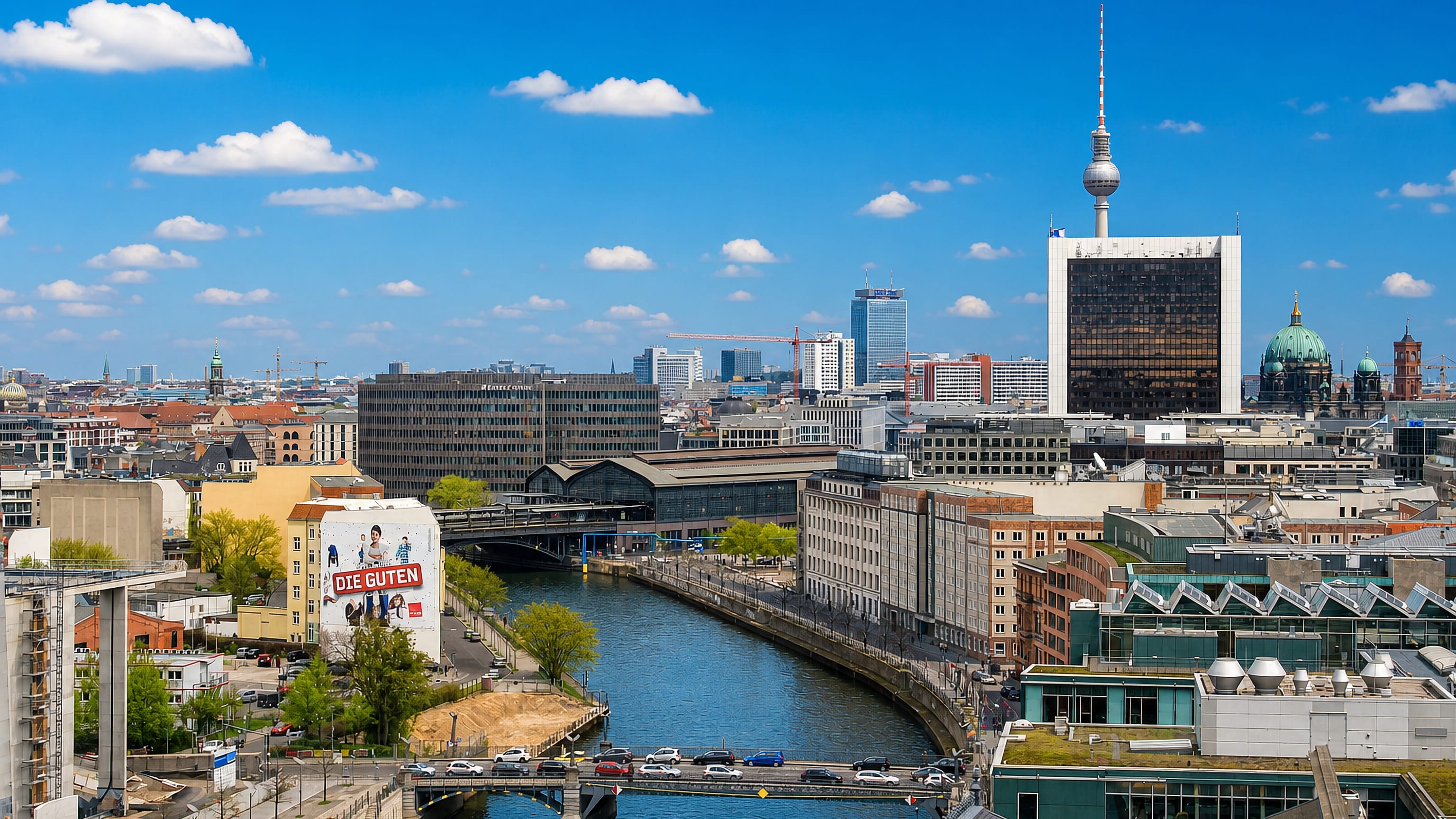
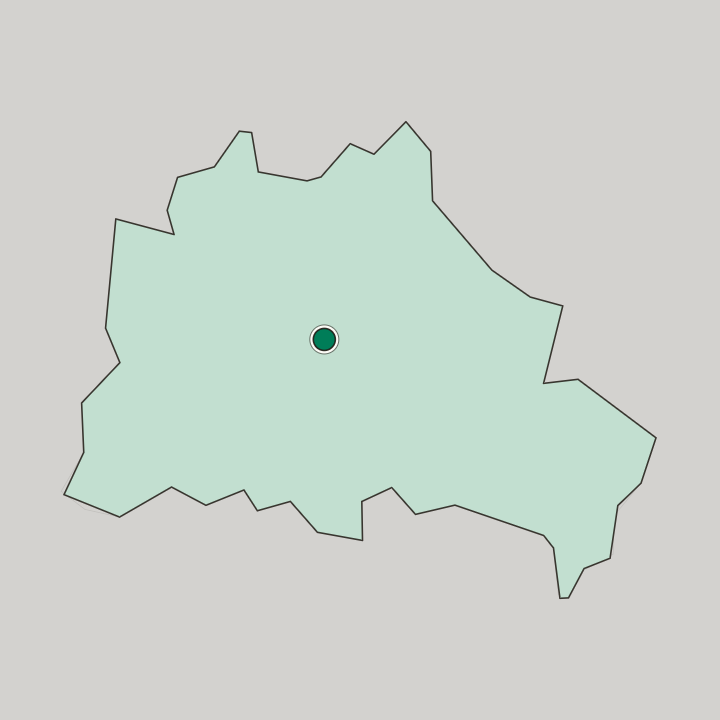
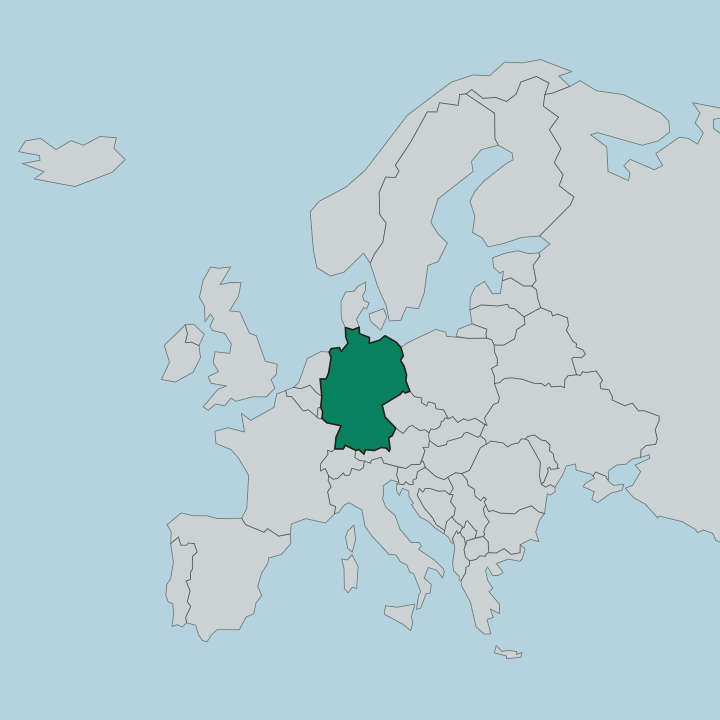
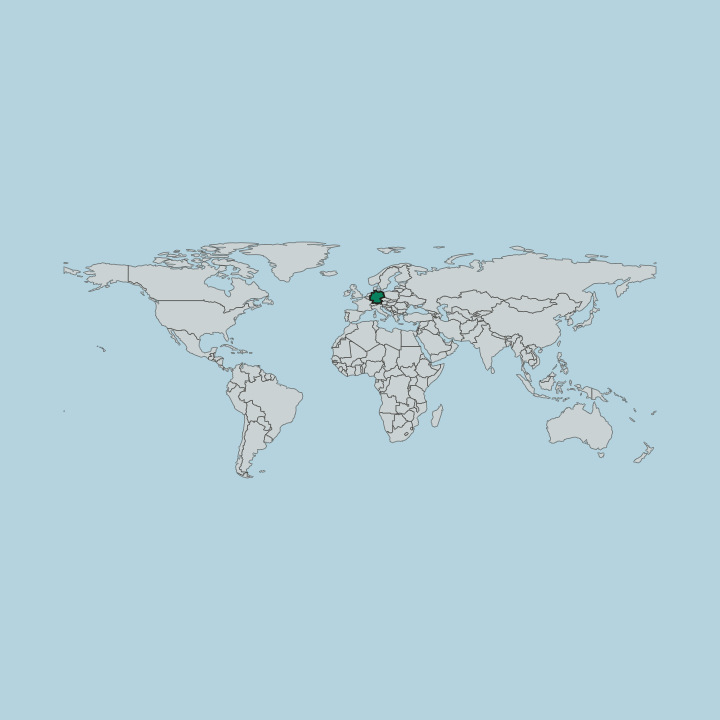
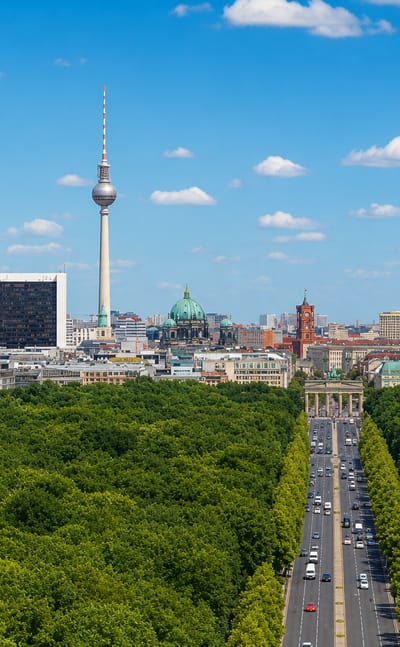
Berlin is the capital of Germany, a city-state where grand museums and monuments gather around the Brandenburg Gate and Museum Island.
Hotel links are affiliate links: booking through them may earn us a commission, at no extra cost to you. It never affects how places are ranked. How this works


Where to stay in Berlin
Where you base yourself shapes the visit — here's the character of each area.
 BerlinGermany
Tiergarten
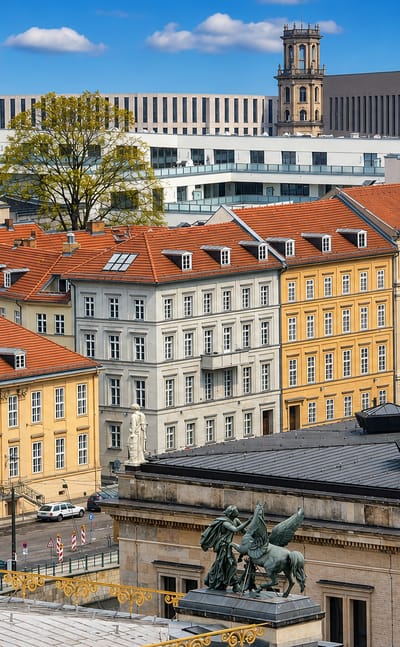
Tiergarten forms the green centre of Berlin, holding the Brandenburg Gate, the Reichstag and a run of great national museums.Where to stay →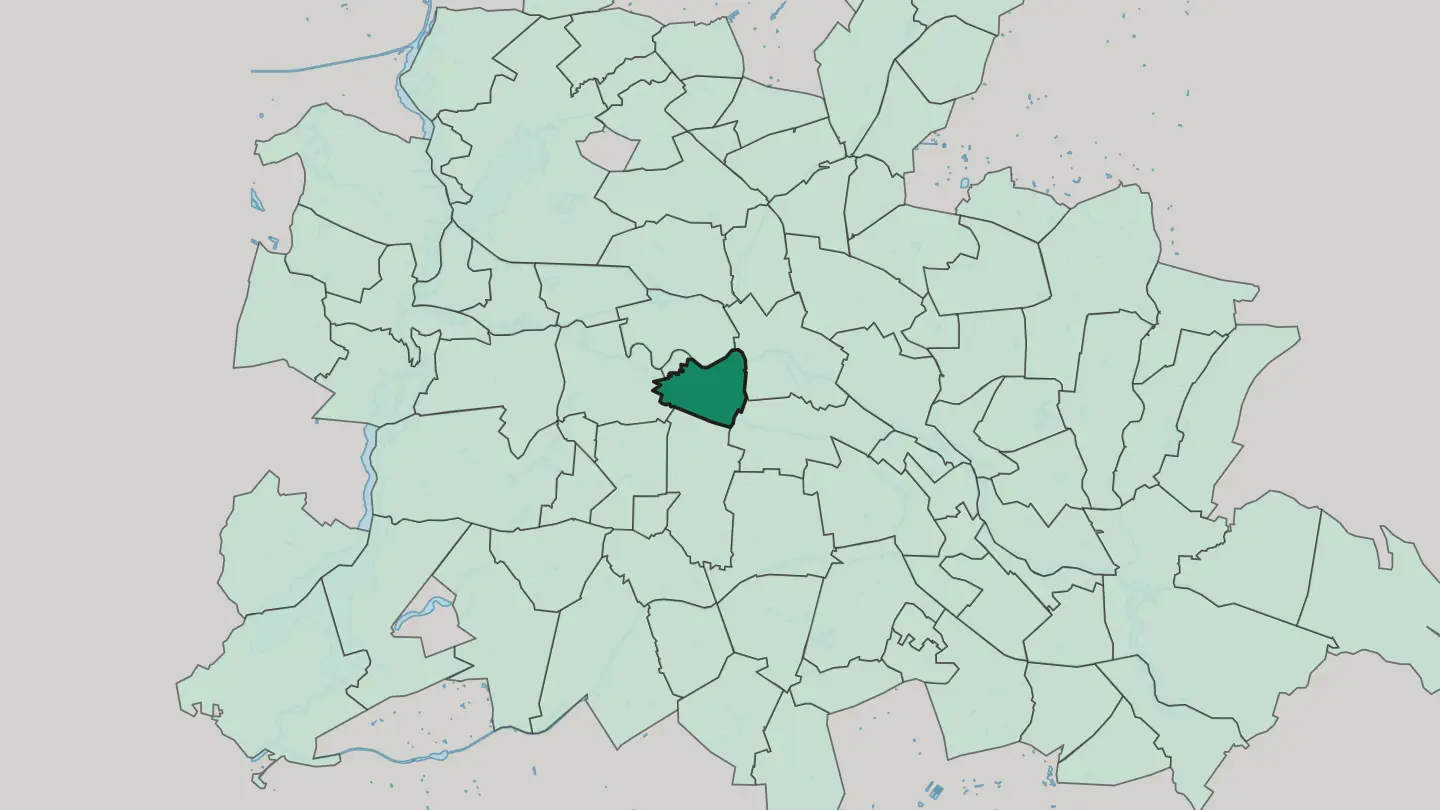
 BerlinGermany
Mitte
The museums of Museum Island crowd Mitte, a district of Berlin, Germany, known for the Fernsehturm Berlin and Alexanderplatz.Where to stay →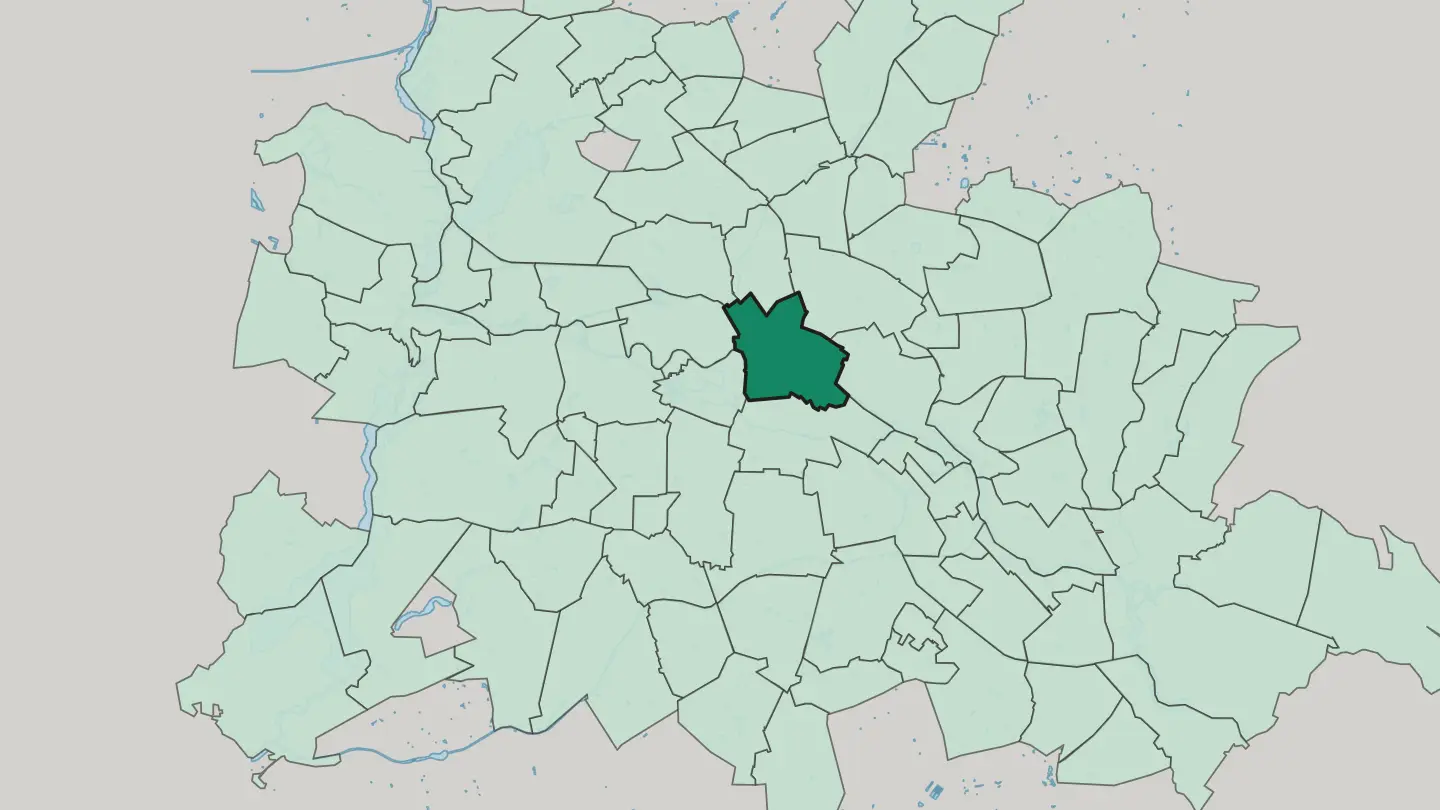
 BerlinGermany
Hansaviertel
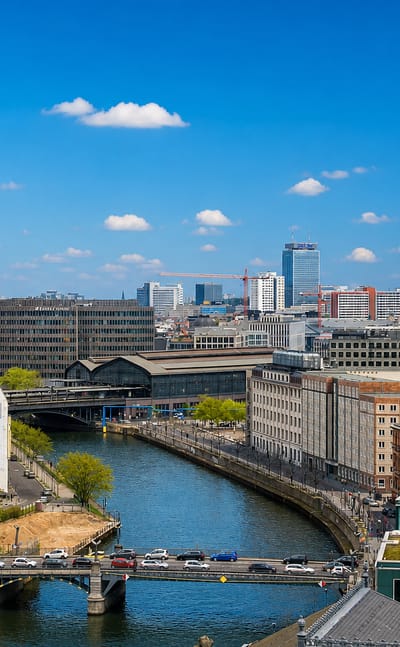
The Großer Tiergarten and the Spree frame Hansaviertel, the smallest district of Berlin, Germany, in the Mitte borough.Where to stay →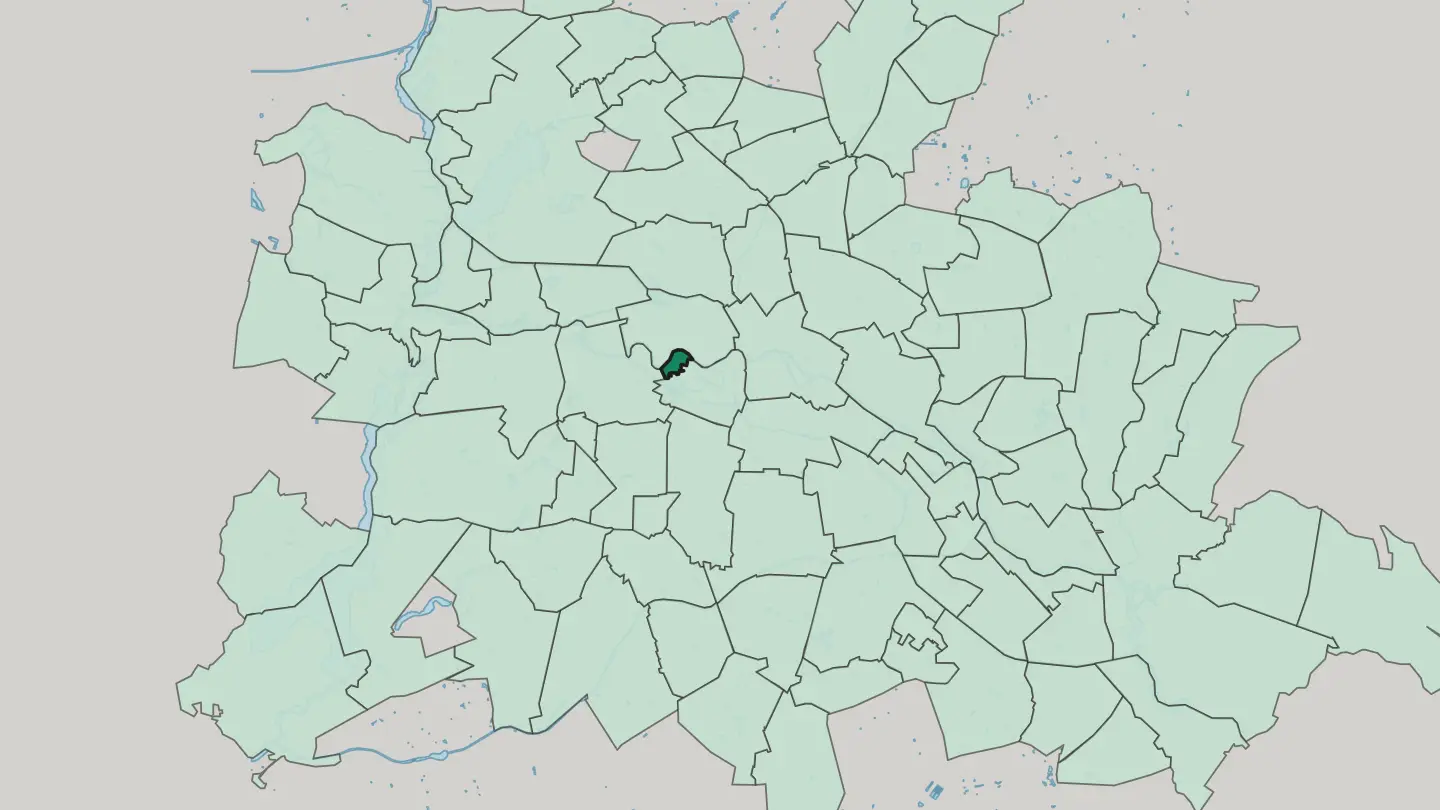
 BerlinGermany
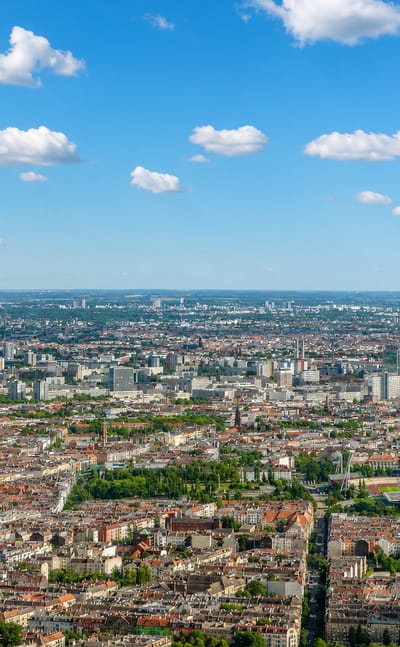
Prenzlauer Berg
The Kulturbrauerei stands at the heart of Prenzlauer Berg, a district of Berlin, Germany, in the borough of Pankow.Where to stay →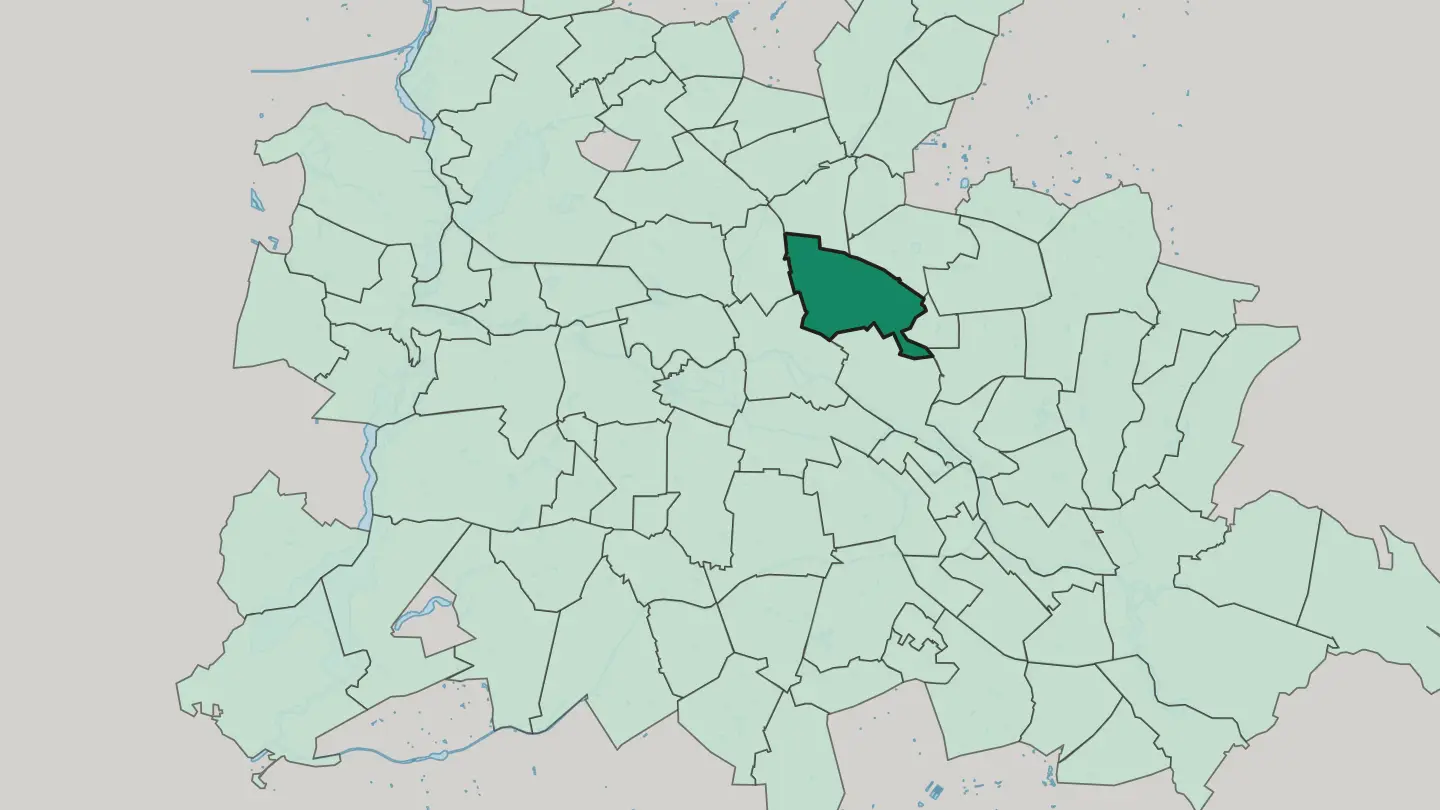
 BerlinGermany
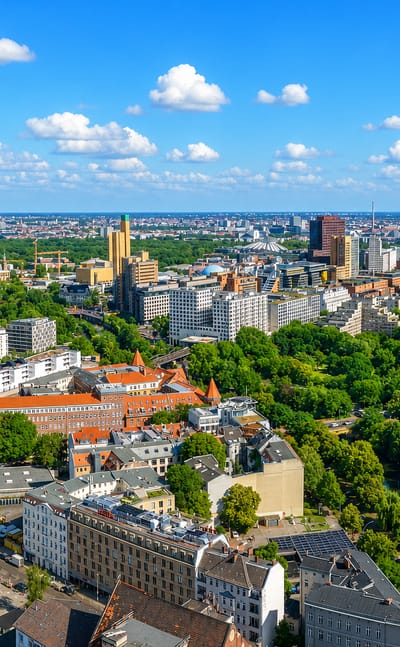
Kreuzberg
Kreuzberg is a dense inner district of Berlin, rising to the Viktoriapark hill and edged by the Gleisdreieck and the open Tempelhofer Feld.Where to stay →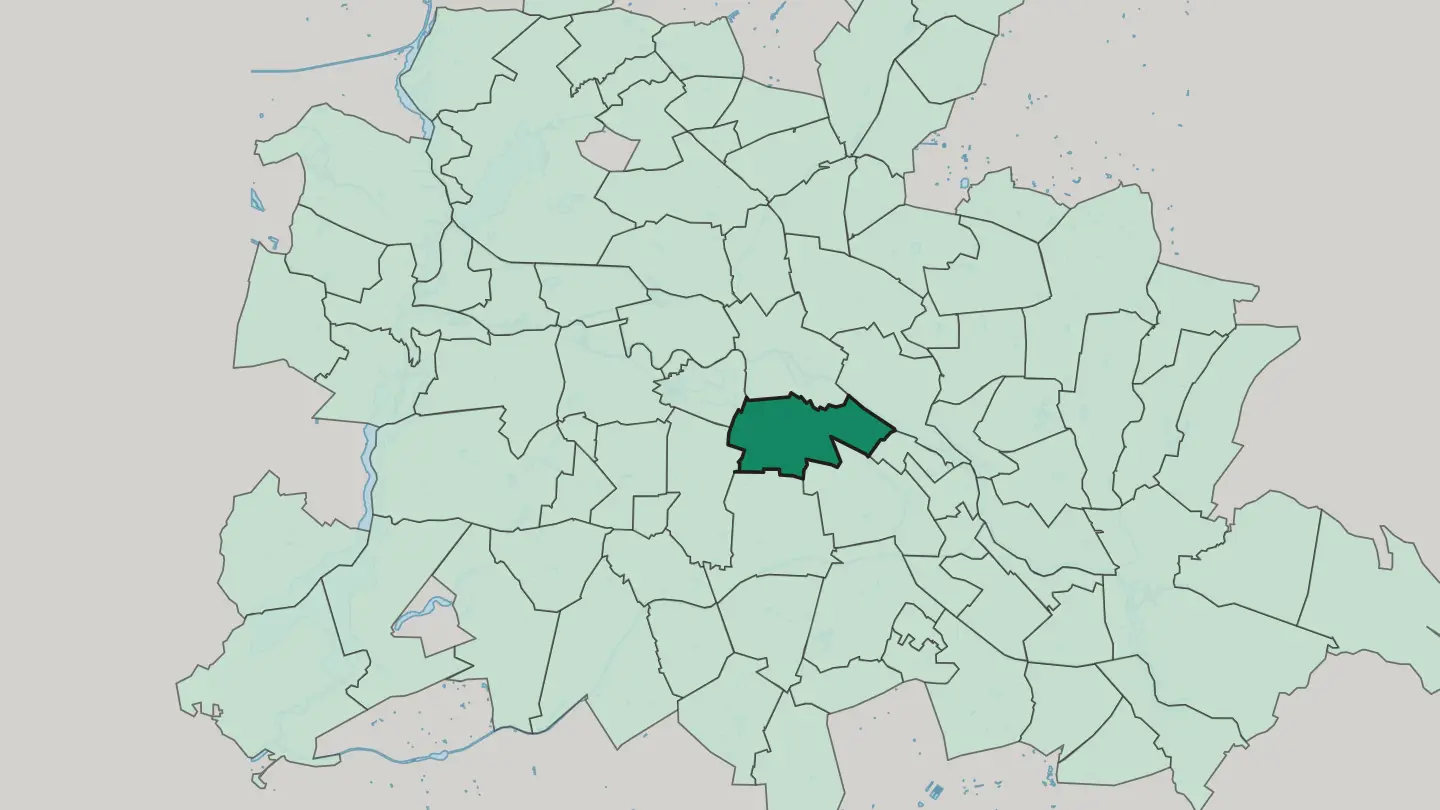
 BerlinGermany
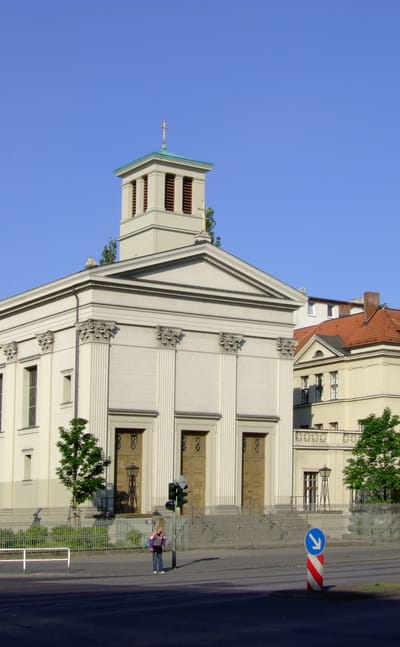
Gesundbrunnen
Gesundbrunnen is a district of Berlin, Germany, in the Mitte borough, known for the Berlin Wall Memorial and the Chapel of Reconciliation.Where to stay →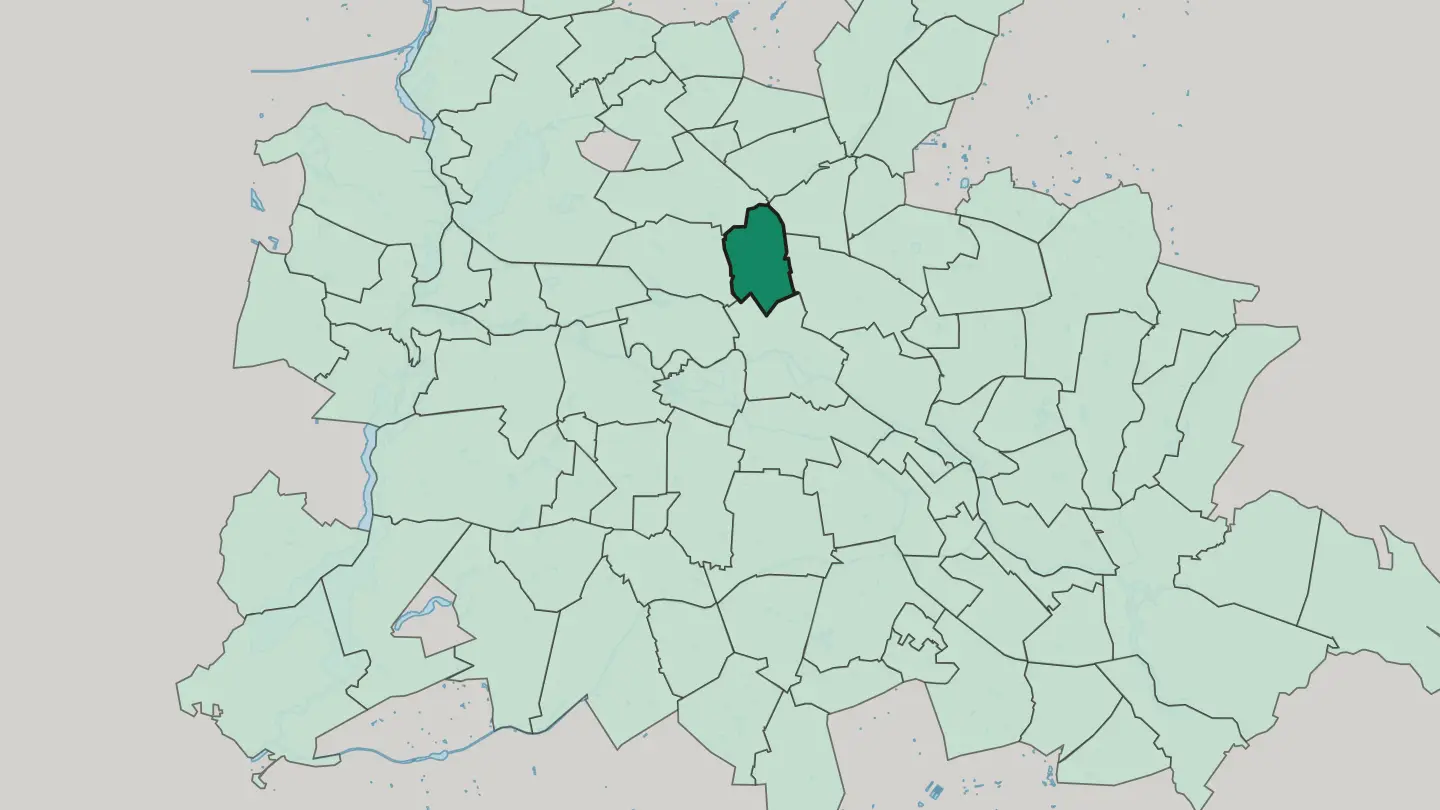
 BerlinGermany
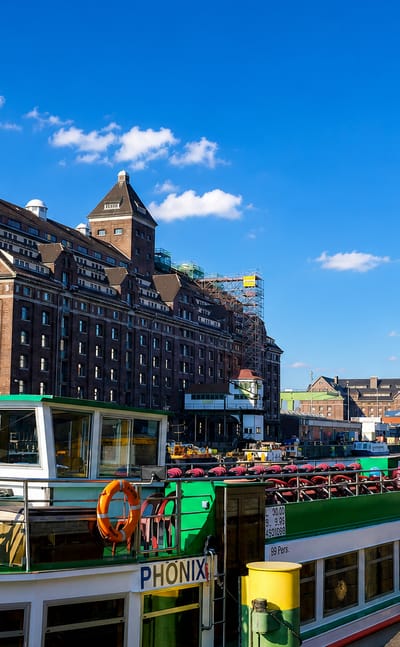
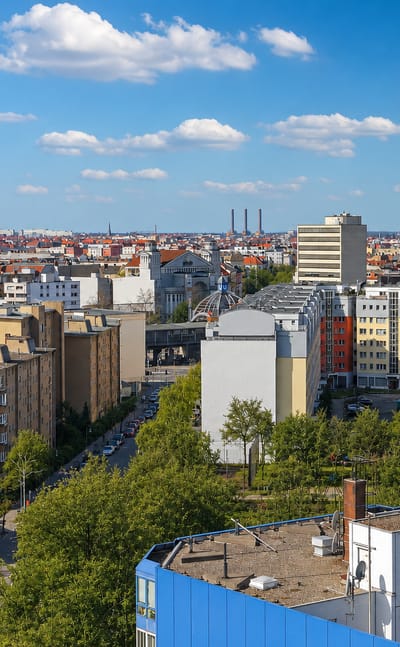
Moabit
Three watercourses ring Moabit, an inner-city district of Berlin, Germany, known for the Johanniskirche and Plötzensee Prison.Where to stay →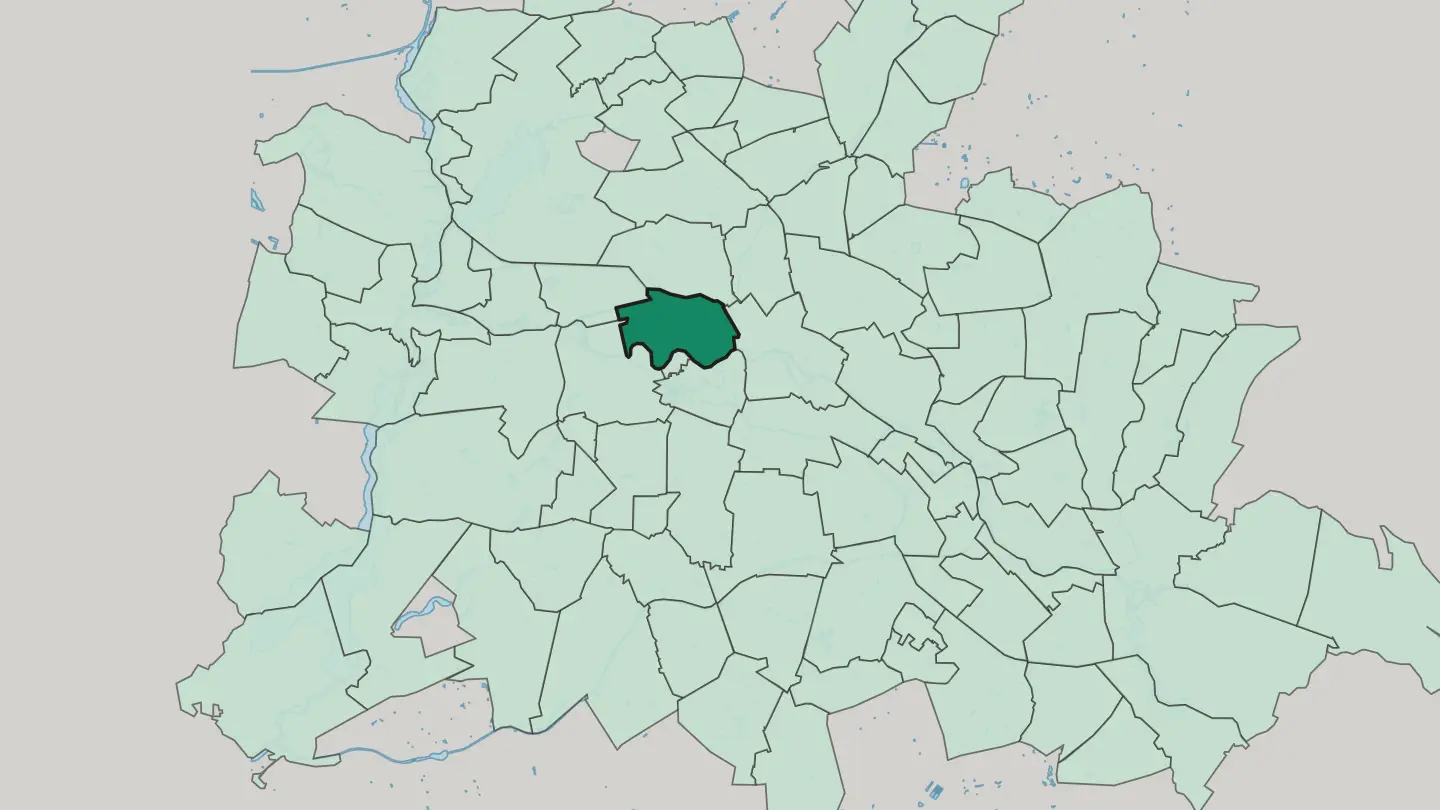
 BerlinGermany
Schöneberg
The Heinrich-von-Kleist-Park anchors Schöneberg, a district of Berlin in Germany, part of the Tempelhof-Schöneberg borough with Tempelhof.Where to stay →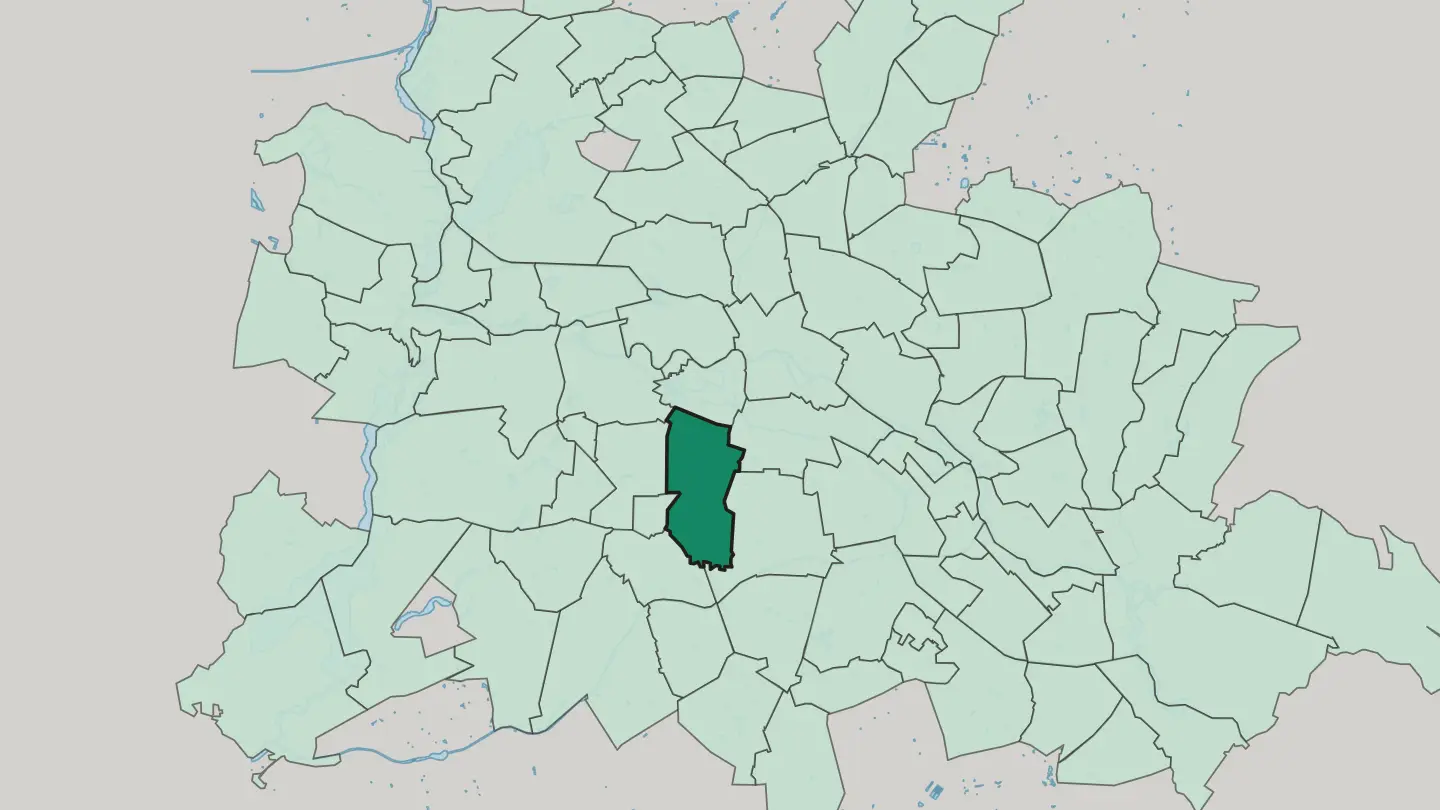
 BerlinGermany
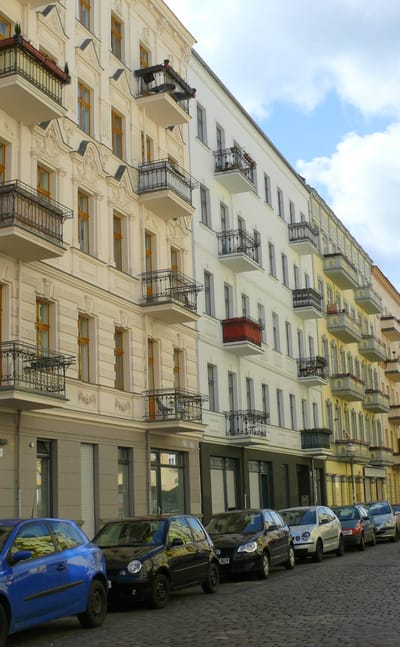
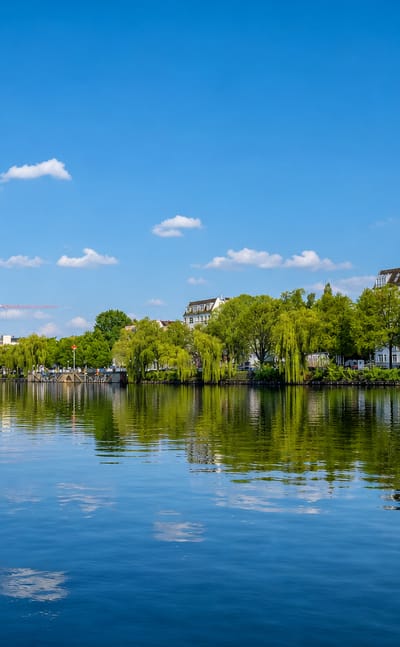
Wedding
Paths wind through the Volkspark Rehberge in Wedding, a district of Berlin known for its Sugar Museum and the Schiller Monument.Where to stay →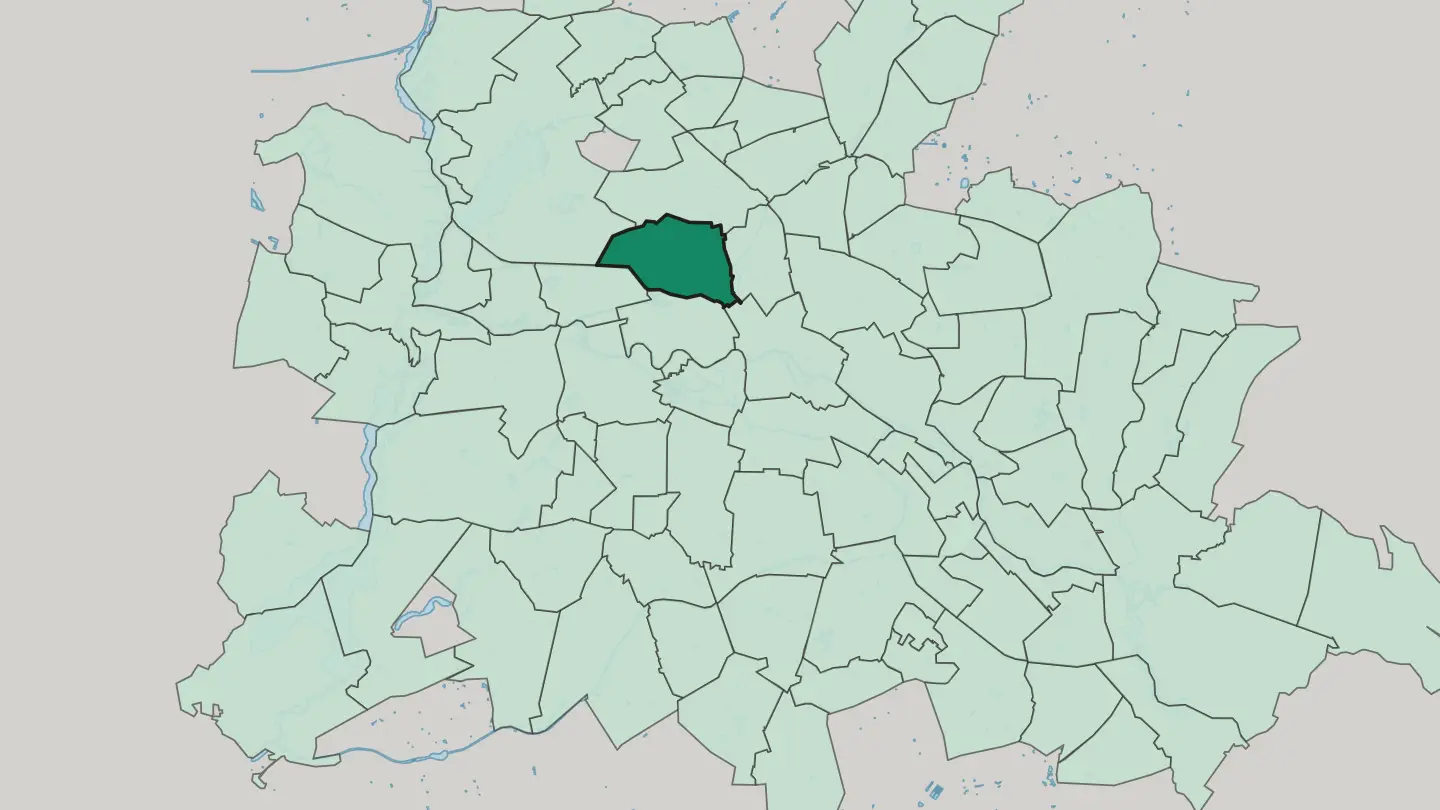
 BerlinGermany
Friedrichshain
Friedrichshain is a district of Berlin, Germany, formed in 1920, known for the Computerspielemuseum Berlin and the Ramones Museum.Where to stay →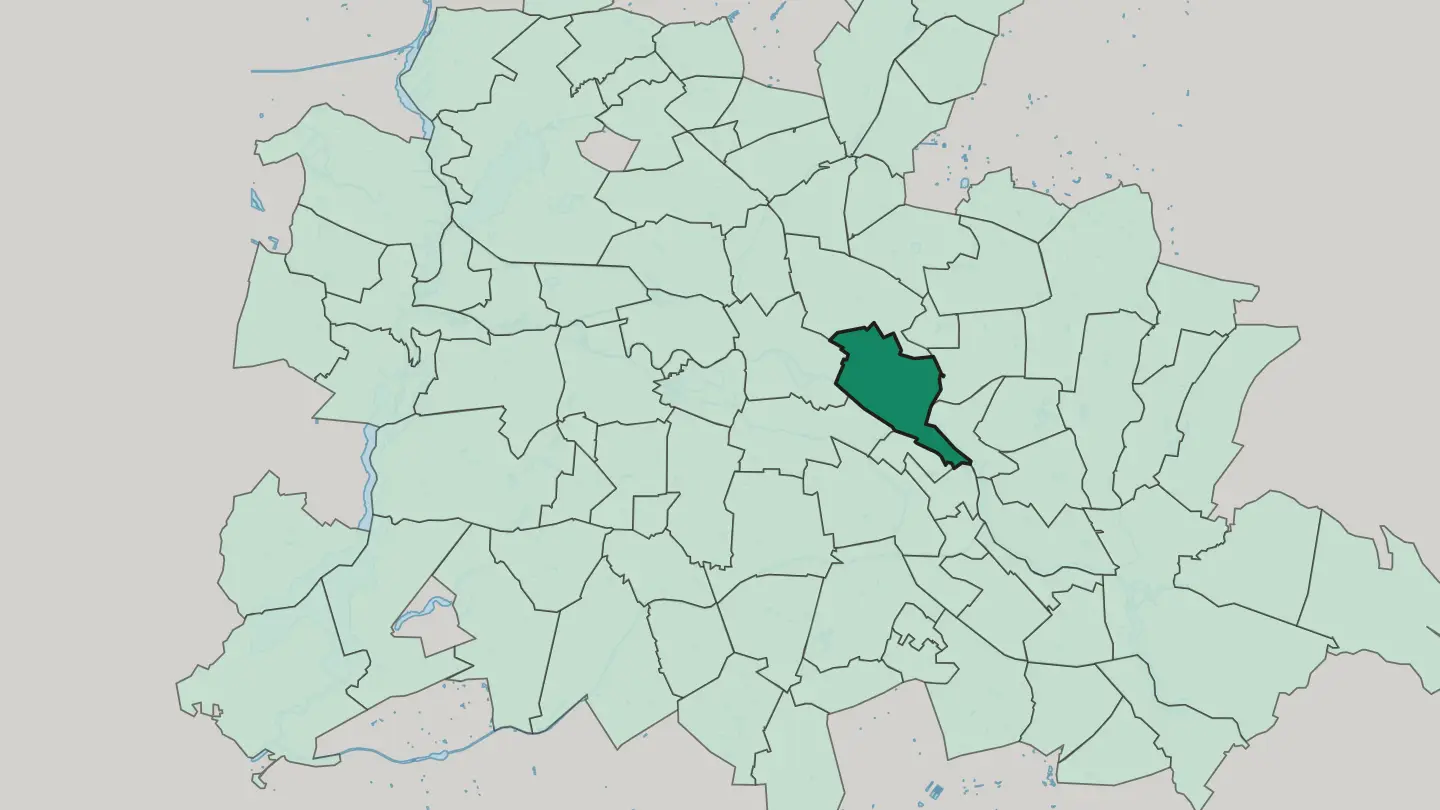
 BerlinGermany
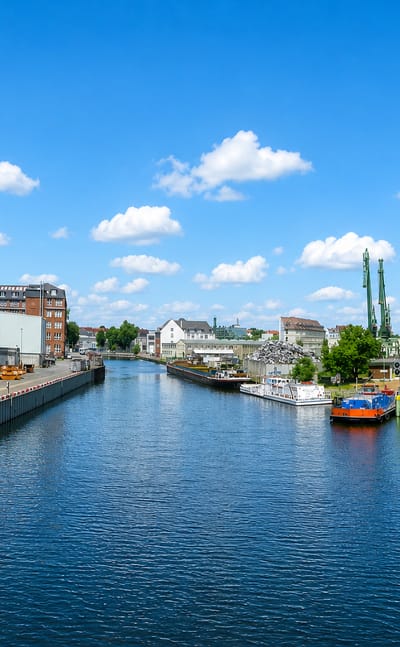
Neukölln
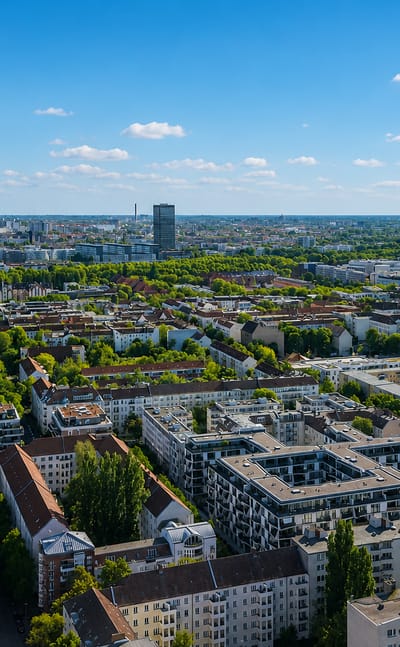
The Neukölln Water Tower rises over Neukölln, an inner district of Berlin lined with churches from the Bethlehemskirche to the Genezareth Church.Where to stay →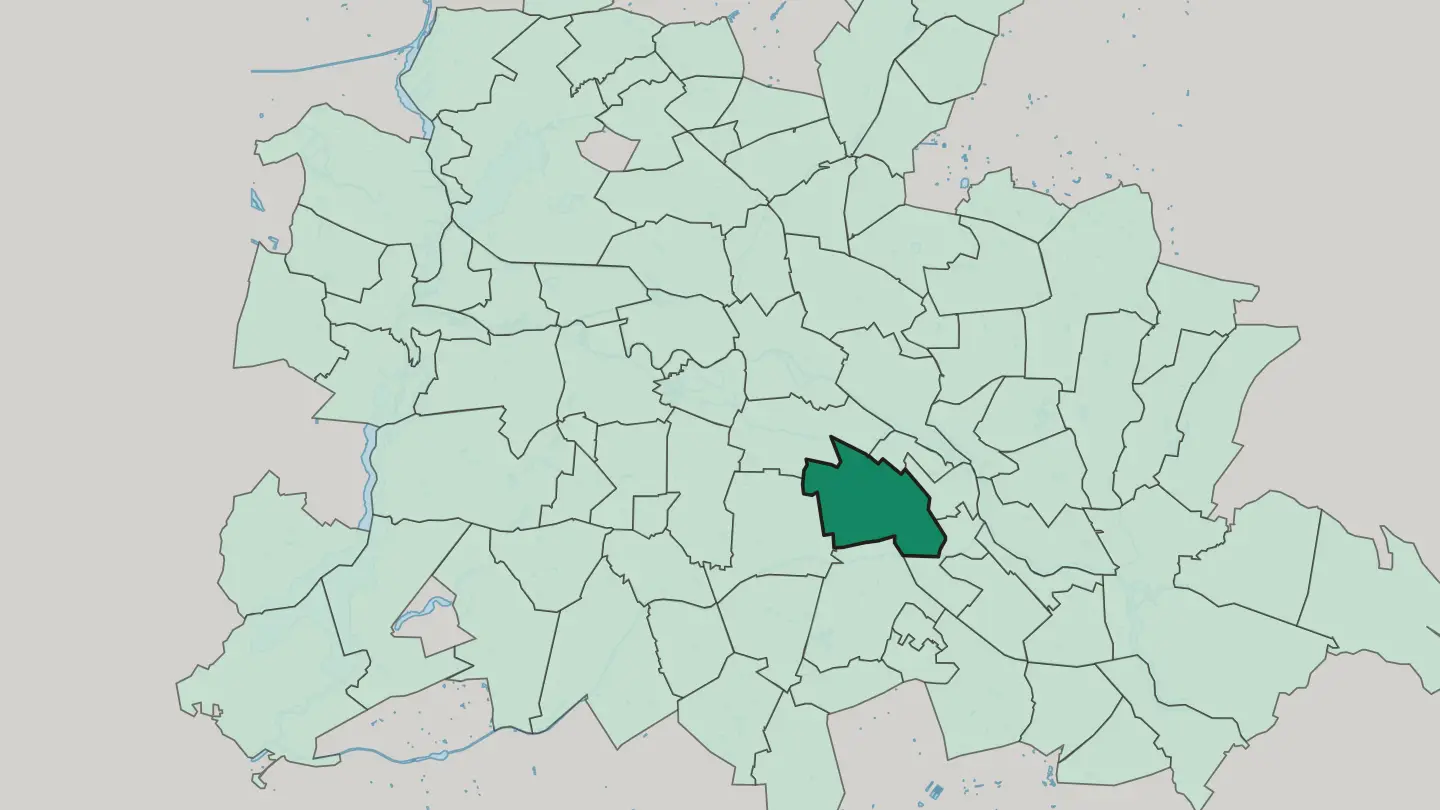
 BerlinGermany
Alt-Treptow
Treptower Park opens along the edge of Alt-Treptow, a district of Berlin, Germany, close to the East Side Gallery.Where to stay →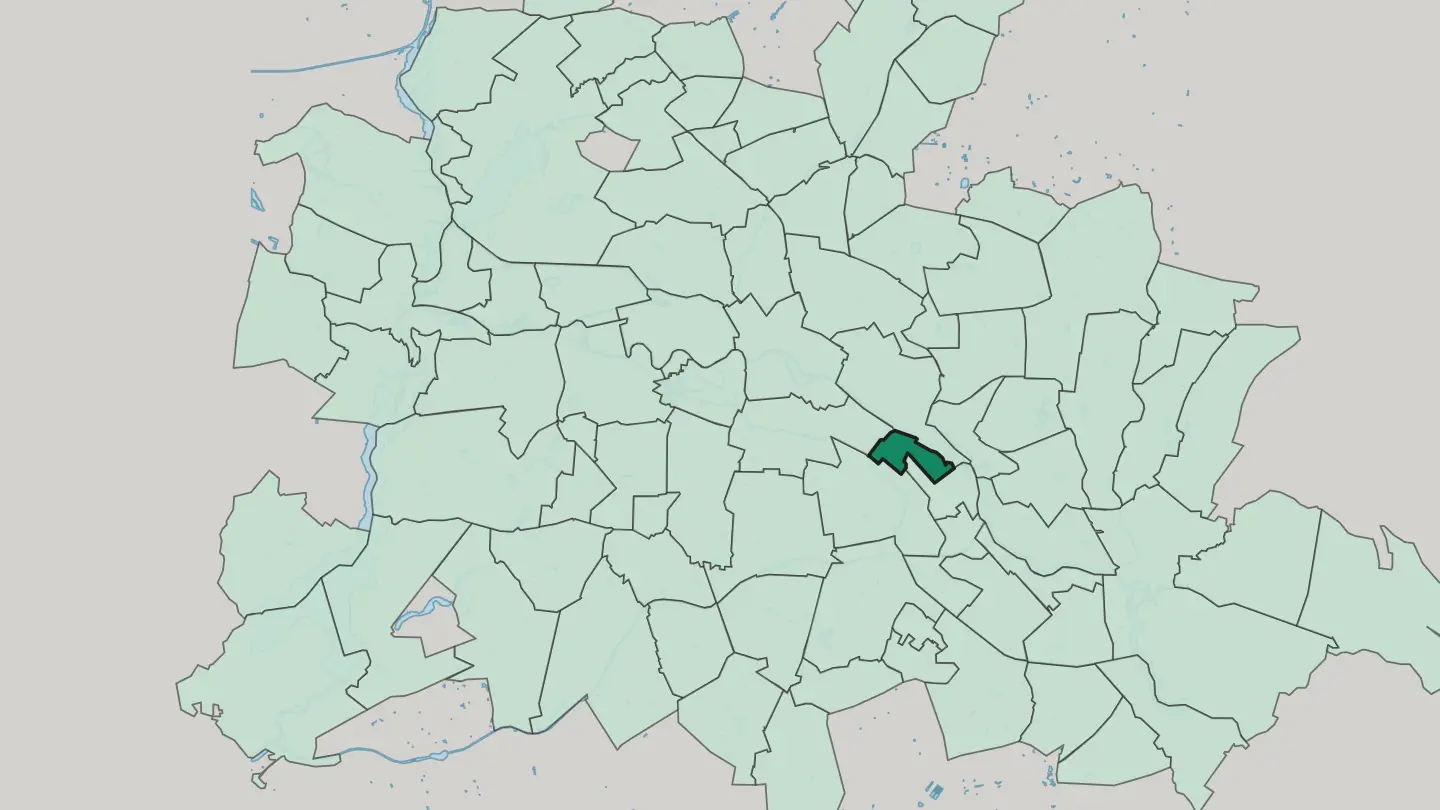
All neighbourhoods (89)
 BerlinGermany
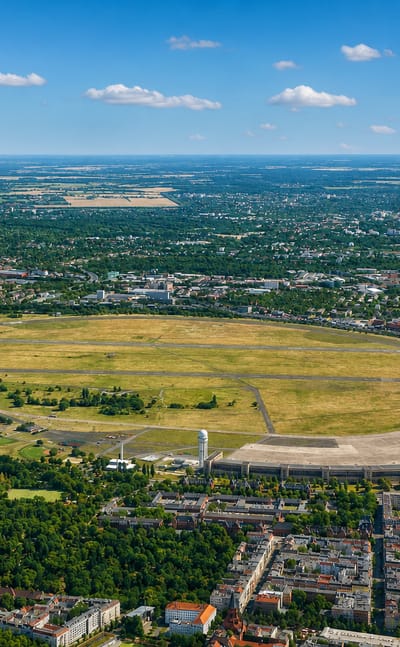
Tempelhof
Tempelhof is an inner district of Berlin that grew from a medieval Knights Templar estate, the Kommende Tempelhof, beside the old Dorfkirche Tempelhof.Where to stay →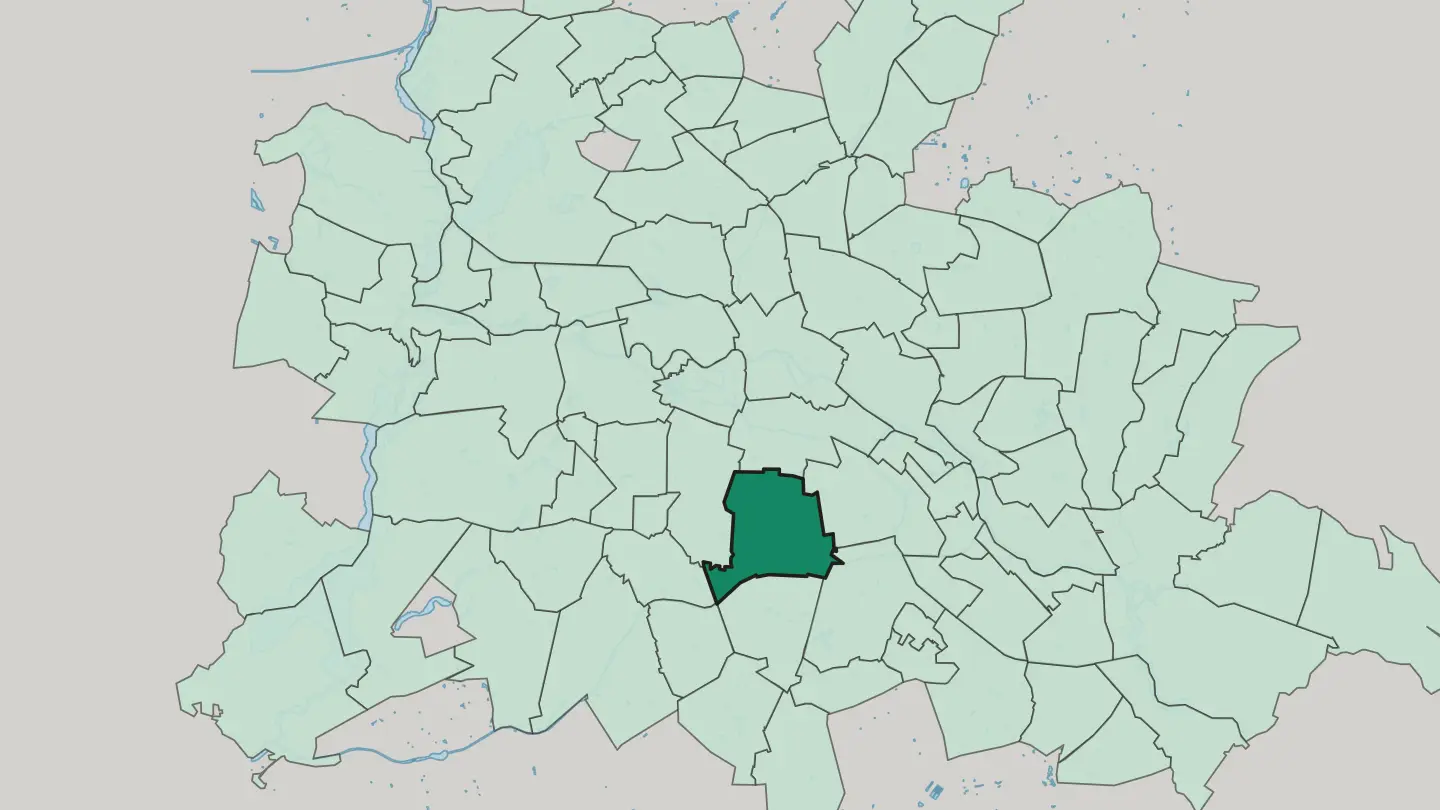
 BerlinGermany
Charlottenburg
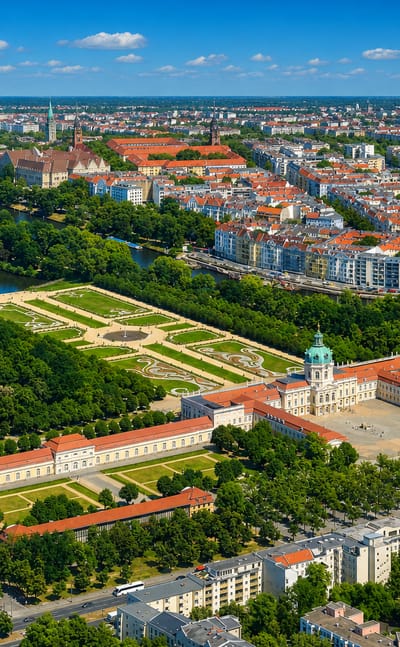
A Baroque palace centres Charlottenburg, a quarter of Berlin in Germany chartered in 1705, from Charlottenburg Palace to the Luisenkirche.Where to stay →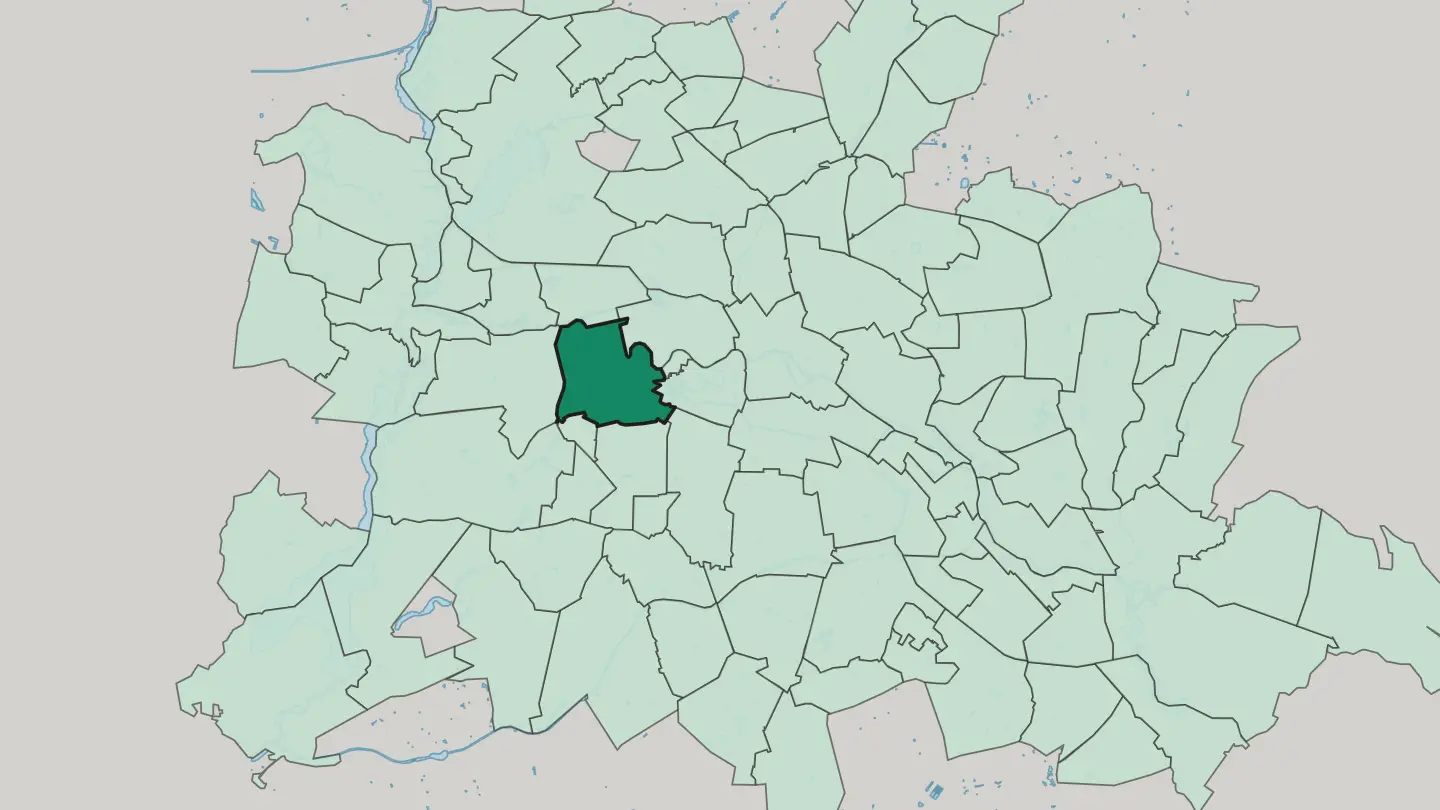
 BerlinGermany
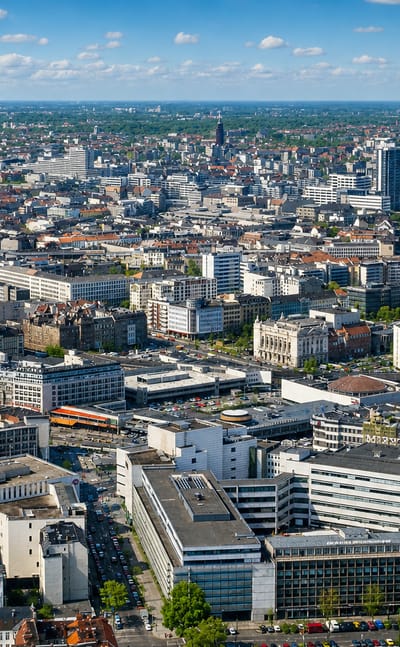
Pankow
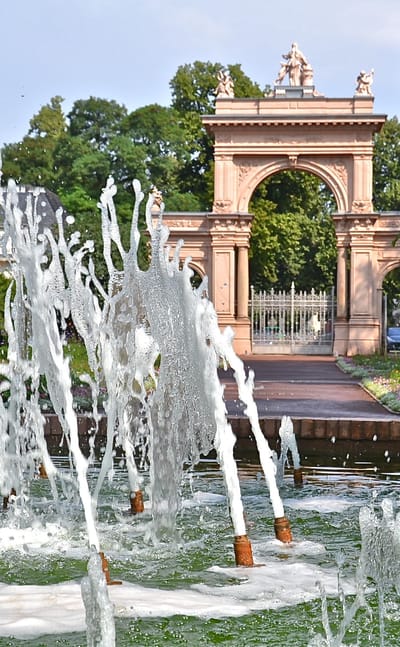
Schloss Schönhausen rises at the heart of Pankow, a district of Berlin, Germany, near the Pankow village church.Where to stay →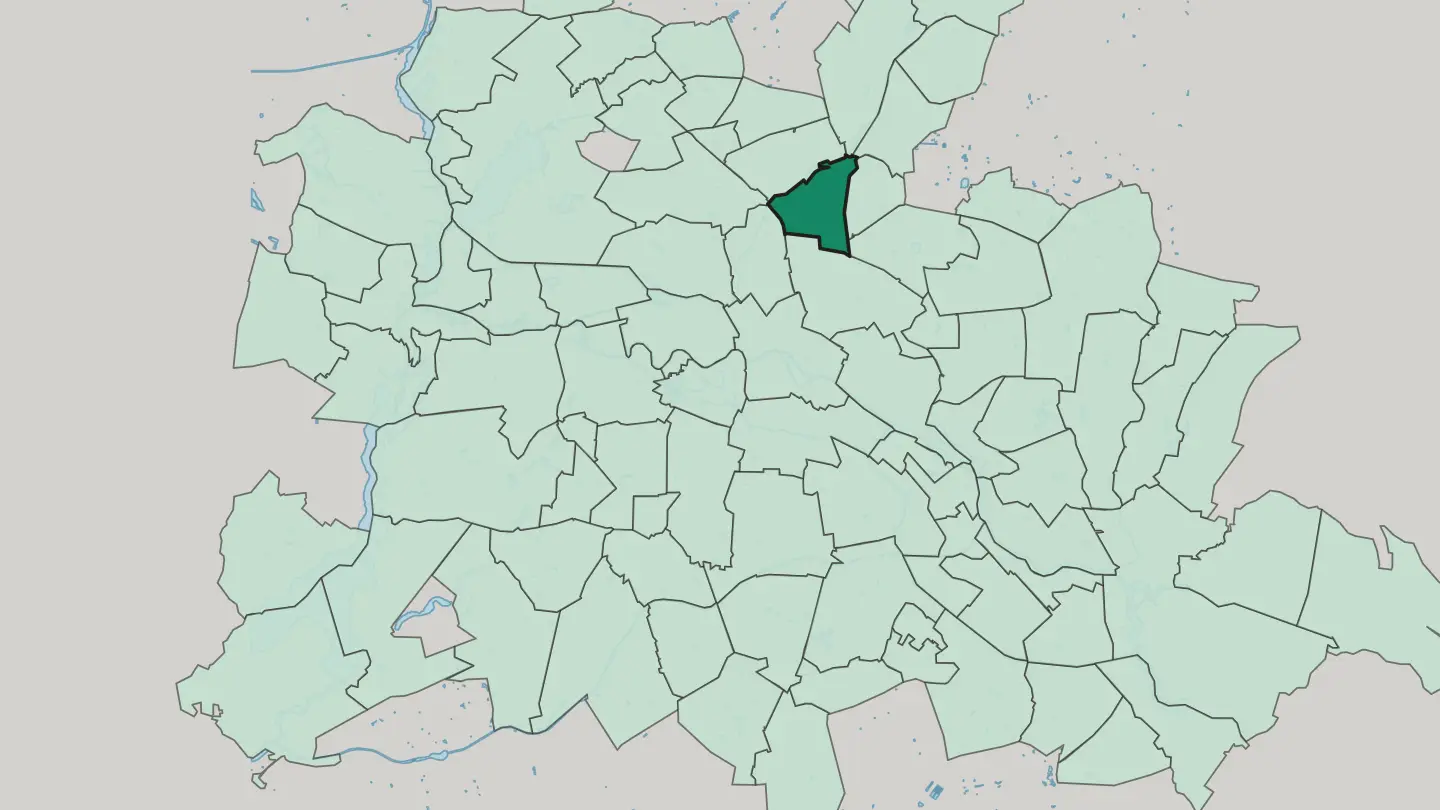
 BerlinGermany
Wilmersdorf
Wilmersdorf is an Ortsteil of Berlin in the Charlottenburg-Wilmersdorf borough, south-west of the centre, with its old village core on the Wilhelmsaue.Where to stay →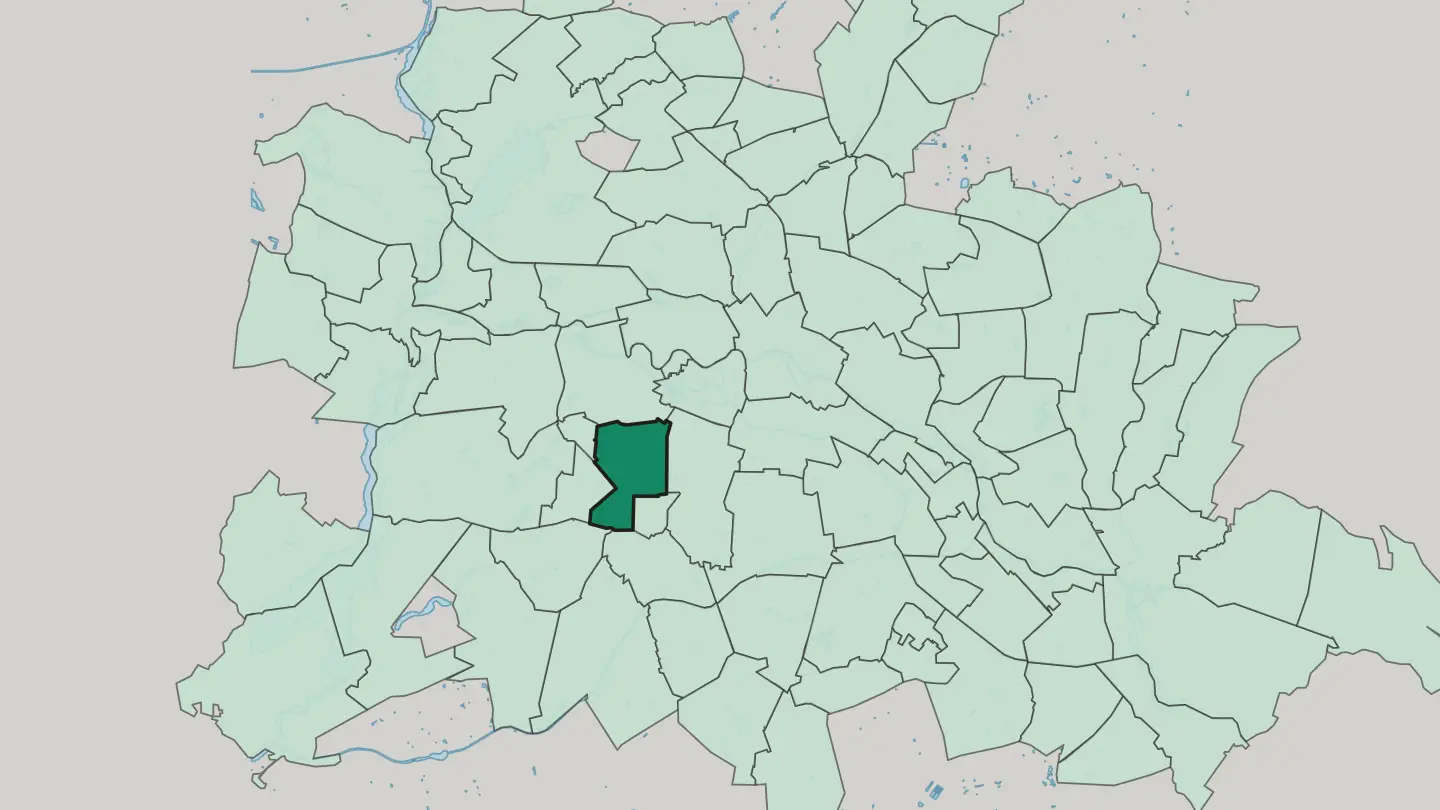
 BerlinGermany
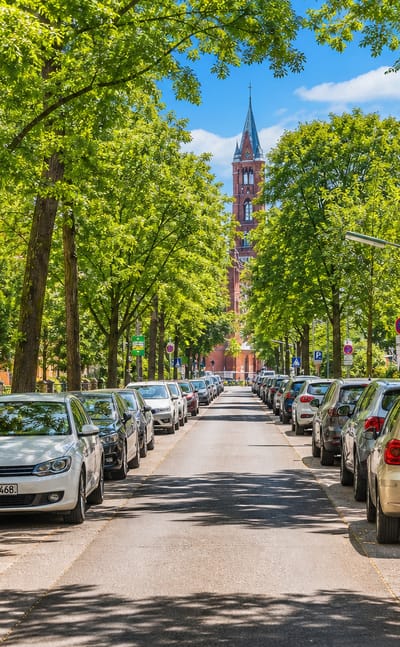
Friedenau
Friedenau is a compact, leafy quarter of Berlin, set around the garden square of Ceciliengärten and the Auenkirche.Where to stay →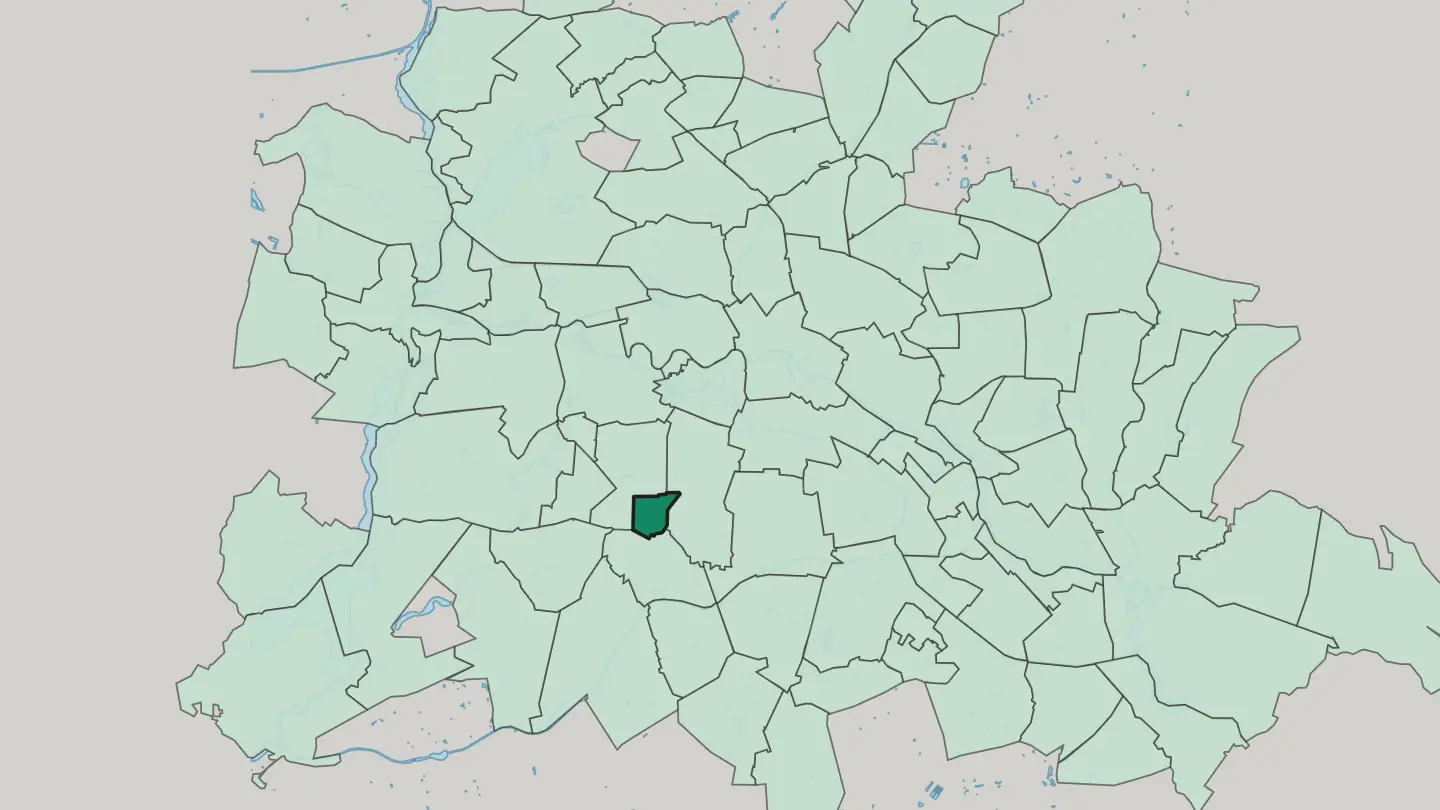
 BerlinGermany
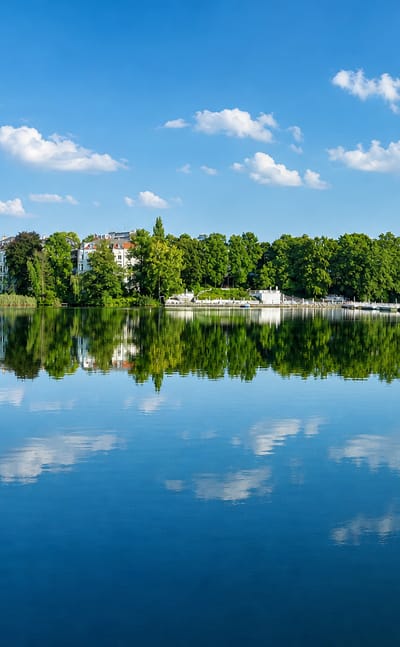
Halensee
Halensee shares its name with a Berlin lake, a small district in Germany near the Hochmeisterkirche and the Funkturm Berlin.Where to stay →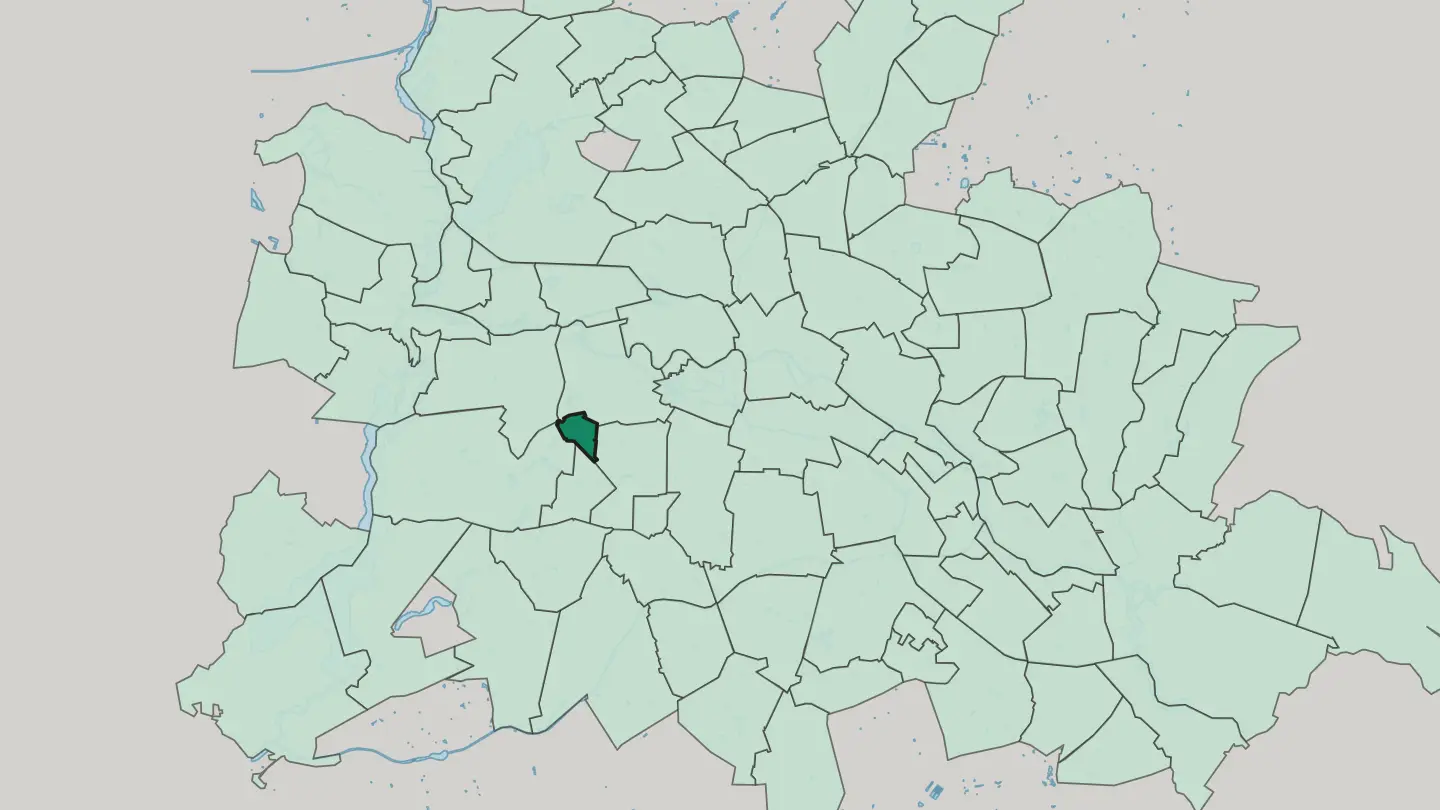
 BerlinGermany
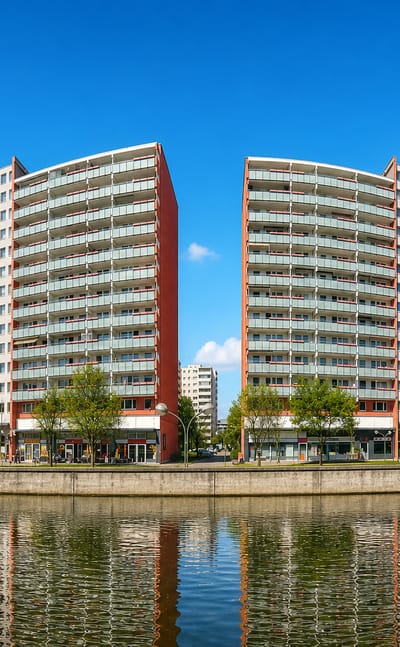
Fennpfuhl
Fennpfuhl is a compact quarter of Berlin, named for an old fen pool and gathered around the Protestant Samaritan Church.Where to stay →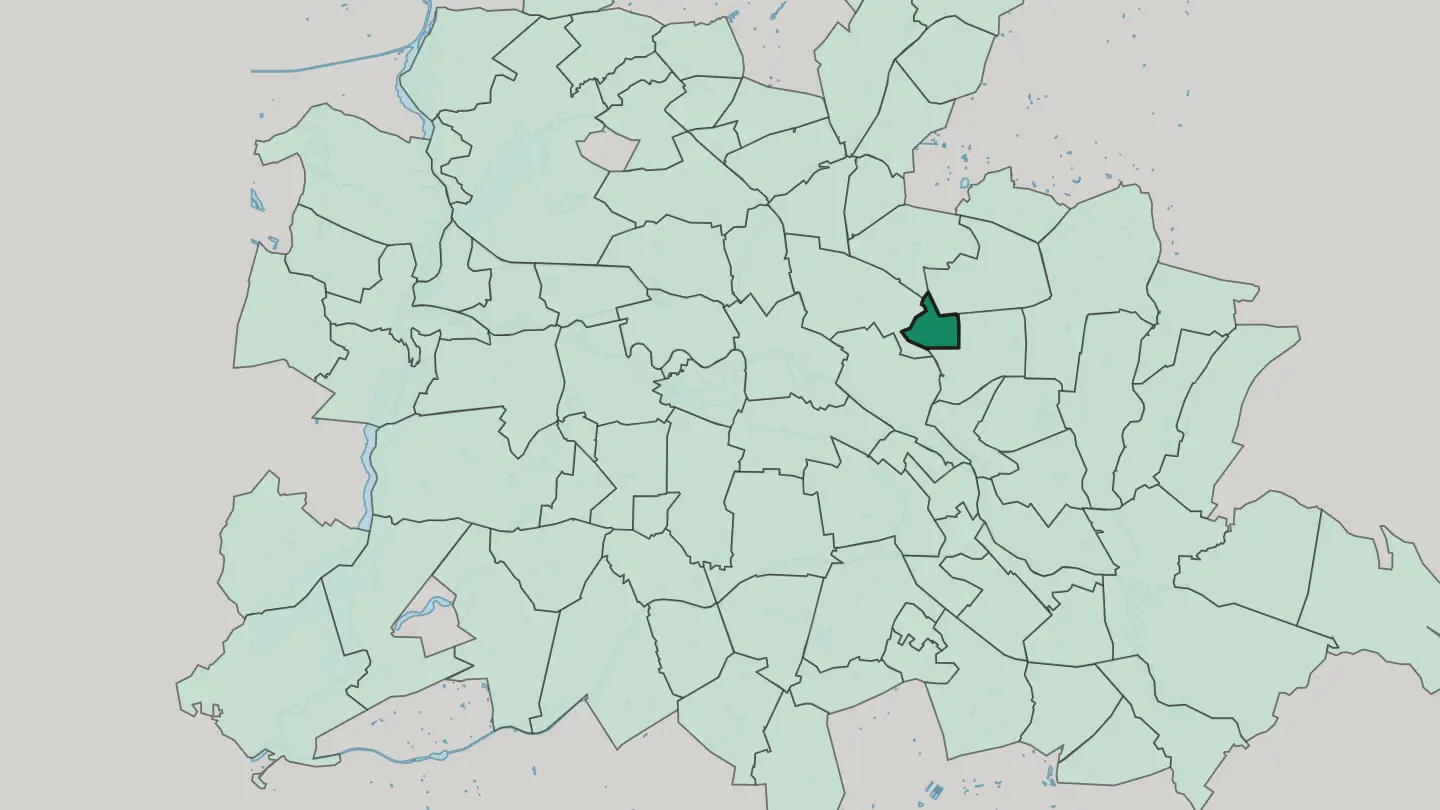
 BerlinGermany
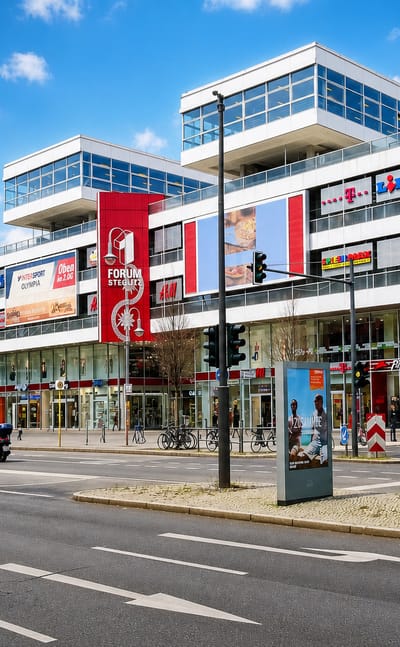
Steglitz
Steglitz is a busy residential district of Berlin, marked by the landmark Bierpinsel tower and the garden square of the Ceciliengärten.Where to stay →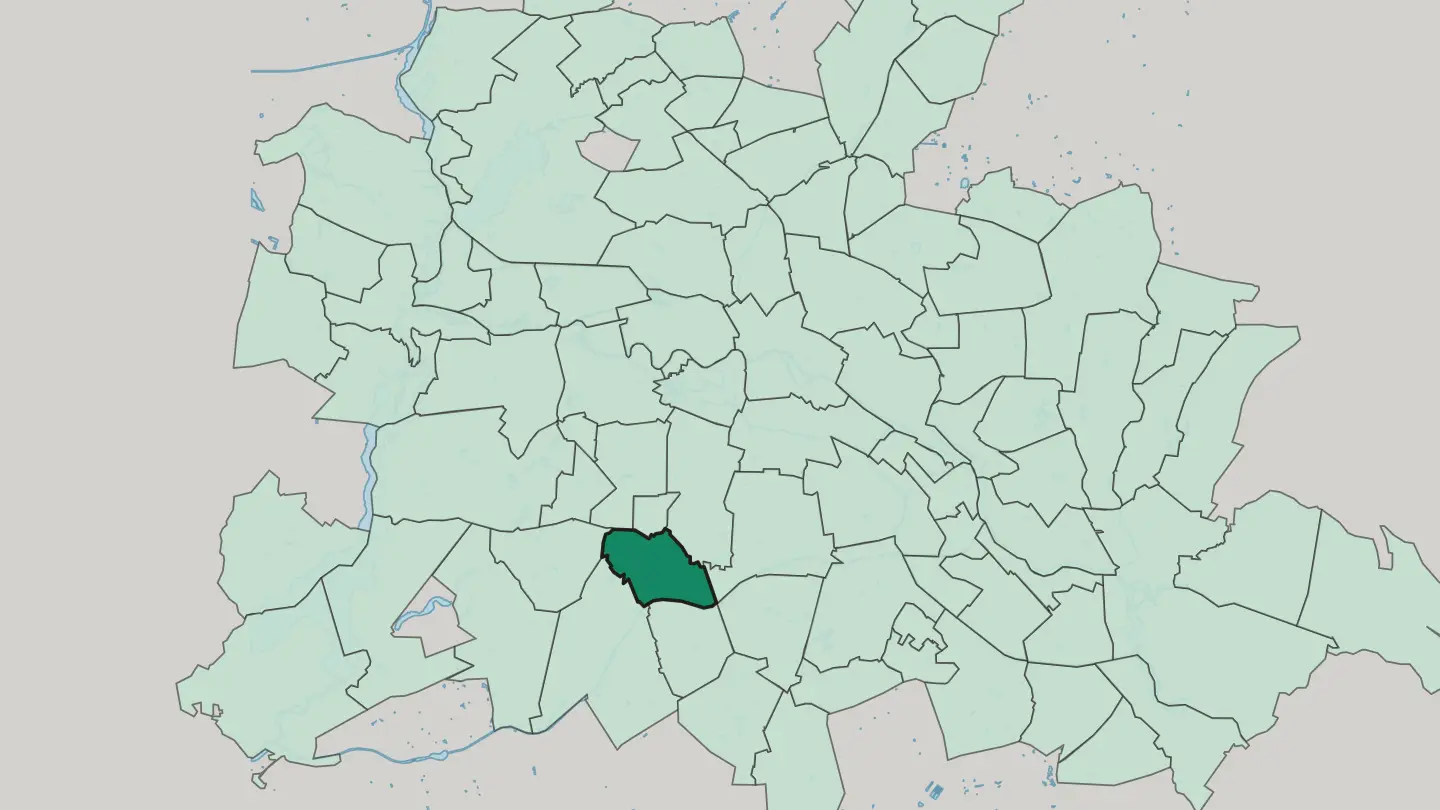
 BerlinGermany
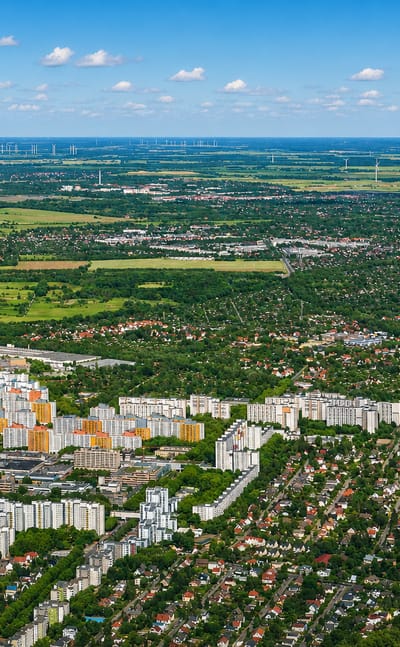
Reinickendorf
The Museum der Münze Berlin sits in Reinickendorf, a district of Berlin, Germany, near the Korneliuskirche.Where to stay →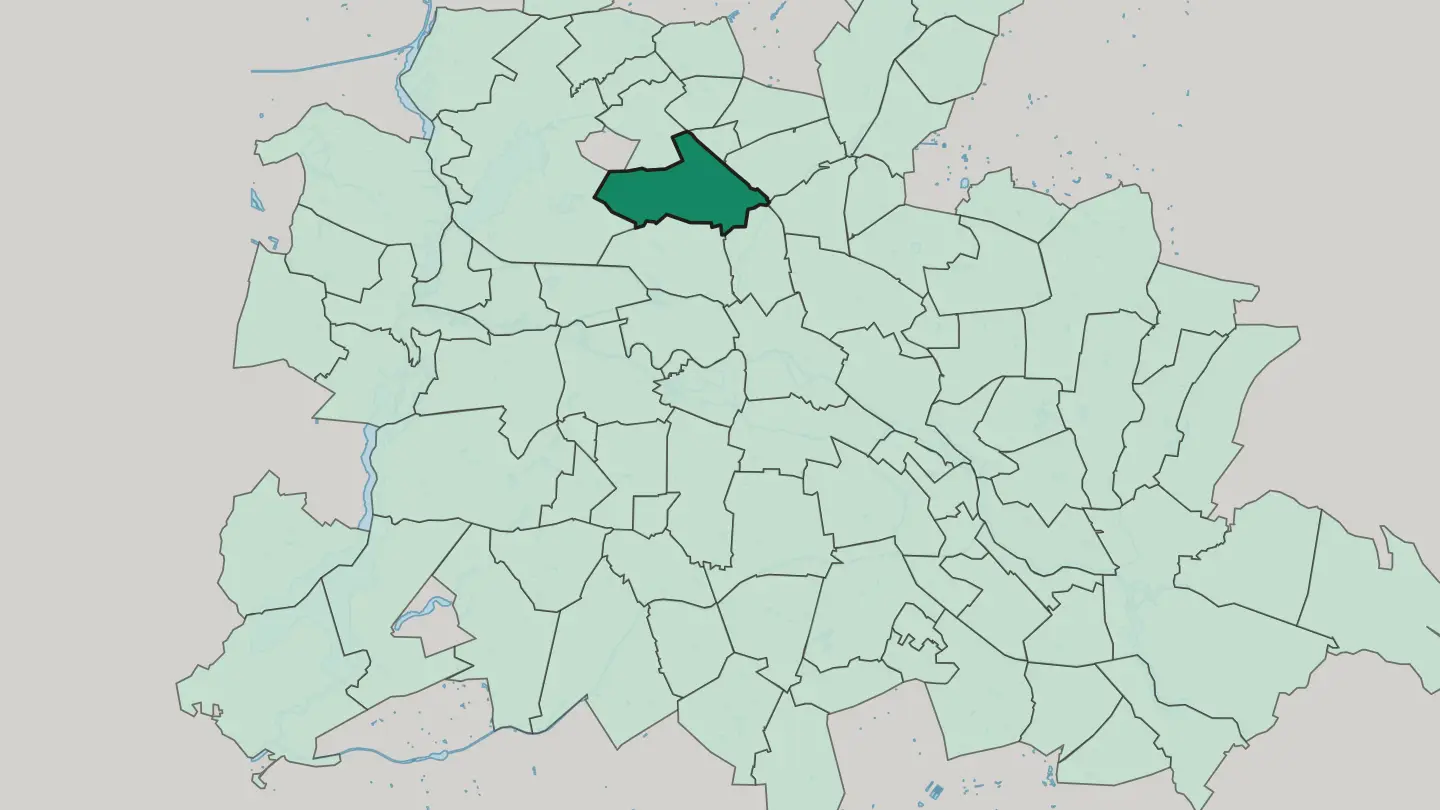 BerlinGermany
Lichtenberg
Lichtenberg is the Ortsteil that gives Berlin's borough of Lichtenberg its name, a 13th-century village that was a town of its own until 1920.Where to stay →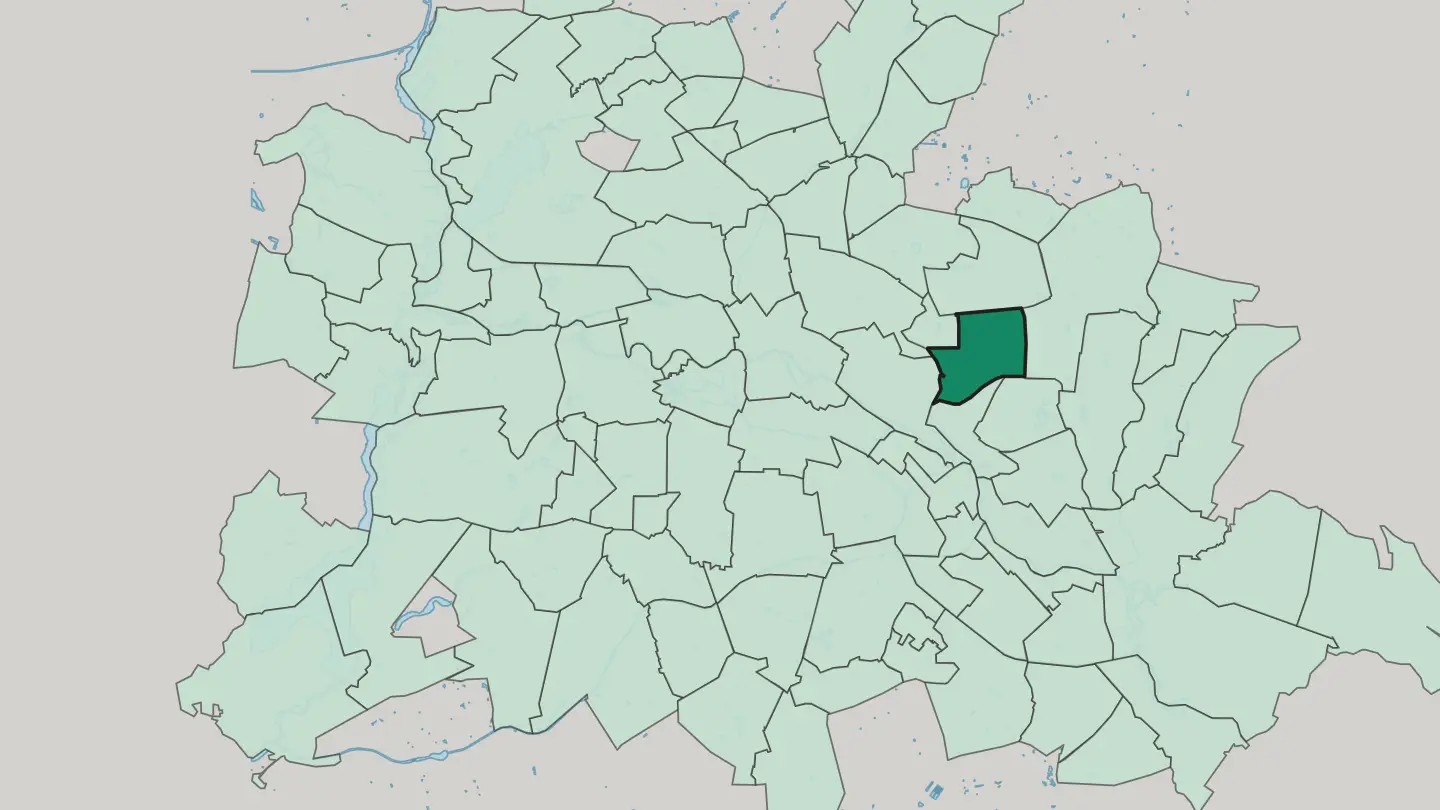 BerlinGermany
Charlottenburg-Nord
Charlottenburg-Nord is a northern quarter of Charlottenburg in Berlin, set around the Belvedere and Goebelplatz.Where to stay →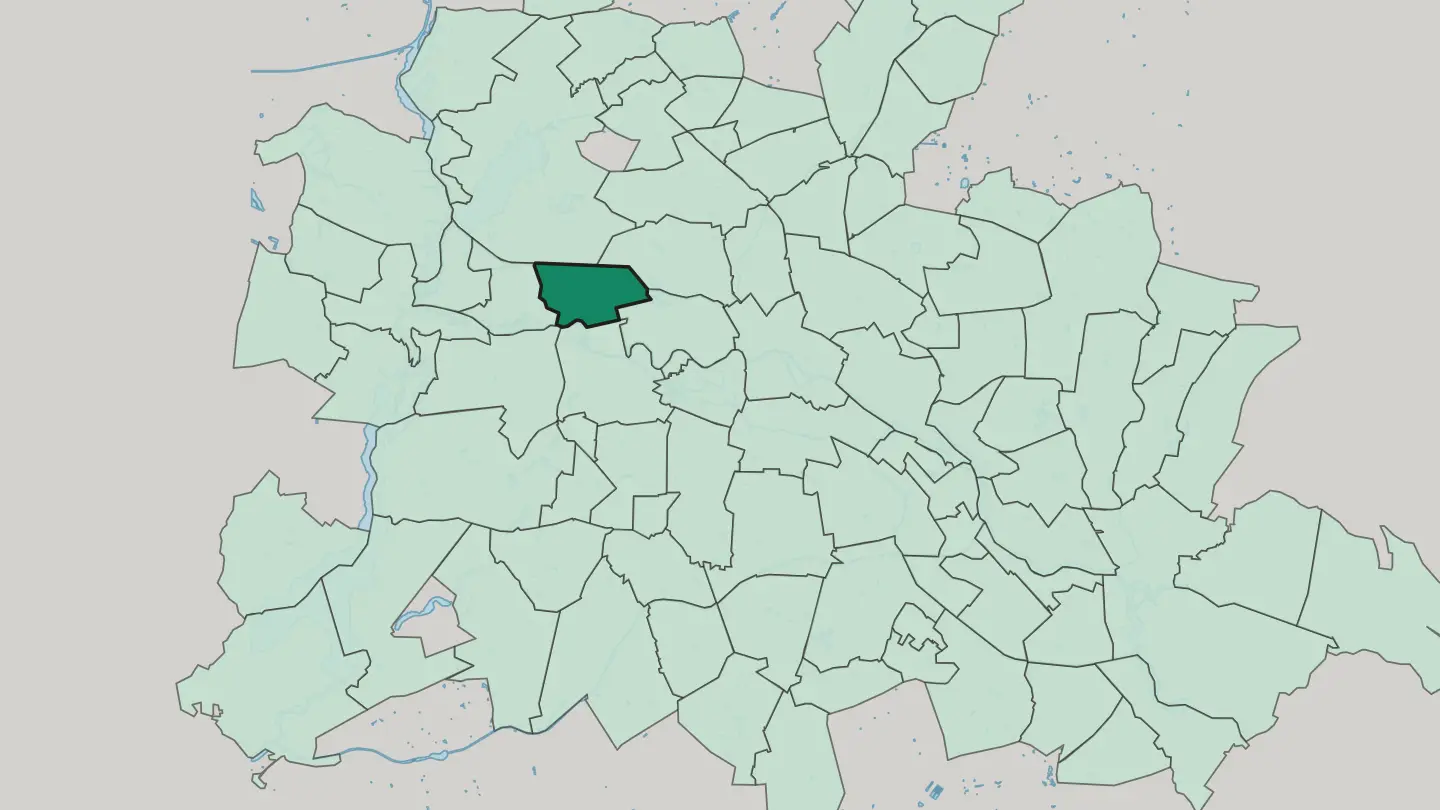
 BerlinGermany
Weißensee
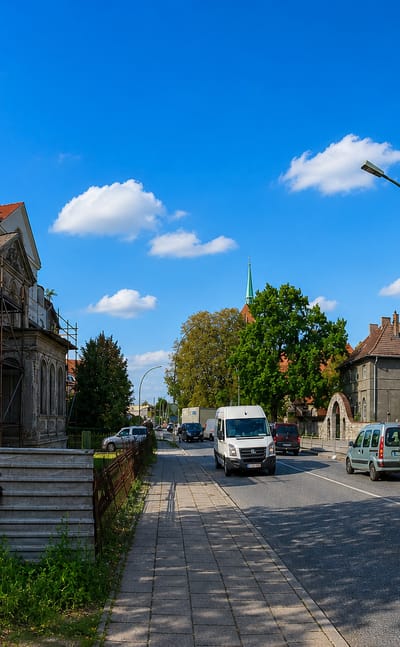
Allotment gardens run down to the Orankestrand in Weißensee, a district of Berlin set around the Bethanienkirche and the Stadium Buschallee.Where to stay →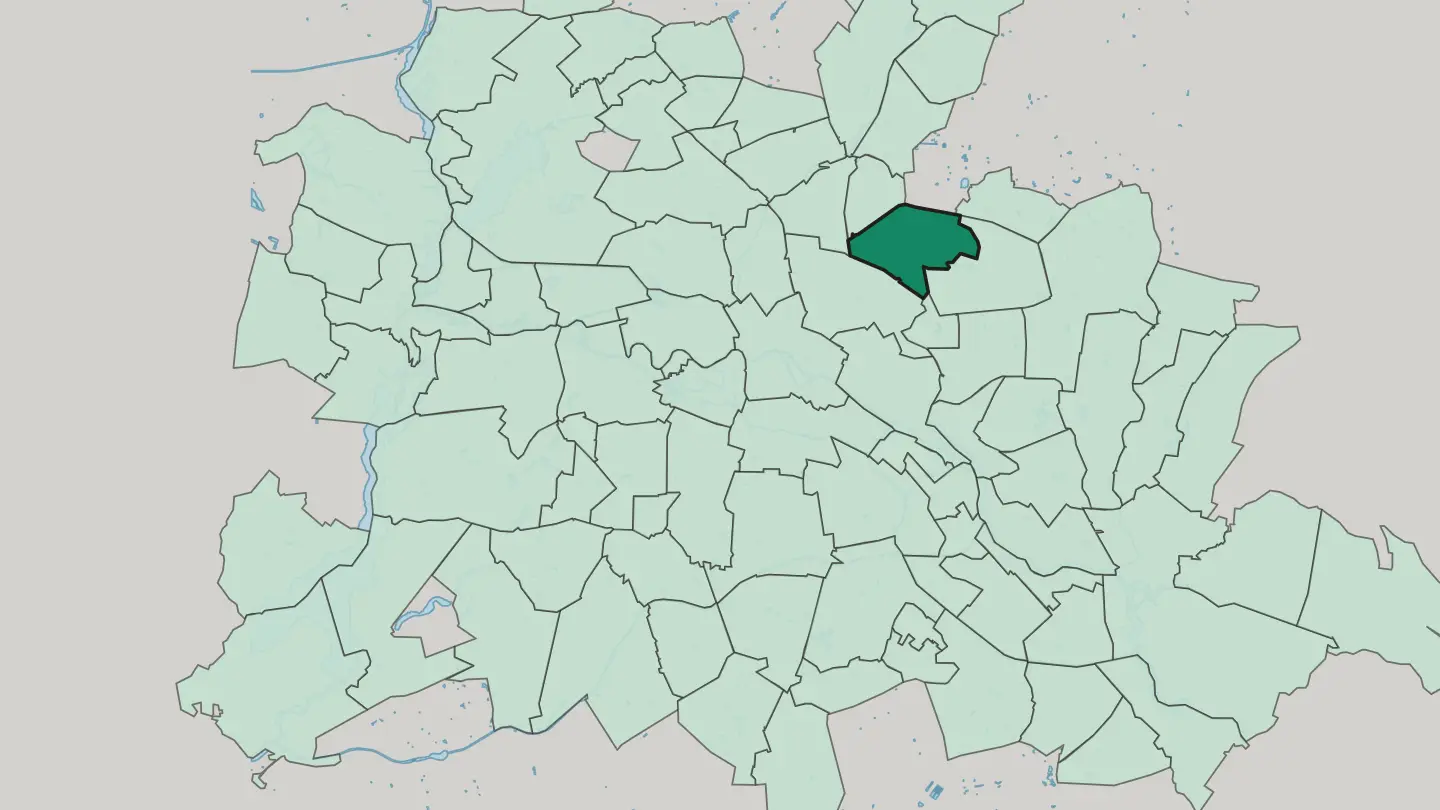
 BerlinGermany
Heinersdorf
A water tower rises beside the Dorfkirche Heinersdorf, the old heart of Heinersdorf, a small Berlin locality near the centre of Pankow.Where to stay →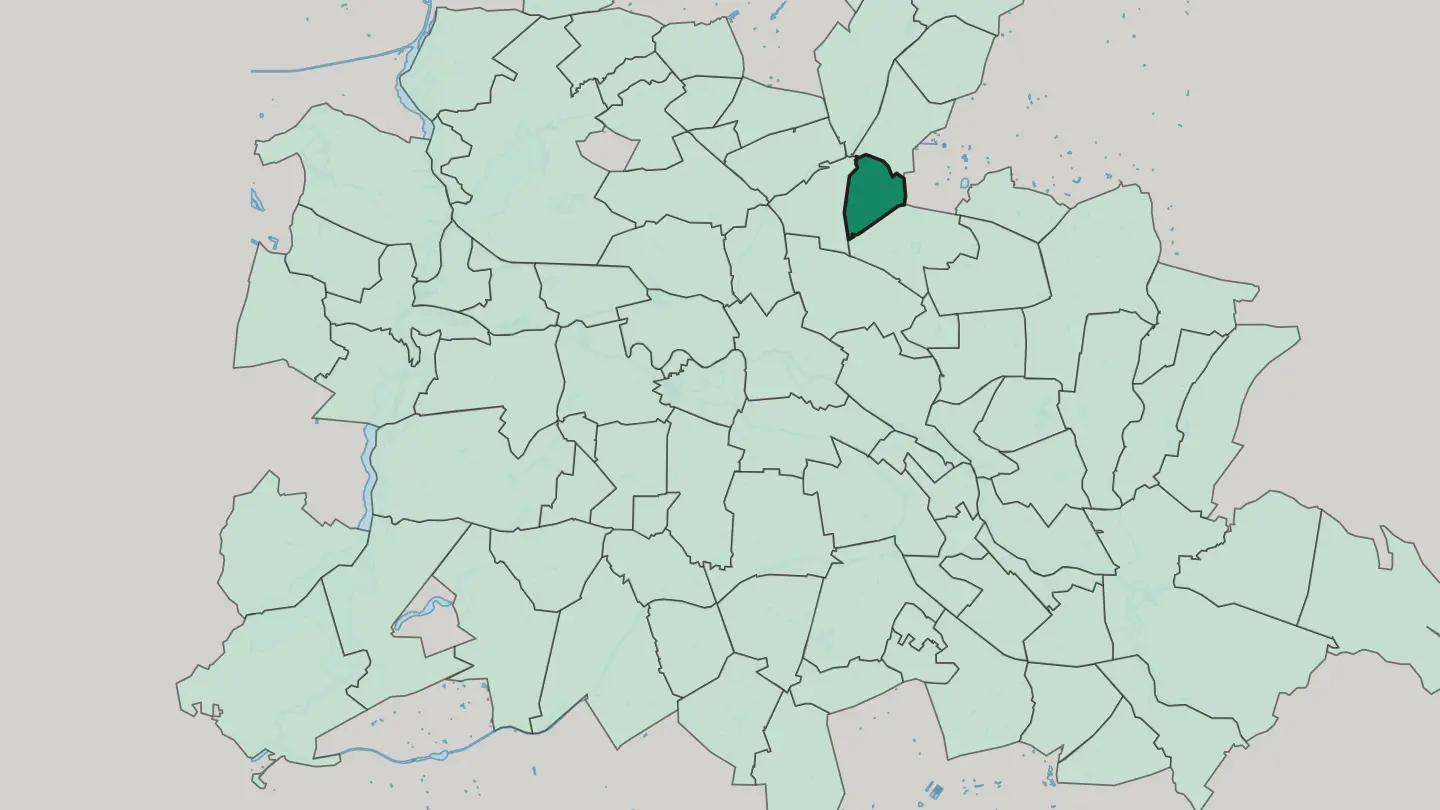
 BerlinGermany
Westend
The Funkturm Berlin rises over Westend, a villa district of Berlin known for the Georg Kolbe Museum and the Wasserturm Westend.Where to stay →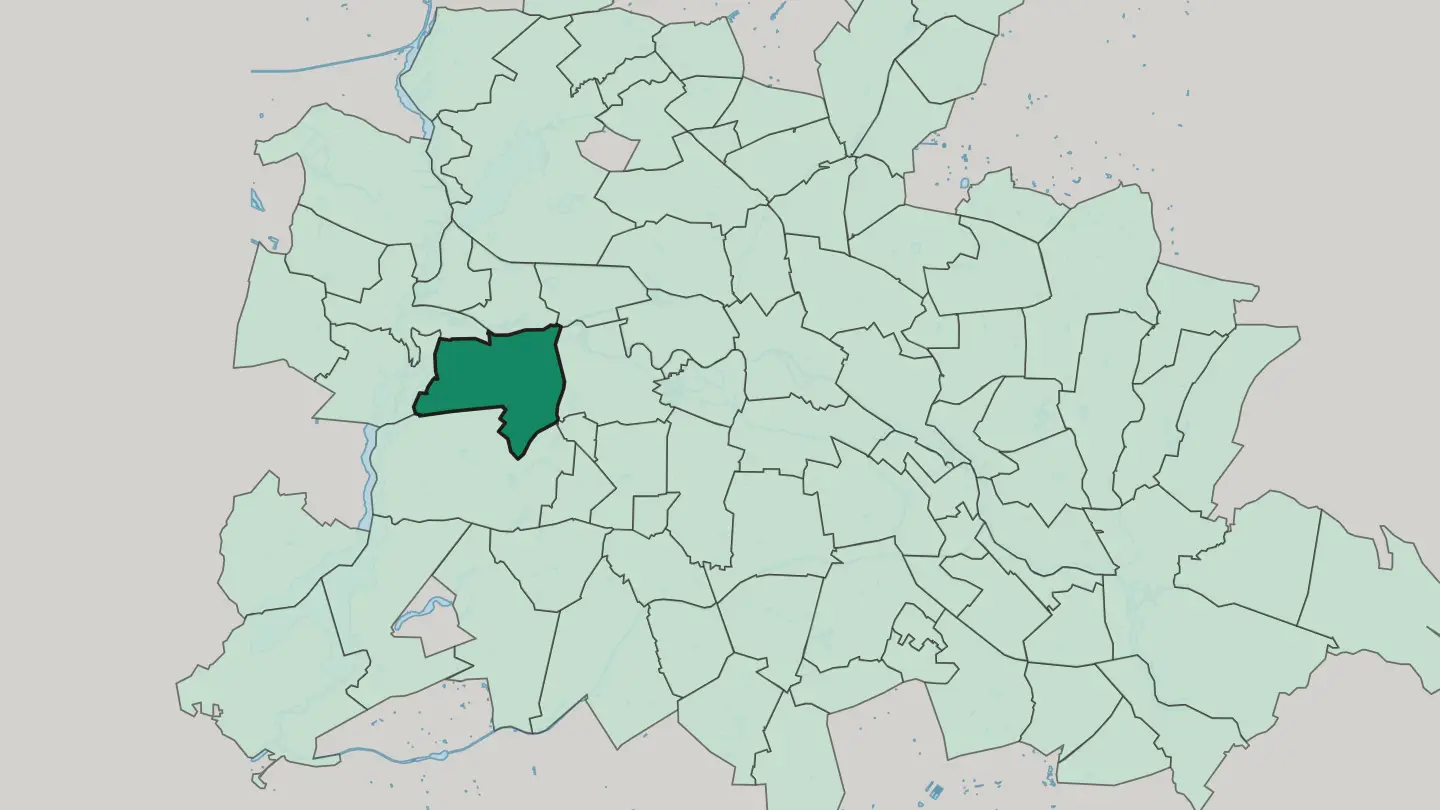
 BerlinGermany
Treptow
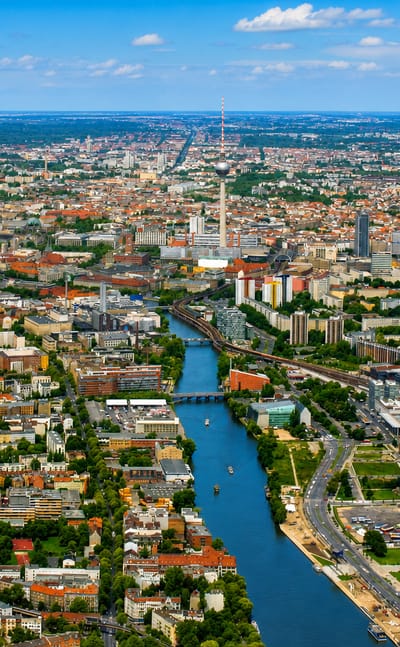
The River Spree curves past Treptower Park in Treptow, a riverside district of Berlin known for its Soviet War Memorial.Where to stay →BerlinGermany
Plänterwald
The Spreepark Ferris wheel rises over Plänterwald, a district of Berlin, Germany, beside Treptower Park.Where to stay →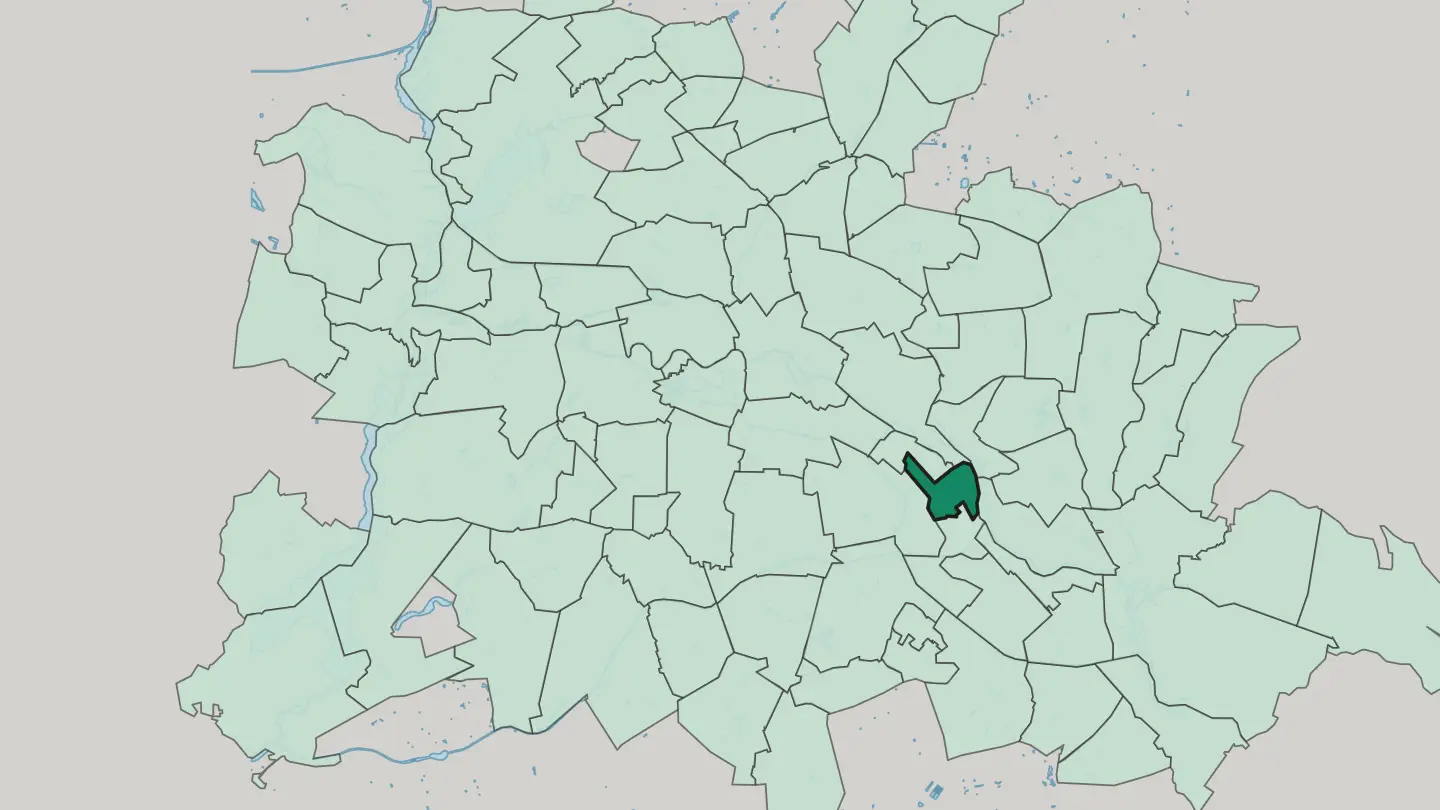
 BerlinGermany
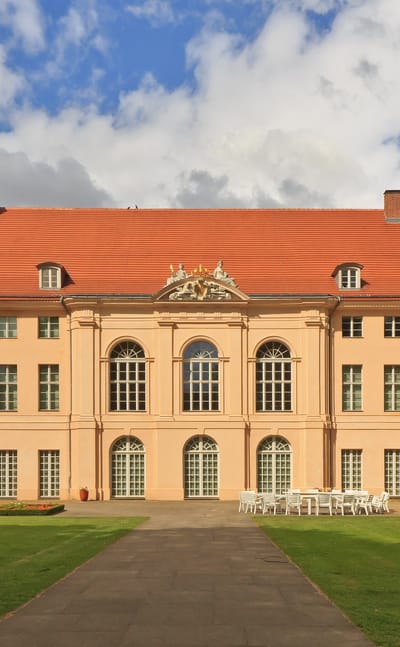
Niederschönhausen
A palace and its park centre Niederschönhausen, a green district of Berlin gathered around Schloss Schönhausen and the Volkspark Schönholzer Heide.Where to stay →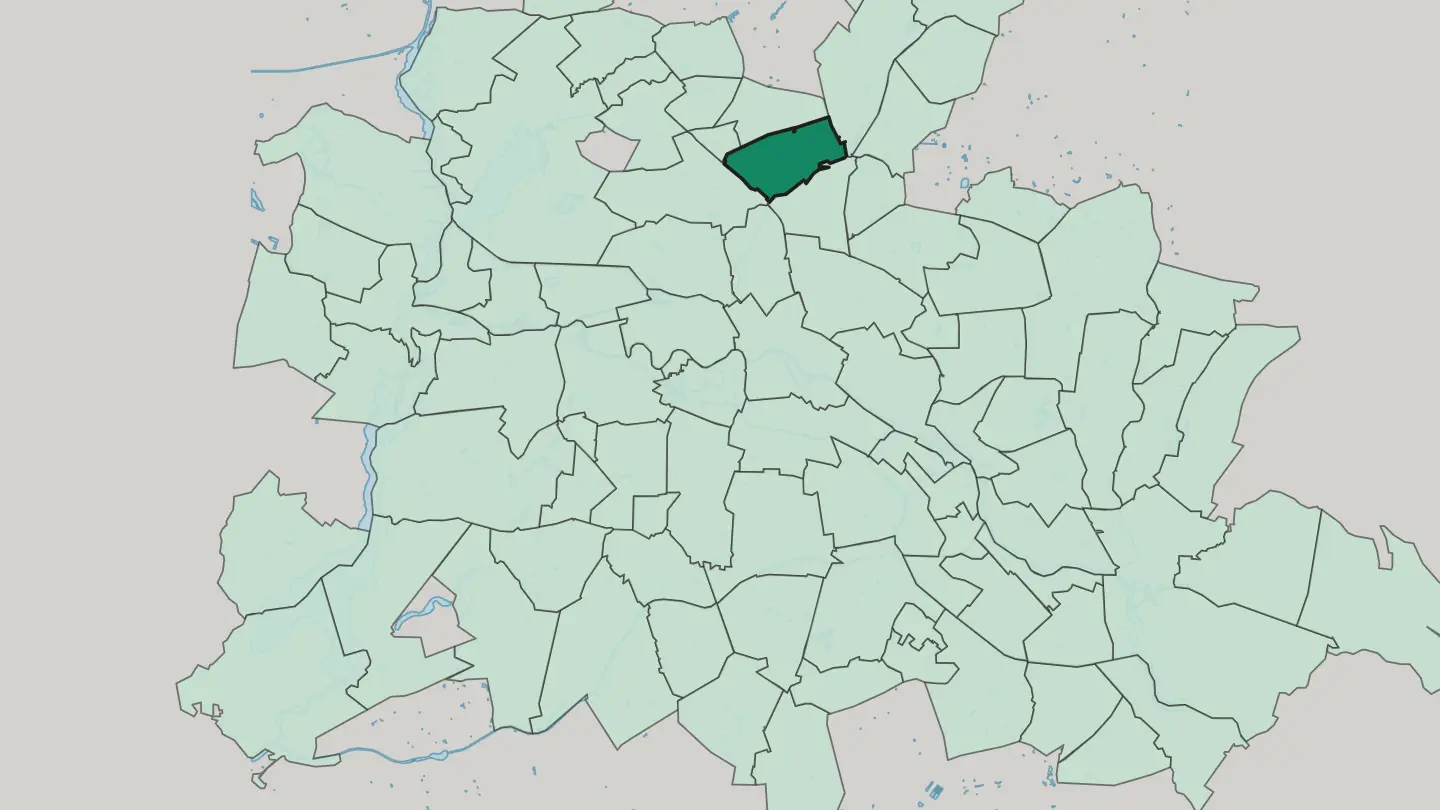
 BerlinGermany
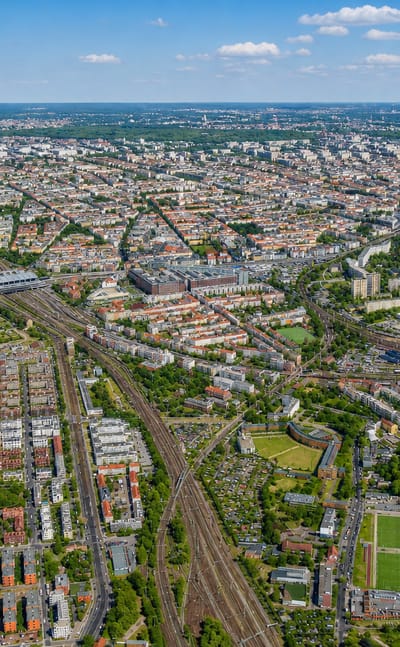
Rummelsburg
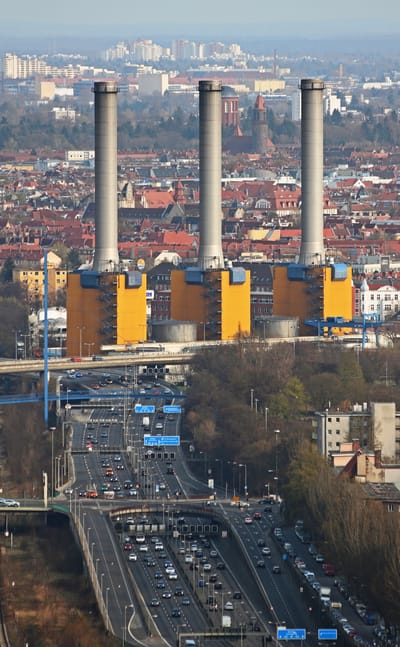
The Erlöserkirche rises over Rummelsburg, a locality in the Lichtenberg borough of Berlin, Germany, beside Stralau and the Dorfkirche Stralau.Where to stay →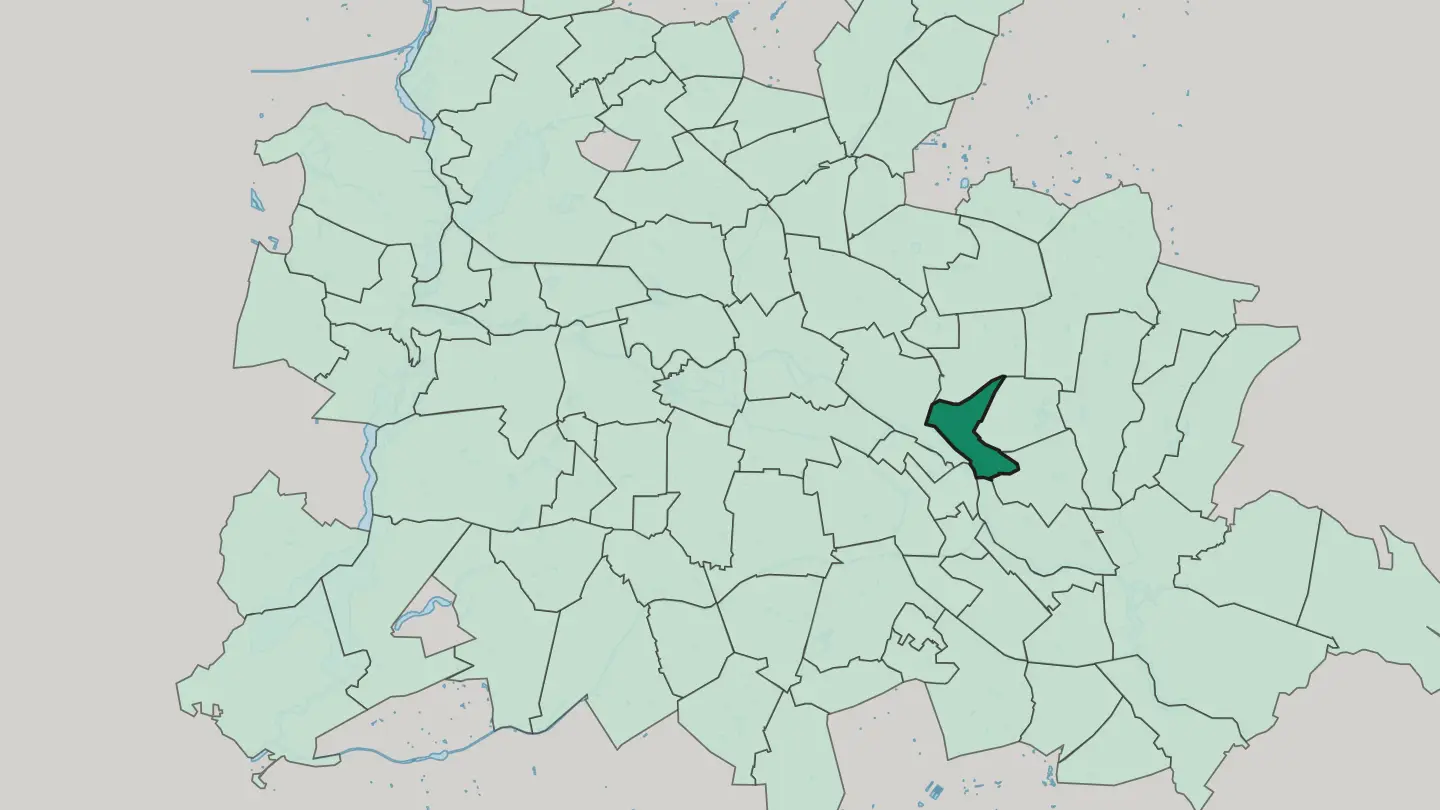
 BerlinGermany
Schmargendorf
The Kreuzkirche and the Horst-Dohm-Eisstadion mark Schmargendorf, a locality of Berlin in Germany, between Wilmersdorf and the Grunewald.Where to stay →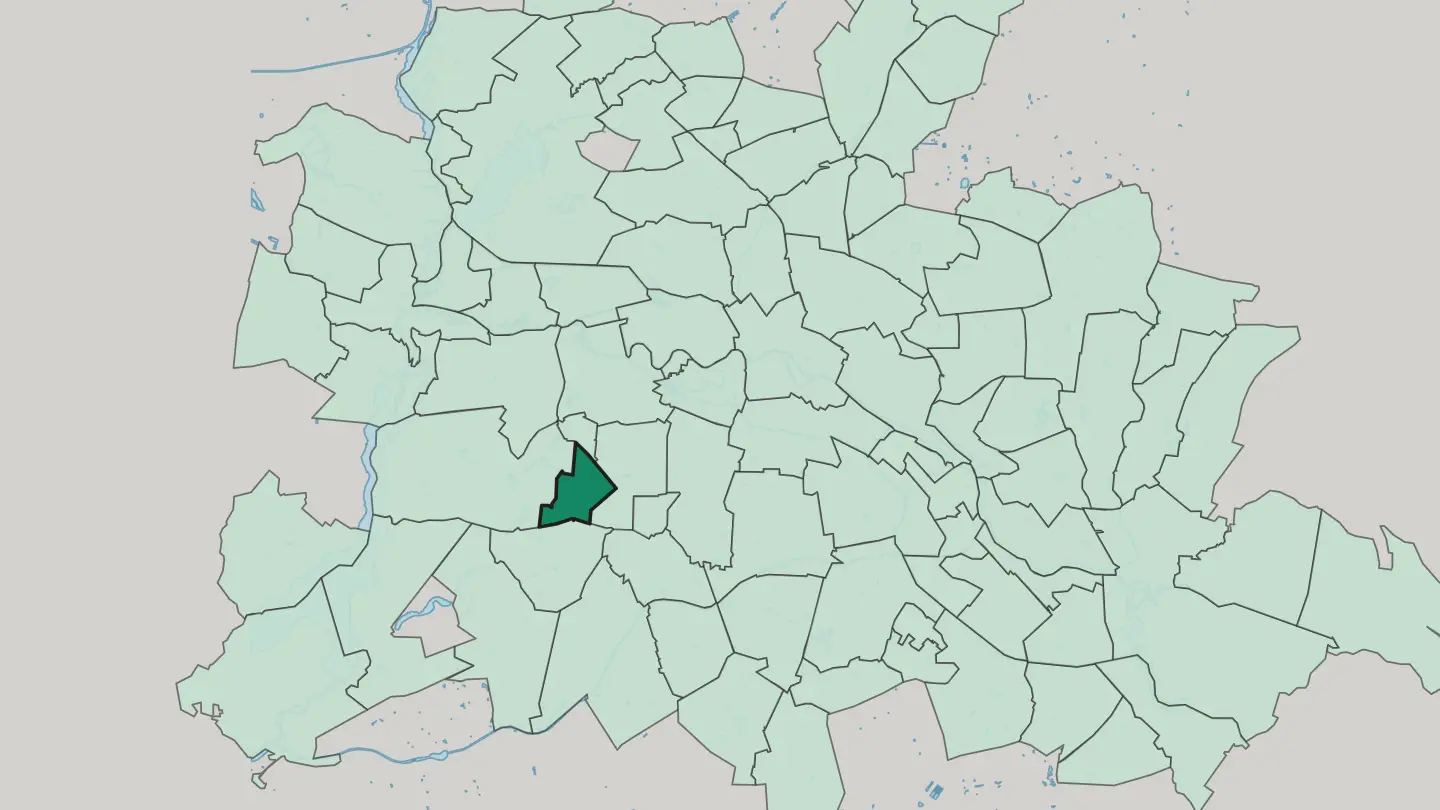 BerlinGermany
Wilhelmsruh
Woodland edges Wilhelmsruh at the Schönholzer Heide, a small district of Berlin marked by the brick Lutherkirche.Where to stay →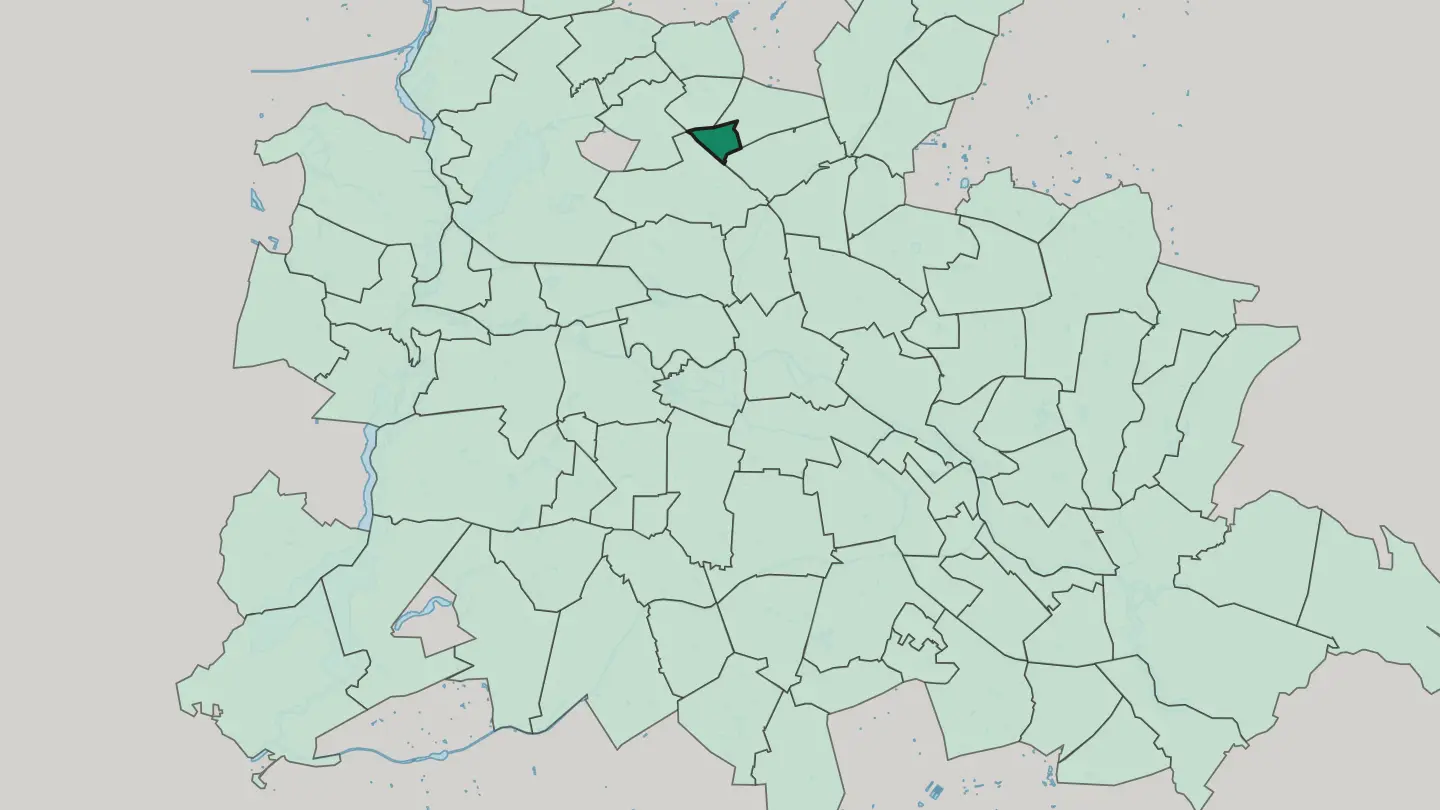
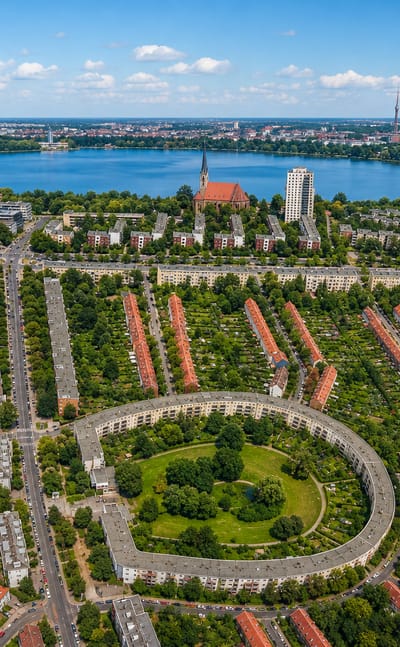 BerlinGermany
Britz
Manor lawns and a village church centre Britz, a quarter of Berlin in Germany, from Schloß Britz to the Dorfkirche Britz.Where to stay →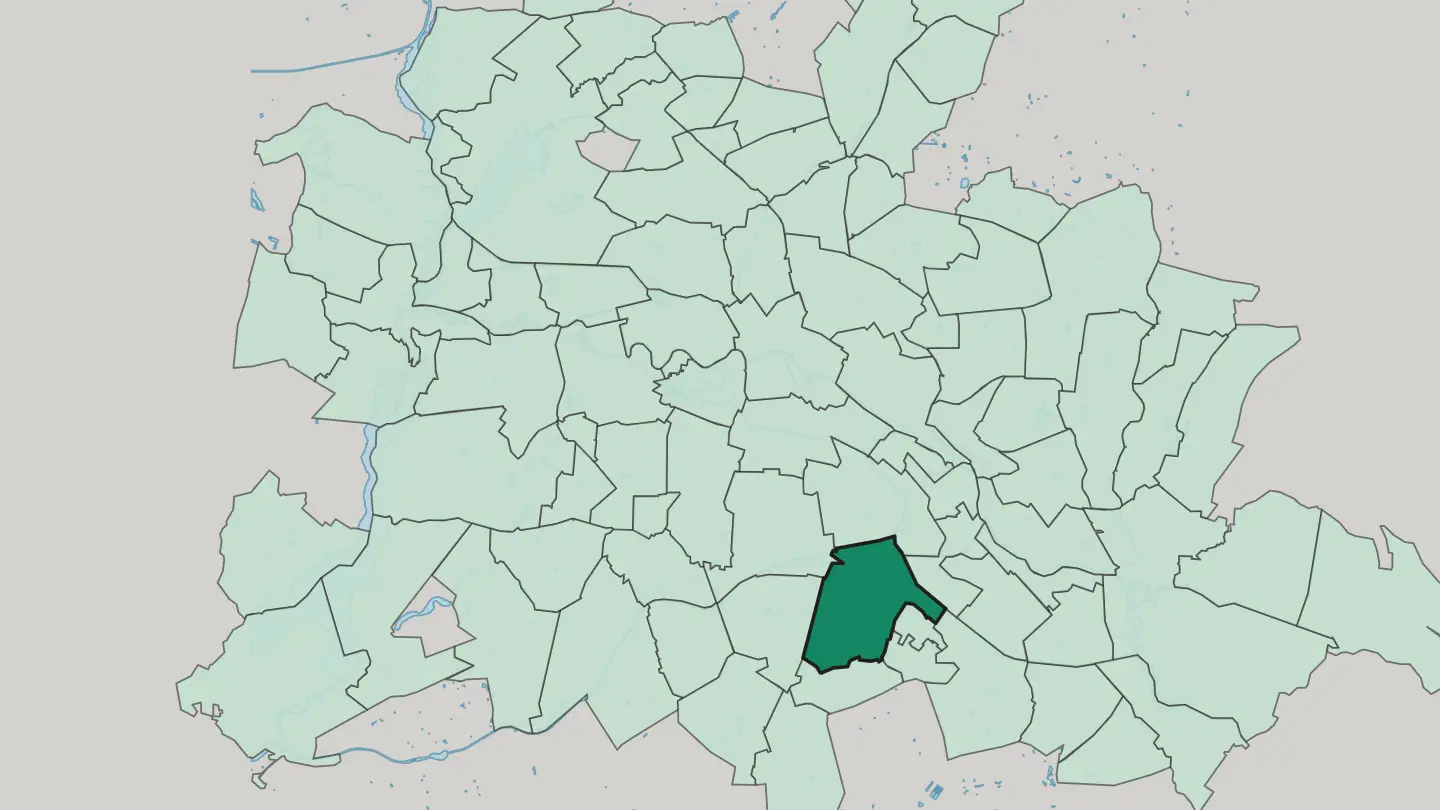
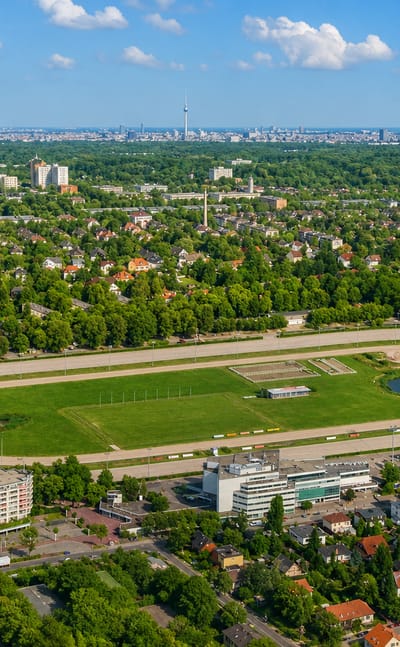 BerlinGermany
Mariendorf
Lawns of the Volkspark Mariendorf frame Mariendorf, a district of Berlin, Germany, known for the Dorfkirche Mariendorf and the Tempelhof Museum.Where to stay →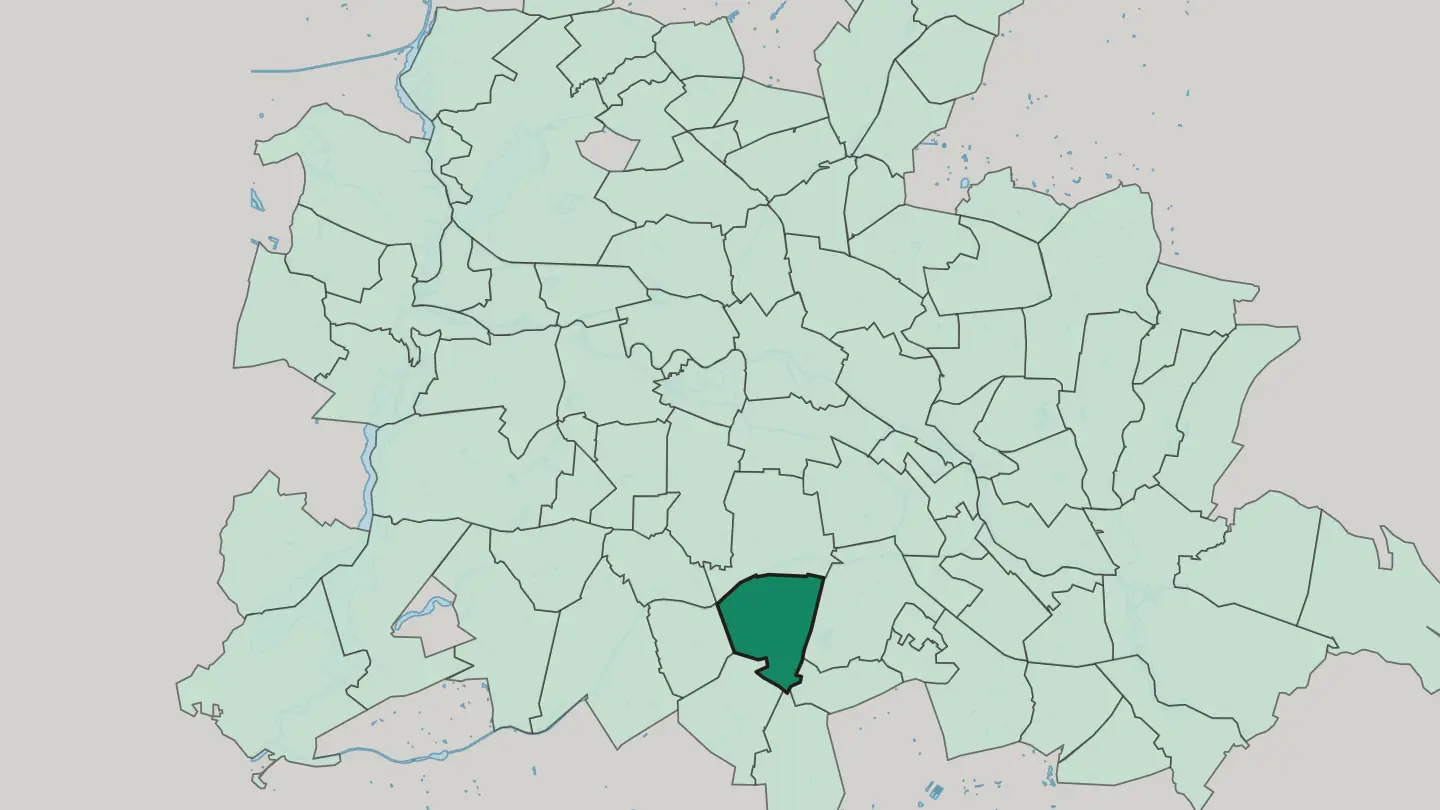
 BerlinGermany
Siemensstadt
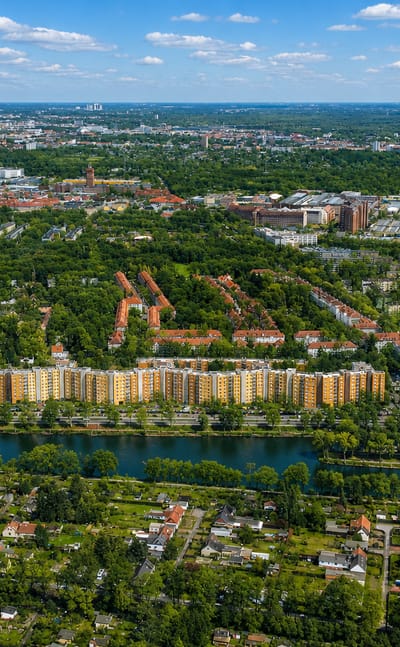
The Goebelplatz and the green Siedlung Siemensstadt mark Siemensstadt, a locality in the Spandau borough of Berlin, Germany.Where to stay → BerlinGermany
Grunewald
Grunewald spreads its villa streets against the forest in Berlin, Germany, a colony of Koenigsallee mansions laid out from 1880.Where to stay →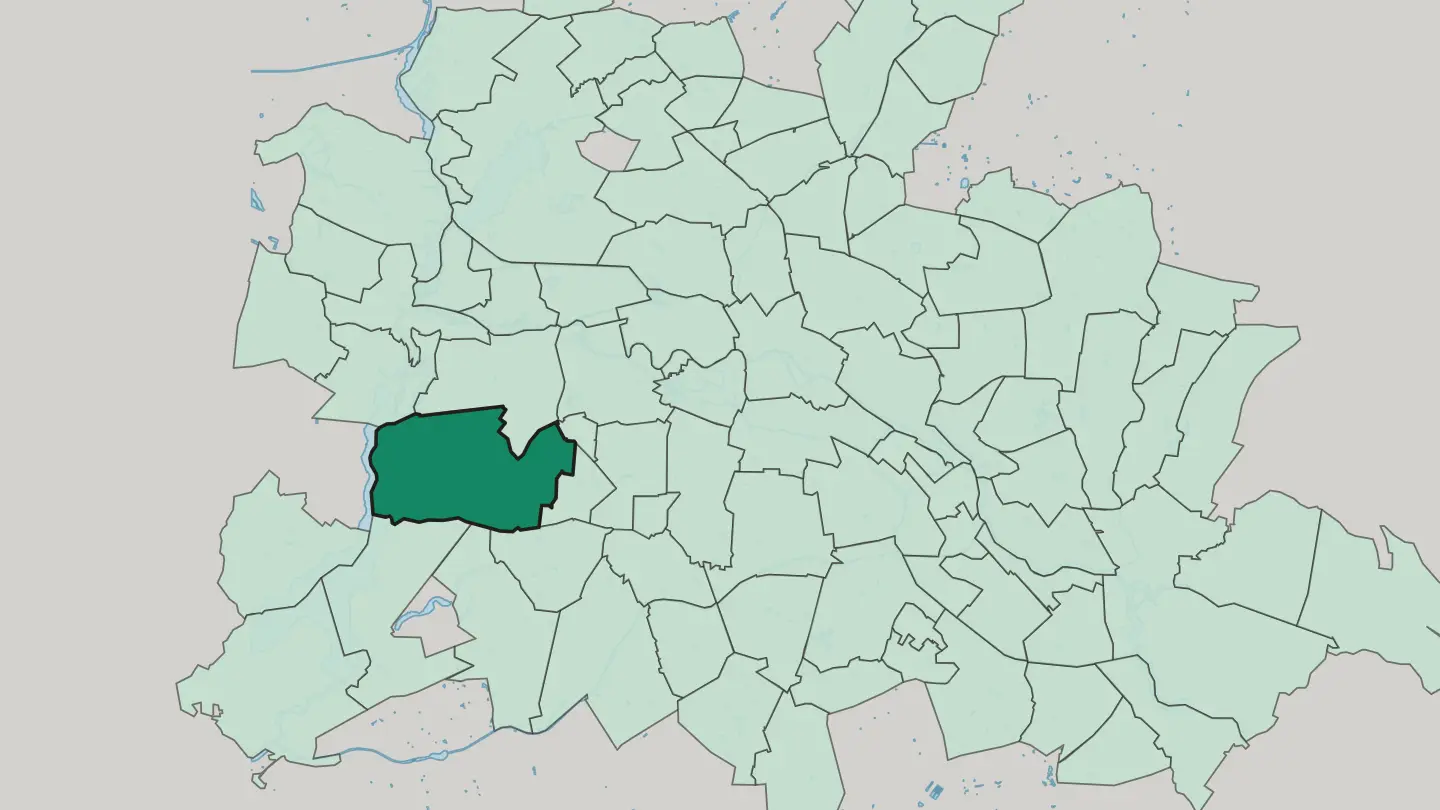 BerlinGermany
Baumschulenweg
Rows of the old Späth nursery gave Baumschulenweg its name, a district of Berlin, Germany, marked by the Kirche Zum Vaterhaus.Where to stay →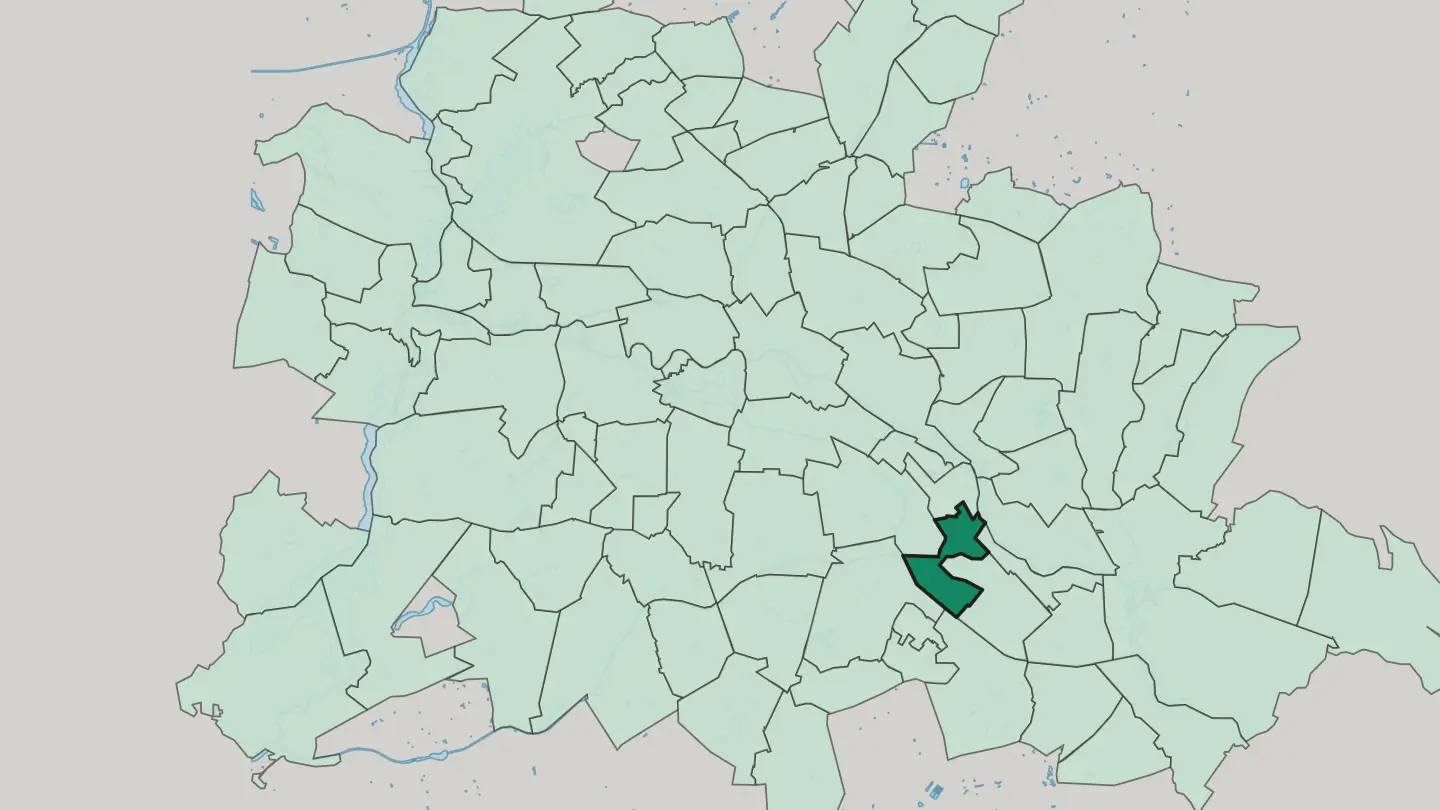 BerlinGermany
Alt-Hohenschönhausen
The Mies-van-der-Rohe-Haus stands among the quiet streets of Alt-Hohenschönhausen, a district of Berlin, Germany.Where to stay →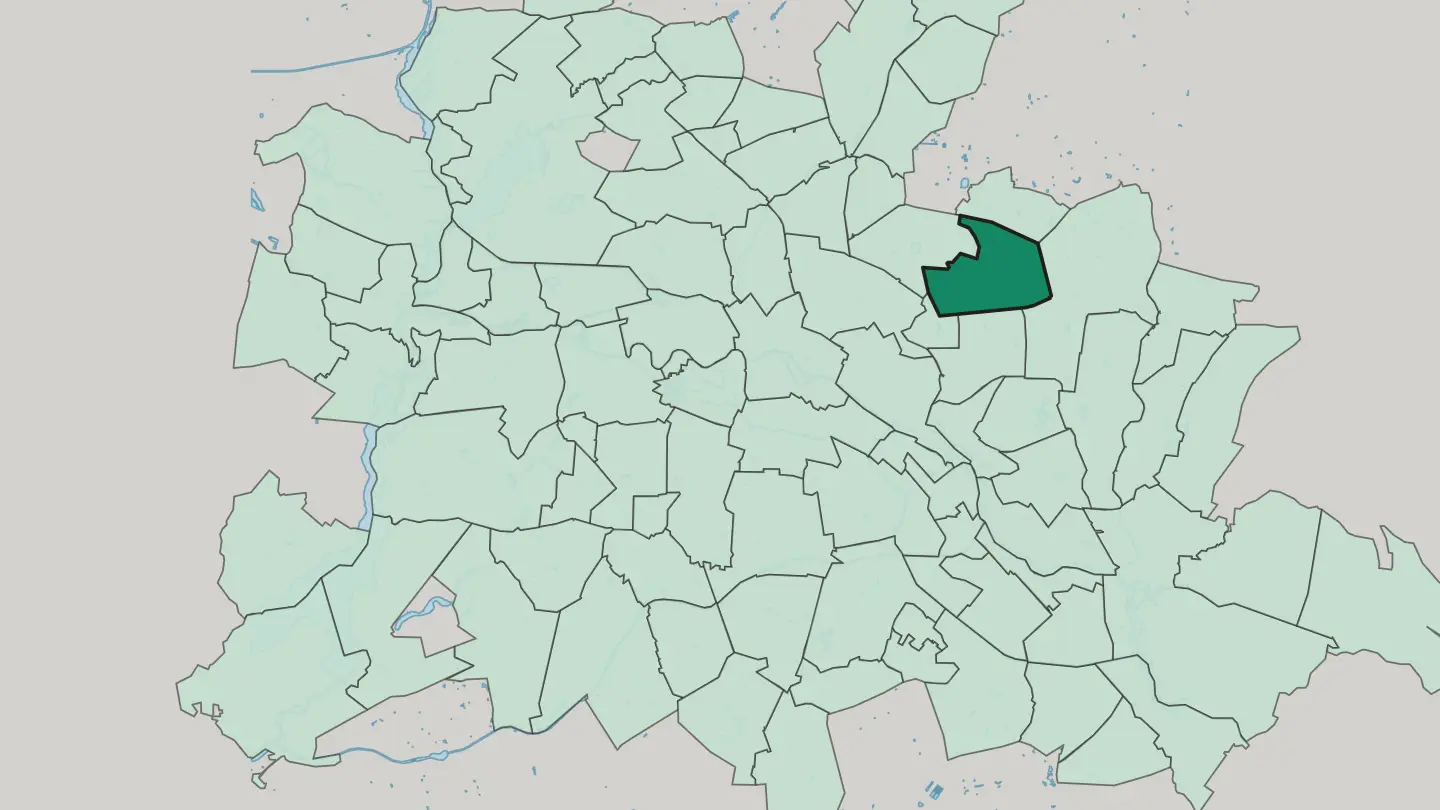 BerlinGermany
Rosenthal
The Dorfkirche Rosenthal marks the old village core of Rosenthal, a quarter of Berlin in Germany, gathered along the Hauptstraße.Where to stay →BerlinGermanyDahlem
Dahlem is a museum and villa quarter of Berlin, set around the Botanic Garden, the Brücke Museum and Domäne Dahlem.Where to stay → BerlinGermany
Wittenau
A village green survives at Wittenau, a district of Berlin in the borough of Reinickendorf, ringed by the old Dorfkirche Wittenau.Where to stay →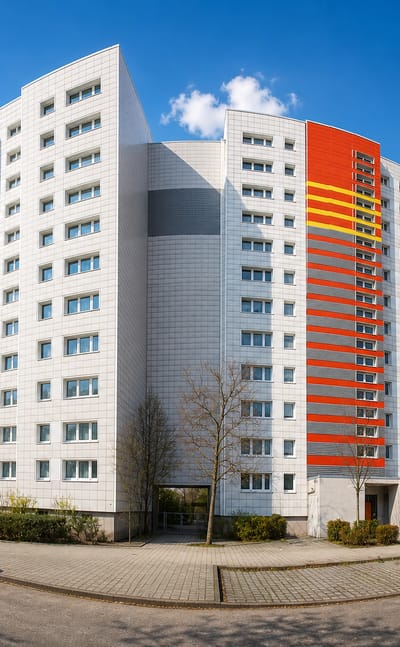 BerlinGermany
Friedrichsfelde
Friedrichsfelde is a district of Berlin, Germany, known for Museum Schloß Friedrichsfelde and the old Dorfkirche Friedrichsfelde.Where to stay →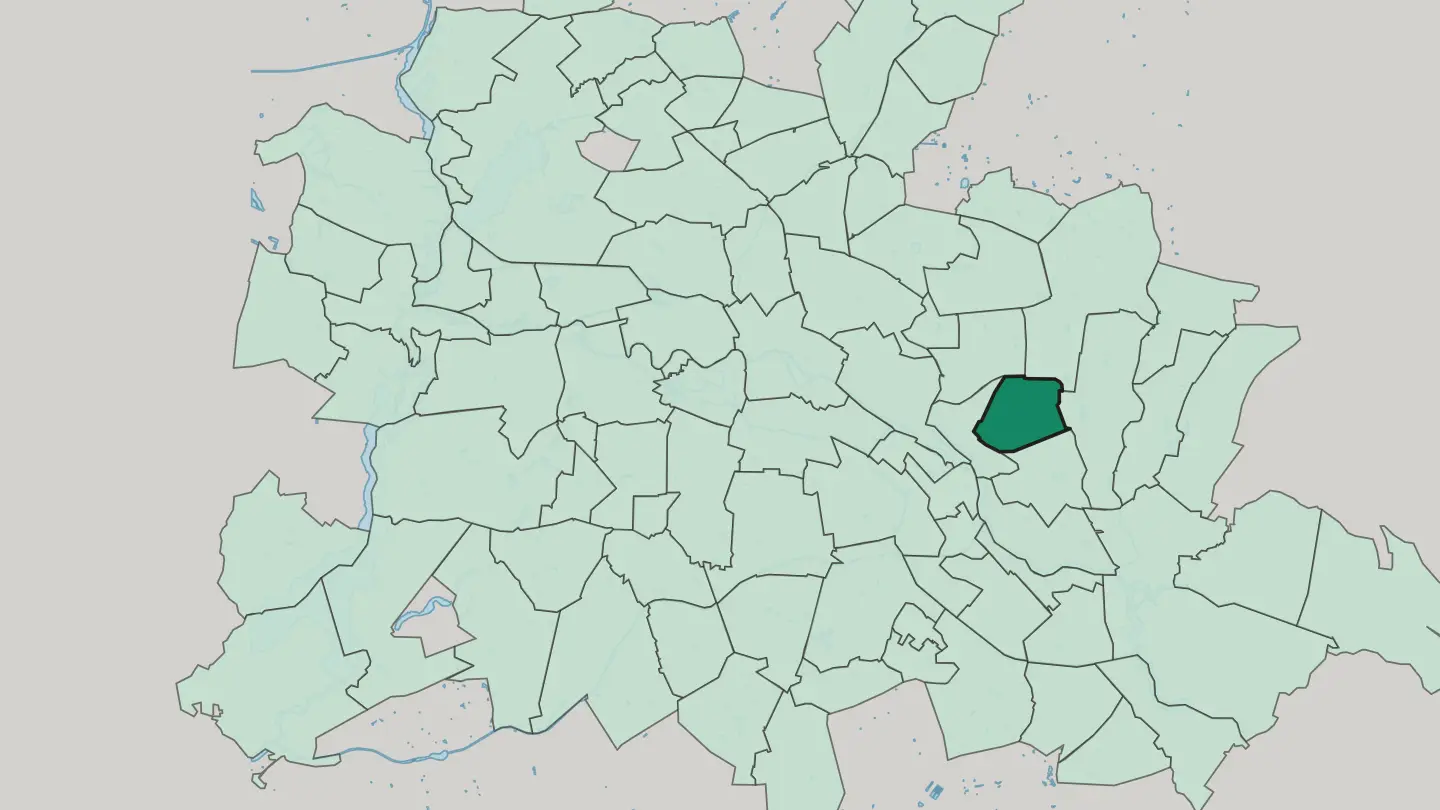
 BerlinGermany
Märkisches Viertel
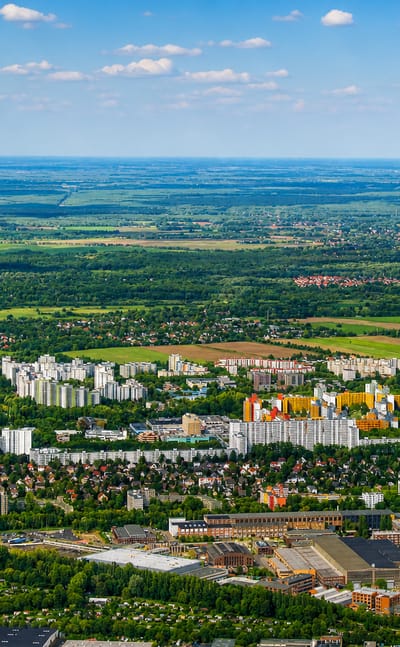
Märkisches Viertel is a large housing estate on the eastern edge of Berlin's Reinickendorf borough, named after the March of Brandenburg.Where to stay →BerlinGermanyLankwitz
A village church still marks the old core of Lankwitz, a quarter of Berlin in Germany, from the Dorfkirche Lankwitz to Kloster Sankt Augustinus.Where to stay →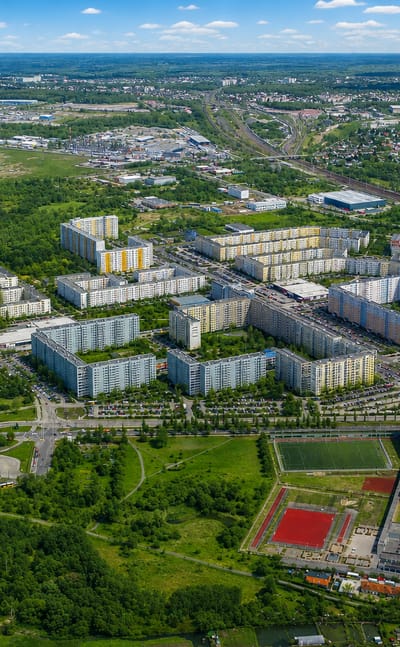 BerlinGermany
Neu-Hohenschönhausen
Three churches mark Neu-Hohenschönhausen, a residential district of Berlin paired with neighbouring Alt-Hohenschönhausen.Where to stay →BerlinGermanyBlankenburg
Low houses ring the Village Church Blankenburg, the old core of Blankenburg, a quarter of Berlin in Germany around Alt-Blankenburg.Where to stay →BerlinGermanyFranzösisch Buchholz
Französisch Buchholz is a former village turned quarter of Berlin, set around its old village church and St. Johannes Evangelist.Where to stay →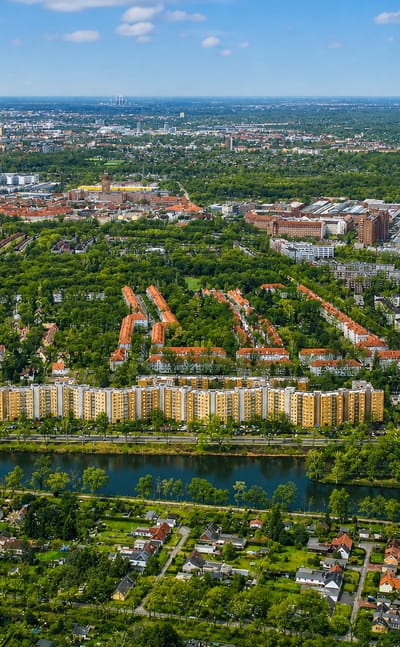 BerlinGermany
Tegel
Tegel spreads across the outer reaches of Berlin, built around the old village of Alt-Tegel with its Dorfkirche Alt-Tegel and a Humboldt monument.Where to stay →BerlinGermanyHaselhorst
The Weihnachtskirche marks Haselhorst, a district of Berlin, Germany, founded as the residential town of Spandau-Haselhorst.Where to stay →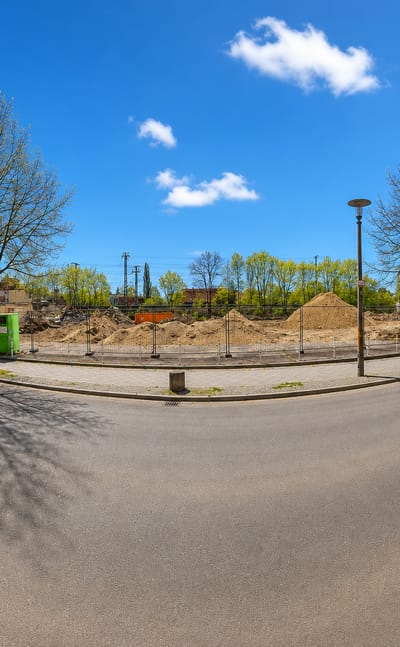 BerlinGermany
Karlshorst
The Museum Berlin-Karlshorst and a harness racing track mark Karlshorst, a Berlin locality in the borough of Lichtenberg.Where to stay →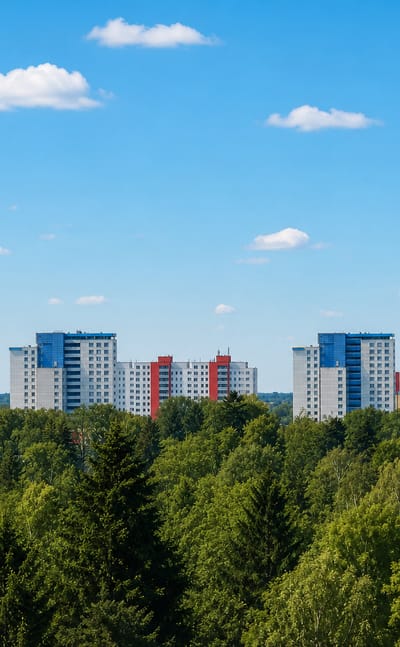 BerlinGermany
Lichterfelde
A botanic garden edges Lichterfelde, a quarter of Berlin in Germany, from the Botanic Garden and Botanical Museum Berlin to the Dorfkirche Lichterfelde.Where to stay → BerlinGermany
Oberschöneweide
The industry park Schöneweide anchors Oberschöneweide, a district of Berlin, Germany, with the Christuskirche rising over its streets.Where to stay →BerlinGermanyBuckow
An old church and modern housing blocks mark Buckow, a quarter of Berlin in Germany, from the Dreieinigkeitskirche to the Gropiushaus.Where to stay →BerlinGermanyWaidmannslust
Quiet streets ring the Apostel-Paulus-Kirche in Waidmannslust, a small residential locality of Berlin in the Reinickendorf district.Where to stay →BerlinGermanyNiederschöneweide
An old industrial quarter of Berlin, Niederschöneweide sits beside Oberschöneweide, marked by the Christuskirche and the industry park Schöneweide.Where to stay → BerlinGermany
Marienfelde
The village green at Alt-Marienfelde opens Marienfelde, a district of Berlin, Germany, known for the Dorfkirche Marienfelde and Kloster Sankt Augustinus.Where to stay → BerlinGermany
Lübars
An old village green centres Lübars, a quarter of Berlin in Germany, from the Dorfkirche Lübars to the gas-lit lanes of Alt-Lübars.Where to stay →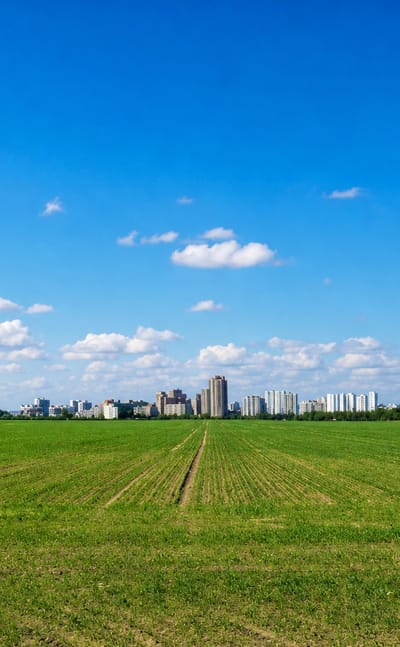 BerlinGermany
Gropiusstadt
Gropiusstadt is a district of Berlin, Germany, known for the Gropiushaus and the churches of Dreieinigkeitskirche and St. Dominicus.Where to stay →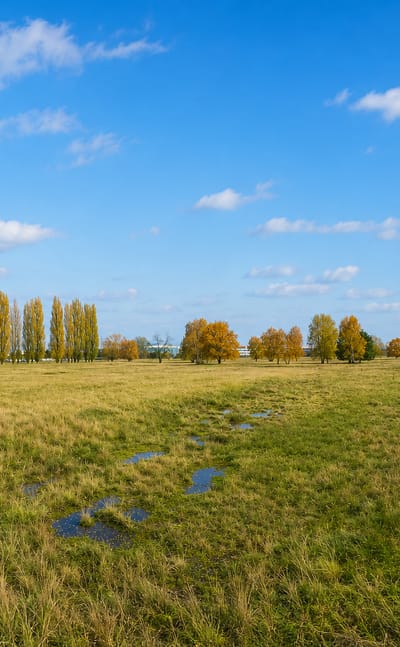 BerlinGermany
Johannisthal
Early flight left its mark on Johannisthal, a Berlin locality in the borough of Treptow-Köpenick near the old Johannisthal Air Field.Where to stay →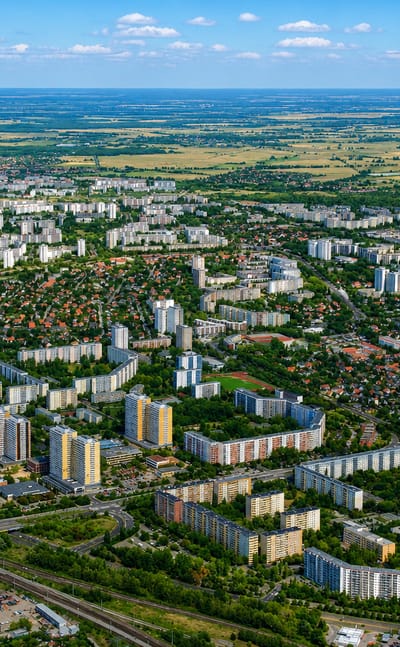 BerlinGermany
Biesdorf
The Dorfkirche Biesdorf stands at the old village centre of Biesdorf, a residential district of Berlin, Germany.Where to stay →BerlinGermanyHermsdorf
The Dorfkirche Hermsdorf and the Museum Reinickendorf mark the centre of Hermsdorf, a Berlin locality in the borough of Reinickendorf.Where to stay →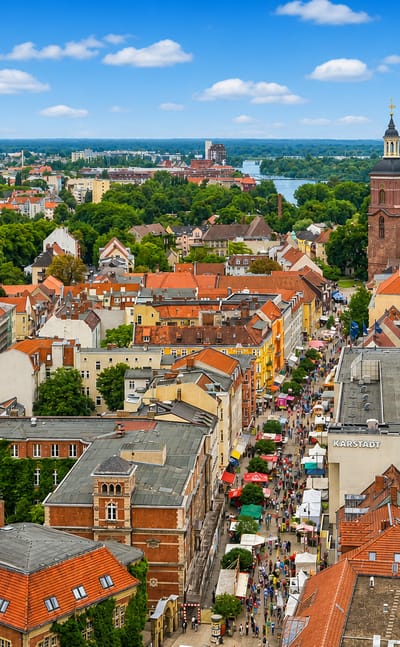 BerlinGermany
Spandau
Spandau sits at the confluence of the Havel and Spree, the westernmost of Berlin's boroughs, ringed by an old town and the moated Spandau Citadel.Where to stay →BerlinGermanyZehlendorf
Villa gardens and the Fischtalpark ring Zehlendorf, a leafy district of Berlin in the borough of Steglitz-Zehlendorf.Where to stay → BerlinGermany
Marzahn
The Dorfkirche Marzahn stands on the old village green of Marzahn, a district of Berlin, Germany, beside the wooded Parkfriedhof Marzahn.Where to stay →BerlinGermanyKonradshöhe
Konradshöhe is a small residential district on the edge of Berlin, marked by the Jesus-Christus-Kirche and the Saint Agnes Chapel.Where to stay →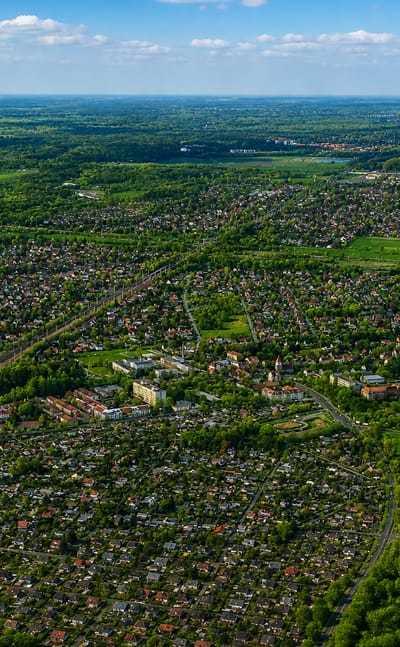 BerlinGermany
Karow
Karow is a quiet residential district of Berlin, an old village core gathered around Karow church and the Dorfkirchhof Karow off Röländer Straße.Where to stay → BerlinGermany
Wilhelmstadt
Brick spires rise over Wilhelmstadt, a district of Berlin in the borough of Spandau, marked by the Gnadenkirche and the Melanchthonkirche.Where to stay →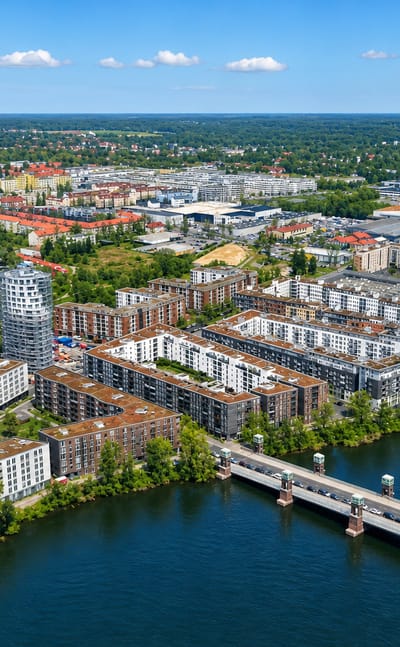 BerlinGermany
Hakenfelde
The Stiftskirche Johannis Evangelist marks the streets of Hakenfelde, a district of Berlin, Germany.Where to stay →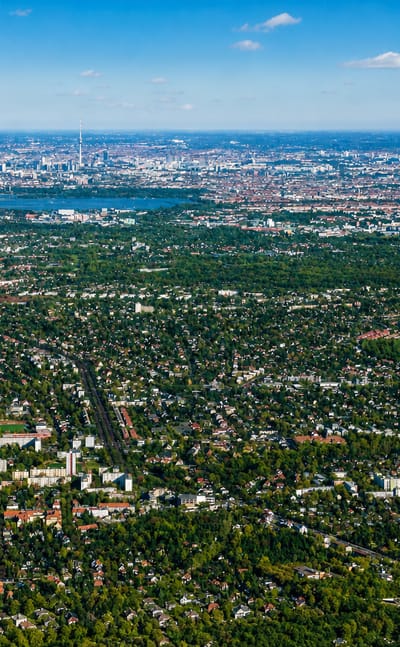 BerlinGermany
Lichtenrade
A village church holds the centre of Lichtenrade, a quarter of Berlin in Germany, from the Dorfkirche Lichtenrade to the Dietrich-Bonhoeffer-Kirche.Where to stay →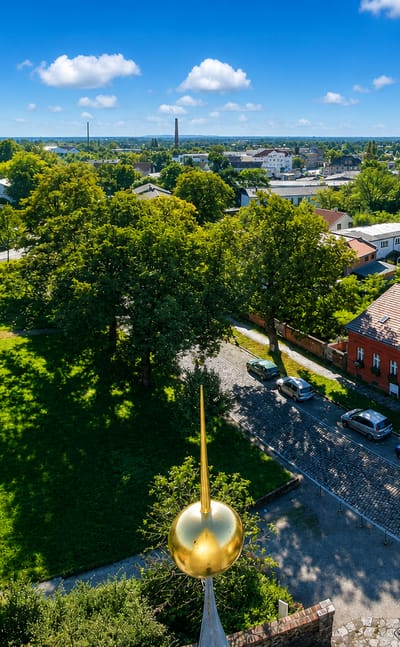 BerlinGermany
Kaulsdorf
Kaulsdorf is a residential district of Berlin on the Wuhletal, an old village grouped around the Jesus Church with sports grounds along its streets.Where to stay →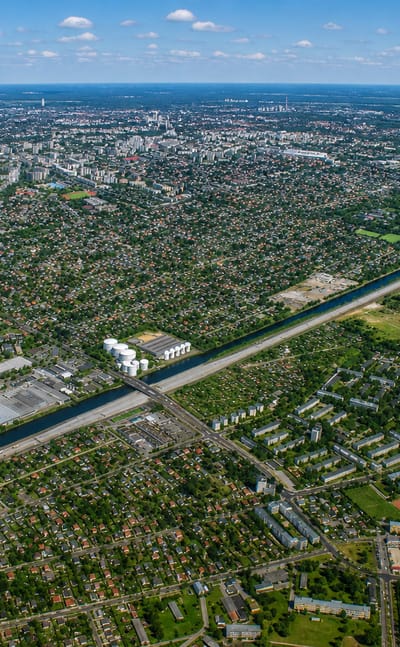 BerlinGermany
Rudow
The Dorfkirche Rudow anchors Rudow, a locality in the Neukölln borough of Berlin, Germany, edged by the Röthepfuhl and the Krummer Katzenpfuhl.Where to stay →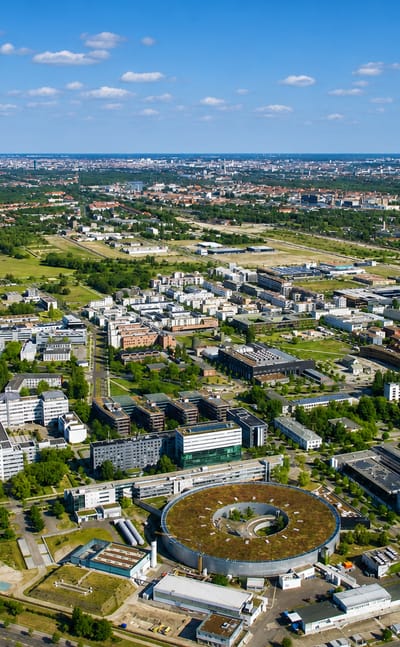 BerlinGermany
Adlershof
The Trudelturm and the Verklärungskirche mark Adlershof, a locality in the Treptow-Köpenick borough of Berlin, Germany.Where to stay →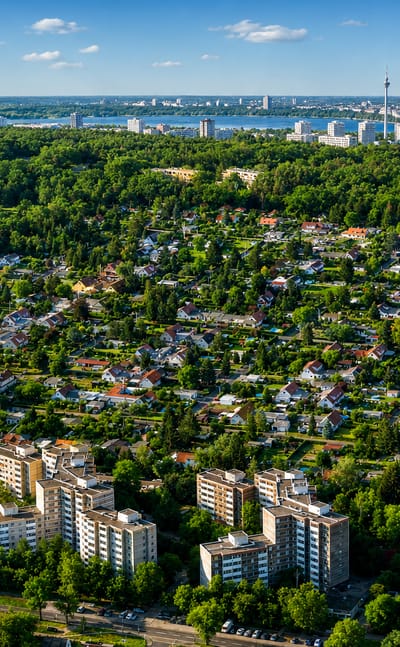 BerlinGermany
Falkenhagener Feld
Falkenhagener Feld is a locality of Berlin in the borough of Spandau, marked by the Jeremia-Kirche and the Zuflucht-Kirche.Where to stay →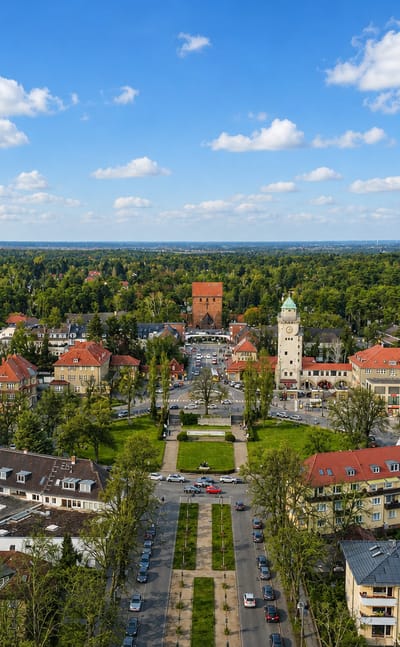 BerlinGermany
Frohnau
Frohnau is a garden suburb of Berlin, Germany, laid out in 1910 in the Reinickendorf borough around the Johanneskirche.Where to stay →BerlinGermanyHeiligensee
A working farmyard and three small churches mark Heiligensee, a quiet locality of Berlin around the Waldkirche Heiligensee.Where to stay →BerlinGermanyAltglienicke
The Dorfkirche Altglienicke holds the old village heart of Altglienicke, a district of Berlin, Germany.Where to stay →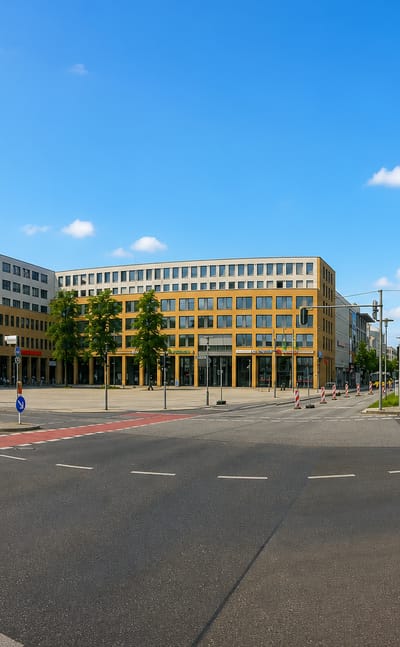 BerlinGermany
Hellersdorf
The Stadion an der Friesoyther Strasse anchors Hellersdorf, a Berlin locality in the borough of Marzahn-Hellersdorf.Where to stay →BerlinGermanyBuch
A Baroque church and a campus of scientists' busts mark Buch, a quarter of Berlin in Germany, from the Schlosskirche Buch to Campus Berlin-Buch.Where to stay →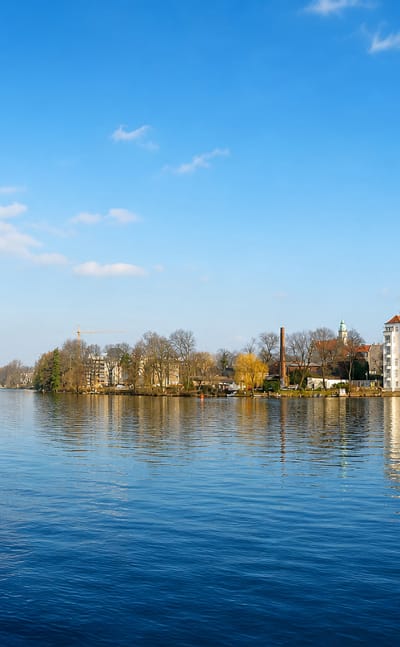 BerlinGermany
Köpenick
Köpenick is a historic district of Berlin built around Schloss Köpenick on its island, the Schloßinsel, with Bellevuepark and Volkspark Köpenick nearby.Where to stay →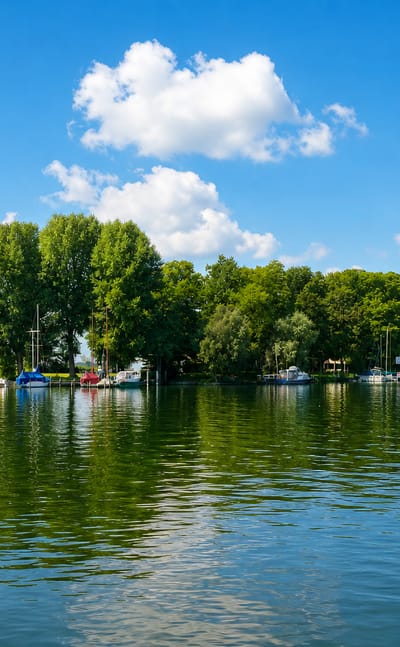 BerlinGermany
Nikolassee
Villas and gardens spread through Nikolassee, a lakeside district of Berlin by the Schlachtensee, around the Kirche Nikolassee and Villa Rosenburg.Where to stay →BerlinGermanyMahlsdorf
An old manor and its park anchor Mahlsdorf, a quarter of Berlin in Germany, from the Dorfkirche Mahlsdorf to the Gutspark Mahlsdorf.Where to stay →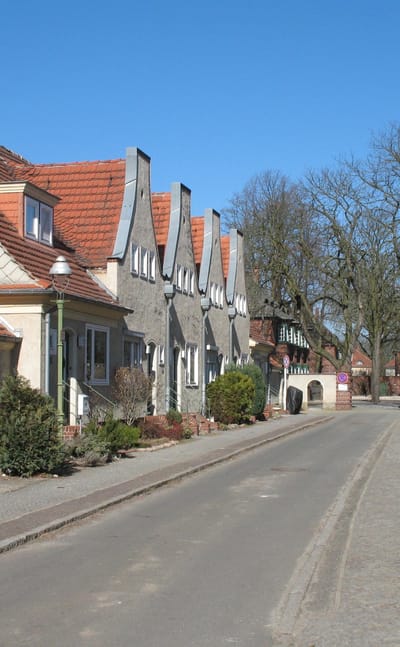 BerlinGermany
Staaken
Staaken sits at the western edge of Berlin, an old village around the Dorfkirche Staaken that grew into the planned quarter of Gartenstadt Staaken.Where to stay → BerlinGermany
Grünau
The Friedenskirche Grünau and garden-city streets define Grünau, a locality of Berlin, Germany, beside the Gartenstadt Falkenberg.Where to stay →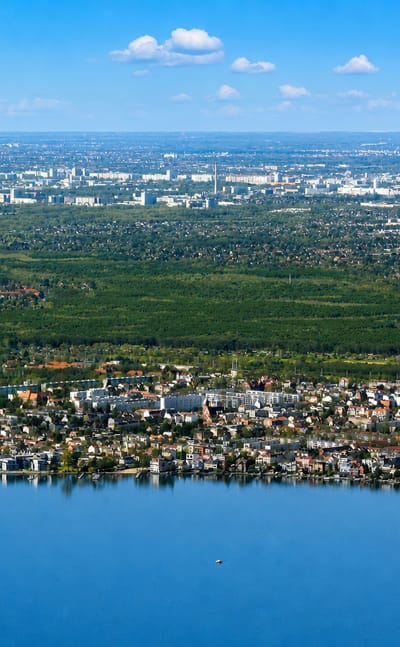 BerlinGermany
Friedrichshagen
Friedrichshagen is a district of Berlin, Germany, known for the Christopheruskirche and the Kapelle St. Franziskus.Where to stay →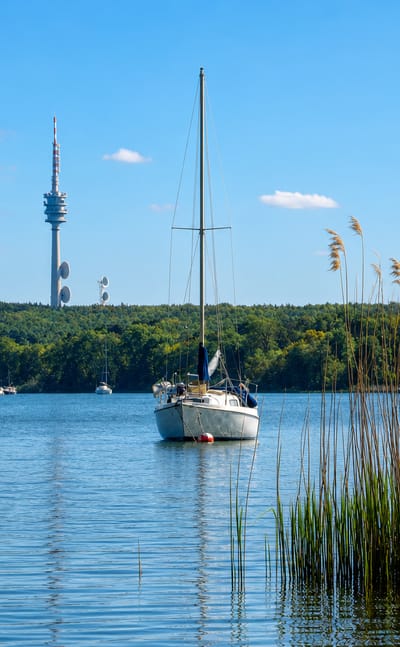 BerlinGermany
Kladow
Kladow is a village district on the outer edge of Berlin, gathered around the Dorfkirche Kladow and the church of Mariä Himmelfahrt off Krampnitzer Weg.Where to stay →BerlinGermanyBohnsdorf
Painted terraces and a village church mark Bohnsdorf, a quarter of Berlin in Germany, from the Gartenstadt Falkenberg to the Dorfkirche Bohnsdorf.Where to stay →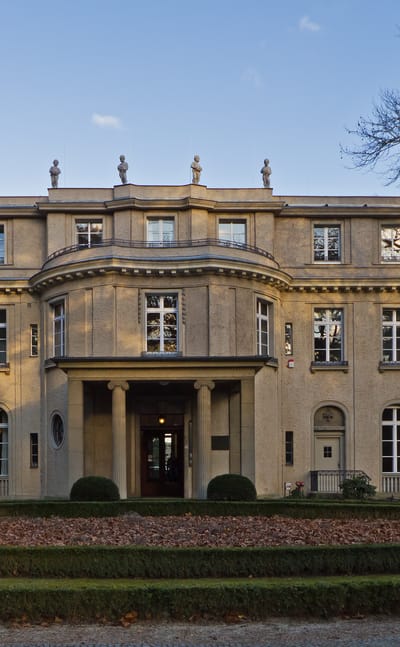 BerlinGermany
Wannsee
The Großer Wannsee opens off the Havel at Wannsee, the westernmost locality of Berlin, its two lakes split by the Wannsee Bridge.Where to stay →BerlinGermanyMüggelheim
Müggelheim is a Berlin locality inside the borough of Treptow-Köpenick, spread across some twenty-two square kilometres of ground.Where to stay →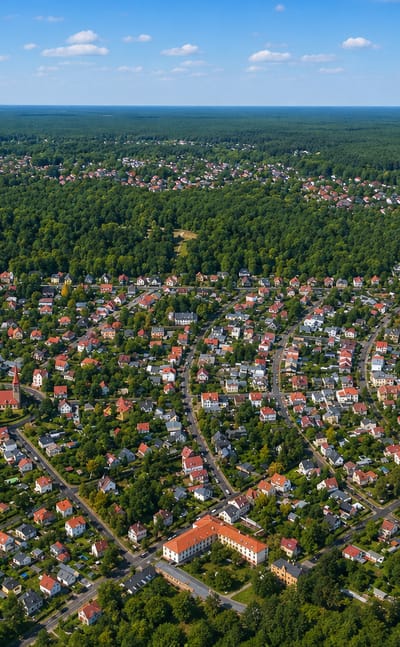 BerlinGermany
Rahnsdorf
The Village church of Berlin-Rahnsdorf stands at the old core of Rahnsdorf, a district of Berlin, Germany, near the Tabor Church.Where to stay →Hotel links are affiliate links: booking through them may earn us a commission, at no extra cost to you. It never affects how places are ranked. How this works
Find hotels in Berlin
Direct booking searches for these neighbourhoods.
The historic centre by Museum Island
the old core sets the Brandenburg Gate, the Reichstag, and Berlin Cathedral beside the museums of Museum IslandFind hotels in The historic centre by Museum Islandtravellers who want the transit hub under the FernsehturmAlexanderplatz and the tower
the wide square of Alexanderplatz spreads beneath the Fernsehturm Berlin at the transit centre of the cityFind hotels in Alexanderplatz and the towerthose who want the western half around the zooThe old west end
the streets by the Kaiser-Wilhelm-Gedächtniskirche and the Berlin Zoological Garden hold the old western centre of Berlin. Lodging is scarce in this area; reserve in advance.Find hotels in The old west endHotel links are affiliate links: booking through them may earn us a commission, at no extra cost to you. It never affects how places are ranked. How this works
Things to do in Berlin
Ranked by global recognition; descriptions from Wikidata (CC0).
Museums & Galleries
8- Altes Museum UNESCO
- Pergamon Museum Heritage
- East Side Gallery Heritage
- Neues Museum Heritage
- Bode Museum Heritage
Show 3 more →
- Alte Nationalgalerie Heritage
- Soviet War Memorial Heritage
- Berlin-Hohenschönhausen Memorial Heritage
Churches & Religious Sites
8- Berlin Cathedral Heritage
- Kaiser-Wilhelm-Gedächtniskirche Heritage
- Marienkirche (Berlin-Mitte) Heritage
- Nikolaikirche (Berlin) Heritage
- French Cathedral Heritage
Show 3 more →
- Zion Church Heritage
- Versöhnungskirche Heritage
- Heilig-Kreuz-Kirche (Berlin-Kreuzberg) Heritage
Castles & Historic Sites
8- Charlottenburg Palace Heritage
- Prussian National Monument for the Liberation Wars Heritage
- Equestrian statue of Friedrich Wilhelm I Heritage
- Statue of Helmuth von Moltke the Elder Heritage
- Berlin Peace Column Heritage
Show 3 more →
- Memorial of Friedrich Wilhelm von Bülow Heritage
- Spandau Gord Heritage
- Denkmal der Köpenicker Blutwoche Heritage
Nature & Outdoors
6- Heinrich-von-Kleist-Park Heritage
- Volkspark Mariendorf Heritage
- Mierendorffplatz Heritage
- Bellevuepark Heritage
- Volkspark Köpenick Heritage
Show 1 more →
- Gutspark Mahlsdorf Heritage
Stadiums & Sports
3- Horst-Dohm-Eisstadion
- Stadium Buschallee
- Eisschnelllaufhalle Berlin-Hohenschönhausen
Parks & Gardens
2- Botanic Garden and Botanical Museum Berlin Heritage
- Fischtalpark Heritage
Landmarks & Notable Places
8- Brandenburg Gate Heritage
- Trudelturm Heritage
- Bierpinsel Heritage
- Bauhaus-Archiv Heritage
- Europa-Center Heritage
Show 3 more →
- Soviet War Memorial Schönholzer Heide Heritage
- Aquarium Berlin Heritage
- Bonhoeffer-Haus Heritage
worth knowingacross 7 categories in Berlin
About Berlin
What is Berlin known for?
Berlin is known as the capital of Germany, a city of museums, monuments, and open squares. History stands on every corner. The Brandenburg Gate and the Reichstag mark the political heart, while Museum Island gathers the Pergamon Museum, the Neues Museum, and the Bode Museum, and the Fernsehturm Berlin rises over Alexanderplatz.
What are the main landmarks in Berlin?
Berlin turns on its monuments and its museums. The Brandenburg Gate stands above them all. At its heart the Reichstag holds the parliament, the Fernsehturm Berlin rises over Alexanderplatz, and Museum Island gathers the Pergamon Museum, the Neues Museum, the Altes Museum, and the Bode Museum in one place.
The Deutsches Historisches Museum, the Alte Nationalgalerie, and the Jewish Museum Berlin carry the rest, while Berlin Cathedral and the French Cathedral mark the older skyline.
What is the history of Berlin?
Berlin was founded in 1244 on the low, flat land that would one day carry a capital. The settlement spread outward from there. Over the centuries it rose into a seat of power, gathering the palaces, churches, and public buildings that a court draws to itself.
The Brandenburg Gate came to stand as the ceremonial gate at the edge of the old city. The great collections settled on Museum Island, where the Altes Museum, the Neues Museum, and the Pergamon Museum lined up their halls of antiquity. Together they made the city a capital of art.
Berlin became the capital of Germany, and it stands as one of the country's city-states, a Land in its own right surrounded by Brandenburg. Its monuments still gather at the centre, from the Reichstag to the Fernsehturm Berlin above Alexanderplatz.
Where is Berlin?
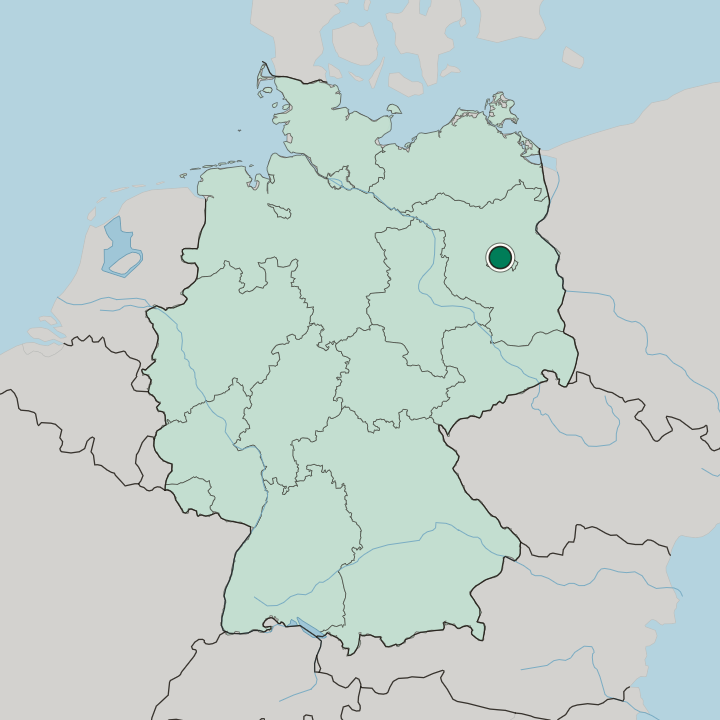
Berlin lies on the flat, low plains around it, a city-state set within the surrounding state of Brandenburg. No hill interrupts the plain. Brandenburg wraps the city on every side, with its capital Potsdam just beyond the southwestern edge, and Berlin holds the widest reach of any city in Germany by area.
The ground stays flat throughout.
What is the climate of Berlin?
Berlin keeps a temperate, continental climate on the plains of Brandenburg. Berlin's year runs from one extreme to the other. Its summers run warm and sometimes hot over the flat land, while its winters turn cold and grey, with drier air than the coasts and a sharper edge to the year in the capital of Germany.
How do you get to Berlin?
Berlin is the busiest crossroads in the country, reached by rail, road, and air from every direction. Trains flow through the centre. Berlin Central Station gathers the main lines, so travellers arrive from across Germany and beyond, while the roads run out through Brandenburg toward Potsdam and the wider region around the capital.
Common questions
What is the best area to stay in Berlin?
The historic centre by Museum Island: first-time visitors who want the monuments and the great museums together. Alexanderplatz and the tower: travellers who want the transit hub under the Fernsehturm. The old west end: those who want the western half around the zoo.
Good for
Updated October 2026