Germany · Brandenburg
Where to Stay in Potsdam, Brandenburg
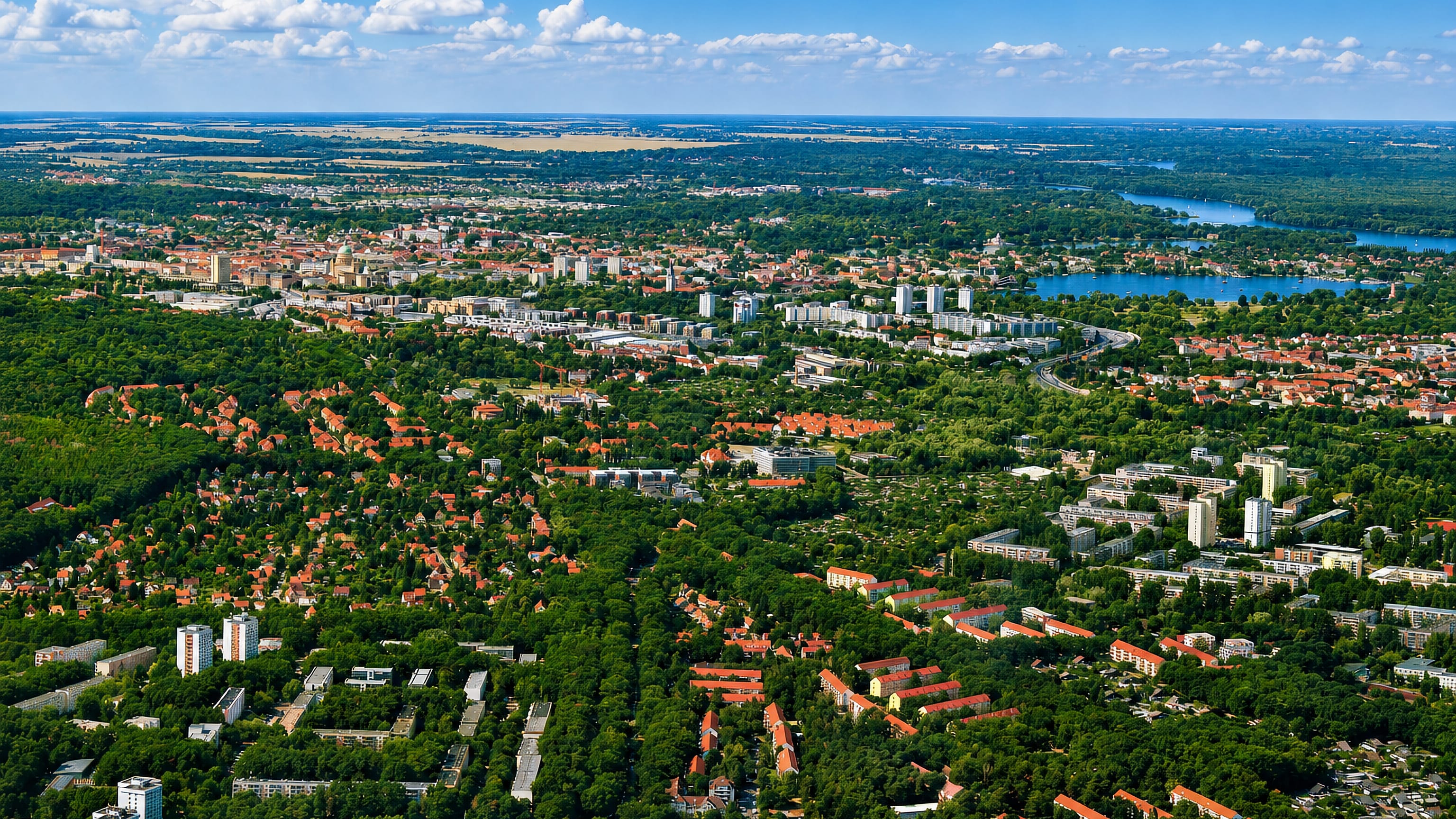
Palace parks spread across Potsdam, the capital of Brandenburg, a former Prussian royal seat known for Sanssouci, Cecilienhof and the Einstein Tower.
Hotel links are affiliate links: booking through them may earn us a commission, at no extra cost to you. It never affects how places are ranked. How this works


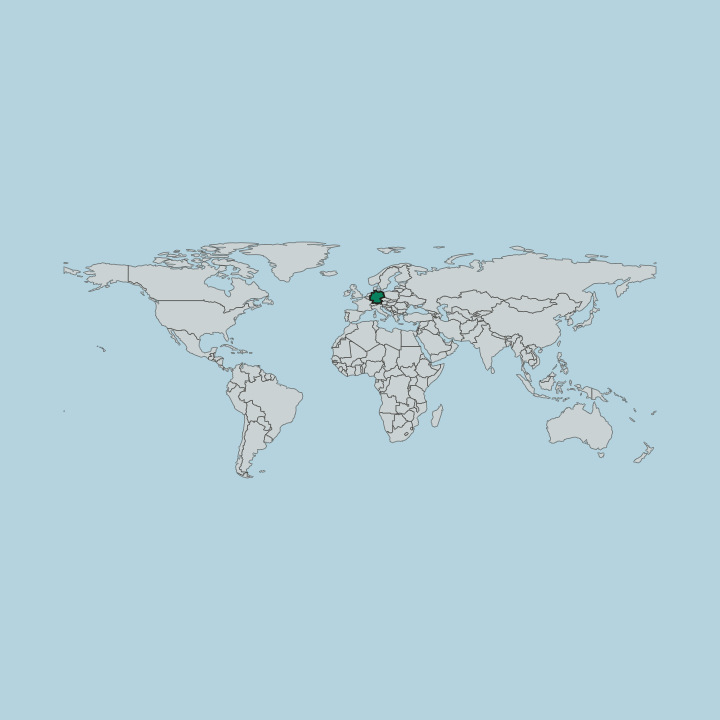
Where to stay in Potsdam
Each area has its own feel; here's who each one suits.
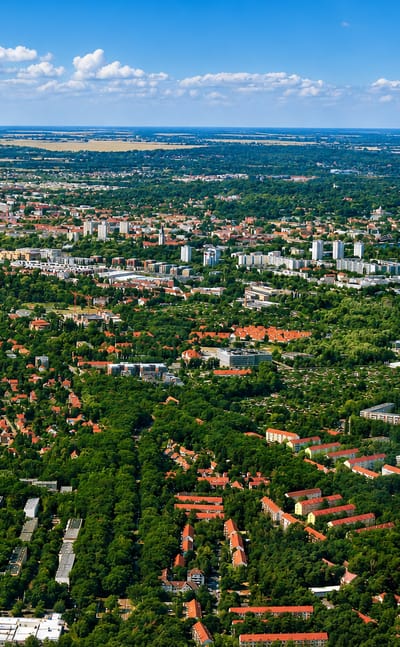
 PotsdamGermany
Südliche Innenstadt
Südliche Innenstadt is the southern side of Potsdam's inner city, holding the Museum Barberini, the Potsdam Museum and the Filmmuseum Potsdam.Where to stay → PotsdamGermany
Babelsberg
Babelsberg is the largest quarter of Potsdam, carrying Babelsberg Palace and Park and the world's first large-scale film studio.Where to stay → PotsdamGermany
Bornstedt
Bornstedt is a borough of Potsdam north of Sanssouci Park, known for the Bornstedt Crown Estate and a cemetery of notable graves.Where to stay →PotsdamGermanyStern
Stern is a district of Potsdam whose named points are the Sternkirche Potsdam, the Extavium and a garden on Bernhard-Beyer-Straße.Where to stay → PotsdamGermany
Drewitz
Drewitz is a district of Potsdam, a former village first recorded in 1228 and one of the oldest places in the Teltow.Where to stay →PotsdamGermanyKirchsteigfeld
Kirchsteigfeld is a district of Potsdam laid out between 1993 and 1998, a prominent example of Postmodern architecture in Germany.Where to stay →Hotel links are affiliate links: booking through them may earn us a commission, at no extra cost to you. It never affects how places are ranked. How this works
Find hotels in Potsdam
Direct booking searches for these neighbourhoods.
Old town and Dutch Quarter
Walkable eighteenth-century streets around St. Nicholas' Church, the Dutch Quarter and the Museum Barberini, near the Sanssouci entrances.Find hotels in Old town and Dutch QuarterFilm-studio district and villa lakesidesBabelsberg and the lakes
Greener villa streets by the water near Filmpark Babelsberg, roomier than the palace-side centre across the water.Find hotels in Babelsberg and the lakesHotel links are affiliate links: booking through them may earn us a commission, at no extra cost to you. It never affects how places are ranked. How this works
Things to do in Potsdam
Ranked by global recognition; descriptions from Wikidata (CC0).
Museums & Galleries
6- Belvedere on the Pfingstberg UNESCO
- Cecilienhof Heritage
- Sanssouci Picture Gallery Heritage
- Villa Schöningen Heritage
- New Chambers Heritage
Show 1 more →
- Norman Tower Heritage
Churches & Religious Sites
8- Church of the Redeemer UNESCO
- St. Nicholas' Church Heritage
- Church of Peace Heritage
- Alexander Nevsky Memorial Church Heritage
- French church Heritage
Show 3 more →
- St. Antonius (Potsdam) Heritage
- Bornstedt Church Heritage
- Friedrichskirche Heritage
Castles & Historic Sites
3- Marmorpalais Heritage
- Ehrenmal für gefallene sowjetische Soldaten auf dem Sowjetischer Ehrenfriedhof Bassinplatz in Potsdam Heritage
- Hermann von Pückler Memorial
Parks & Gardens
1- Filmpark Babelsberg
Landmarks & Notable Places
2- Einstein Tower Heritage
- Helmertturm Heritage
worth knowingacross 5 categories in Potsdam
About Potsdam
What is Potsdam known for?
Potsdam is known for its Prussian palaces and their landscaped parks, above all the ensemble at Sanssouci with its Picture Gallery and the New Chambers. Kings built here for pleasure. The city carries other layers too, from the Cecilienhof where the Potsdam Conference met, to the curved brick of the Einstein Tower on the science hill, to the film studios at Filmpark Babelsberg, giving the capital of Brandenburg a run of history that reaches from royal gardens to twentieth-century cinema.
What are the main landmarks in Potsdam?
Potsdam's landmarks are dominated by its palaces and parks. The Sanssouci Picture Gallery and the New Chambers stand among the terraced gardens, while the Marmorpalais and the Cecilienhof crown their own parkland. History gathers here in layers.
The Einstein Tower rises on the Telegrafenberg science hill, the Church of Peace and St. Nicholas' Church anchor the older town, and the Belvedere on the Pfingstberg and the studios of Filmpark Babelsberg round out a spread that ranges from royal gardens to modern film.
What is the history of Potsdam?
Potsdam rose from a modest town into the summer residence of the Prussian kings, who filled its parks with palaces. Frederick the Great built Sanssouci on its vine terraces, and later rulers added the Marmorpalais and the New Chambers, turning the whole city into a designed landscape of gardens and follies. The court set the tone for centuries.
Immigrant communities left their own marks, among them the Dutch Quarter and the French church that served Huguenot settlers. The twentieth century wrote harder chapters here. The Cecilienhof hosted the Potsdam Conference that redrew postwar Europe, the Einstein Tower carried the city's name into modern science, and the studios at Filmpark Babelsberg made Potsdam a home of German cinema.
As the capital of Brandenburg, the city now holds all of these pasts together, from Prussian gardens to the story of a divided and reunited Germany.
Where is Potsdam?
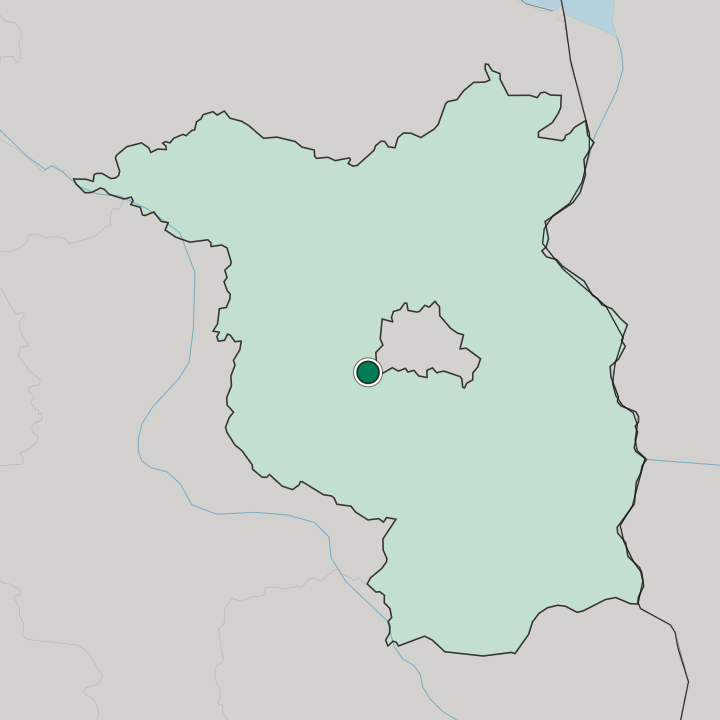
Potsdam sits amid the lakes and waterways of Brandenburg, its parks laced with channels and low wooded rises. Gentle hills carry the landmarks, from the Pfingstberg with its Belvedere to the Telegrafenberg under the Einstein Tower. Water is never far in this city.
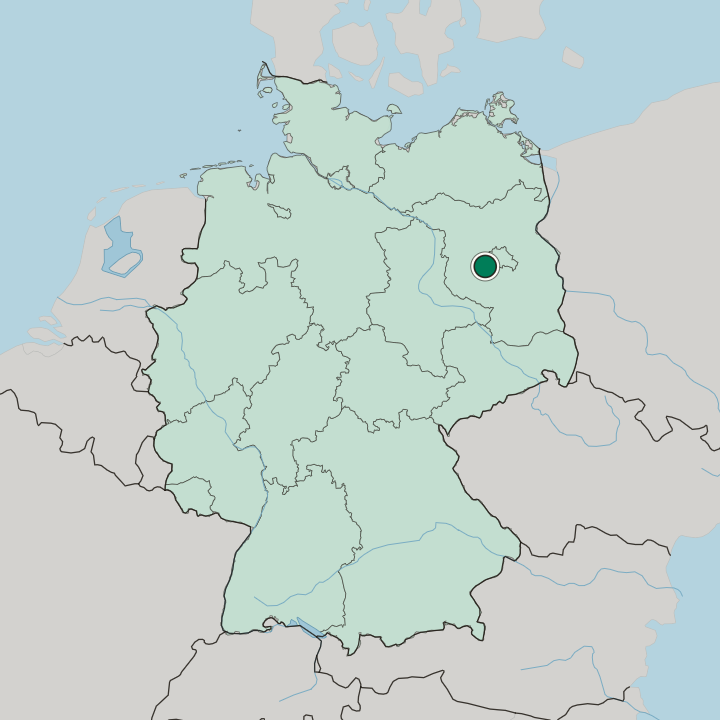
The flat, forested country around it belongs to the sandy lake district of eastern Germany, where the parkland of Sanssouci and the islands and shorelines give Potsdam its green, water-threaded setting within Brandenburg.
What is the climate of Potsdam?
Potsdam has a continental climate softened a little by the lakes and parks around it. Winters are cold and often grey, with frost that settles over the still water and the gardens of Sanssouci, and snow that can linger on the parkland longer than in western Germany. Summer brings warmth and green to Potsdam's parks and lakeshores.
The waterways and wooded rises around the city draw walkers and swimmers once the warm months arrive across Brandenburg.
How do you get to Potsdam?
Potsdam is well connected. Regional and S-Bahn trains reach the city frequently across Brandenburg, and the Hauptbahnhof lies only a short walk from the old town, the Museum Barberini and the shops of the centre. Trams and buses run out to the parks and Babelsberg.
Autobahns loop past the edges of the city, so most visitors reach St. Nicholas' Church and the gates of Sanssouci without needing a car of their own.
Common questions
What is the best area to stay in Potsdam?
Old town and Dutch Quarter: First stays by St. Nicholas' Church. Babelsberg and the lakes: Film-studio district and villa lakesides.
Good for
More cities in Brandenburg
Updated October 2026