Germany
Brandenburg, Germany — Towns & Travel Guide
Brandenburg is the landlocked German state that wraps entirely around Berlin, a lake-strewn plain of forest, canals and Prussian palaces.
Hotel links are affiliate links: booking through them may earn us a commission, at no extra cost to you. It never affects how places are ranked. How this works


Towns & cities in Brandenburg
Pick a town or city — each links to where to stay.
 Germany
Potsdam
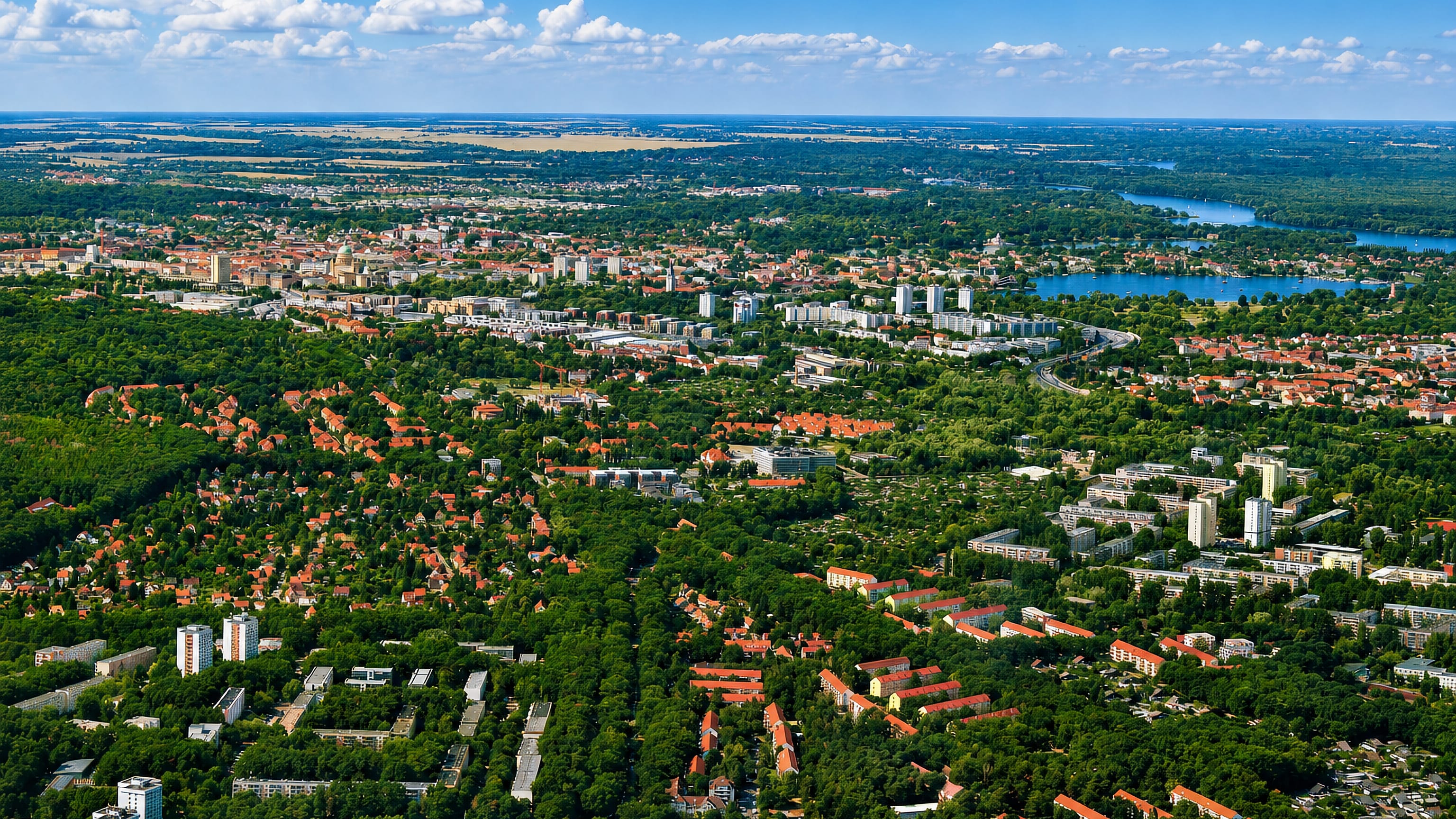
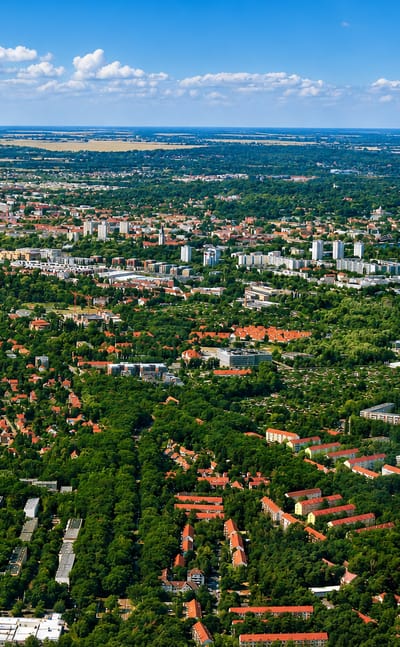
Palace parks spread across Potsdam, the capital of Brandenburg, a former Prussian royal seat known for Sanssouci, Cecilienhof and the Einstein Tower.Where to stay →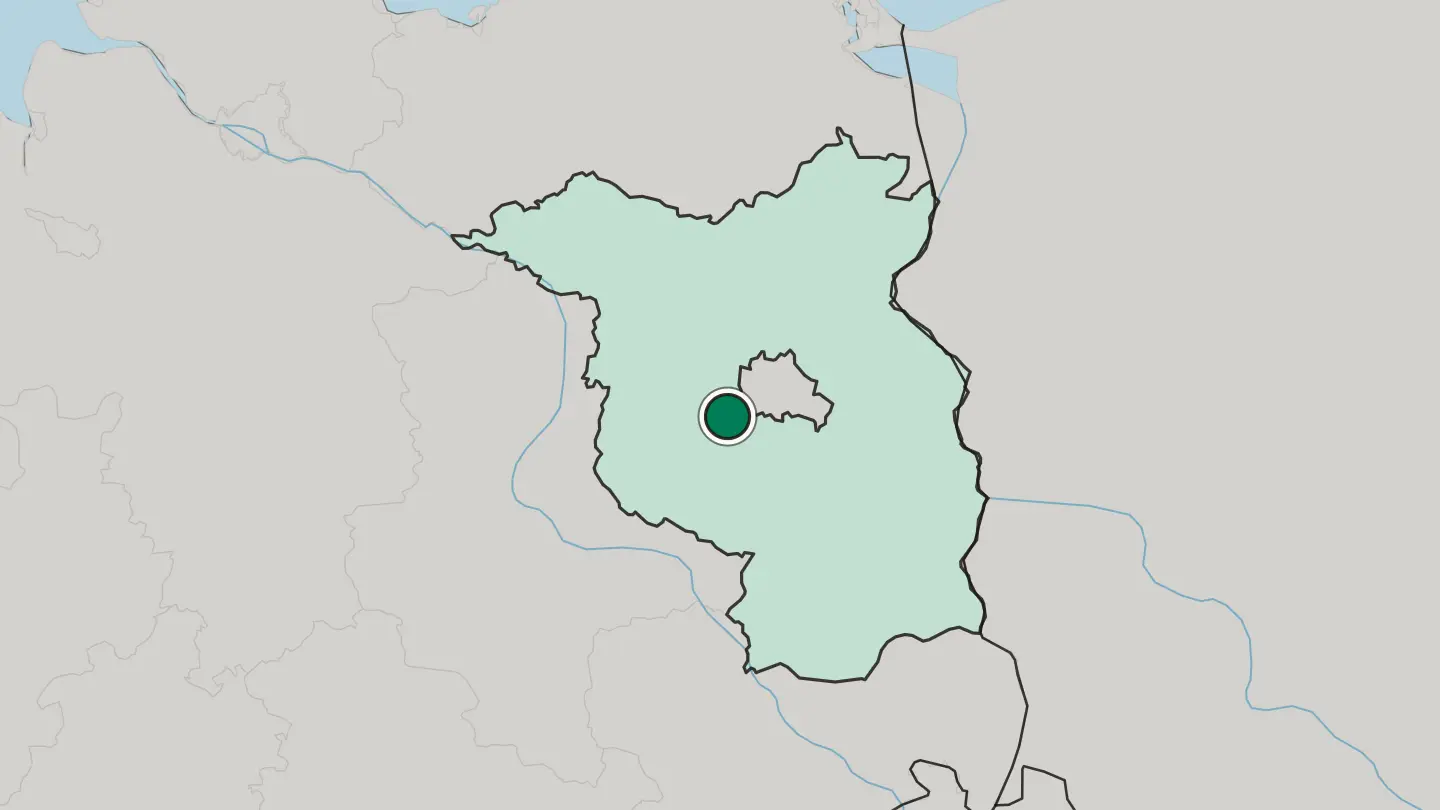
 Germany
Brandenburg an der Havel
Brandenburg an der Havel is a cathedral town on the Havel in the German state of Brandenburg, its old core built of brick and ringed by water.Where to stay →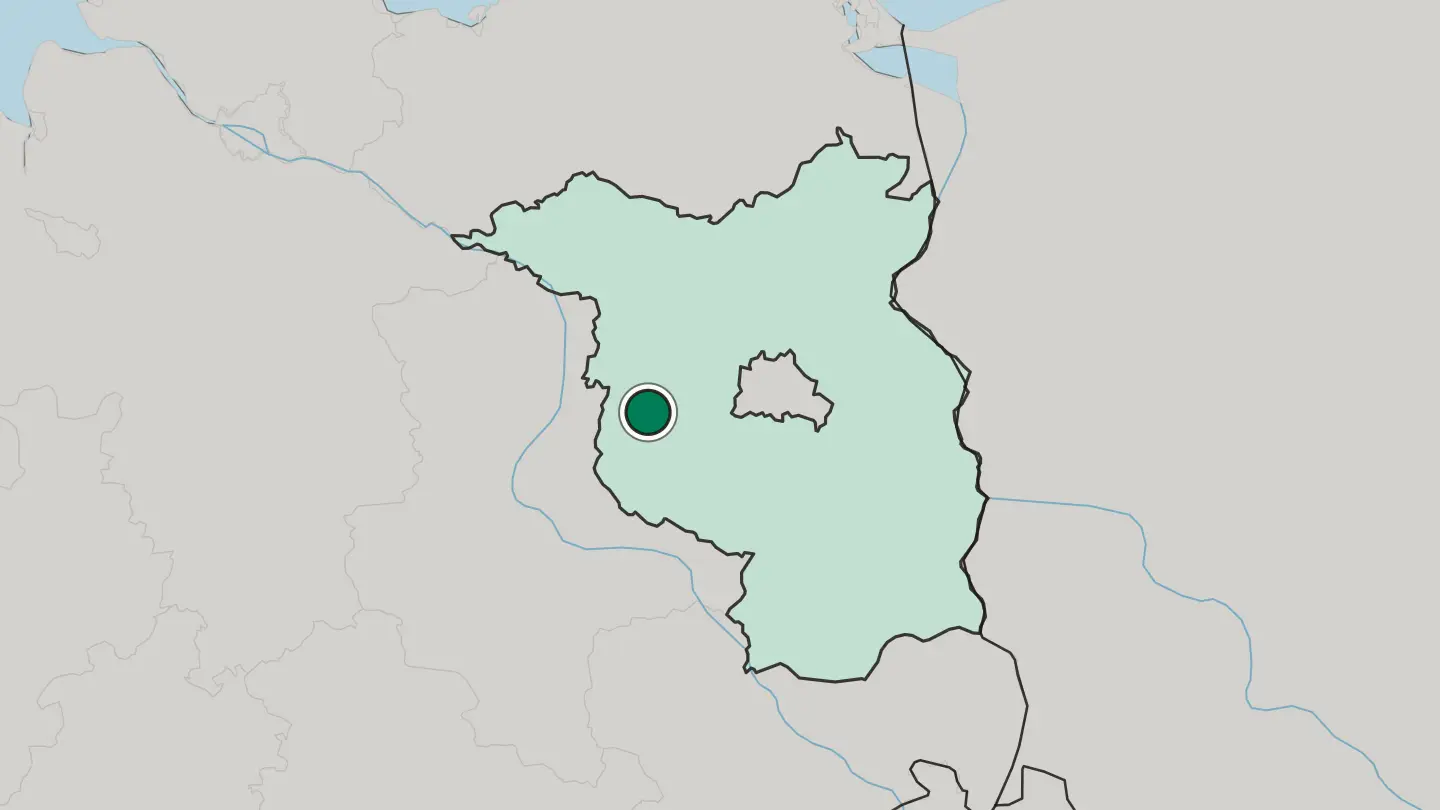
 Germany
Frankfurt (Oder)
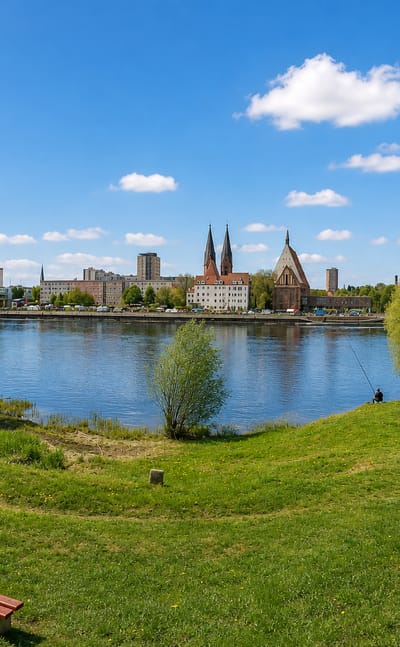
The Oder runs past Frankfurt (Oder), an eastern German city in Brandenburg on the Polish border, known for the Kleist Museum and Lake Helenesee.Where to stay →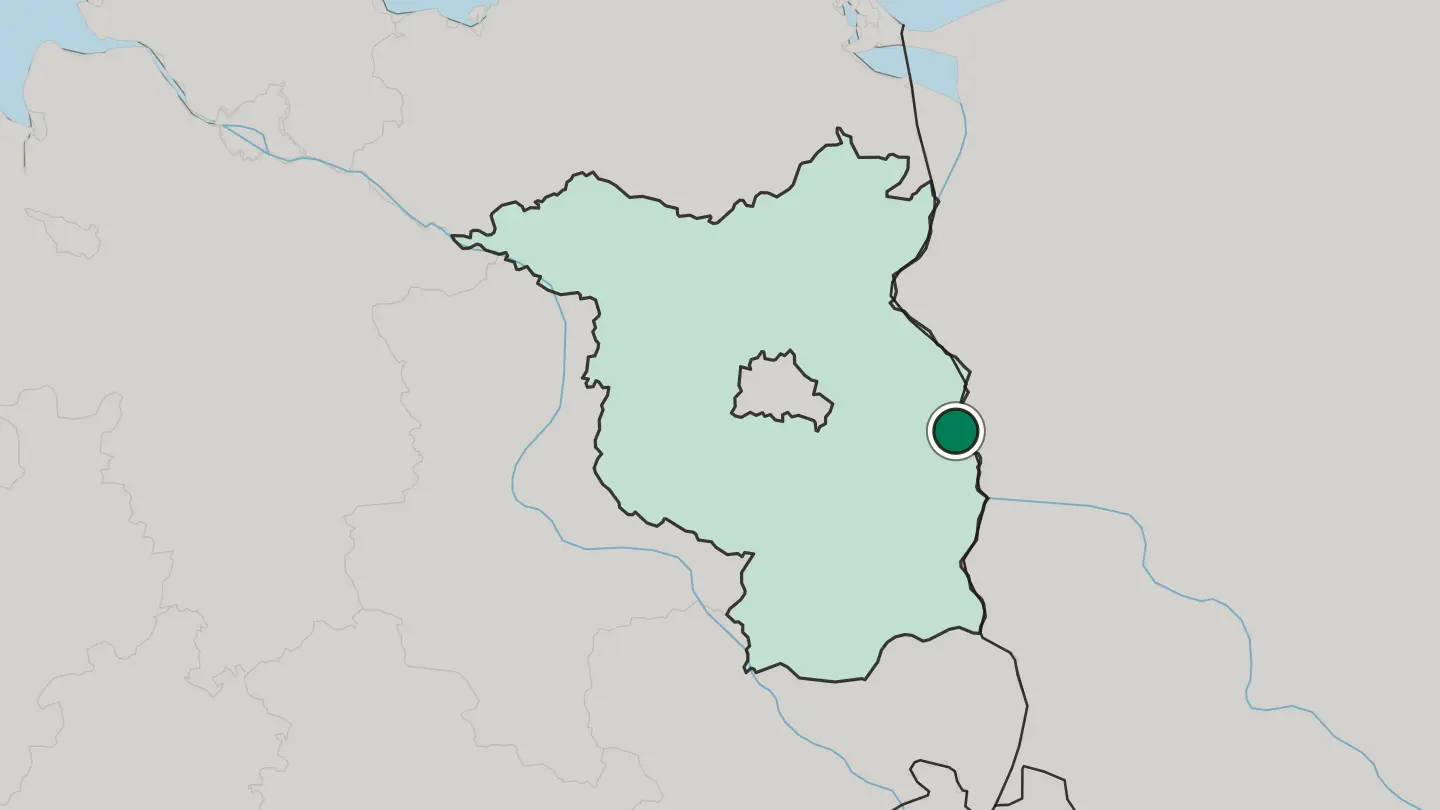
Hotel links are affiliate links: booking through them may earn us a commission, at no extra cost to you. It never affects how places are ranked. How this works
About Brandenburg
What is Brandenburg known for?
Brandenburg encircles Berlin completely, a separate state cupped inside this one. Lakes and rivers shape Brandenburg most. More than 3,000 lakes and the linked Havel and Spree waterways spread across a sandy glacial plain, and the Spreewald threads the Spree into a maze of small canals crossed by flat-bottomed punts.
Potsdam, the capital, holds the Sanssouci palace and park that Frederick the Great built as his Prussian answer to Versailles. Pine and fir forest fills the ground between the lakes.
Where is Brandenburg?
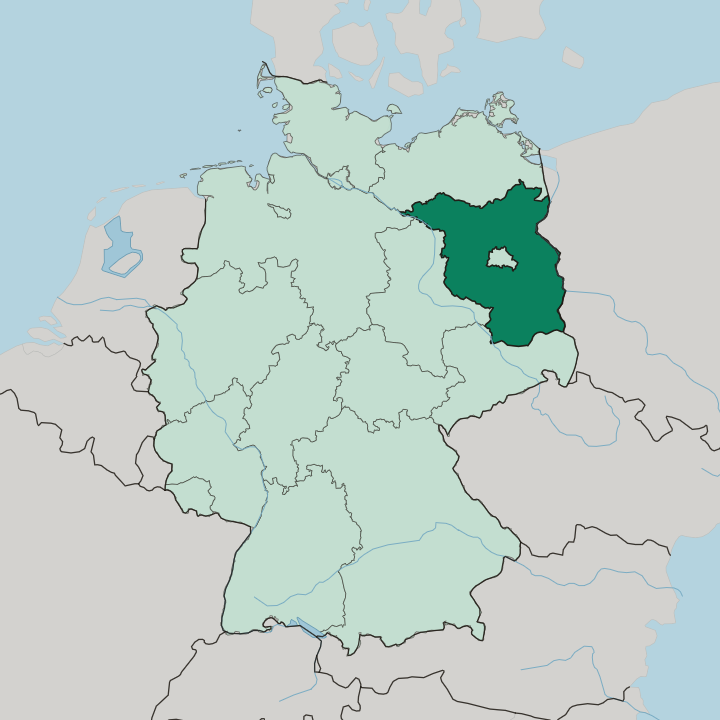
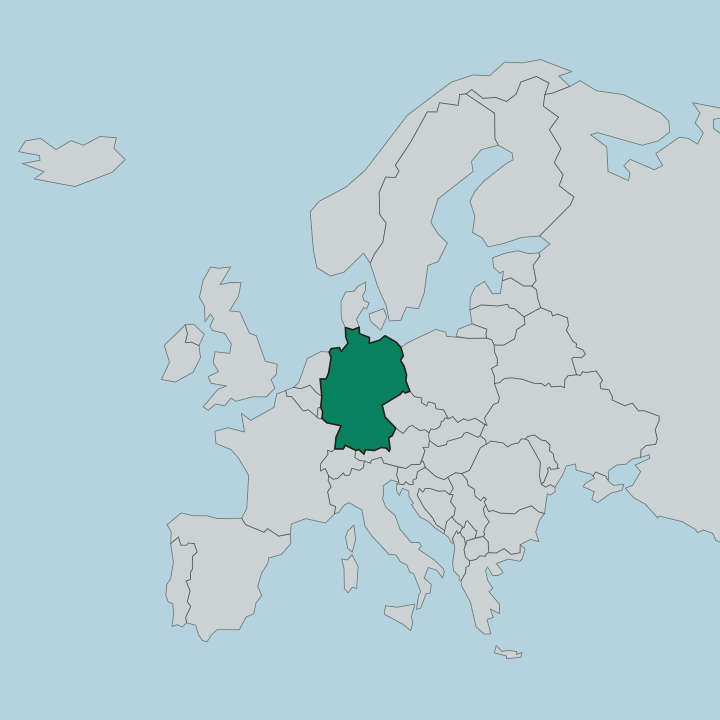
Brandenburg lies in the north-east of Germany, a flat, landlocked state on the great glacial plain that runs east toward Poland. Berlin sits at its centre. The city is a separate state, and Brandenburg surrounds it on every side, so the two are wrapped one inside the other.
Poland forms the eastern border, marked for much of its length by the Oder, the river that Frankfurt (Oder) faces across the water. Mecklenburg-Vorpommern lies to the north, Saxony to the south, and Saxony-Anhalt and Lower Saxony to the west. The land itself was shaped by ice.
Glaciers left behind a sandy lowland dotted with more than 3,000 lakes, ribboned by the Havel and the Spree and stitched together by canals that link the Elbe basin in the west to the Oder in the east. Pine and fir forest covers much of the ground between. The Spree fans out in the south into the Spreewald, an inland delta where the single river splits into hundreds of small channels through the fenland of Lower Lusatia.
No coast reaches the state. Its water is all inland, held in the lakes and the slow rivers of the plain.
What is Brandenburg like?
Two threads run through Brandenburg's culture, one Prussian and one Slavic. The Prussian one sits in Potsdam. Frederick the Great made the city his residence and filled it with palaces, and the terraced vineyard front of Sanssouci still frames the way the state pictures itself.
This was the seat from which the House of Hohenzollern built the Kingdom of Prussia. The Slavic thread belongs to the south. In the Spreewald and around Cottbus live the Sorbs, a West Slavic people who have kept their own language, dress and customs for well over a thousand years, and Lower Sorbian shares the road signs with German across Lower Lusatia.
Between the two, the culture is quiet and rural. Life runs along the water. The Spreewaldkahn punt, poled through the reed channels, is as much a local emblem as any palace, and the pickled Spreewald gherkin travels far beyond the fenland that grows it.
Manor houses and brick churches stand across a landscape of small towns and long forest. It is a plainly worked countryside rather than a grand one, and the grandeur is concentrated in Potsdam.
What is the history of Brandenburg?
The margraviate that gave the state its name grew up around Brandenburg an der Havel, which held the capital until the Hohenzollerns moved it to Berlin in 1417. From that base the dynasty inherited the Duchy of Prussia and welded the two into Brandenburg-Prussia, the core of the later Kingdom of Prussia. Potsdam became the royal residence, and Frederick the Great crowned it with Sanssouci.
The modern state is far younger. It was re-formed in 1990, at German reunification, on much of the same old Prussian ground.
What is the climate of Brandenburg?
Brandenburg's climate is continental and dry. It is one of the least rainy corners of Germany, and the sandy soil and pine forest bake through warm, thundery summers before the plain opens east toward Poland and pulls the winters down into hard cold. Frost stills the lakes.
Rain falls lightly through the year rather than in one wet season. The open lowland gives the weather little to break it.
How do you get to Brandenburg?
Most visitors arrive through Berlin. Berlin Brandenburg Airport sits just inside the state's border south of the capital, and its regional trains fan out across Brandenburg from there. The RE20 line, for one, runs from the airport down through Lübbenau to Cottbus in a couple of hours.
Dense regional rail links Potsdam, Cottbus and Frankfurt (Oder) with Berlin and with each other. Frankfurt (Oder) also sits on the crossing into Poland. Once you are on the plain, the roads and the flat terrain make the lake country easy to reach.
Good for
More regions in Germany
Updated September 2026