Germany · Saxony-Anhalt
Where to Stay in Dessau, Saxony-Anhalt
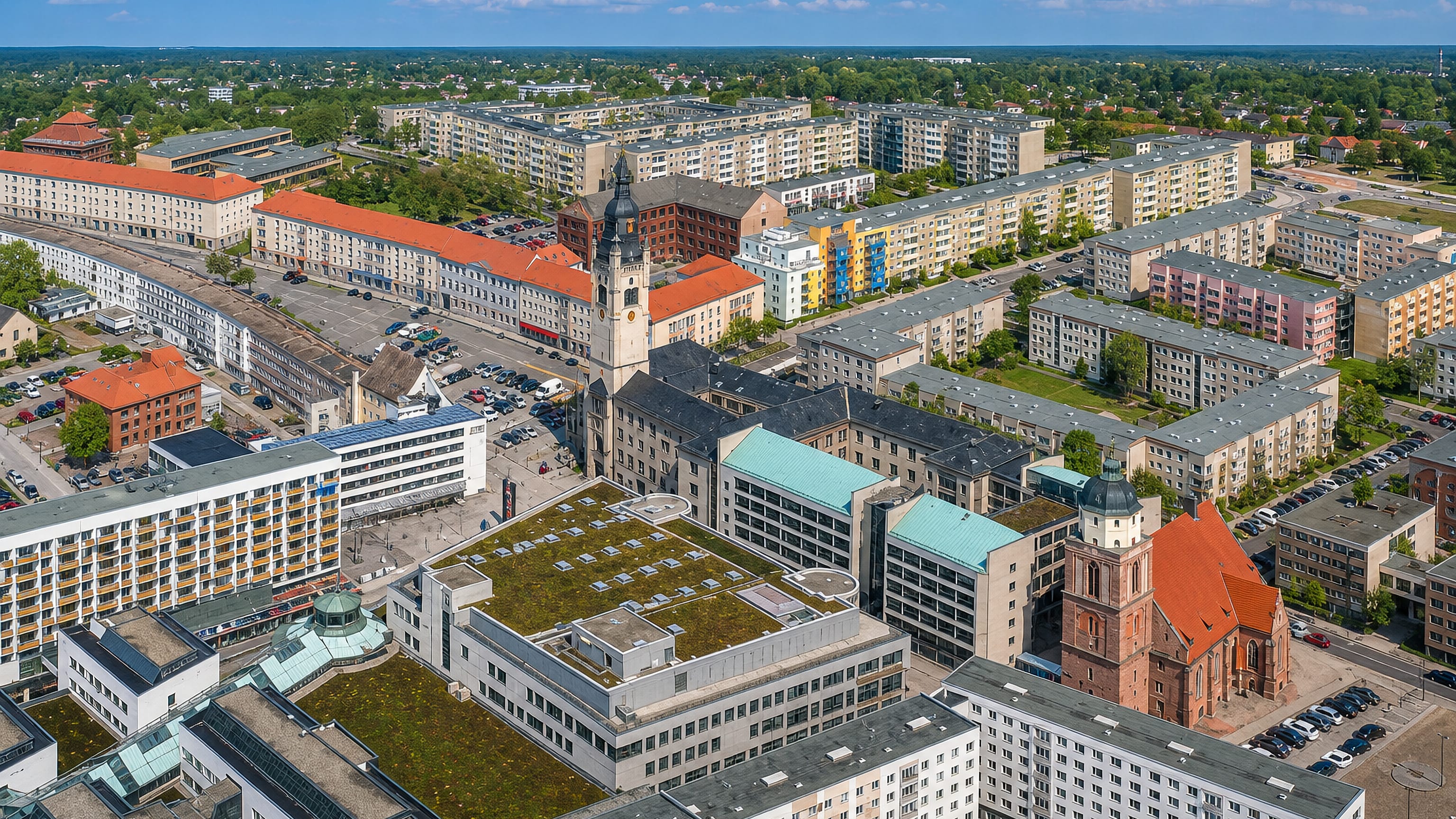
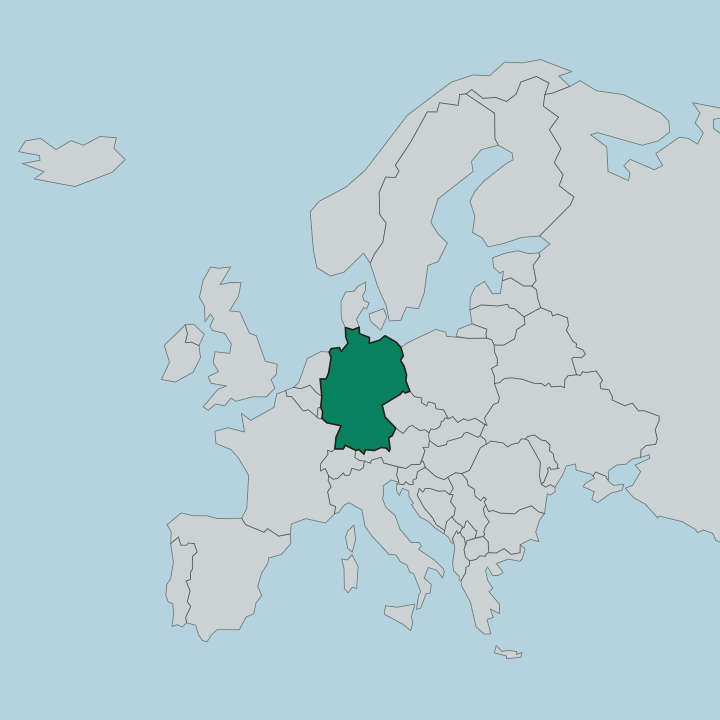
Dessau is a city in eastern Germany, world-famous for the Bauhaus, the school that shaped modern design.
Hotel links are affiliate links: booking through them may earn us a commission, at no extra cost to you. It never affects how places are ranked. How this works


Where to stay in Dessau
Not every neighbourhood fits every trip — here's what each one is good for.

 DessauGermany
Ziebigk
Ziebigk is the Dessau district holding the Bauhaus Dessau and the Masters' Houses, with the Tierpark Dessau on the same side of the city.Where to stay → DessauGermany
Roßlau
Roßlau stands on the right bank of the Elbe north of Dessau, the former town whose name completes Dessau-Roßlau in Saxony-Anhalt.Where to stay →Hotel links are affiliate links: booking through them may earn us a commission, at no extra cost to you. It never affects how places are ranked. How this works
Find hotels in Dessau
Direct booking searches for these neighbourhoods.
The centre
Near the station and the Bauhaus Building, within reach of the Masters' HousesFind hotels in The centreStays wanting the parks and the riverThe garden realm
Out toward the Elbe and the landscape gardens, an easy walk in the parklandFind hotels in The garden realmHotel links are affiliate links: booking through them may earn us a commission, at no extra cost to you. It never affects how places are ranked. How this works
Things to do in Dessau
Ranked by global recognition; descriptions from Wikidata (CC0).
Museums & Galleries
3- Bauhaus Dessau Heritage
- Masters' Houses Heritage
- Museum für Naturkunde und Vorgeschichte Heritage
Churches & Religious Sites
8- Marienkirche Heritage
- St. John's Church (Dessau) Heritage
- Georgenkirche Heritage
- Trinity church Dessau Heritage
- Stadtkirche St. Marien Roßlau (Dessau-Roßlau) Heritage
Show 3 more →
- Pötnitzer Kirche (Dessau-Mildensee) Heritage
- Christuskirche (Dessau) Heritage
- Philipp-Melanchthon-Kirche Heritage
Castles & Historic Sites
3- Burg Roßlau Heritage
- Monument to Leopold III in Dessau Heritage
- Monument to Gorbachev
Landmarks & Notable Places
1- Napoleonsturm UNESCO
worth knowingacross 4 categories in Dessau
About Dessau
Dessau is the city of the Bauhaus.
What is Dessau known for?
Here the famous school of art and design settled in the nineteen-twenties and built its landmark glass-walled building and the crisp white Masters' Houses, works that changed the look of the modern world. Clean lines mark the town. Design and glass mark the city.
What are the main landmarks in Dessau?
The Bauhaus Building is the emblem of Dessau. The long glass-and-white schoolhouse of the famous design school stands on the edge of the centre, a landmark of modern architecture, among the trees. White villas stand nearby.
The Masters' Houses of Gropius and the painters line a leafy street, while the Bauhaus Museum Dessau and the Kurt Weill Centre keep the town's art.
What is the history of Dessau?
Dessau grew as the seat of a small German duchy. For centuries the princes of Anhalt ruled from here, and in the eighteenth century one enlightened prince laid out a great landscape garden of lakes, temples, and English parkland along the Elbe. The garden realm was a wonder of its age.
It spread for miles around the town, one of the first English gardens on the continent, and drew admirers from across Europe. Then the Bauhaus came north. When the famous design school was forced out of Weimar in 1925, it moved to Dessau and built its glass-walled schoolhouse and the Masters' Houses, and the town became a cradle of modern architecture.
War and division followed. Bombing in the Second World War wrecked much of the old city, and Dessau spent the postwar years behind the Iron Curtain, but the Bauhaus buildings survived. The white walls still stand as they were built.
Dessau guards its Bauhaus and its gardens on the Elbe.
Where is Dessau?
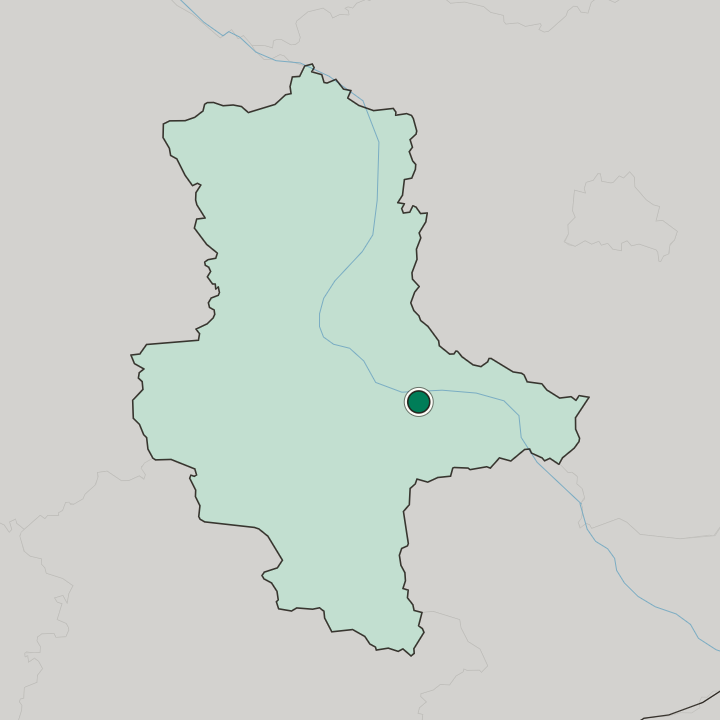
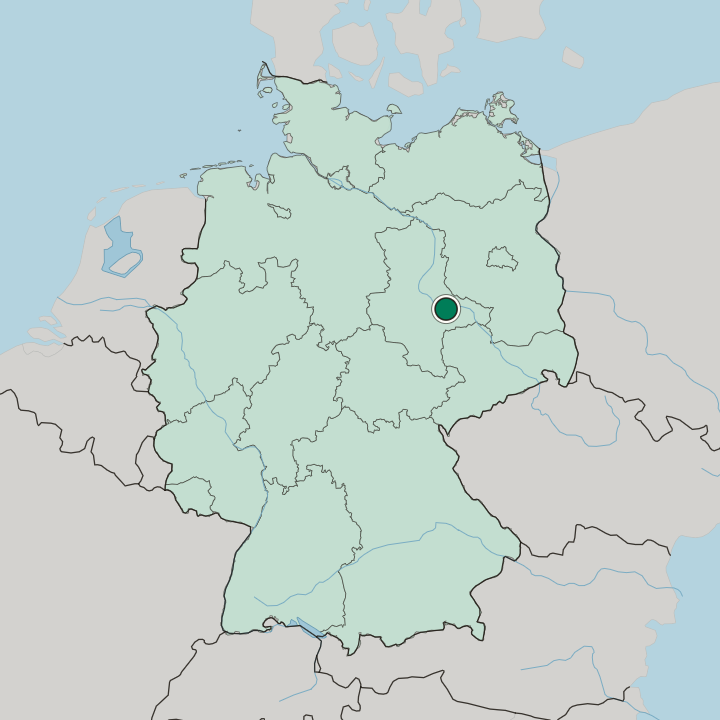
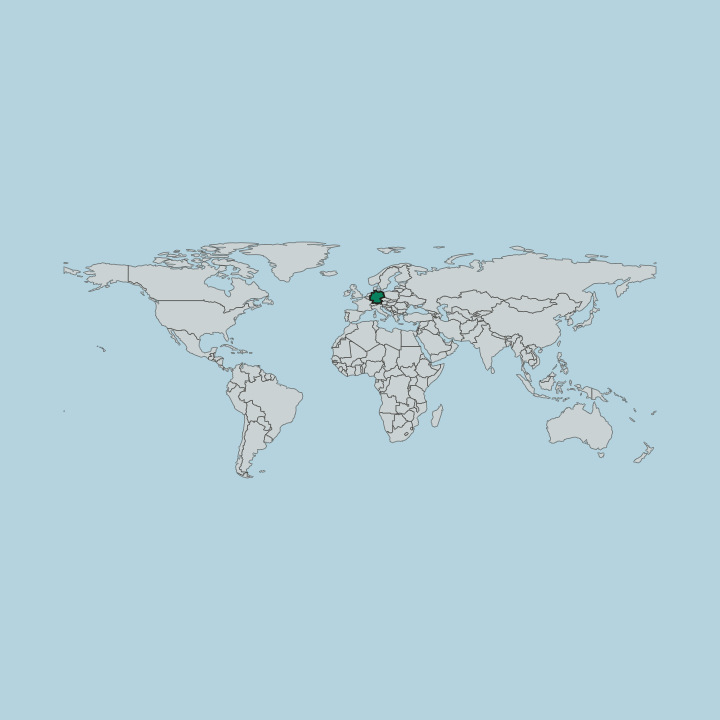
Dessau lies on the plains of eastern Germany. The city sits where the Mulde river joins the Elbe, in a flat land of woods, meadows, and river gardens in Saxony-Anhalt, between Berlin and Leipzig. Green floodplains ring the town.
The rivers wind through the level land.
What is the climate of Dessau?
A mild continental climate settles over Dessau. Warm summers and cold winters mark the river plain, and the rains fall through the year, a little heavier in the summer months. Mist rises off the rivers in autumn.
The seasons turn clear and green.
How do you get to Dessau?
Dessau lies between Berlin and Leipzig in eastern Germany. Trains run to it along the main lines from both cities and from Magdeburg, and the roads cross the Elbe plain to the town. Buses reach the river villages around.
Most arrive by train across the plain.
Common questions
What is the best area to stay in Dessau?
The centre: Visitors here for the Bauhaus, museums, and shops. The garden realm: Stays wanting the parks and the river.
Good for
More cities in Saxony-Anhalt
Updated September 2026