Germany · Saxony-Anhalt
Where to Stay in Magdeburg, Saxony-Anhalt
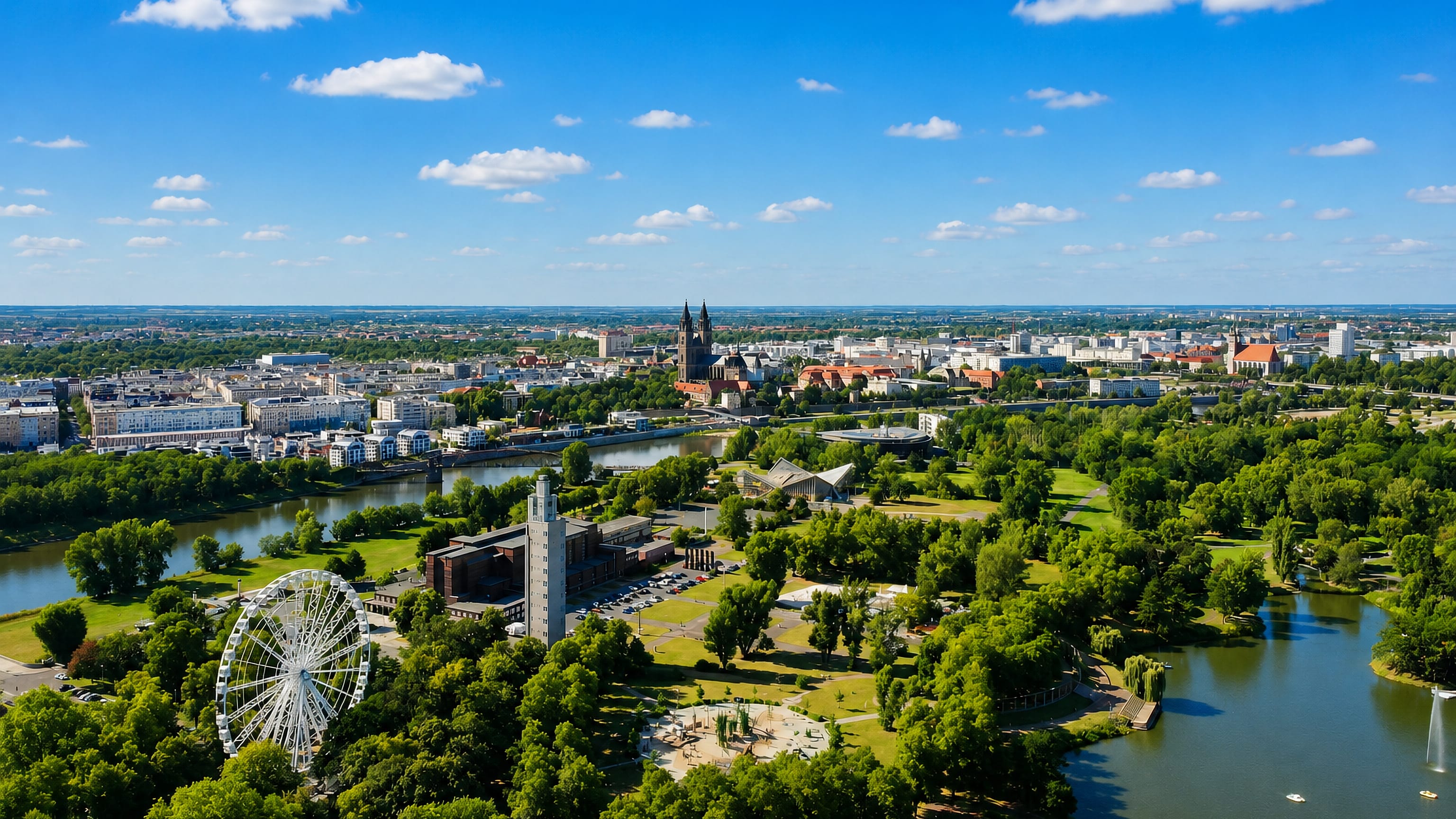
Two Gothic towers stand over the Elbe at Magdeburg, capital of Saxony-Anhalt, a city rebuilt wide and green after two destructions.
Hotel links are affiliate links: booking through them may earn us a commission, at no extra cost to you. It never affects how places are ranked. How this works


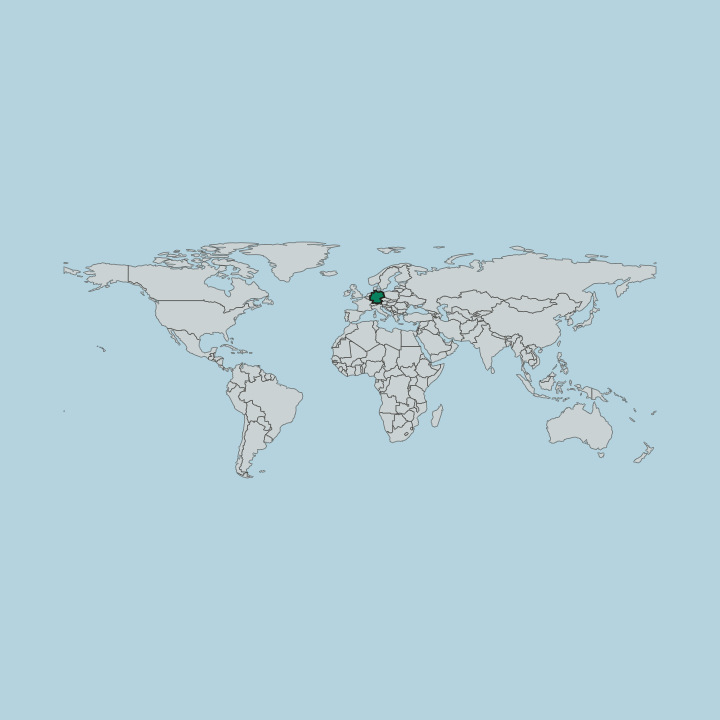
Where to stay in Magdeburg
The right area depends on your trip — here's what each neighbourhood is best for.

 MagdeburgGermany
Werder
Werder is an island Stadtteil of Magdeburg in the Elbe, some 3.5 square kilometres unbuildable while it lay before the city's fortifications.Where to stay → MagdeburgGermany
Neue Neustadt
The Zoologischer Garten Magdeburg sits in Neue Neustadt, a Magdeburg district whose name doubles the word for new.Where to stay → MagdeburgGermany
Sudenburg
Sudenburg is a Stadtteil in southwest Magdeburg, first mentioned in 965, granted town rights in 1368 and rebuilt twice further south after being levelled.Where to stay →MagdeburgGermanyWesterhüsen
Westerhüsen is a Stadtteil on the south boundary of Magdeburg, on the west bank of the Elbe, its name the Old Saxon hus for a house standing to the west.Where to stay →Hotel links are affiliate links: booking through them may earn us a commission, at no extra cost to you. It never affects how places are ranked. How this works
Find hotels in Magdeburg
Direct booking searches for these neighbourhoods.
Altstadt
Between the cathedral and the river on the tram spineFind hotels in AltstadtPre-war streets with breakfast places and a tramStadtfeld
West of the ring where the tenements came through the bombingFind hotels in StadtfeldStudios and workshops in the old machine quarterBuckau
South along the Elbe in the works districtFind hotels in BuckauQuiet nights beside the Elbe meadowsHerrenkrug
Downstream, out where the park country beginsFind hotels in HerrenkrugHotel links are affiliate links: booking through them may earn us a commission, at no extra cost to you. It never affects how places are ranked. How this works
Things to do in Magdeburg
Ranked by global recognition; descriptions from Wikidata (CC0).
Museums & Galleries
3- Museum of Cultural History Magdeburg Heritage
- Technikmuseum Magdeburg Heritage
- Jahrtausendturm
Churches & Religious Sites
8- Cathedral of Magdeburg Heritage
- Monastery Unser Lieben Frauen Magdeburg Heritage
- St.-Johannis-Kirche Heritage
- Sankt-Sebastian-Kirche Heritage
- St. Petri (Magdeburg) Heritage
Show 3 more →
- Sankt-Nicolai-Kirche Heritage
- Magdalenenkapelle Heritage
- St. Ambrose Church Heritage
Castles & Historic Sites
3- Eike-von-Repgow-Denkmal Heritage
- Friesendenkmal Heritage
- Erich Weinert monument
Nature & Outdoors
1- Elbauenpark
Stadiums & Sports
1- Hermann-Gieseler-Halle
Landmarks & Notable Places
2- Kiek in de Köken Heritage
- Tatarenturm Heritage
worth knowingacross 6 categories in Magdeburg
About Magdeburg
What is Magdeburg known for?
Magdeburg is the capital of Saxony-Anhalt and the burial place of Otto the Great, whose Cathedral of Magdeburg was the first Gothic church raised on German ground. Parks do the rest. The Elbauenpark lifts the wooden Jahrtausendturm above the meadows, the Monastery Unser Lieben Frauen keeps its Romanesque cloister as an art museum, and the Museum of Cultural History holds the stone rider that has stood for the city since the Middle Ages.
What are the main landmarks in Magdeburg?
Magdeburg's landmarks line the Elbe. The Cathedral of Magdeburg rises at the southern end of the old town with the tomb of Otto the Great inside it, and the Monastery Unser Lieben Frauen holds the oldest surviving building in the city a few streets north. St. Johannis, where Luther preached, opens its tower for the view.
Across the water the Jahrtausendturm marks the Elbauenpark, the Technikmuseum keeps the industrial record beside the steam dredger Gustav Zeuner, and the Tatarenturm survives from the medieval walls.
What is the history of Magdeburg?
Magdeburg first appears in 805. A capitulary of Charlemagne names the trading post of Magadoburg on the Elbe, at the edge of Frankish reach, with Slav country beginning beyond the far bank. Otto the Great then made it his own.
He founded the monastery that grew into the cathedral, married the English princess Edith and buried her here, and chose the same church for his own grave, which pulled an imperial seat out of a border market. The town also wrote its law down. Magdeburg law, set out in the Sachsenspiegel of Eike von Repgow, travelled east and was adopted by hundreds of towns as far as the Baltic and the Carpathians.
Then came 1631. Imperial troops stormed the city during the Thirty Years' War and burnt it, killing most of the people inside, and the name became a byword for sack across Europe. Otto von Guericke rebuilt it as mayor and proved the force of a vacuum here with two copper hemispheres and teams of horses.
Bombing took the centre again in the last war. What stands now is wide, green and modern, and the cathedral above the river is the one thread running through every version of the place.
Where is Magdeburg?
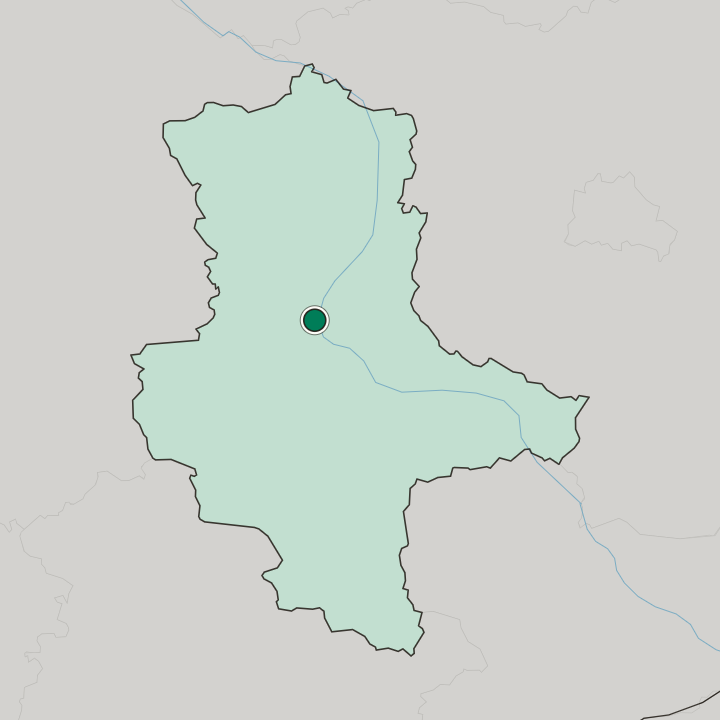
Magdeburg stands on the Elbe where the river leaves the uplands and starts its long run north across the plain. Side channels split the water into islands, so the Werder and the Rotehorn meadows lie between two arms of the Elbe within sight of the cathedral. The land is flat and fertile.
The Börde, some of the deepest soil in the country, spreads west of the built-up area, while sandy heath and pine country begin on the eastern bank.
What is the climate of Magdeburg?
The Harz keeps Magdeburg dry. Weather from the west has already emptied itself on those mountains by the time it reaches the Elbe, so the Börde counts among the driest ground in the country, with hot ripening summers and hard clear spells in winter. The river fogs in autumn.
Wind crosses the plain unbroken here, which is why the open meadows of the Rotehorn feel colder than the streets behind the cathedral.
How do you get to Magdeburg?
Magdeburg Hauptbahnhof sits at the western edge of the old town on the line between Berlin and the Ruhr. Trains reach Berlin in under two hours and Leipzig in about one, and trams take passengers from the platforms over the Elbe in minutes. Water is the other route.
Barges work the Elbe past the city, and just downstream the Mittellandkanal crosses the river on a long aqueduct, so a boat bound between the Rhine and Berlin passes over the Elbe rather than through it.
Common questions
What is the best area to stay in Magdeburg?
Altstadt: Cathedral mornings and the Breiter Weg. Stadtfeld: Pre-war streets with breakfast places and a tram. Buckau: Studios and workshops in the old machine quarter. Herrenkrug: Quiet nights beside the Elbe meadows.
Good for
More cities in Saxony-Anhalt
Updated October 2026