Germany · Saxony-Anhalt
Where to Stay in Halle (Saale), Saxony-Anhalt
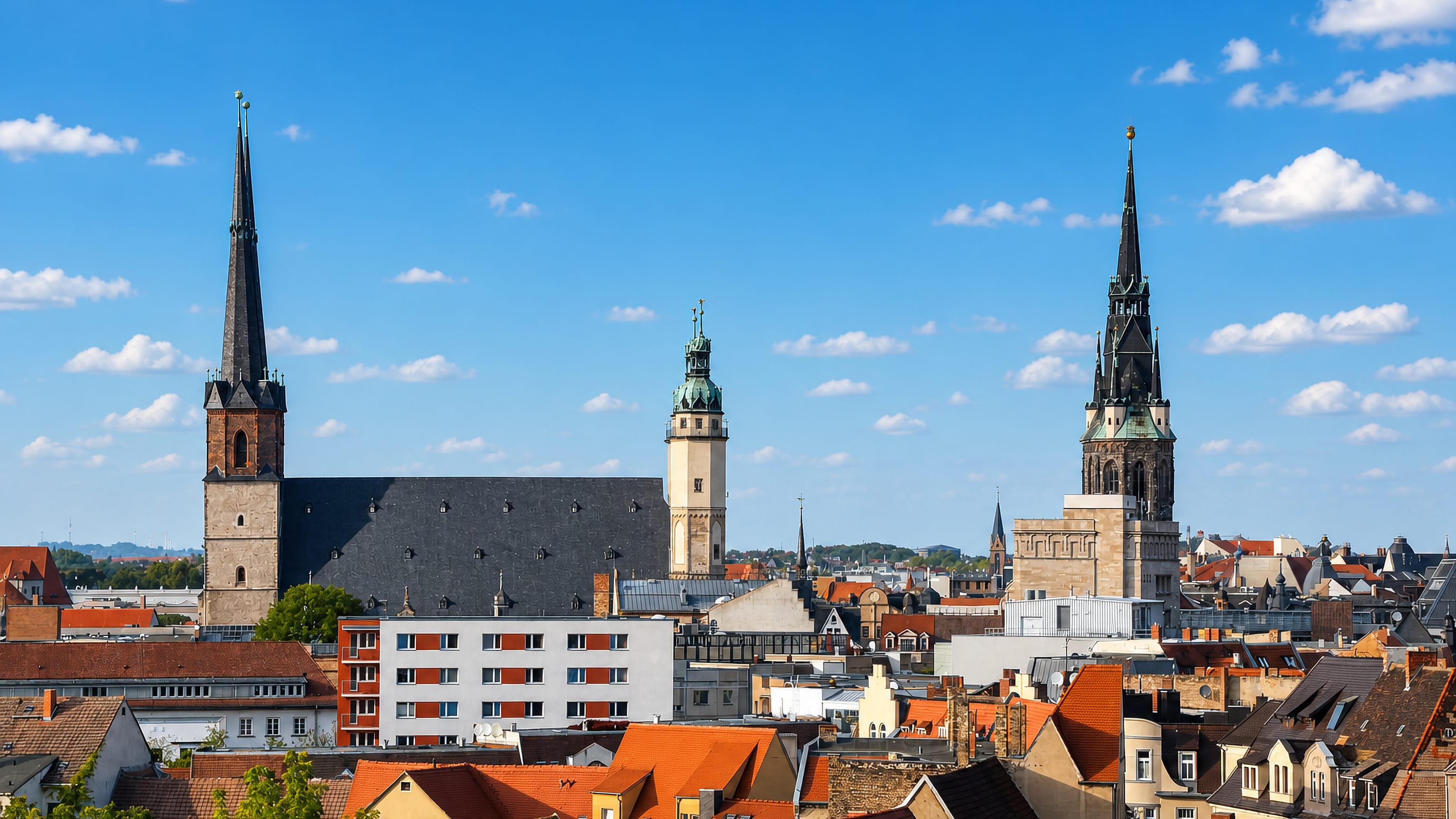
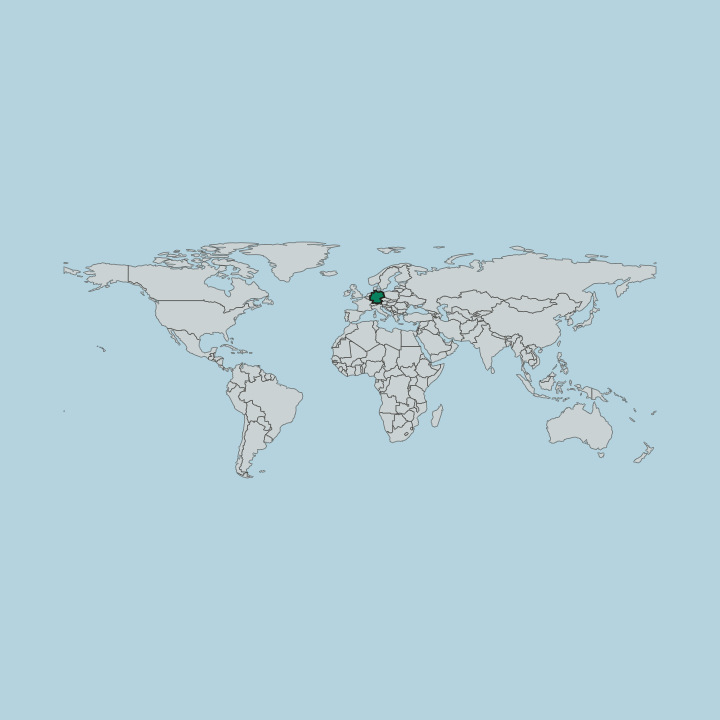
Halle (Saale), the second-largest city of Saxony-Anhalt, stands on the river Saale and keeps the Händel-Haus, Moritzburg and the Roter Turm.
Hotel links are affiliate links: booking through them may earn us a commission, at no extra cost to you. It never affects how places are ranked. How this works


Where to stay in Halle (Saale)
Where you base yourself shapes the visit — here's the character of each area.

 Halle (Saale)Germany
Trotha
Trotha is a district of Halle (Saale) on the register with Giebichenstein Castle, the Zoologischer Garten Halle and the Petruskirche.Where to stay →Halle (Saale)GermanyHalle-Neustadt
Halle-Neustadt, known as HaNeu, began in 1967 as a new town in its own right and merged back into Halle in 1990.Where to stay →Hotel links are affiliate links: booking through them may earn us a commission, at no extra cost to you. It never affects how places are ranked. How this works
Find hotels in Halle (Saale)
Direct booking searches for these neighbourhoods.
Around the Roter Turm
The Roter Turm and the Market Church of Our Dear Ladies hold the same central ground, with the Händel-Haus a short walk offFind hotels in Around the Roter TurmStays that want Giebichenstein Castle and the Saale over the market groundGiebichenstein
Giebichenstein Castle gives this side of Halle (Saale) its name and its outlook over the SaaleFind hotels in GiebichensteinVisits built around the Francke Foundations and the Halle State Museum of PrehistoryThe Francke Foundations quarter
The Francke Foundations occupy a named block of their own, with the Geiseltalmuseum on the same museum itineraryFind hotels in The Francke Foundations quarterHotel links are affiliate links: booking through them may earn us a commission, at no extra cost to you. It never affects how places are ranked. How this works
Things to do in Halle (Saale)
Ranked by global recognition; descriptions from Wikidata (CC0).
Museums & Galleries
6- Francke Foundations Heritage
- Moritzburg Heritage
- Halle State Museum of Prehistory Heritage
- Händel-Haus Heritage
- Wilhelm-Friedemann-Bach-Haus Heritage
Show 1 more →
- Straßenbahnmuseum Halle Heritage
Churches & Religious Sites
8- Market Church of Our Dear Ladies Heritage
- Halle Cathedral Heritage
- Moritzkirche Heritage
- Pauluskirche Heritage
- Konzerthalle St.-Ulrich-Kirche Heritage
Show 3 more →
- St. Laurentius church Heritage
- St. Georgen Heritage
- St. Bartholomäus Heritage
Castles & Historic Sites
2- Giebichenstein Castle Heritage
- Handel monument Heritage
Stadiums & Sports
2- Halle-Saale-Schleife
- Schwimmhalle Neustadt
Landmarks & Notable Places
1- Roter Turm Heritage
worth knowingacross 5 categories in Halle (Saale)
About Halle (Saale)
The Saale runs through everything.
What is Halle (Saale) known for?
Halle (Saale) is the second city of Saxony-Anhalt, and its named sites run from the Händel-Haus and the Handel monument to the Francke Foundations and the Halle State Museum of Prehistory. The Hallors and Saline Museum holds the salt works. A Beatles-Museum Halle sits on the same register, which says something about how widely the city's collections range.
What are the main landmarks in Halle (Saale)?
Moritzburg heads the built list. Giebichenstein Castle, Halle Cathedral, the Market Church of Our Dear Ladies and the Moritzkirche follow it, with the Roter Turm standing among them and the Konzerthalle St.-Ulrich-Kirche giving a church over to music. Three houses carry names.
The Händel-Haus, the Wilhelm-Friedemann-Bach-Haus and the Handel monument put music into the register, while the Beatles-Museum Halle and the Geiseltalmuseum extend it well past the old town.
What is the history of Halle (Saale)?
The Saale set the terms. Halle (Saale) grew on the river that gives it the second half of its name, distinguishing it from the other places in Germany called Halle, and salt-working left its own institution in the Hallors and Saline Museum. Giebichenstein Castle and Moritzburg carry the older fabric.
Halle Cathedral and the Market Church of Our Dear Ladies mark the church-building that came after, and the Francke Foundations put a named institution of another kind beside them. Later history is in the record too. The Roter Ochse belongs to the harder part of it, while the Halle State Museum of Prehistory reaches back past everything the churches and the castle can record.
Saxony-Anhalt puts the city second. Across Germany as a whole it ranks about thirty-first by size, which sets Halle (Saale) among the mid-sized centres rather than the largest of them, and none of that has displaced the older names on the register. Music kept its own line here.
The Händel-Haus and the Wilhelm-Friedemann-Bach-Haus stand as named houses on that register, and the Handel monument repeats one of those names in a third form.
Where is Halle (Saale)?
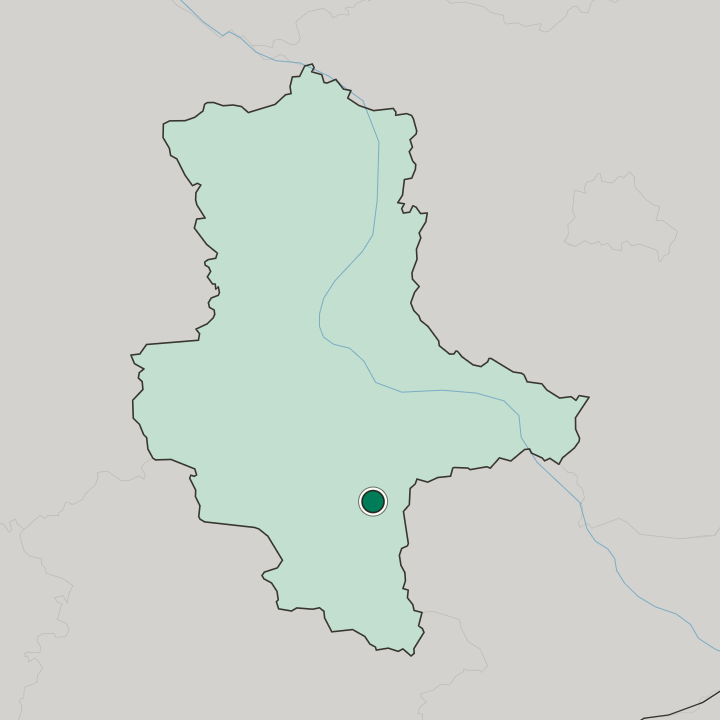
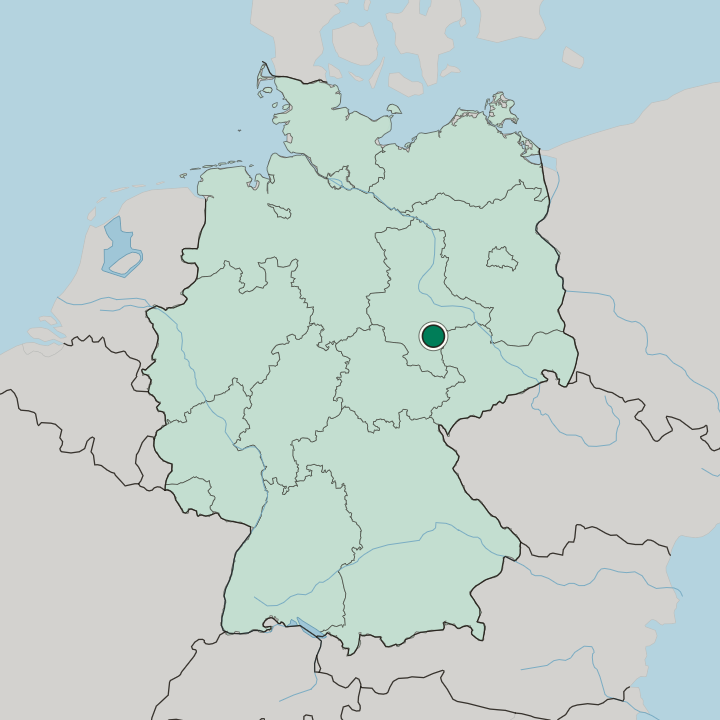
The river does the organising. Halle (Saale) sits on the Saale in Saxony-Anhalt, and the river's name is carried inside the city's own official form, which separates it from the other German municipalities called Halle. Giebichenstein Castle and the Zoologischer Garten Halle round out the wider city.
Only one place in Saxony-Anhalt is larger. Beyond the state line the same measure puts the city behind Berlin, Leipzig, Dresden, Chemnitz and Magdeburg among the cities of the area of former East Germany.
What is the climate of Halle (Saale)?
Four seasons, evenly served. Halle (Saale) runs warm rather than hot in summer and cold rather than severe in winter, an ordinary temperate pattern, with the Saale carrying the damp of the valley through the colder months. Spring and autumn sit easiest.
Walking between Moritzburg, the Roter Turm and the Francke Foundations is comfortable for most of the year, and only the depth of winter argues for building a day around the museums instead.
How do you get to Halle (Saale)?
Ask for Halle (Saale). The bracketed river name is the city's official form, and it exists to keep this Halle apart from the other municipalities in Germany that answer to the same word. The Saale is the landmark that fixes it.
Once inside the city, the Roter Turm, Moritzburg and the Market Church of Our Dear Ladies stand near enough to one another that a first day needs little more than a pair of shoes.
Common questions
What is the best area to stay in Halle (Saale)?
Around the Roter Turm: First stays wanting the Roter Turm and the Market Church of Our Dear Ladies on the doorstep. Giebichenstein: Stays that want Giebichenstein Castle and the Saale over the market ground. The Francke Foundations quarter: Visits built around the Francke Foundations and the Halle State Museum of Prehistory.
Good for
More cities in Saxony-Anhalt
Updated October 2026