Germany · Saxony-Anhalt · Magdeburg
Westerhüsen, Magdeburg — Area Guide & Where to Stay
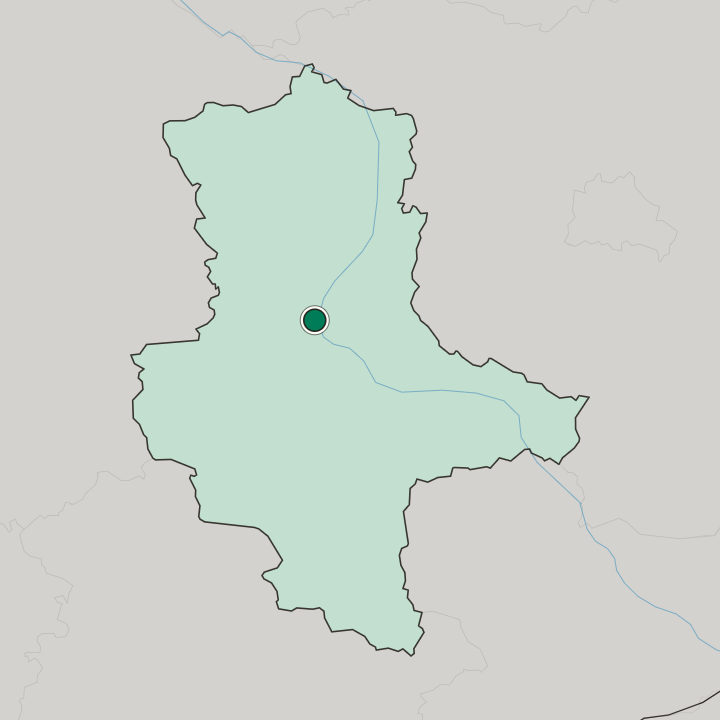
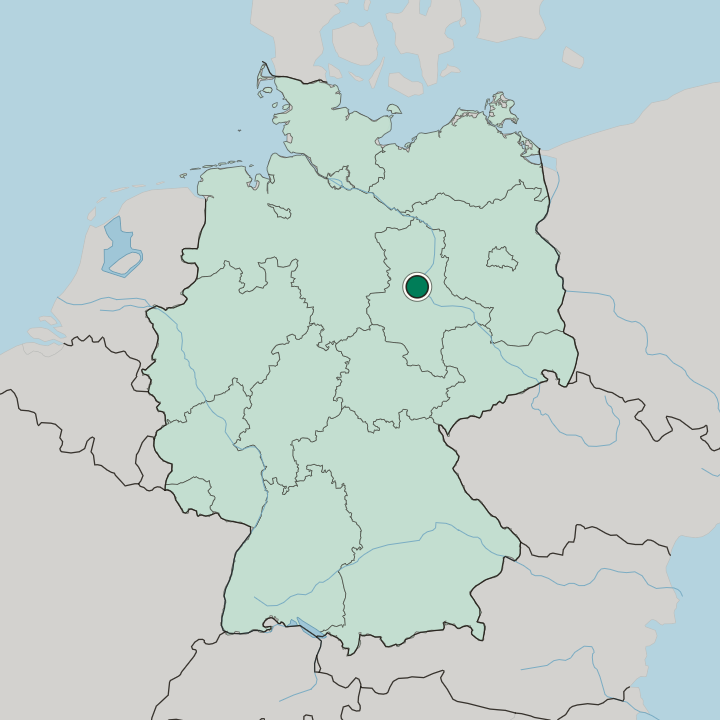
Westerhüsen is a Stadtteil on the south boundary of Magdeburg, on the west bank of the Elbe, its name the Old Saxon hus for a house standing to the west.
Hotel links are affiliate links: booking through them may earn us a commission, at no extra cost to you. It never affects how places are ranked. How this works


Where to stay in Westerhüsen
How the choice of base plays out on the ground.
Only a corner of it is built. About a ninth of the Stadtteil carries buildings, gathered along the through road Alt Westerhüsen and west of the Magdeburg-Südost station on the line to Leipzig, and the rest is field, allotment and river bank. The station makes it reachable.
An S-Bahn stop and a tram line serve Westerhüsen, the road along Alt Westerhüsen runs on to Schönebeck, and the Westerhüsen ferry crosses to the east bank of the Elbe. Five allotment associations share the fields.
Things to do in and around Magdeburg
Ranked by global recognition; descriptions from Wikidata (CC0).
Churches & Religious Sites
4- Sankt-Gertraud-Kirche Heritage
- Sankt-Stephanus-Kirche Heritage
- Sankt-Johann-Baptist-Kirche Heritage
- Friedhofskapelle Salbke Heritage
Castles & Historic Sites
1- Hünenkeller
worth knowingacross 2 categories in and around Magdeburg
About Westerhüsen
What are the main landmarks in Westerhüsen?
The bell is the oldest thing here. Claus Backmester of Magdeburg cast the Christkönigsglocke for the church in 1523, five hundred and fifty kilograms of it, and it still hangs among the oldest church bells in the city. The church itself is older still.
Bishop Hildegrim of Halberstadt was preaching in this country in the 9th century and dedicated the churches he founded to Stephen, which is the dedication Westerhüsen carried, and the first wooden church was replaced in stone at the start of the 13th century. Prehistory left more than buildings. A grave complex called the Hünenkeller stood near the village into modern times and had already gone when the railway was cut through in 1838, and finds from the district sit in the Kulturhistorisches Museum Magdeburg.
What is the history of Westerhüsen?
People were here in the Stone Age. Finds of Linear Pottery and Walternienburg-Bernburg type at Alt Westerhüsen put settlement here around three thousand years before Christ, with urn burials from the middle and late Bronze Age and rarer body graves from the early Iron Age west of the tram depot. The first document is Carolingian.
The Corvey traditions record gifts at Westeros for the years between 826 and 853, when the brothers Ado and Odo made over their dues in Westerhüsen and nearby villages to the abbey of Corvey, probably only some rents rather than the whole village. Kings kept giving it away. Otto I passed part of the income of Uuesterhuse to the abbey of Quedlinburg on 13 September 936 and gave Westerhuse itself to the Moritzkloster in Magdeburg the following September, and archbishop Wichmann granted a hide near the village to Kloster Hagenrode on 17 May 1185.
A battle was fought just south. Askanian troops under Otto IV met the archbishopric of Magdeburg near Frohse on 10 January 1278 and lost, the field name Wahlwiesenbreite still marks it, and in 1441 archbishop Günther pledged the place to Hans Lindow before the Lohse brothers were enfeoffed with land, farms and the tavern in 1443.
Where is Westerhüsen?
Westerhüsen covers just over seven square kilometres between the Elbe and the Sohlener Berge, rising from 49 metres at the river to 97.8 metres inland, with the Frohser Berg reaching 115.5 metres in the south and the Volkspark Westerhüsen at the southern exit.
Good for
More areas in Magdeburg
Updated October 2026