Ecuador
Provincia de Pichincha, Ecuador — Towns & Travel Guide
Pichincha is a province in the northern Sierra of Ecuador, an Andean highland whose capital and largest city is Quito.
Hotel links are affiliate links: booking through them may earn us a commission, at no extra cost to you. It never affects how places are ranked. How this works


Towns & cities in Provincia de Pichincha
One town here has its own guide — it links to where to stay.
 Ecuador
Quito
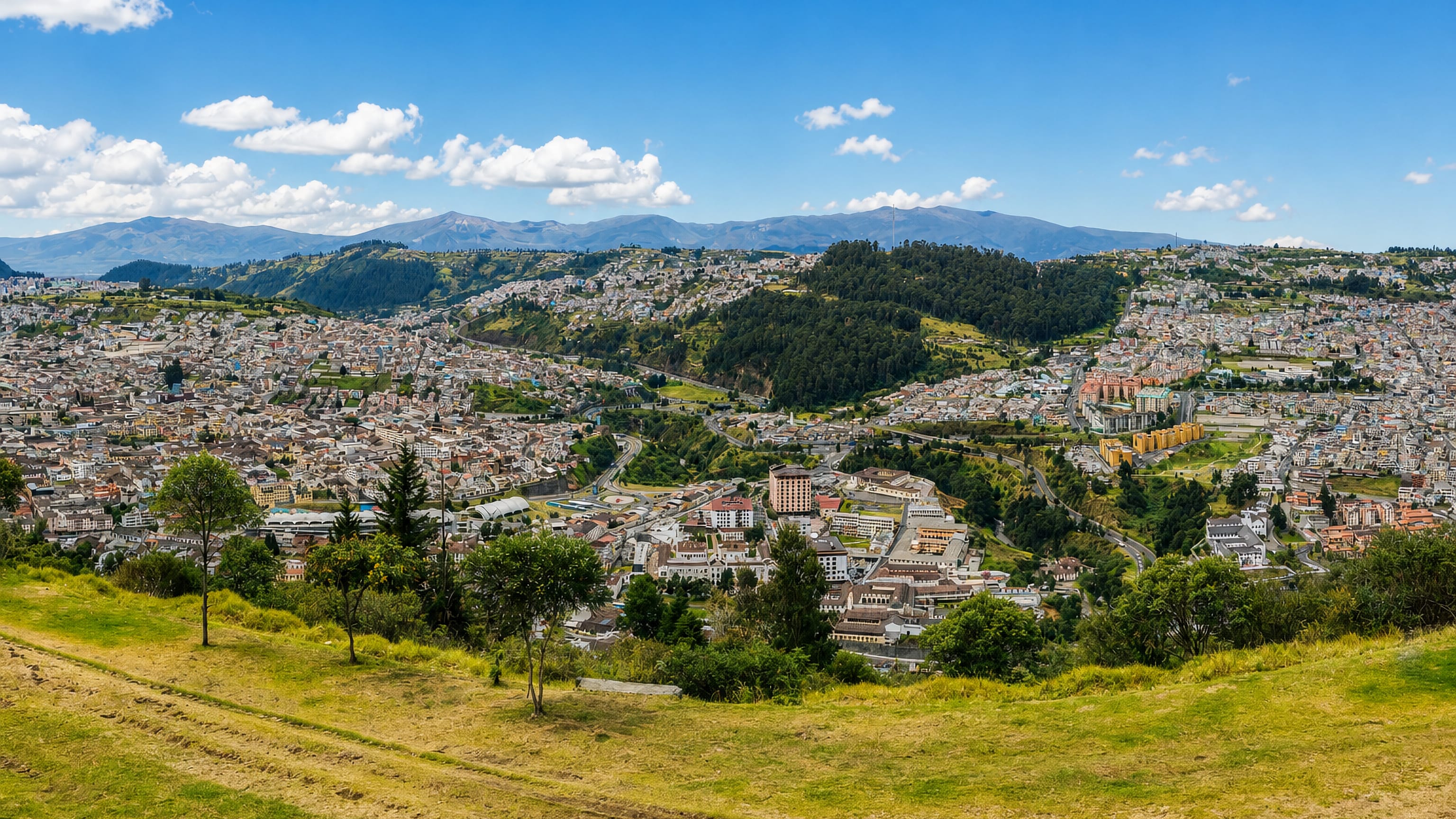
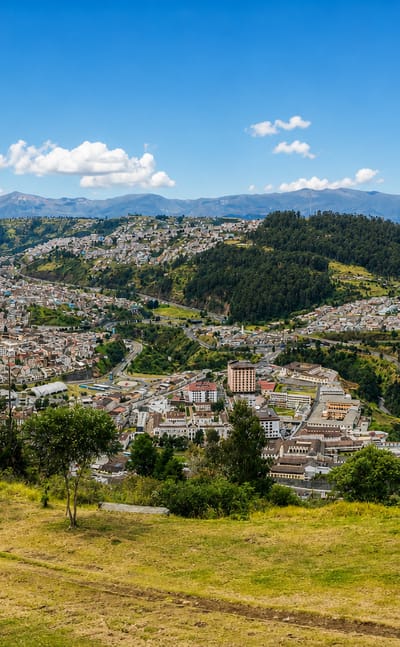
Bell towers crowd a high Andean valley in Quito, capital of Ecuador and of Pichincha, set below the volcano Pichincha and known for its colonial old town.Where to stay →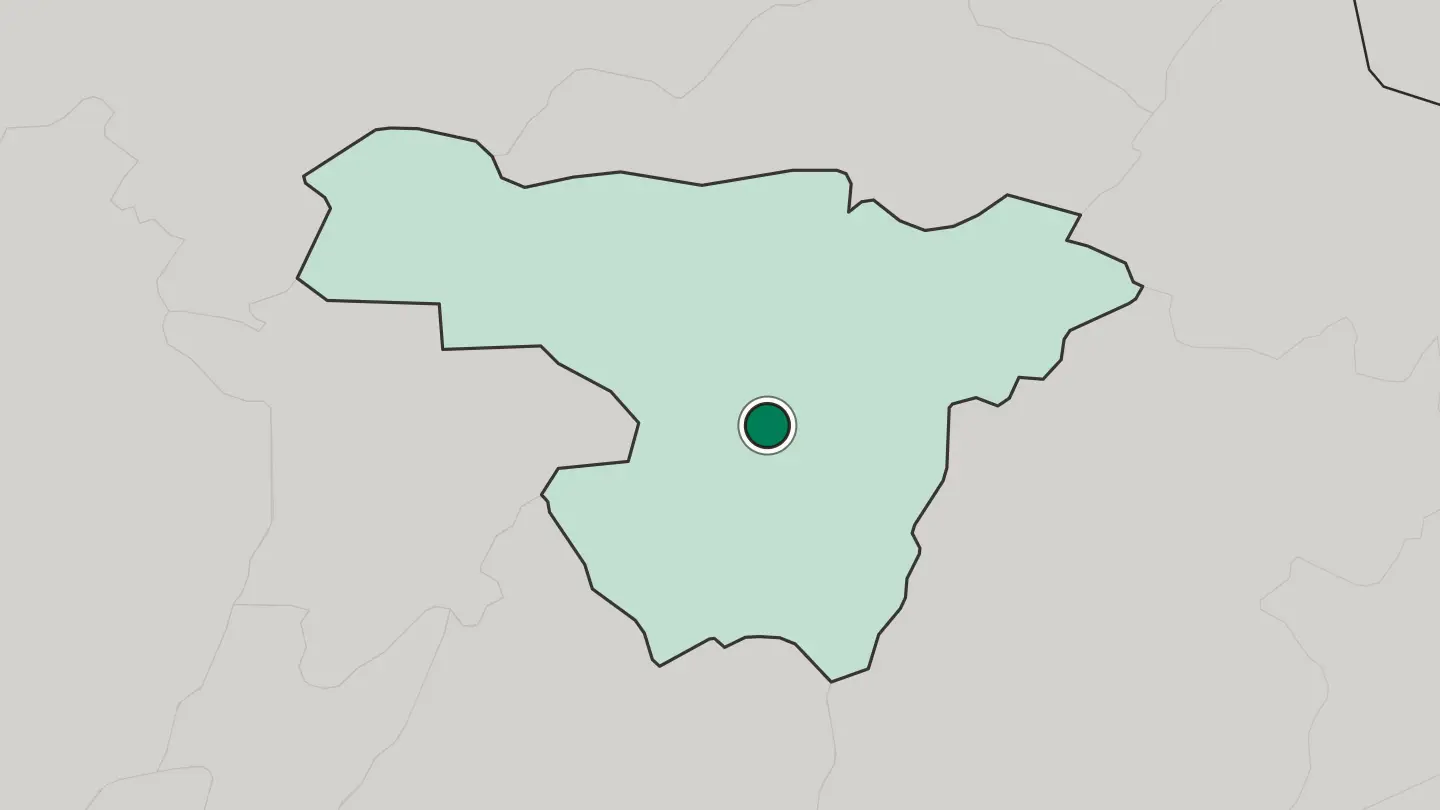
Hotel links are affiliate links: booking through them may earn us a commission, at no extra cost to you. It never affects how places are ranked. How this works
About Provincia de Pichincha
What is Provincia de Pichincha known for?
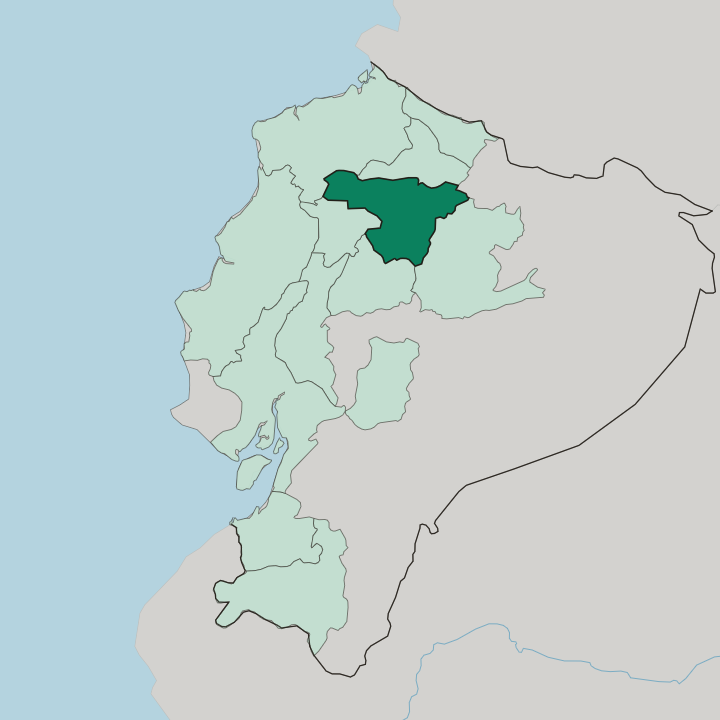
Pichincha is known first as the highland province around Quito, the capital of Ecuador and the largest city of its Sierra. The province sits in the northern Sierra and reaches out to its neighbours across mountain and lowland ground. Borders run in every direction.
Imbabura and Esmeraldas lie to the north, Cotopaxi and Santo Domingo de los Tsáchilas to the south, and Napo and Sucumbíos to the east.
Where is Provincia de Pichincha?
Pichincha occupies a stretch of the northern Sierra of Ecuador, the highland belt where the Andes run through the middle of the country. The province gathers steep mountain ground around the valley that holds Quito, its capital, and falls away west toward warmer, lower land. The relief sets the pattern of life.
High ridges and volcanic slopes dominate the eastern and central province, while the western edge drops toward the humid lowlands it shares with Santo Domingo de los Tsáchilas and Esmeraldas. The province is ringed by neighbours on every side. Imbabura and Esmeraldas border it to the north, Cotopaxi and Santo Domingo de los Tsáchilas to the south, and Napo and Sucumbíos to the east.
These edges cross a remarkable range of country. From the Andean heights around Quito the land runs down through cloud forest toward the tropical margins, so a single province spans cold highland and warm lowland within its bounds, all held together by the Sierra that gives it its shape.
What is Provincia de Pichincha like?
Pichincha carries the culture of the Ecuadorian Sierra, shaped by long highland settlement and by the weight of Quito at its centre. Spanish is the everyday language across the province. The colonial capital gave the region its churches, convents, and plaza life, and that inheritance still marks the towns of the surrounding highlands as much as the city itself.
Highland tradition runs deep here. Away from Quito, the province blends Andean mountain custom with the different rhythms of the western lowlands it shares with Santo Domingo de los Tsáchilas. Market towns, church feasts, and the food of the Sierra tie the highland communities together, while the descent toward Esmeraldas and the coast brings a warmer, more tropical way of life.
Both worlds sit inside one province. That span, from cold Andean heights to humid lowland, gives Pichincha a cultural range unusual for a single stretch of the northern Sierra.
What is the history of Provincia de Pichincha?
Pichincha was established as a province in 1824, in the early years of the republic that followed independence from colonial rule in the Andes. Quito became its seat. Already the historic capital of the Sierra, the city gave the province its administrative center, and the surrounding highland country fell in around it.
Borders came later. They settled against Imbabura, Cotopaxi, and Napo as Ecuador organised its provinces.
What is the climate of Provincia de Pichincha?
Pichincha holds several climates at once, set by the sharp fall in height across its ground. The highland core around Quito stays cool and spring-like through the year, shaped by altitude in the Sierra rather than by season. Warmth grows toward the west.
As the province drops toward Santo Domingo de los Tsáchilas and Esmeraldas the air turns humid and tropical, so a single Andean province ranges from cold mountain mornings to warm lowland afternoons.
How do you get to Provincia de Pichincha?
Pichincha is reached through Quito, whose international airport serves the whole province from the highlands east of the capital. Roads climb into the Sierra from the neighbouring provinces, linking Pichincha to Cotopaxi and Imbabura along the Andean spine and dropping west toward the lowlands of Santo Domingo de los Tsáchilas. Altitude shapes every approach.
From Quito the highland routes fan out across the province to its market towns and mountain valleys.
Good for
More regions in Ecuador
Updated September 2026