Estonia · Lääne-Virumaa
Where to Stay in Rakvere, Lääne-Virumaa
Rakvere, county seat of Lääne-Virumaa, is Estonia's fifth largest city, and Rakvere Castle stands over its middle.
Hotel links are affiliate links: booking through them may earn us a commission, at no extra cost to you. It never affects how places are ranked. How this works


Where to stay in Rakvere
Where visitors usually base themselves, and why.
Rakvere Castle sits over the middle of the town, and a room within walking reach of it puts the castle, Rakvere Church and the Friedrich Reinhold Kreutzwald monument on a single short circuit. That is the obvious choice. The county seat covers about 10.75 square kilometres, so almost nothing in it is a long walk, and the gap between one street and the next matters less here than it would in Tallinn.
Nothing needs a taxi. You want the castle side if the walking is the point of the trip. Rakvere Spordihall changes the arithmetic.
Beds near the hall fill around fixtures, which is worth knowing for anyone who came because the town was named one of ten ACES European Towns of Sport. Quiet sits at the edges. The outer streets face Lääne-Virumaa and the run east toward Narva, and they suit a driver after parking and an early start more than a short walk to Okaskroon.
Sustainability has a paper trail here. Green Destinations awarded Rakvere a Silver Award in 2023, two years after the town was picked for its sustainability work, so the greener end of the bed stock rests on something more than a slogan.
Find hotels in Rakvere
Direct booking searches for these neighbourhoods.
Under Rakvere Castle
The middle of the county seat beneath Rakvere Castle, with the Friedrich Reinhold Kreutzwald monument a few minutes offFind hotels in Under Rakvere CastleFixture weekends at Rakvere Spordihall in an ACES European Town of SportThe Rakvere Spordihall side
The sporting quarter of Rakvere built around Rakvere Spordihall, where rooms follow the match calendar rather than the sightseeing one. Rooms are few around here — worth securing early.Find hotels in The Rakvere Spordihall sideDrivers breaking the run between Tallinn and NarvaThe Lääne-Virumaa edge
The outer streets where Rakvere gives way to Lääne-Virumaa and the road east toward Narva, easiest for parking and an early departureFind hotels in The Lääne-Virumaa edgeHotel links are affiliate links: booking through them may earn us a commission, at no extra cost to you. It never affects how places are ranked. How this works
Things to do in Rakvere
Ranked by global recognition; descriptions from Wikidata (CC0).
Churches & Religious Sites
3- St. Paul's Church Heritage
- Rakvere Church Heritage
- Rakvere Püha Mihkli klooster
Castles & Historic Sites
3- Rakvere Castle Heritage
- Friedrich Reinhold Kreutzwald monument Heritage
- Juhan Kunderi mälestussammas Heritage
Stadiums & Sports
1- Rakvere Spordihall
worth knowingacross 3 categories in Rakvere
About Rakvere
Rakvere Castle carries the name.
What is Rakvere known for?
Estonia's fifth largest city stands roughly 100 km from Tallinn and about as far from Narva, with the Gulf of Finland only 20 km to the north. Sport counts too. Rakvere was named one of ten ACES European Towns of Sport in 2022, and Rakvere Spordihall is where that side of the county seat shows.
Green Destinations added a Silver Award in 2023.
What are the main landmarks in Rakvere?
The castle is the fixed point. Rakvere Castle stands over the town, and the Friedrich Reinhold Kreutzwald monument, Juhan Kunderi mälestussammas and Okaskroon account for most of the rest of what is signposted. Churches fill the gaps.
Rakvere Church, the Rakvere Methodist Church and Rakvere Püha Mihkli klooster carry the older religious fabric, while Rakvere Spordihall handles the fixtures.
What is the history of Rakvere?
The town's beginning went unrecorded. What stands in place of a charter is the castle, which holds the high ground over the county seat of Lääne-Virumaa and gives the town the outline it is known by. Three religious foundations carry the rest.
Rakvere Church, the Rakvere Methodist Church and Rakvere Püha Mihkli klooster are the ones the town keeps named,. Writers get the monuments. The Friedrich Reinhold Kreutzwald monument and Juhan Kunderi mälestussammas both stand in Rakvere, and Okaskroon is the sculpture that carries the later taste in public work.
Geography did much of the rest. About 100 km separates the town from Tallinn and roughly the same from Narva, with the coast 20 km north, so a county seat in that position has worked as a stop between the two rather than an end point. The dated part of the file is civic.
Rakvere was picked in 2021 for its sustainability work, was named one of ten ACES European Towns of Sport in 2022, and took a Green Destinations Silver Award in 2023. Three years, three entries. Being the administrative centre of Lääne-Virumaa is the role that outlasts any single building, and it is why the town carries more public function than its 10.75 square kilometres would suggest.
Where is Rakvere?
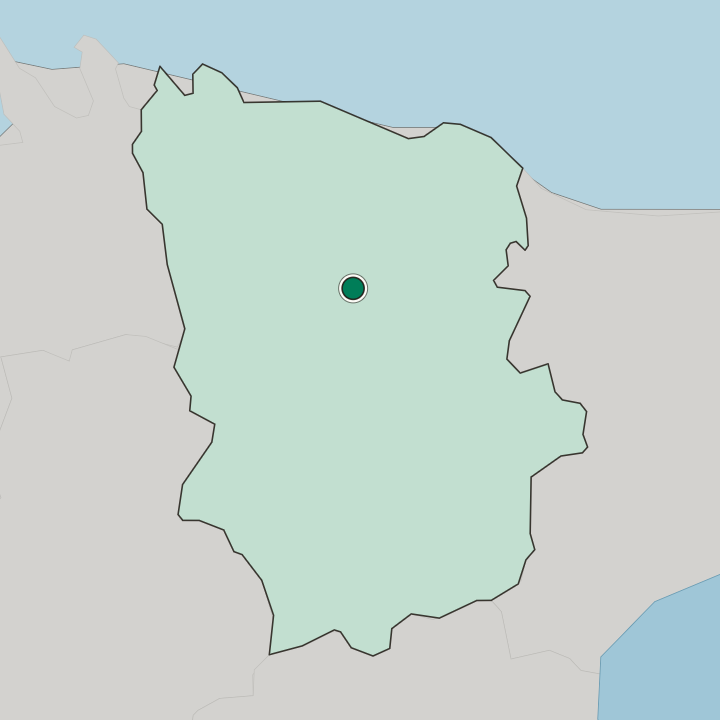
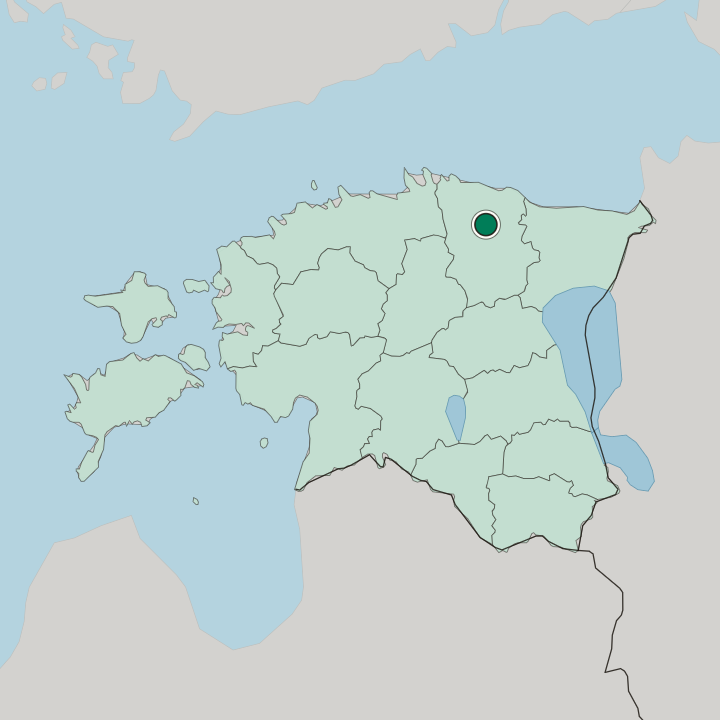
Rakvere stands inland. The Gulf of Finland and the Baltic Sea lie about 20 km to the north, close enough to shape the weather without giving the county seat a harbour of its own. Its ground covers about 10.75 square kilometres.
Lääne-Virumaa spreads around it, and Tallinn and Narva sit at roughly equal distance to either side.
What is the climate of Rakvere?
The Baltic Sea sets the terms. Rakvere stands about 20 km inland from the Gulf of Finland, near enough for the water to reach it and far enough for the inland pattern to assert itself against the coast. That gap is small.
It is still enough to separate the county seat's weather from the shore's, which is the practical difference between a night in Rakvere and a night on the water.
How do you get to Rakvere?
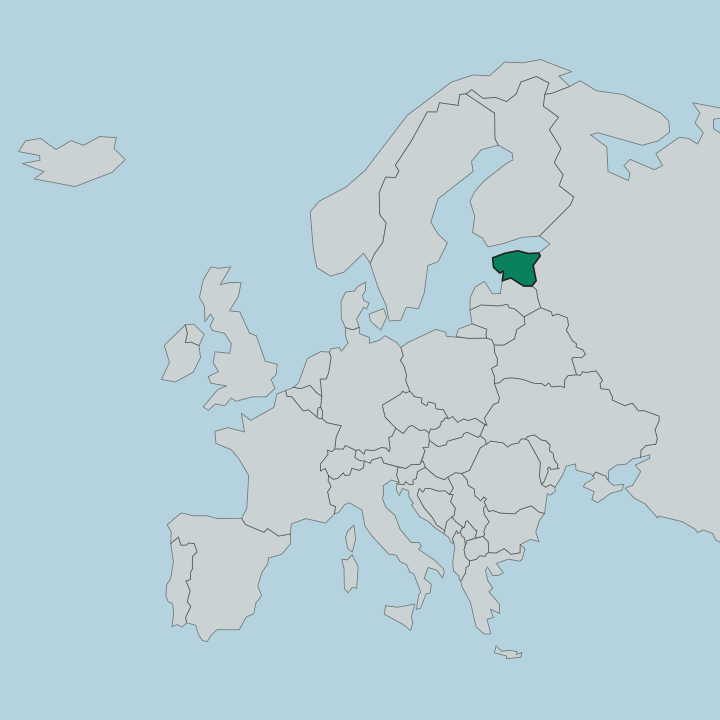
Most arrivals come from Tallinn. The capital lies about 100 km off, and Narva sits about the same distance on the other side, so Rakvere works as the halfway stop for anyone crossing Estonia by road. The coast is 20 km north.
That leaves the Gulf of Finland within a short detour, and the rest of Lääne-Virumaa reachable from the county seat in an afternoon.
Common questions
What is the best area to stay in Rakvere?
Under Rakvere Castle: Walkers who want Rakvere Castle and Rakvere Church on one circuit. The Rakvere Spordihall side: Fixture weekends at Rakvere Spordihall in an ACES European Town of Sport. The Lääne-Virumaa edge: Drivers breaking the run between Tallinn and Narva.
Good for
Updated October 2026