Estonia
Lääne-Virumaa, Estonia — Towns & Travel Guide
Lääne-Virumaa is a county on Estonia's north coast, where limestone uplands meet the manors and bogs of Lahemaa National Park.
Hotel links are affiliate links: booking through them may earn us a commission, at no extra cost to you. It never affects how places are ranked. How this works


Towns & cities in Lääne-Virumaa
One town here has its own guide — it links to where to stay.
 Estonia
Rakvere
Rakvere, county seat of Lääne-Virumaa, is Estonia's fifth largest city, and Rakvere Castle stands over its middle.Where to stay →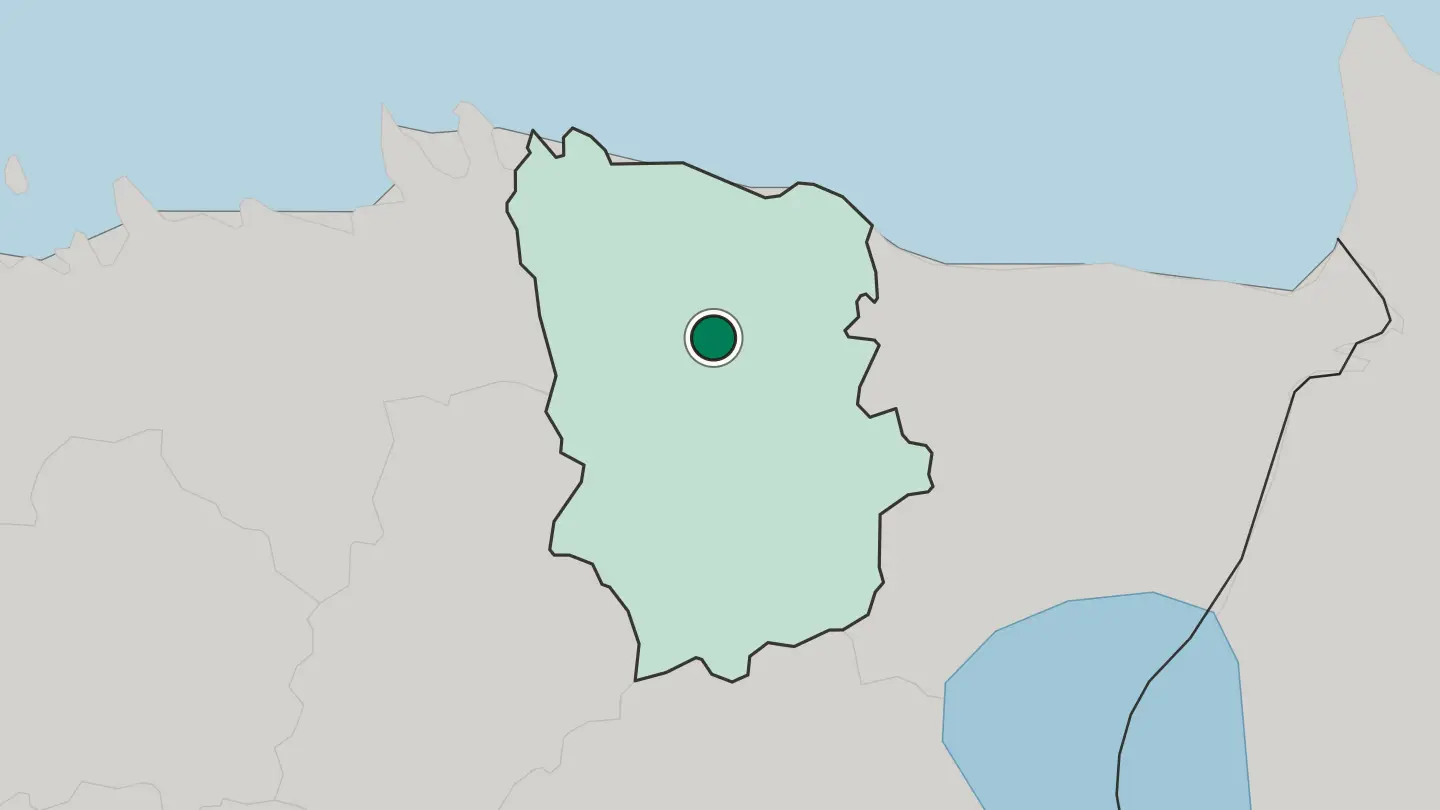
Hotel links are affiliate links: booking through them may earn us a commission, at no extra cost to you. It never affects how places are ranked. How this works
About Lääne-Virumaa
Lahemaa National Park is the pull.
What is Lääne-Virumaa known for?
Its western half spreads across Lääne-Virumaa, and travellers come for the manors of Palmse, Sagadi and Vihula and the fishing villages of Altja and Käsmu along the Gulf of Finland. Inland the county climbs into the Pandivere Upland, whose limestone feeds cold springs and the Kunda River. Rakvere anchors the middle, a small town under the ruins of a medieval castle.
This is manor country, bog country, and the highest ground in northern Estonia.
Where is Lääne-Virumaa?
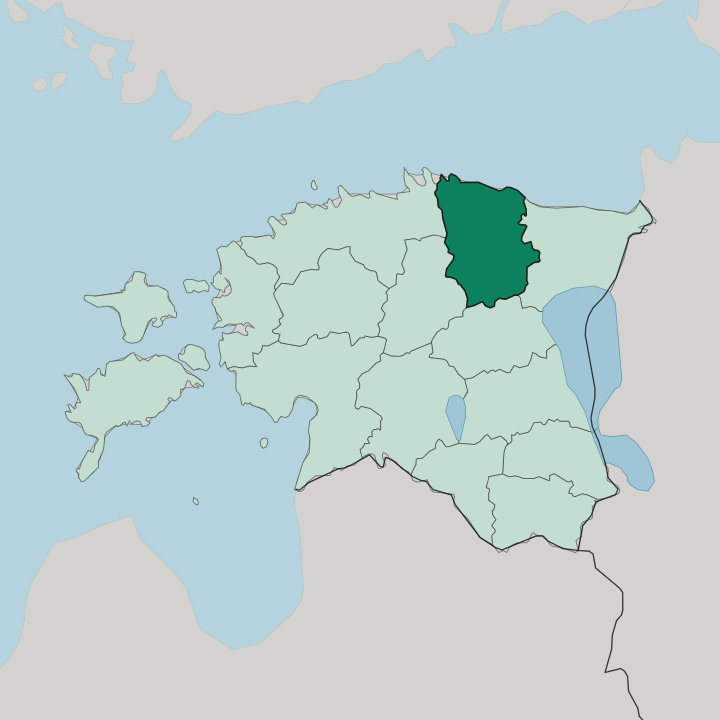
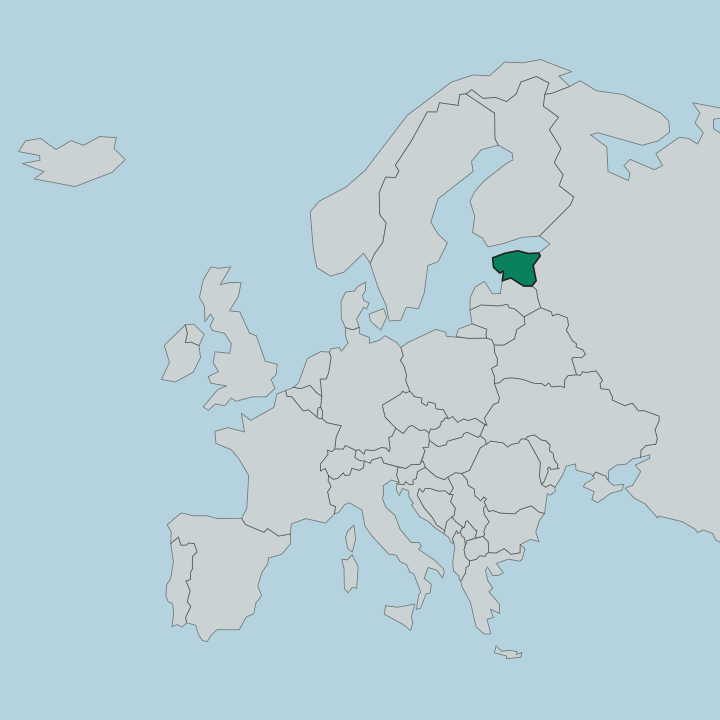
Lääne-Virumaa sits in northern Estonia, its whole top edge on the south coast of the Gulf of Finland. Ida-Viru County lies to the east. West and south the county borders the rest of mainland Estonia, and the land there rises into the Pandivere Upland, the broad limestone dome that fills its interior. That upland holds Emumägi, at 166 metres the highest point in northern Estonia, crowned by a wooden observation tower.
The rock underfoot is Ordovician limestone, and it shapes everything. Rain sinks straight through the thin soils into karst, then surfaces again as cold springs that feed the county's rivers. The Kunda River gathers at the Põlula springs and breaks north through the limestone in a canyon up to 40 metres deep before reaching the sea at Kunda.
The Selja River rises at the Mõdriku springs nearby. Between the ridges lie raised bogs and wet forest, and the coast itself flattens into sandy bays and scattered boulder fields where Lahemaa National Park runs down to the Gulf of Finland. It is low, quiet limestone country.
No mountains break it. The sea holds one edge and the Pandivere dome holds the middle.
What is Lääne-Virumaa like?
This is the richest manor county in Estonia, and the estates set its tone. The Baltic German gentry who once held this land left more than a hundred manor houses behind, and Lääne-Virumaa keeps more of them in use than any other county. Palmse, Sagadi and Vihula in Lahemaa are the showpieces, restored as museums, hotels and forestry centres.
Sagadi draws more visitors than any other manor in the country. The living culture leans coastal and small-town. Every August the fishing village of Käsmu fills for the Viru Folk festival, a weekend of Estonian and world roots music on the Gulf of Finland shore.
Rakvere carries the theatre and the summer crowds: its professional theatre dates to 1940, and the castle hill hosts a medieval festival with markets, combat and feasts. The language spoken across all of it is Estonian, a Finnic tongue closer to Finnish than to anything else nearby. Folk song runs deep here.
Manor, sea and stage, that is the county's culture, spread thin across villages rather than piled into one city.
What is the history of Lääne-Virumaa?
The castle hill at Rakvere is the county's oldest story in stone. A hillfort stood there long before the Danes and the Livonian Order took the land in the thirteenth century, and in 1346 the Order raised the large stone castle whose ruins still crown the rise. The Livonian War tore through it in the sixteenth century, and in 1605 retreating Polish-Lithuanian forces blew up the citadel rather than leave it to the advancing Swedes.
Peace came, and the Baltic German barons built their manors across the countryside. The county inherited that estate landscape.
What is the climate of Lääne-Virumaa?
The Gulf of Finland keeps Lääne-Virumaa cool and changeable. Winters are cold and snowy, with the sea and the raised bogs holding frost late into spring, while summers stay mild and green across the Pandivere Upland. Rain falls through the year rather than in one season.
The coast runs a touch milder than the higher inland ground around Emumägi, where snow lingers longest. Grey Baltic skies are the usual bargain.
How do you get to Lääne-Virumaa?
Most travellers come from Tallinn, about an hour and a half east by road or rail. The Tallinn-Narva highway and the eastbound railway both run the length of the county, with trains stopping at Rakvere and Tapa on the way to the Russian border. That same highway skirts the southern edge of Lahemaa National Park.
Reaching the manors, bogs and fishing villages beyond the main road really wants a car. Buses run, but they run slowly.
Common questions
What is the best area to stay in Lääne-Virumaa?
Rakvere: the castle town and county hub. The Lahemaa manors: Palmse, Sagadi and Vihula. The Gulf of Finland fishing villages: Käsmu and Altja on the coast. Kunda and the eastern shore: the port and river canyon.
More regions in Estonia
Updated September 2026