Spain · Extremadura
Where to Stay in Badajoz, Extremadura
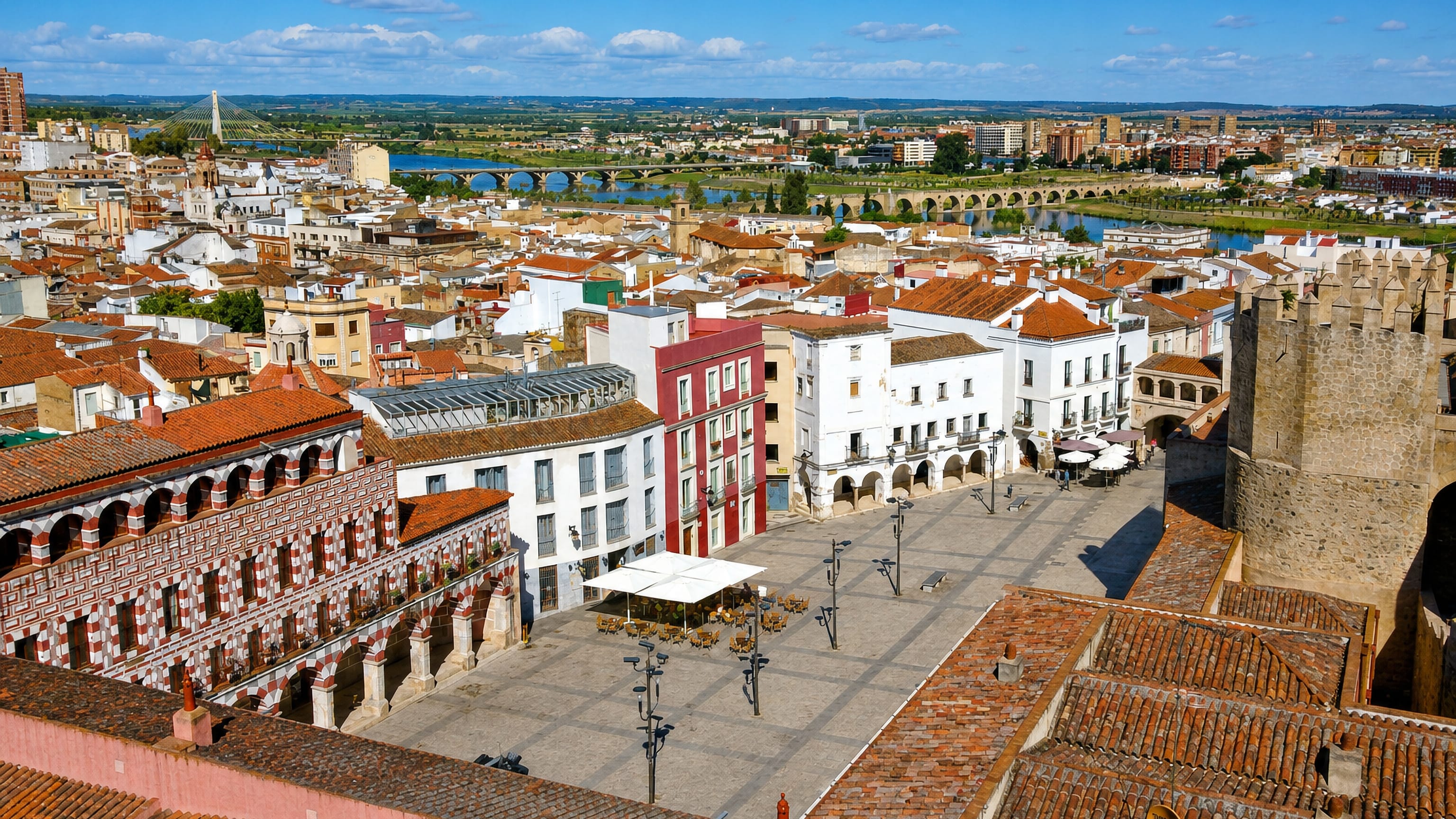
Badajoz stands on the left bank of the Guadiana near the Portuguese border, capital of its province in Extremadura, under the Alcazaba.
Hotel links are affiliate links: booking through them may earn us a commission, at no extra cost to you. It never affects how places are ranked. How this works


Where to stay in Badajoz
Where the beds are, and what that means for the visit.
Casco Antiguo answers most visits. The old quarter lies under the Alcazaba of Badajoz with Badajoz Cathedral at its middle, and a room inside it leaves the Torre de Espantaperros, the Giralda de Badajoz and the Museo del Carnaval de Badajoz all within a short walk of the door. The streets are old.
Beyond them the surrounds are industrial and residential, a sprawl that has little to do with the quarter under the citadel. The Guadiana gives the second choice its edge. Rooms near the river trade the citadel's shadow for open ground and light, and the walk back into Casco Antiguo is short enough that the trade costs almost nothing.
Cars do better out here. Blocks further from the centre suit arrivals who need parking, want the Museo Extremeño e Iberoamericano de Arte Contemporáneo on the way in, and intend an early start toward the Portuguese border in the morning. Anyone breaking the drive between Madrid and Lisbon for a single night should take the old quarter and ignore the rest, because one evening under the Alcazaba is the whole reason to stop here at all.
Badajoz is a provincial capital and works like one. The difference between its quarters is a difference of purpose rather than of quality.
Find hotels in Badajoz
Direct booking searches for these neighbourhoods.
Casco Antiguo
The old quarter puts Badajoz Cathedral, the Torre de Espantaperros and the Museo del Carnaval de Badajoz inside one short walk beneath the citadel.Find hotels in Casco AntiguoLight and open ground a few minutes from Casco AntiguoThe Guadiana bank
Beds along the Guadiana swap the citadel's shadow for river frontage, and the climb back up into Casco Antiguo takes minutes.Find hotels in The Guadiana bankDrivers stopping between Madrid and Lisbon who want parking firstThe outer districts
The industrial and residential surrounds keep the Museo Extremeño e Iberoamericano de Arte Contemporáneo close and put the road toward the Portuguese border first.Find hotels in The outer districtsHotel links are affiliate links: booking through them may earn us a commission, at no extra cost to you. It never affects how places are ranked. How this works
Things to do in Badajoz
Ranked by global recognition; descriptions from Wikidata (CC0).
Museums & Galleries
3- Archaeological Museum of Badajoz Heritage
- Museo de Bellas Artes de Badajoz Heritage
- Museo Extremeño e Iberoamericano de Arte Contemporáneo
Churches & Religious Sites
3- Badajoz Cathedral Heritage
- iglesia de Santa Catalina, Badajoz Heritage
- Monasterio de Santa Ana
Castles & Historic Sites
3- Alcazaba of Badajoz Heritage
- Casco Antiguo
- Mezquita-catedral de Badajoz
Landmarks & Notable Places
2- Torre de Espantaperros
- Giralda de Badajoz
worth knowingacross 4 categories in Badajoz
About Badajoz
The citadel runs the skyline.
What is Badajoz known for?
The Alcazaba of Badajoz is the Moorish stronghold the old city grew beneath, the Torre de Espantaperros rises from inside its walls, and the Giralda de Badajoz answers both from the streets that came afterwards. What the walls leave, the museums pick up. The Museo Extremeño e Iberoamericano de Arte Contemporáneo, the Museo de Bellas Artes de Badajoz and the Archaeological Museum of Badajoz divide the collections between them, while the Museo del Carnaval de Badajoz exists because the carnival here earned one.
What are the main landmarks in Badajoz?
Badajoz Cathedral holds the centre of Casco Antiguo. The Alcazaba of Badajoz encloses the ground above it, the Torre de Espantaperros rises from that enclosure, and the Giralda de Badajoz, the Monasterio de Santa Ana and the iglesia de Santa Catalina account for much of the built city below. Museums are plentiful here.
The Museo de Bellas Artes de Badajoz, the Archaeological Museum of Badajoz, the Museo Taurino de Badajoz and the Museo Veterinario de Badajoz split the collections between them, while the Monument to the Universal Extremeños claims the whole region rather than the city.
What is the history of Badajoz?
Ibn Marwan is the name at the start. The Monumento a Ibn Marwan marks him, the Alcazaba of Badajoz is the Moorish stronghold his city defended, and the Mezquita-catedral de Badajoz carries both halves of a religious transition inside a single name. Stone changed hands often.
A border city on the Guadiana, this close to Portugal, was never going to be left alone for long. The record gives 1834 as the founding year. That date sits oddly against everything else, because the Alcazaba of Badajoz and the Torre de Espantaperros were standing centuries earlier and Badajoz Cathedral had already taken the middle of Casco Antiguo.
Buildings outrank paperwork. The Giralda de Badajoz, the Monasterio de Santa Ana, the Parroquia de San José and the iglesia de Santa Catalina fill in the stretch that a founding date of that kind simply skips. A second name attaches itself through the Monumento a Pedro de Alvarado, and the Monument to the Universal Extremeños widens the same claim to the whole of Extremadura.
The Archaeological Museum of Badajoz keeps what the ground has given up, while the Museo de Bellas Artes de Badajoz and the Museo Extremeño e Iberoamericano de Arte Contemporáneo carry the record on into later centuries.
Where is Badajoz?
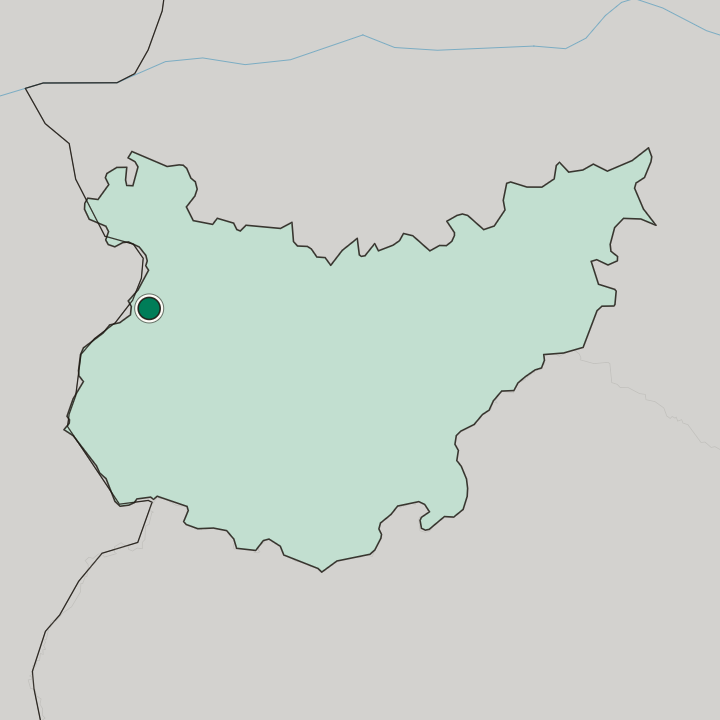
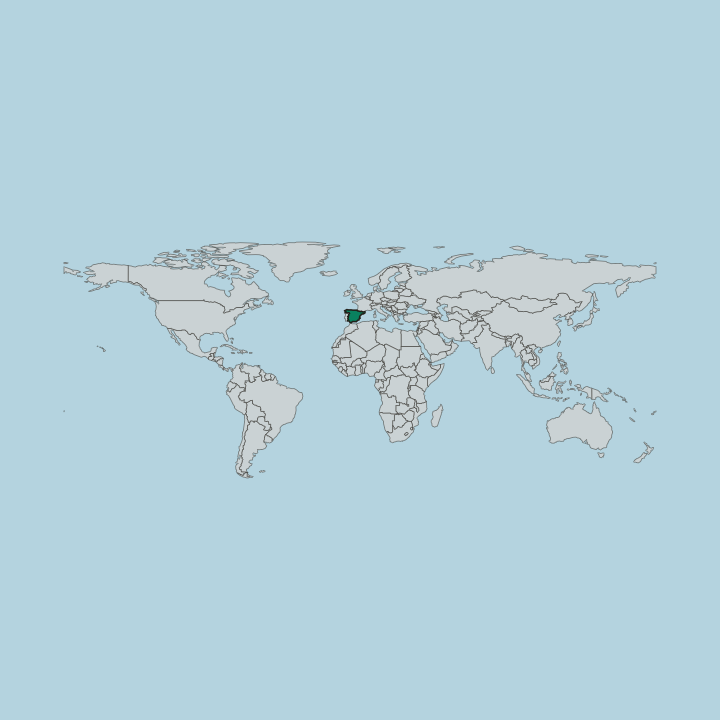
The Guadiana runs through it. Badajoz holds the left bank, the Portuguese border is close enough to shape every road leading out of the city, and the municipality covers far more ground than the walled quarter beneath the Alcazaba of Badajoz would ever suggest. Extremadura is wide country.
Industrial and residential districts take up the distance between Casco Antiguo and the outer limit of a territory that large.
What is the climate of Badajoz?
Extremadura sets the terms. The country the Guadiana crosses here lies a long way from any coast, so the summer afternoon runs hotter and longer than the temperate band alone would imply, and a river of that size cannot do the work an ocean would. Shade is the currency.
The narrow streets of Casco Antiguo hold it, and the open ground below the Alcazaba of Badajoz offers nothing of the kind.
How do you get to Badajoz?
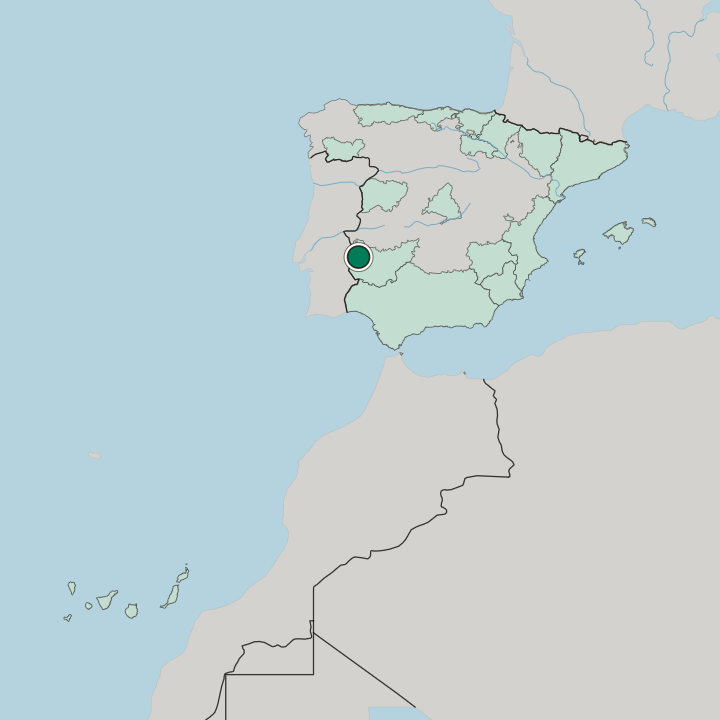
Most arrivals come mid-journey. Badajoz lies on the run between Madrid and Lisbon, close enough to the Portuguese border that crossing it is a matter of minutes rather than of planning, and the city has long served as the sensible place to break that drive. Almost everyone arrives at the wheel.
From the industrial and residential ring, Casco Antiguo and the Alcazaba of Badajoz are a short approach inward.
Common questions
What is the best area to stay in Badajoz?
Casco Antiguo: Evenings under the Alcazaba of Badajoz with Badajoz Cathedral at the door. The Guadiana bank: Light and open ground a few minutes from Casco Antiguo. The outer districts: Drivers stopping between Madrid and Lisbon who want parking first.
Good for
More cities in Extremadura
Updated October 2026