Spain · Extremadura
Where to Stay in Mérida, Extremadura
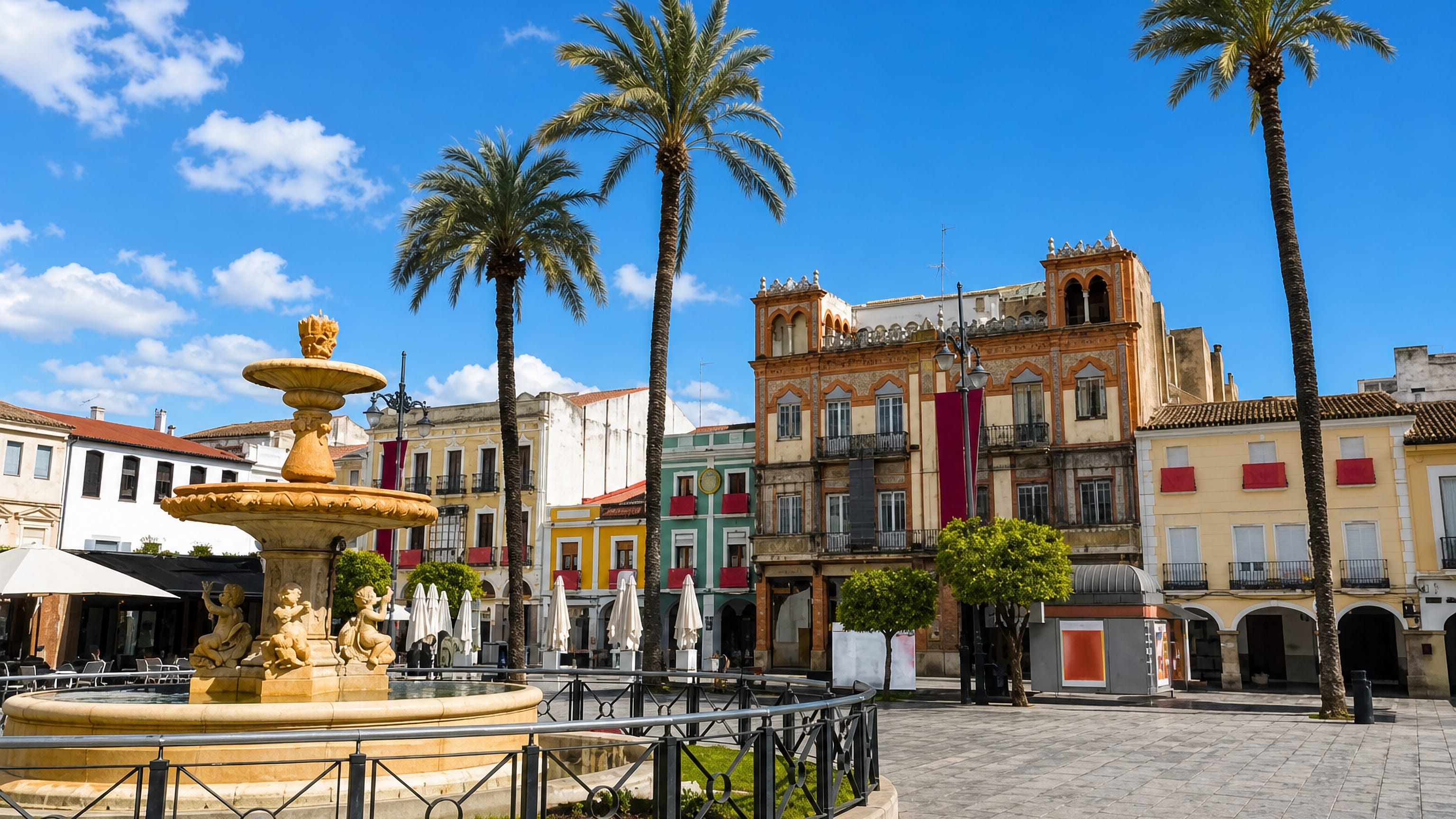
Mérida was Roman Augusta Emerita: amphitheatre, circus and aqueduct still stand in the capital of Extremadura, on the Guadiana.
Hotel links are affiliate links: booking through them may earn us a commission, at no extra cost to you. It never affects how places are ranked. How this works


Where to stay in Mérida
The practical side of choosing where to sleep.
Two rivers and a monument list set the choices here. Rooms in the streets around the Temple of Diana and the Arch of Trajan stand inside what was Augusta Emerita, which puts the Roman Forum, the Cathedral of Saint Mary of Jerusalem and the Church of Santa Clara a few minutes from the door. Call that the compact choice.
It also means paying for the location everyone wants, and accepting that a car is more burden than help among those streets. The Roman amphitheatre of Mérida marks the second choice. Beds on that side put the National Museum of Roman Art within the same short walk, which suits anyone whose visit is built around the excavated city rather than around the shopping streets.
Rivers give the third. The Guadiana and the Albarregas both cross Mérida, and rooms near the water keep the Acueducto de los Milagros in reach while staying clear of the monument quarter. The Archaeological Ensemble of Mérida is scattered rather than concentrated, so no single address covers all of it.
Mérida is the capital of Extremadura and carries the offices to prove it, so the working streets and the monument streets are not the same streets.
Find hotels in Mérida
Direct booking searches for these neighbourhoods.
Temple of Diana quarter
These streets sit inside the plan of Augusta Emerita, with the Roman Forum and the Cathedral of Saint Mary of Jerusalem a few minutes off.Find hotels in Temple of Diana quarterDays built around the Roman amphitheatre of Mérida and its collectionsAmphitheatre and museum side
The Roman amphitheatre of Mérida and the National Museum of Roman Art fall inside the same short walk, which shortens a visit built on both.Find hotels in Amphitheatre and museum sideWater frontage with the Acueducto de los Milagros still in reachThe river side
The Guadiana and the Albarregas give this side its air, and a vehicle can be left here without negotiating a Roman street plan.Find hotels in The river sideHotel links are affiliate links: booking through them may earn us a commission, at no extra cost to you. It never affects how places are ranked. How this works
Things to do in Mérida
Ranked by global recognition; descriptions from Wikidata (CC0).
Museums & Galleries
3- National Museum of Roman Art Heritage
- building of Museo Nacional de Arte Romano Heritage
- Museo de Geología
Churches & Religious Sites
3- temple of Mars Heritage
- Church of Santa Clara, Mérida
- Cathedral of Saint Mary of Jerusalem
Castles & Historic Sites
8- Archaeological Ensemble of Mérida UNESCO
- Augusta Emerita Heritage
- Temple of Diana Heritage
- Acueducto de los Milagros Heritage
- Roman amphitheatre of Mérida Heritage
Show 3 more →
- Roman Circus Maximus of Mérida Heritage
- Arch of Trajan Heritage
- House of the Mitreo Heritage
worth knowingacross 3 categories in Mérida
About Mérida
Rome never really left.
What is Mérida known for?
The Roman amphitheatre of Mérida, the Roman Circus Maximus of Mérida, the Acueducto de los Milagros and the Temple of Diana survive inside a working city, and the Archaeological Ensemble of Mérida is the name under which that whole set is protected. Everything excavated ends up in the National Museum of Roman Art. The Arch of Trajan carries an emperor's name, while the House of the Mitreo keeps the domestic side of Augusta Emerita rather than the monumental one.
What are the main landmarks in Mérida?
Augusta Emerita is still the ground plan. The Roman amphitheatre of Mérida, the Roman Circus Maximus of Mérida, the Roman Forum and the Roman Provincial Forum are the public buildings of that city, and the Acueducto de los Milagros carried its water in. Temples survive too.
The Temple of Diana and the temple of Mars stand among much later streets, while the House of the Mitreo and Amphitheatre House show how people actually lived, and the National Museum of Roman Art gathers what the excavations lifted.
What is the history of Mérida?
Augusta Emerita came first, and nothing since has outranked it. The Roman colony left an amphitheatre, a circus, two forums and an aqueduct in a state that later centuries could not undo, and the Archaeological Ensemble of Mérida is the modern name for what survives of that plan. Rome built to last.
The Acueducto de los Milagros and the Arch of Trajan are the pieces that stayed visible throughout. Later centuries built over the Roman city rather than away from it. The Museo del Arte Visigodo covers the stretch between the Roman colony and the Christian town, the Cathedral of Saint Mary of Jerusalem and the iglesia de Nuestra Señora de la Antigua belong to the second of those, and the Convento de San Andrés, the Church of Santa Clara and the iglesia del Carmen fill in the centuries that followed.
Santa Eulalia has her own marker. The Hornito de Santa Eulalia keeps that dedication out in the street. A founding year of 1834 sits in the record, which cannot be the whole story for a place that already had a name and a street grid under Rome.
The National Museum of Roman Art, the Museo de Geología and The Mithraeum House - The Columbaria Funerary Area are how the city now presents the lot.
Where is Mérida?
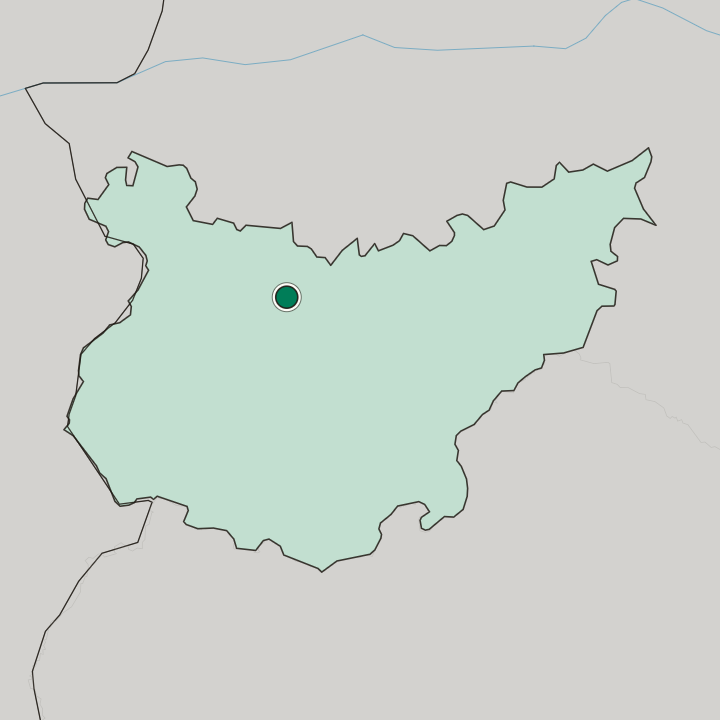
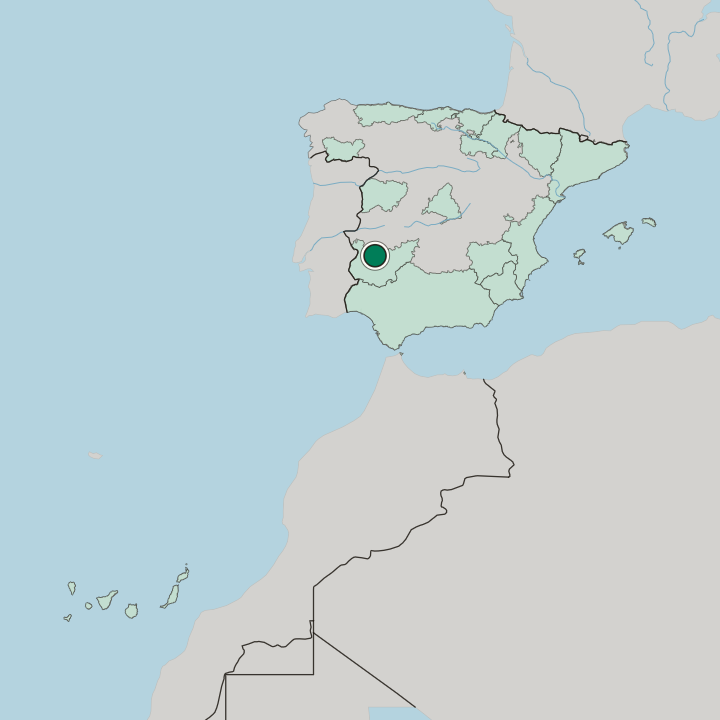
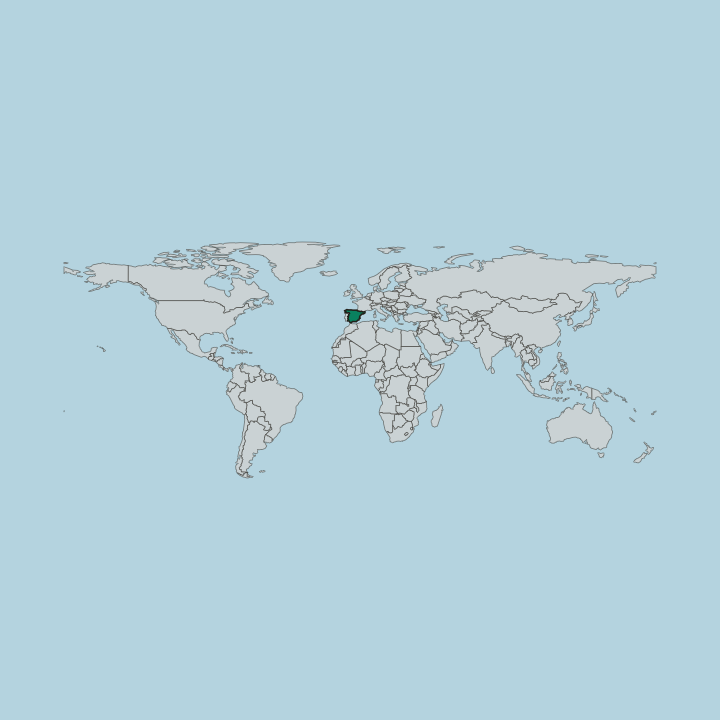
Two rivers cross the city. The Guadiana and the Albarregas both run through Mérida, which stands about 217 metres above sea level in the middle of the Iberian Peninsula, and the municipality around it takes in roughly 866 square kilometres of ground. Extremadura opens out past that.
The Province of Badajoz holds the city administratively, even though the regional capital happens to be here.
What is the climate of Mérida?
The Guadiana is not an ocean. Mérida stands well inland on the Iberian Peninsula, so the two rivers crossing it do very little to soften a summer that runs hot and long, and the cold arrives as a clear drop rather than a gradual one. Height changes nothing.
At a little over 217 metres above sea level, the city gets no relief from elevation either, and the Albarregas is far too small to alter that.
How do you get to Mérida?
Mérida is a road city with a Roman plan underneath. Arrivals come in past the modern edges and stop short of the monument quarter, because the streets around the Temple of Diana and the Roman Forum were laid out for a Roman city rather than for modern traffic, and space to leave a car is easier to find away from them. The walk in is short.
From near the Guadiana the Roman amphitheatre of Mérida and the National Museum of Roman Art are both reachable on foot.
Common questions
What is the best area to stay in Mérida?
Temple of Diana quarter: Waking up between the Temple of Diana and the Arch of Trajan. Amphitheatre and museum side: Days built around the Roman amphitheatre of Mérida and its collections. The river side: Water frontage with the Acueducto de los Milagros still in reach.
Good for
More cities in Extremadura
Updated October 2026