Spain · Extremadura
Where to Stay in Cáceres, Extremadura
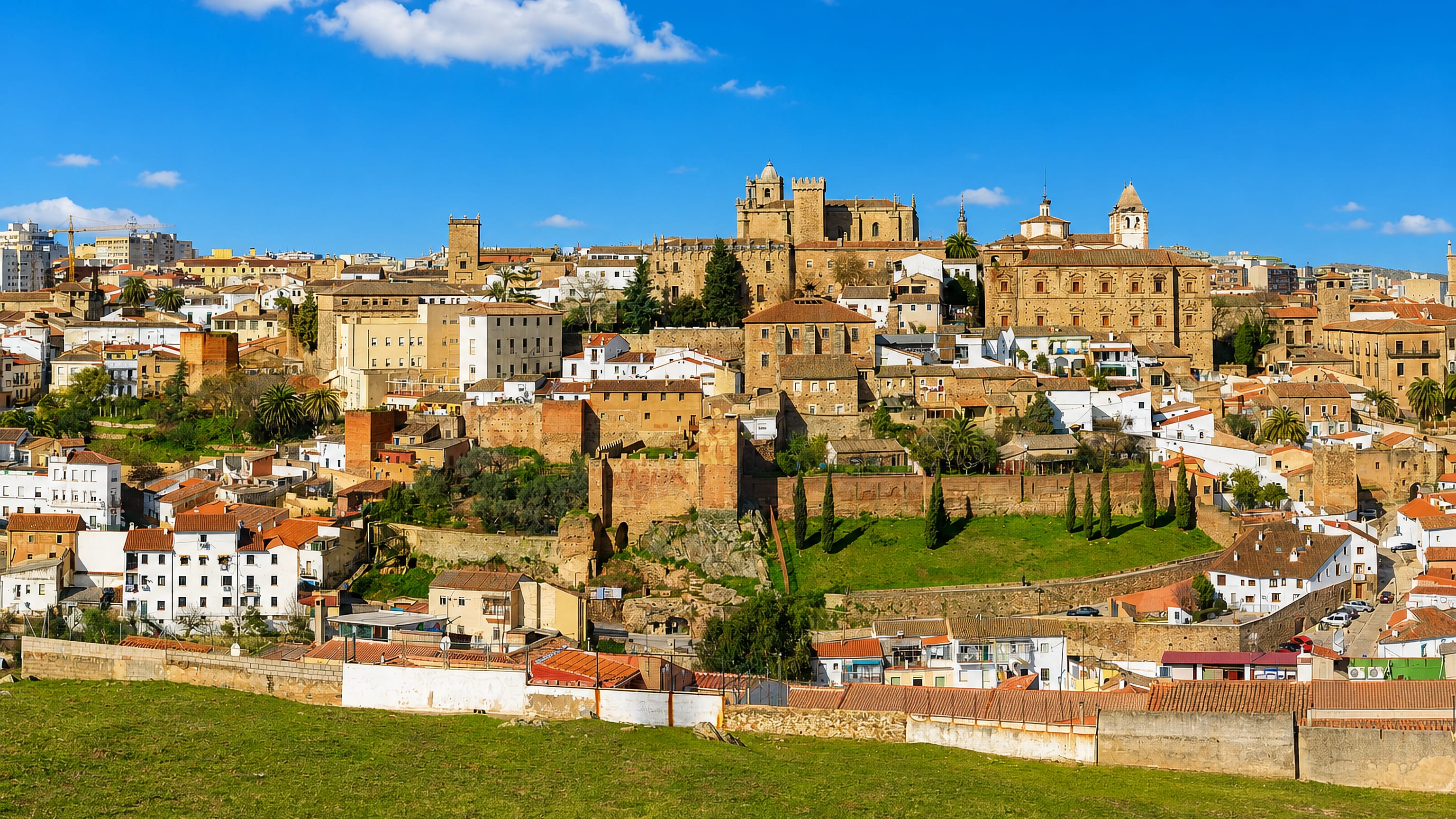
Cáceres holds a UNESCO-listed old town of towers and palaces in the centre of Extremadura, capital of the province that carries its name.
Hotel links are affiliate links: booking through them may earn us a commission, at no extra cost to you. It never affects how places are ranked. How this works


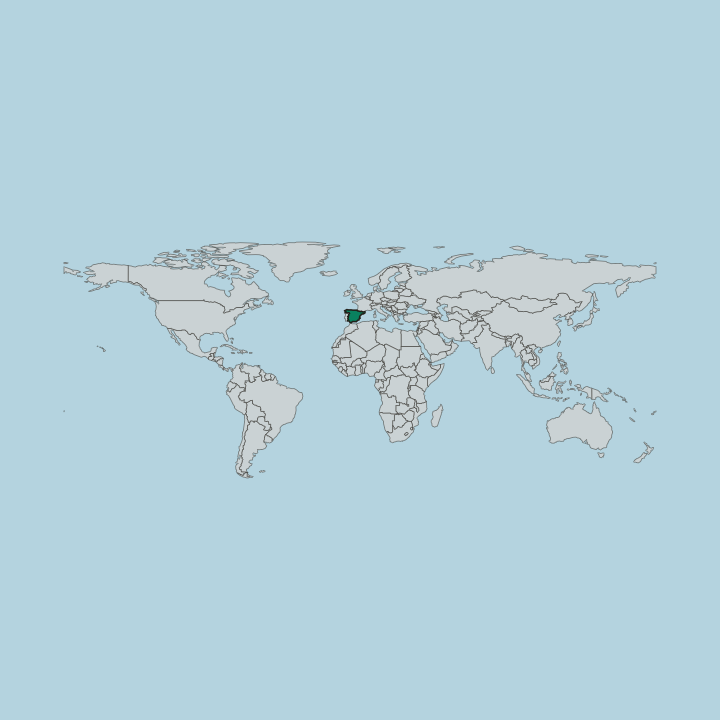
Where to stay in Cáceres
Where visitors usually base themselves, and why.
The walled quarter is the whole point. Sleeping inside the Walls of Cáceres puts Cáceres Cathedral, the Church of San Mateo, the Palacio de las Veletas and the Casa de los Cáceres Ovando within a few minutes on foot, which is what several days in this city are actually for. Cars stay outside.
If you want the walled streets in the evening, with the Torre de Bujaco standing over an emptied square, this is the only side worth booking. Outside the gates the city turns ordinary and useful. Rooms near the Museum of Contemporary Art Helga de Alvear are easier to reach with luggage, keep a supermarket in range, and still leave the Walls of Cáceres inside a short walk.
Parking decides some trips. The blocks out by the Multiusos Ciudad de Cáceres suit anyone arriving with a car and no appetite for the ramps and steps that the walled quarter imposes on every visitor who comes through it. Cáceres is a provincial capital, so the newer streets carry the offices, the courts and most of the working traffic.
The Cáceres Museum and the Casa Museo Guayasamín de Cáceres belong to the visiting side of that divide rather than the working one. Both sides sit inside the same small city, and the real difference is a matter of steps and of stone underfoot.
Find hotels in Cáceres
Direct booking searches for these neighbourhoods.
Inside the Walls of Cáceres
The walled quarter holds Cáceres Cathedral, the Palacio de las Veletas and the Church of San Mateo within minutes of each other, and no car follows you in.Find hotels in Inside the Walls of CáceresPairing the Museum of Contemporary Art Helga de Alvear with the old townHelga de Alvear quarter
These newer streets take luggage without complaint and still leave the Walls of Cáceres a short walk away.Find hotels in Helga de Alvear quarterDrivers who want room to park before the ramps and steps beginMultiusos Ciudad de Cáceres side
The blocks near the Multiusos Ciudad de Cáceres swap medieval paving for space to leave a vehicle, and the approach ends at the Walls of Cáceres.Find hotels in Multiusos Ciudad de Cáceres sideHotel links are affiliate links: booking through them may earn us a commission, at no extra cost to you. It never affects how places are ranked. How this works
Things to do in Cáceres
Ranked by global recognition; descriptions from Wikidata (CC0).
Museums & Galleries
2- Museum of Contemporary Art Helga de Alvear
- Cáceres Museum
Churches & Religious Sites
5- Cáceres Cathedral Heritage
- Iglesia de la Preciosa Sangre Heritage
- Church of Santiago Heritage
- Church of San Mateo Heritage
- Ermita del Espíritu Santo Heritage
Castles & Historic Sites
8- Cave of Maltravieso Heritage
- Palacio de los Golfines de Abajo Heritage
- Palacio de las Veletas Heritage
- Castra Caecilia Heritage
- Palacio de los Golfines de Arriba Heritage
Show 3 more →
- Walls of Cáceres Heritage
- Casa Mudéjar de la Cuesta de Aldana Heritage
- Casa de los Trucos Heritage
Stadiums & Sports
1- Multiusos Ciudad de Cáceres
Landmarks & Notable Places
3- Torre de Bujaco
- Casa-Palacio de los Becerra
- Casa de los Caballos
worth knowingacross 5 categories in Cáceres
About Cáceres
Towers define the old town.
What is Cáceres known for?
The Torre de Bujaco, the Torre de los Sande and the Tower of the Pulpits rise out of a walled quarter that UNESCO listed whole, and the Walls of Cáceres still draw the line around it. Palaces fill the rest. Palacio de los Golfines de Abajo, Palacio de las Veletas and the Casa de los Cáceres Ovando carry the names of the families that raised them, while the Museum of Contemporary Art Helga de Alvear puts an entirely different century inside the same small city.
What are the main landmarks in Cáceres?
Cáceres Cathedral anchors the walled quarter. Torre de Bujaco, Torre de los Sande and the Tower of the Pulpits stand above it, and the Palacio de los Golfines de Abajo, the Palacio de las Veletas and the Casa-Palacio de los Becerra carry the noble houses. Churches punctuate the streets.
Church of San Mateo, Church of Santiago and the Iglesia de la Preciosa Sangre divide the parishes, while the Casa Mudéjar de la Cuesta de Aldana keeps another building tradition alive inside the same walls.
What is the history of Cáceres?
The Cave of Maltravieso came first. It belongs to a period with no cities in it at all, and everything raised in Cáceres since has stood on ground that people had already been using for a very long stretch of time. Rome arrived later.
Castra Caecilia names a Roman camp, and the Latin inside that name is the oldest layer the city itself still carries. The Walls of Cáceres set the shape that survives. Inside them Cáceres Cathedral, the Church of San Mateo and the Church of Santiago fix the medieval parishes, while the Torre de Bujaco and the Ermita del Espíritu Santo answer to the defensive and devotional habits of the same centuries.
Then the families built. Palacio de los Golfines de Abajo, Palacio de los Golfines de Arriba, Palacio de los Málaga, Casa de los Cáceres Ovando, Casa de los Caballos and the Torre de los Sande are the houses of the families who ran the walled town, and the Casa Mudéjar de la Cuesta de Aldana, the Casa de los Trucos and the Church of San Juan stand among them. UNESCO listed the Old Town as a whole.
The Cáceres Museum, the Casa Museo Guayasamín de Cáceres and the Museum of Contemporary Art Helga de Alvear are what the later city added to it.
Where is Cáceres?
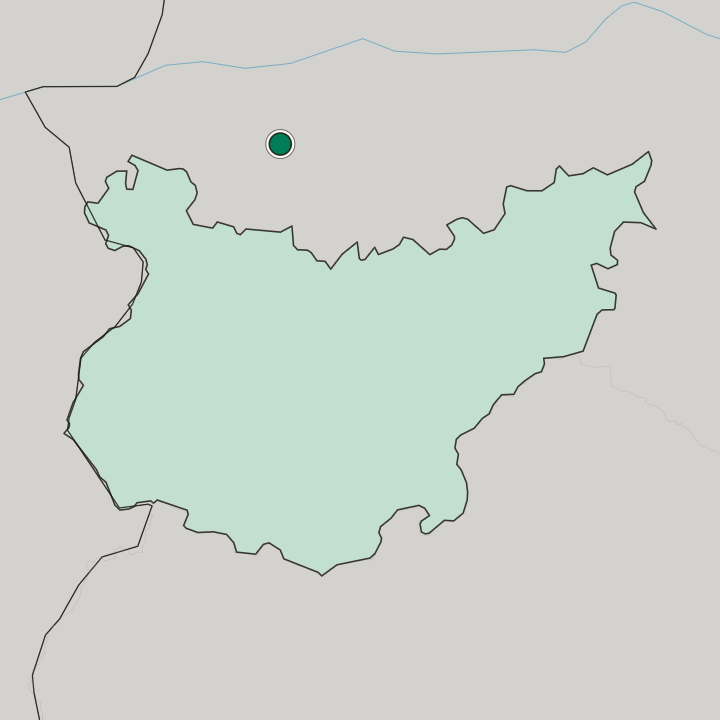
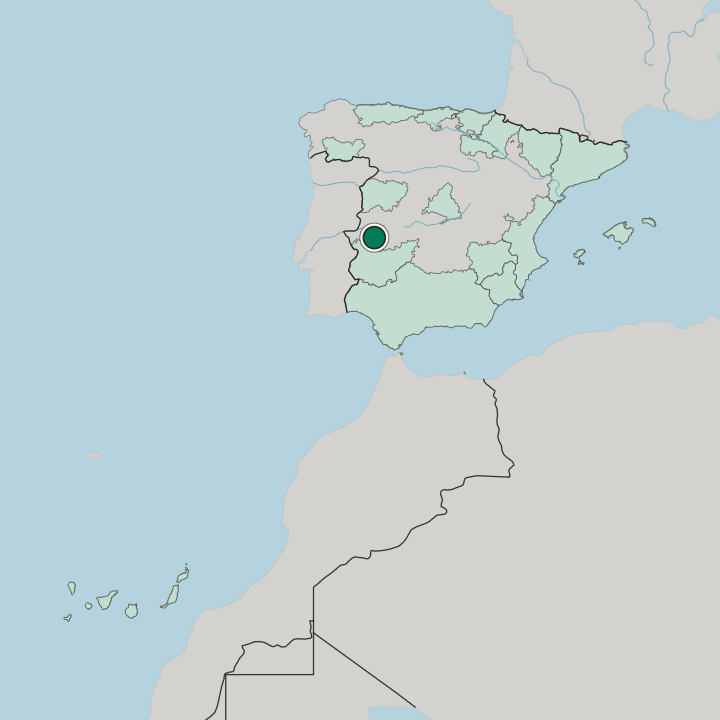
Extremadura wraps around it on every side. Cáceres occupies the centre of the region, a long way from any coast and from any border, with the walled quarter still marking the compact core that the rest of the city grew around. The surrounding province borrows the city's name.
Past the last of those newer streets, Extremadura returns to open country almost at once.
What is the climate of Cáceres?
Nothing coastal reaches this far inland. Cáceres sits in the middle of Extremadura with no sea anywhere near it, so the summer afternoon builds without interruption and the winter nights fall away just as freely. Stone helps.
The walled streets below Cáceres Cathedral stay cooler than the open ground outside the Walls of Cáceres, which is a practical difference in high summer rather than an aesthetic one.
How do you get to Cáceres?
The old town is not for driving. Arrivals leave the car in the newer streets outside the Walls of Cáceres and walk in from there, because the walled quarter was laid out for feet rather than for traffic and has not changed its mind since. Torre de Bujaco marks the way in.
The Multiusos Ciudad de Cáceres stands on the modern side of the city, which is where most vehicles end up.
Common questions
What is the best area to stay in Cáceres?
Inside the Walls of Cáceres: Evenings with the Torre de Bujaco over an empty square. Helga de Alvear quarter: Pairing the Museum of Contemporary Art Helga de Alvear with the old town. Multiusos Ciudad de Cáceres side: Drivers who want room to park before the ramps and steps begin.
Good for
More cities in Extremadura
Updated October 2026