Spain · Navarra
Where to Stay in Pamplona, Navarra
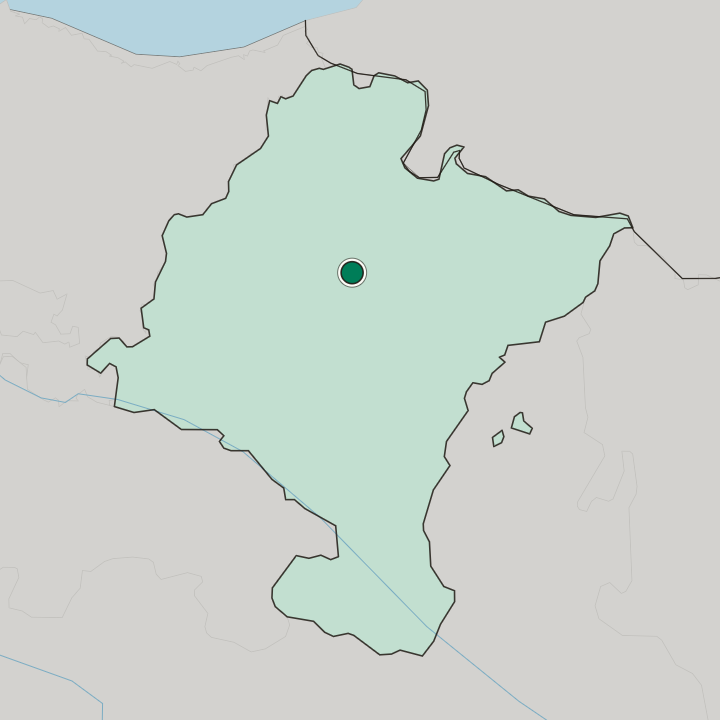
Bastioned walls drop to the Arga at Pamplona, capital of Navarra, known for the encierro through Calle Estafeta and its Gothic cathedral.
Hotel links are affiliate links: booking through them may earn us a commission, at no extra cost to you. It never affects how places are ranked. How this works


Where to stay in Pamplona
Each area has its own feel; here's who each one suits.
 PamplonaSpain
Segundo Ensanche
Nineteenth-century avenues run from the Plaza del Castillo down past the Monumento a los Fueros to the bullring.Segundo Ensanche →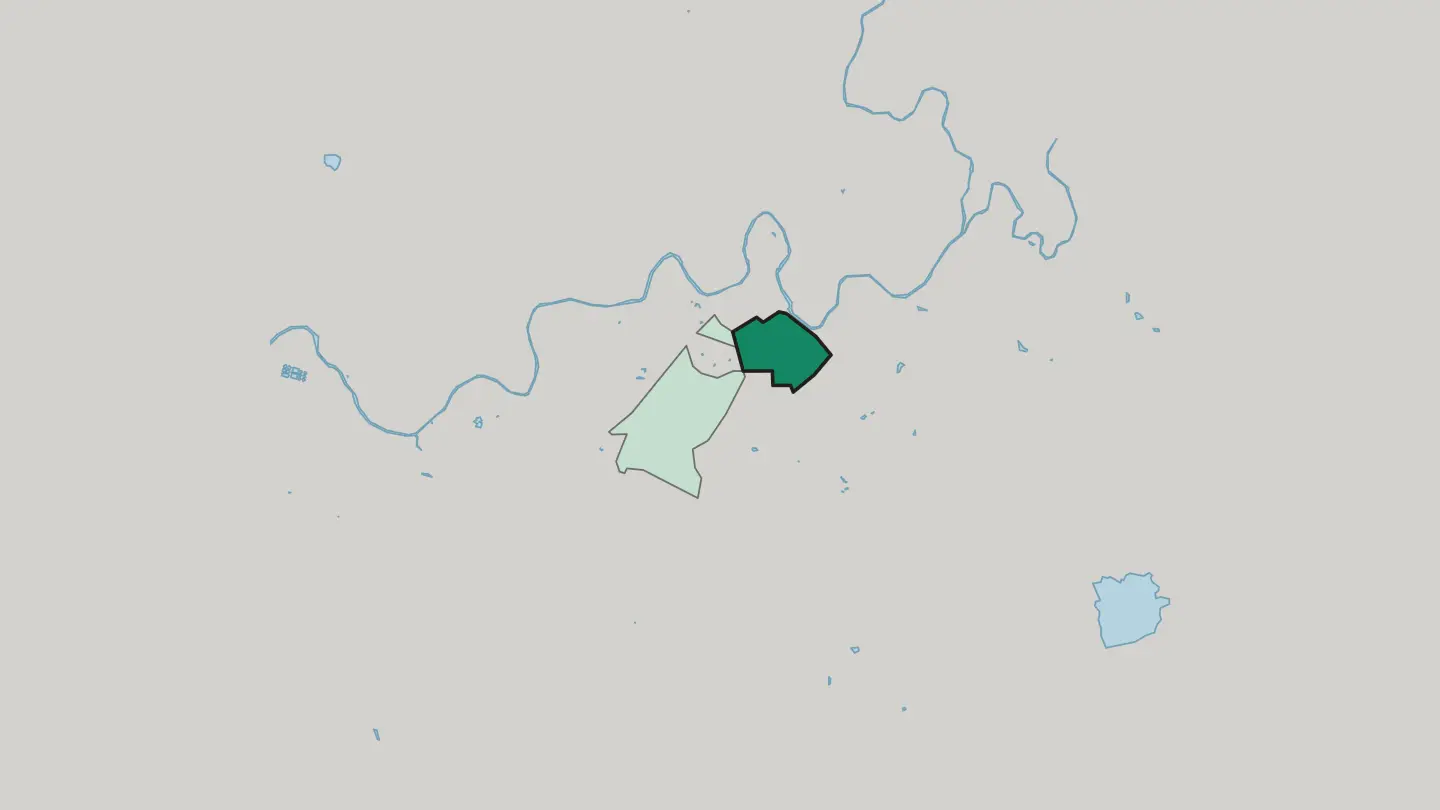
 PamplonaSpain
Iturrama
The Vuelta del Castillo green ring separates Iturrama and Ermitagaña from the fiesta, with the University of Navarra campus alongside.Iturrama →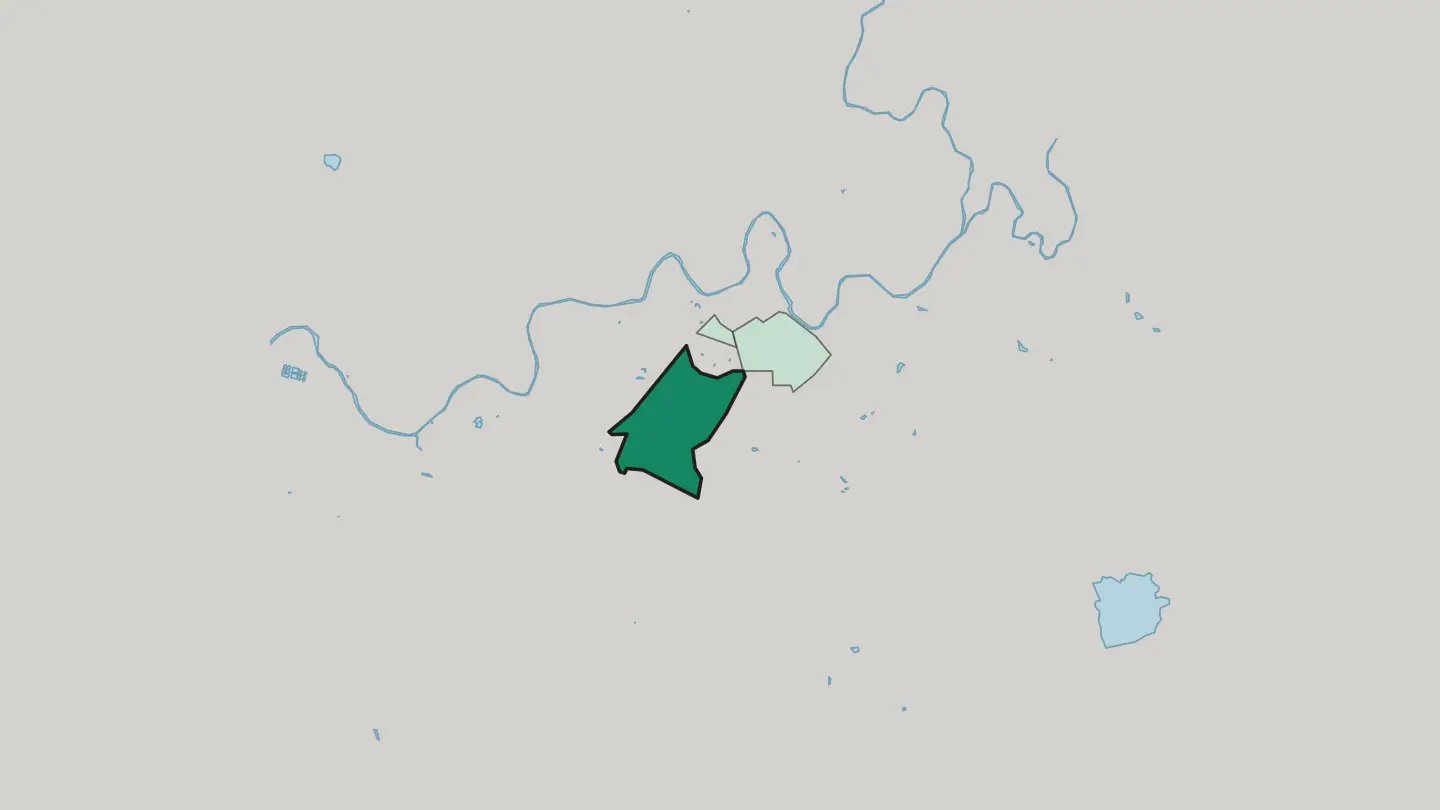 PamplonaSpain
Primer Ensanche
Pamplona Cathedral, the Museum of Navarre and the Walls of Pamplona stand near Primer Ensanche, a quarter of Pamplona.Where to stay →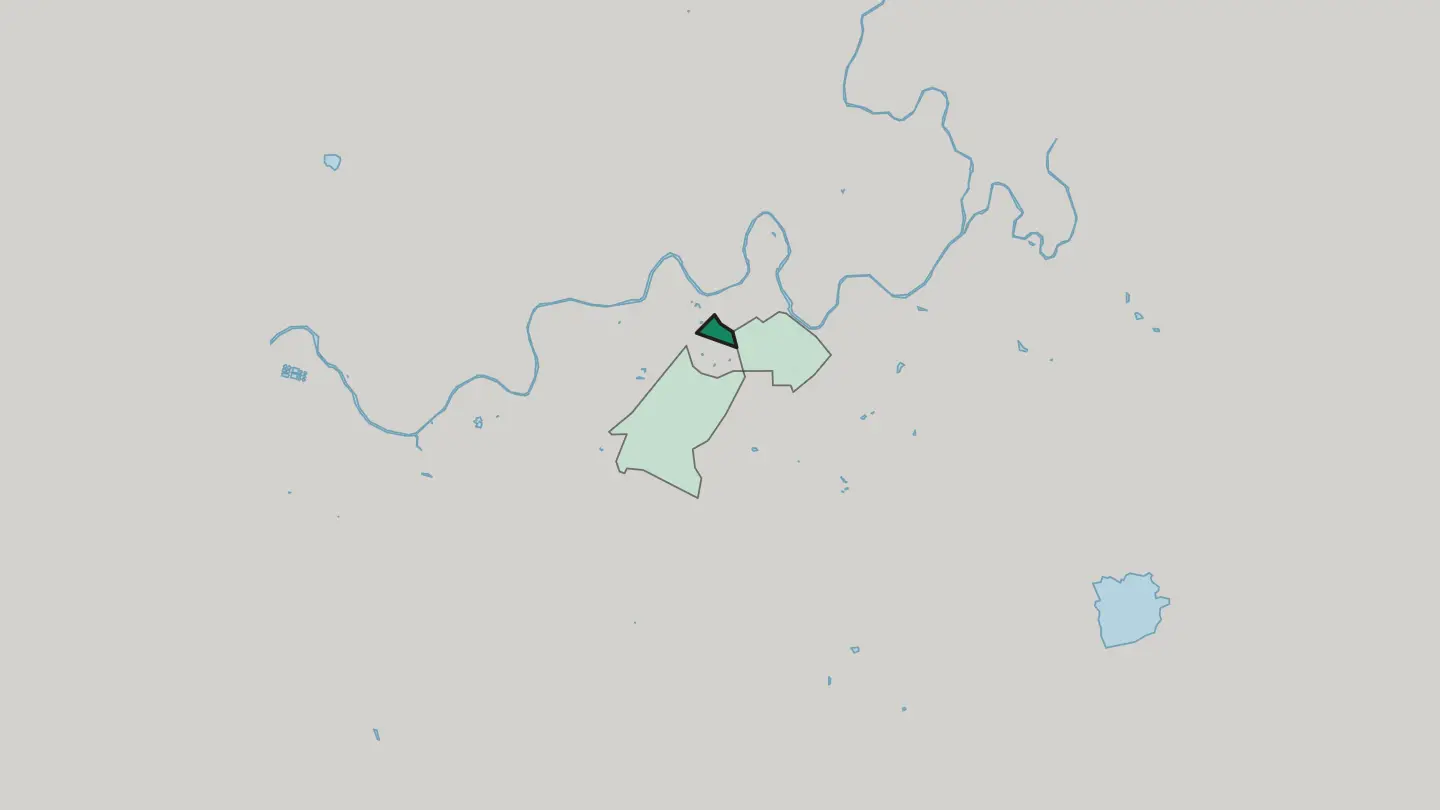 PamplonaSpain
Ermitagaña
Ermitagaña is a district of Pamplona, close to Barañain, with the University Museum of Navarra and the Citadel of Pamplona within reach.Where to stay →PamplonaSpainEchavacoiz
Echavacoiz, Etxabakoitz in Basque, is a barrio of Pamplona that was a concejo of the Cendea de Cizur until it joined the city in 1953.Where to stay →Hotel links are affiliate links: booking through them may earn us a commission, at no extra cost to you. It never affects how places are ranked. How this works
Find hotels in Pamplona
Direct booking search for this neighbourhood.
Hotel links are affiliate links: booking through them may earn us a commission, at no extra cost to you. It never affects how places are ranked. How this works
Things to do in Pamplona
Ranked by global recognition; descriptions from Wikidata (CC0).
Museums & Galleries
3- Museum of Navarre Heritage
- Horno de la Ciudadela de Pamplona Heritage
- University Museum of Navarra
Churches & Religious Sites
8- Pamplona Cathedral Heritage
- Church of San Cernín, Pamplona Heritage
- San Nicolás Heritage
- Church of San Lorenzo, Pamplona Heritage
- Capilla del Hospital de Navarra Heritage
Show 3 more →
- Church of El Salvador, Pamplona Heritage
- Church of San Agustín, Pamplona Heritage
- Iglesia de los Sanjuanistas Heritage
Castles & Historic Sites
8- Citadel of Pamplona Heritage
- Palace of the Kings of Navarre Heritage
- Puente medieval de la Magdalena Heritage
- Palacio Condestable de Pamplona Heritage
- Convento de las Agustinas Heritage
Show 3 more →
- Miluze Heritage
- Walls of Pamplona Heritage
- puente de San Pedro Heritage
worth knowingacross 3 categories in Pamplona
About Pamplona
What is Pamplona known for?
Pamplona is known for the Sanfermines, the bastioned Walls of Pamplona, and the Catedral de Santa María la Real. Bulls run every July. The encierro pushes from the corrals at Santo Domingo up Calle Estafeta to the Plaza de Toros in a few minutes each morning of the fiesta, and Hemingway put the whole thing into a novel.
The saint's chapel sits in the Church of San Lorenzo.
What are the main landmarks in Pamplona?
Pamplona keeps a full circuit of bastioned walls around its old town. The Ciudadela anchors the southern corner. Philip II laid out that star-shaped fort in the sixteenth century, and the Portal de Francia, the Redín bastion, and the Puente de la Magdalena carry the Camino down to the Arga on the other side.
Inside the walls the Catedral de Santa María la Real keeps the tomb of Charles III and one of the largest Gothic cloisters in Spain, and the Museo de Navarra holds the Roman mosaics of Pompaelo. San Cernín and San Nicolás still look like fortresses.
What is the history of Pamplona?
Pompey founded Pamplona as a garrison town. Roman Pompaelo sat on the road across the western Pyrenees, and the mosaics dug out of it now fill the Museo de Navarra. Three towns then grew apart.
Navarrería kept the cathedral and the old Basque-speaking population, San Cernín and San Nicolás filled with Frankish merchants off the Camino, and the three walled themselves against each other and fought until the kings of Navarre lost patience. Charles III fused them in 1423. Castile annexed the kingdom in 1512.
Ferdinand took Navarre by force and Philip II drove the Ciudadela into its southern flank to hold it, which is why a small city carries fortifications built for a frontier. The walls stayed until the last century. Their demolition released the Primer Ensanche and then the Segundo Ensanche southward, and the Vuelta del Castillo turned the old field of fire into the green ring the city walks on.
Hemingway arrived in the twenties. His account of the Sanfermines turned a Navarrese patron saint's week into an event the whole world books flights for, and the monument beside the Plaza de Toros marks the debt. Pilgrims still walk in from Roncesvalles.
Where is Pamplona?
Pamplona sits in the Cuenca de Pamplona, a basin in the middle of Navarra where the Arga swings around the old town. Ridges close it on three sides. Mount Ezkaba stands north over the river, the Sierra del Perdón runs southwest with the Camino crossing its crest, and the Pyrenees rise behind Roncesvalles to the northeast.
South the land drops toward the Ebro.
What is the climate of Pamplona?
Pamplona sits where Atlantic weather gets through the Pyrenees and the dry Ebro air does not quite reach. The result is green and grey. Fronts pushing in from the Bay of Biscay drop rain on the basin through autumn and spring, snow settles on Mount Ezkaba most winters, and July can turn hot enough to make the fiesta crowds hunt for shade.
Evenings cool off fast.
How do you get to Pamplona?
Pamplona lies on the A-15 between Zaragoza and the Basque coast. That motorway and the N-121 over the Belate pass carry most road traffic, and Renfe trains run in from Zaragoza and Madrid to the station northwest of the Casco Antiguo. Noáin handles the flights.
The airport sits a short run south of the Ciudadela, and walkers on the Camino Francés arrive on foot over the Puente de la Magdalena after crossing from Roncesvalles.
Common questions
What is the best area to stay in Pamplona?
Casco Antiguo: Front-row mornings on Calle Estafeta. Segundo Ensanche: Wide pavements a short walk from the Plaza de Toros. Iturrama: Quiet beds right through the Sanfermines.
Good for
Updated October 2026