Spain · Navarra · Pamplona
Iturrama, Pamplona — Area Guide & Where to Stay
Iturrama is a barrio of Pamplona south of the Citadel, its name first documented in 1556 and taken from a spring, the mother of the fountain.
Hotel links are affiliate links: booking through them may earn us a commission, at no extra cost to you. It never affects how places are ranked. How this works


Where to stay in Iturrama
The practical side of choosing where to sleep.
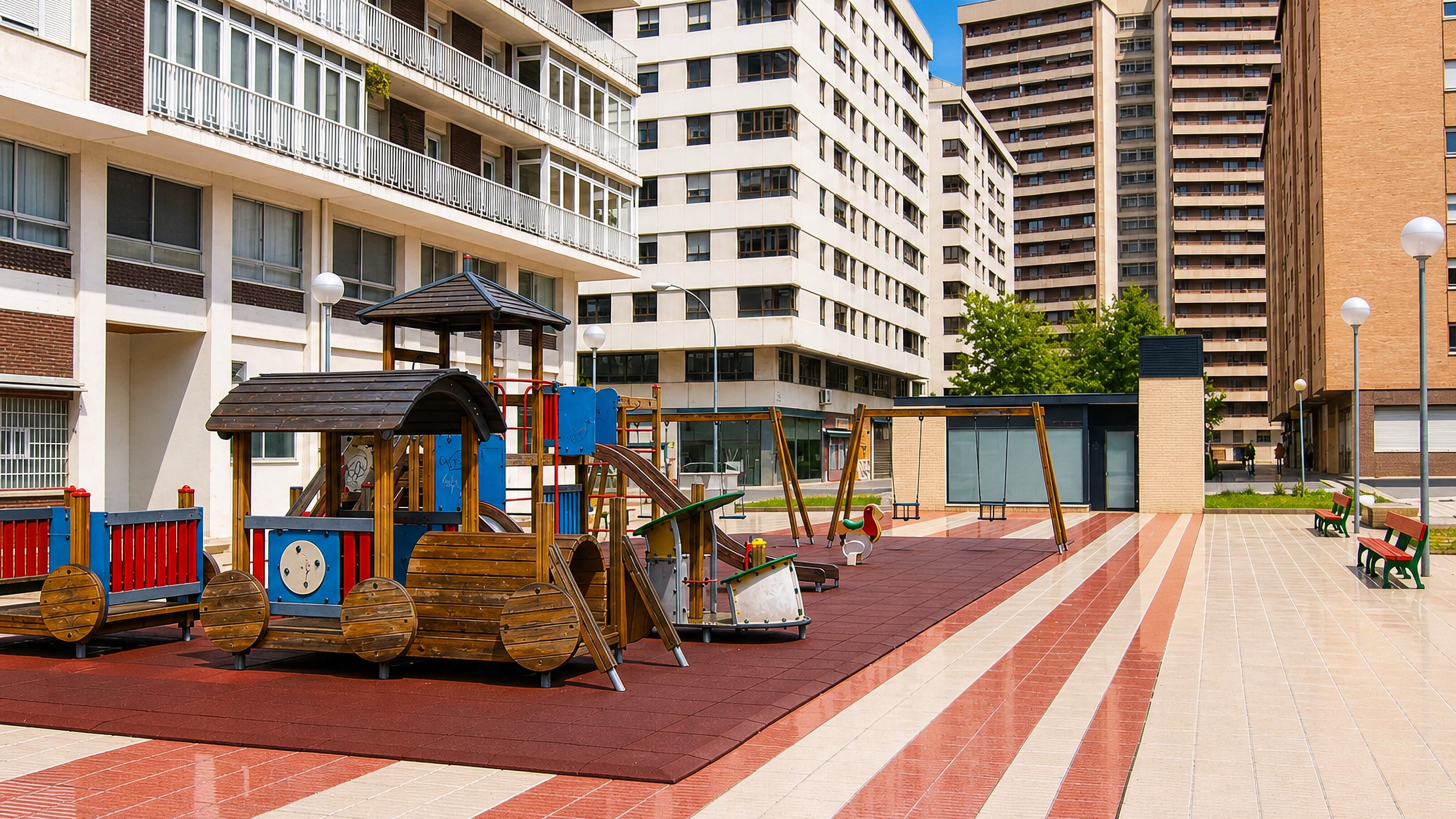
This is one of the tallest quarters in Pamplona. Blocks here run to fifteen storeys, which is unusual for the city and gives the barrio a considerable density, and the centre is a short walk north past the Citadel. Three streets set the grid.
Iturrama, Serafín Olave and Sancho el Fuerte run across it, the last on the line of the old railway, with Esquíroz, Íñigo Arista and Fuente del Hierro crossing them. The University of Navarra campus fills the southern end.
Things to do in and around Pamplona
Ranked by global recognition; descriptions from Wikidata (CC0).
Museums & Galleries
2- University Museum of Navarra
- Museo Pablo Sarasate
Churches & Religious Sites
7- Church of San Cernín, Pamplona Heritage
- San Nicolás Heritage
- Church of San Lorenzo, Pamplona Heritage
- Capilla del Hospital de Navarra Heritage
- Church of La Milagrosa (PP Paúles), Pamplona Heritage
Show 2 more →
- Basilica of San Ignacio de Loyola, Pamplona Heritage
- Church of San Ignacio, Pamplona Heritage
Castles & Historic Sites
4- Citadel of Pamplona Heritage
- Palacio Condestable de Pamplona Heritage
- Convento de las Agustinas Heritage
- Cámara de Comptos de Navarra Heritage
worth knowingacross 3 categories in and around Pamplona
About Iturrama
What are the main landmarks in Iturrama?
The Citadel of Pamplona closes the barrio to the north. It is the reason Iturrama stayed empty so long, because the military forbade building near the walls and in ground of military interest. A railway ran along the other side.
The Plazaola line to San Sebastián separated the area from the city, and the Sancho el Fuerte follows its course now. The university spreads over both banks of the Sadar. Its campus takes in the rectorate offices and the library, and the barrio also reaches the rural ground of Donapea south of the river.
Seven schools serve the quarter, two of them teaching in Basque.
What is the history of Iturrama?
The name appears in writing in 1556. It was applied to the land between the vuelta del Castillo, the road to Esquiroz, the Soto del Sadar and the avenida Pío XII, and it comes from Basque, iturri for fountain and ama for mother. Two hamlets stood here before the 1960s.
Iturrama Viejo and Iturrama Nuevo were groups of detached houses of one or two storeys, half urban in character, the second lying between Pío XII, the Urdax monastery and Sancho el Fuerte. Military rule kept the ground open. Building outside the walls was restricted, especially near the ramparts, and only when those rules went could the successive Ensanches be laid out.
Construction began between 1960 and 1970. Iturrama and San Juan together form the third Ensanche of Pamplona, and the last of the old houses came down on 14 January 2009 to make room for two hundred and sixty dwellings.
Where is Iturrama?
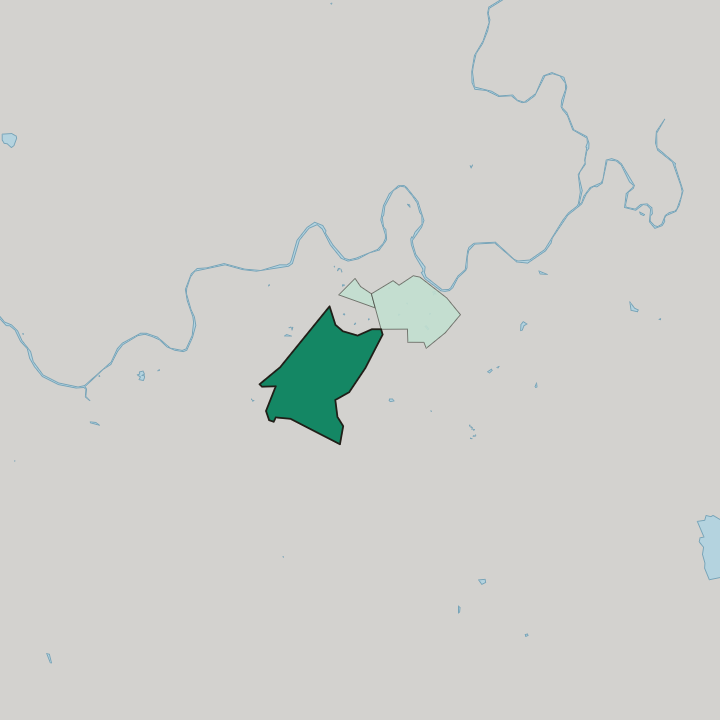
Iturrama lies just south of the Citadel of Pamplona, bordering Abejeras and Atariandía to the east and Irunlarrea and San Juan to the west, and reaching south of the river Sadar to the University of Navarra.
Good for
More areas in Pamplona
Updated October 2026