Spain · Principality of Asturias
Where to Stay in Avilés, Principality of Asturias
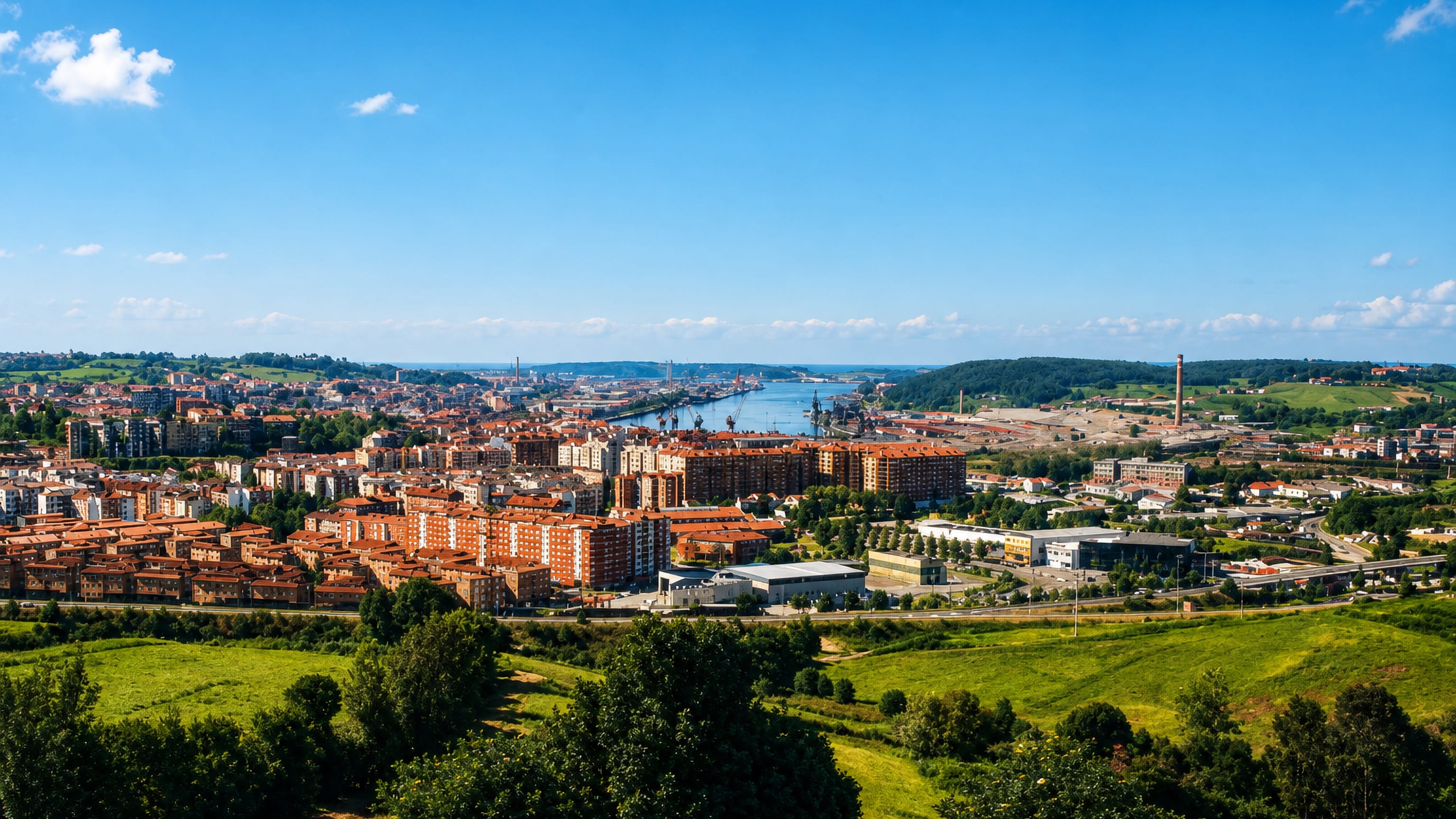
Avilés is a post-industrial city in Asturias, in northwest Spain, best known for the Oscar Niemeyer International Cultural Centre.
Hotel links are affiliate links: booking through them may earn us a commission, at no extra cost to you. It never affects how places are ranked. How this works


Where to stay in Avilés
Where visitors usually base themselves, and why.
Most first stays land in the old streets. Beds among the streets around Iglesia de San Nicolás and the Iglesia de Santo Tomás de Cantorbery put Los Alas Chapel, the Maqua Palace and the Museum of Avilés Urban History inside a walk of a few minutes, which is the shape most visits to Avilés take. Avilés hardly sprawls.
The municipality covers little ground, so almost nothing inside it is genuinely inconvenient from a room in the old streets. The Oscar Niemeyer International Cultural Centre pulls the other way. Rooms on that side face the newer half of the city, and they suit a visit built around performances and exhibitions rather than around the medieval churches, without putting the old streets out of reach.
A third option exists. The Centro de Interpretación del Cementerio de La Carriona and the Alfercam Museum sit away from both centres, and a bed near them trades immediacy for quiet, with the Iglesia de San Francisco between them and the old town. Nothing is truly cut off.
Castillo de Gauzón lies outside the built city altogether, so the only real question is whether a visitor wants the churches at the door or the Niemeyer complex that carries the city's cultural programme.
Find hotels in Avilés
Direct booking searches for these neighbourhoods.
The old town
The medieval streets hold Iglesia de San Nicolás, the Iglesia de Santo Tomás de Cantorbery and the Maqua Palace within a few minutes of one another.Find hotels in The old townVisits built around the Niemeyer programme rather than the medieval churchesBy the Oscar Niemeyer International Cultural Centre
This side of Avilés belongs to the cultural centre and faces the newer half of the city instead of the old parish streets.Find hotels in By the Oscar Niemeyer International Cultural CentreQuiet away from both centres, beside the Alfercam MuseumToward La Carriona
The Centro de Interpretación del Cementerio de La Carriona and the Alfercam Museum stand apart from the old town, with the Iglesia de San Francisco on the way back in. Few places to stay nearby — book ahead.Find hotels in Toward La CarrionaHotel links are affiliate links: booking through them may earn us a commission, at no extra cost to you. It never affects how places are ranked. How this works
Things to do in Avilés
Ranked by global recognition; descriptions from Wikidata (CC0).
Museums & Galleries
3- Oscar Niemeyer International Cultural Centre
- Museum of Avilés Urban History
- Alfercam Museum
Churches & Religious Sites
3- Iglesia de Santo Tomás de Cantorbery Heritage
- Los Alas Chapel Heritage
- Iglesia de San Francisco
Castles & Historic Sites
2- Maqua Palace Heritage
- Castillo de Gauzón
worth knowingacross 3 categories in Avilés
About Avilés
Niemeyer changed the skyline.
What is Avilés known for?
The Oscar Niemeyer International Cultural Centre is what a post-industrial city in Asturias is best known for, and it stands as a deliberate answer to the work that gave Avilés its earlier reputation. The old town survived it. Iglesia de San Nicolás, the Iglesia de Santo Tomás de Cantorbery and Los Alas Chapel hold streets that predate the industrial era entirely, and the Museum of Avilés Urban History sets out how the two halves fit together.
What are the main landmarks in Avilés?
One building overshadows the rest. The Oscar Niemeyer International Cultural Centre is the name Avilés carries, while Iglesia de San Nicolás, the Iglesia de Santo Tomás de Cantorbery and the Iglesia de San Francisco keep the older ecclesiastical order and Los Alas Chapel adds a fourth to it. Stone and museums fill in.
The Maqua Palace stands for the secular city, the Castillo de Gauzón for its defended past, and the Museum of Avilés Urban History, the Alfercam Museum and the Centro de Interpretación del Cementerio de La Carriona each interpret a piece of it.
What is the history of Avilés?
The founding year of Avilés went unrecorded. What Avilés has instead is the Castillo de Gauzón, a fortification that puts organised defence on this ground long before the town acquired the churches that hold its centre. Then came the parishes.
Iglesia de San Nicolás, the Iglesia de Santo Tomás de Cantorbery and the Iglesia de San Francisco date the medieval and later town, and Los Alas Chapel and the Maqua Palace show what its families were building alongside them. Industrial work overwrote all of that. Avilés became a working city, and the post-industrial label that has stuck to it since records both the arrival of that work and its retreat, a change the Museum of Avilés Urban History exists to explain.
Then came Niemeyer. The Oscar Niemeyer International Cultural Centre gave the city a second identity after the industrial period, and it is part of why a town of this size in the Principality of Asturias is named alongside Oviedo and Gijón. Burial ground is interpreted too.
The Centro de Interpretación del Cementerio de La Carriona and the Alfercam Museum complete the set, so the account runs from the Castillo de Gauzón through the churches and the works to the Niemeyer centre without a gap.
Where is Avilés?
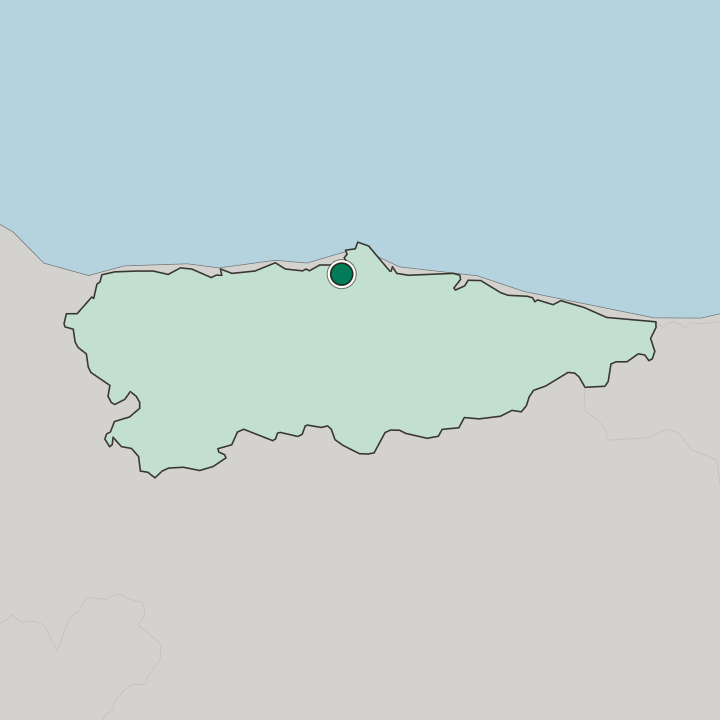
Avilés covers about 27 square kilometres. That is a small municipality by the standards of the Principality of Asturias, and it means the walk from the Iglesia de San Nicolás to the Oscar Niemeyer International Cultural Centre stays within one city rather than crossing open ground. Neighbours are close.
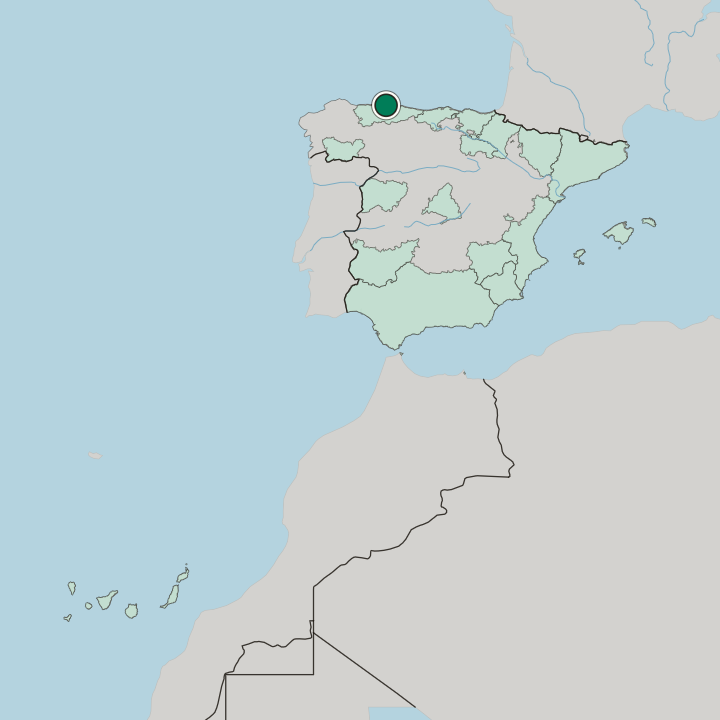
Oviedo and Gijón are the other main cities of the region, and Avilés belongs with them in northwest Spain, with the Castillo de Gauzón standing outside the built area.
What is the climate of Avilés?
Avilés keeps to the temperate band. A northern-hemisphere position inside that band gives the year a warm half and a cool one, and the Principality of Asturias shares that rhythm with the rest of northwest Spain, Oviedo and Gijón included. Neither half is severe.
The Oscar Niemeyer International Cultural Centre and the Iglesia de San Nicolás stand through the same seasons, and the Castillo de Gauzón has taken them on open ground for far longer.
How do you get to Avilés?
Oviedo and Gijón are the neighbours. An approach to Avilés comes through the Principality of Asturias from one of them, since the three are the main cities of the region and the roads between them carry most of what moves across it. What you find is a walkable core.
Once inside, the Oscar Niemeyer International Cultural Centre marks one end and the Iglesia de San Nicolás the other, with the Museum of Avilés Urban History and the Maqua Palace in the streets between.
Common questions
What is the best area to stay in Avilés?
The old town: Days that start at Iglesia de San Nicolás and Los Alas Chapel. By the Oscar Niemeyer International Cultural Centre: Visits built around the Niemeyer programme rather than the medieval churches. Toward La Carriona: Quiet away from both centres, beside the Alfercam Museum.
Good for
More cities in Principality of Asturias
Updated October 2026