Spain · Principality of Asturias
Where to Stay in Gijón, Principality of Asturias
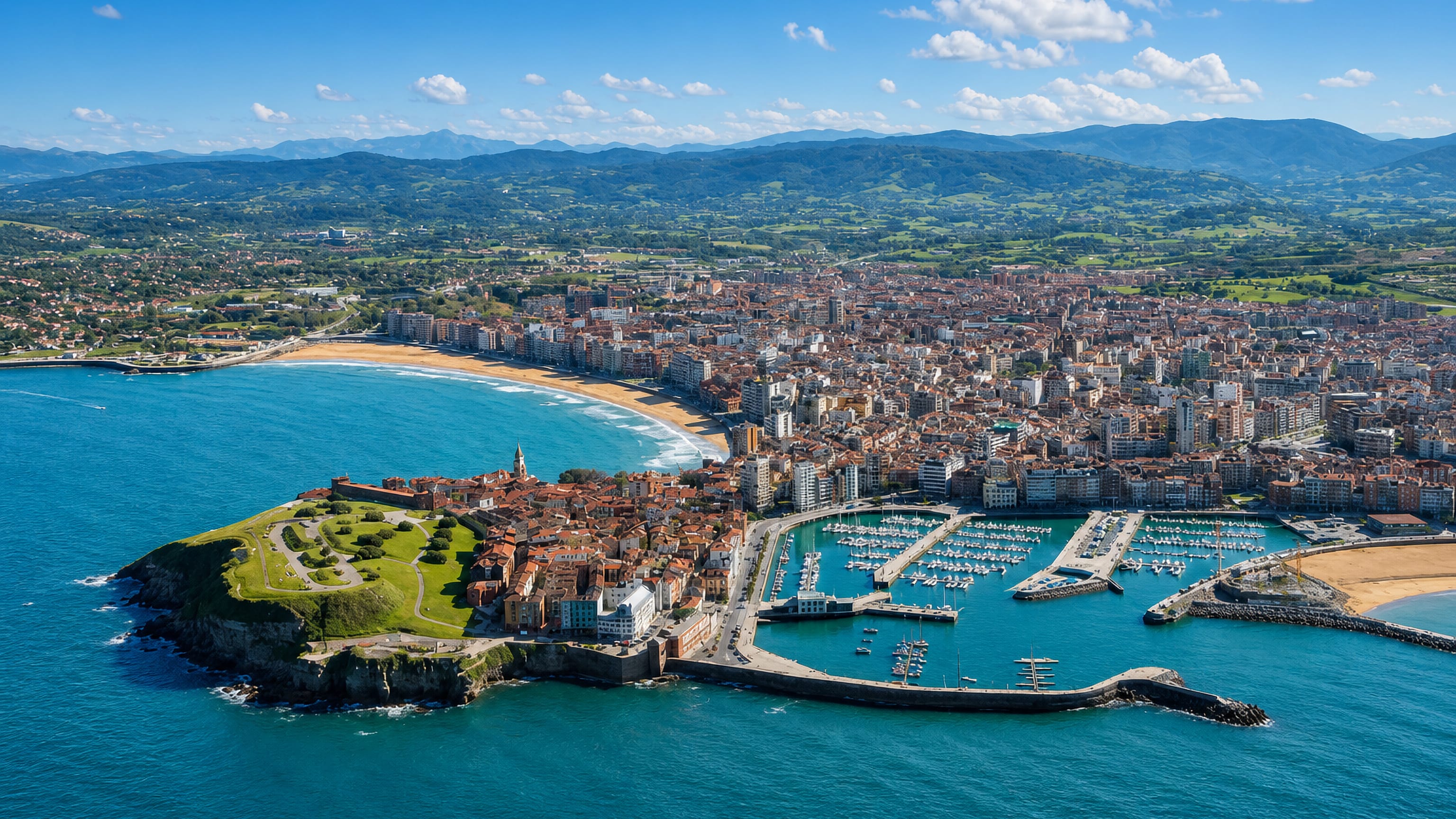
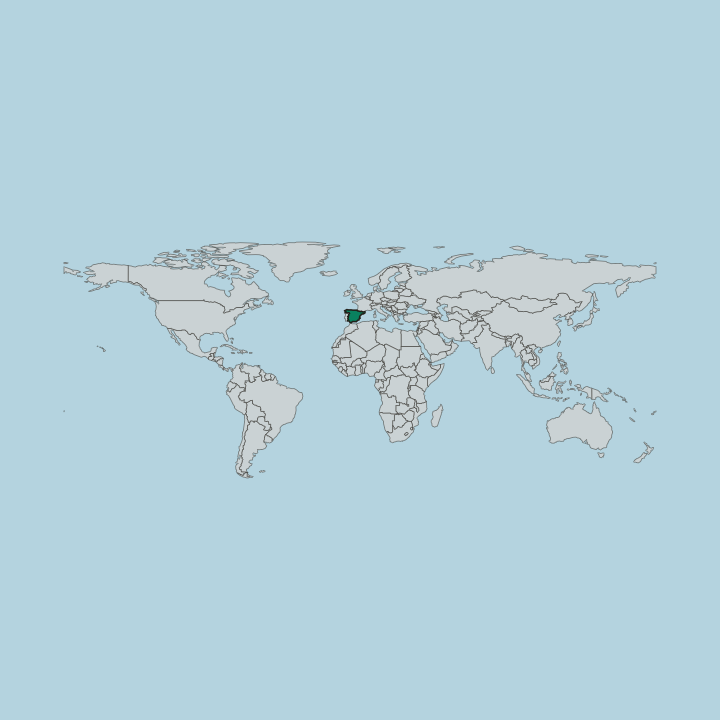
Gijón, or Xixón, is the largest city of Asturias: a working port on the north coast of Spain, with a Roman layer at Cimadevilla.
Hotel links are affiliate links: booking through them may earn us a commission, at no extra cost to you. It never affects how places are ranked. How this works


Where to stay in Gijón
Where the beds are, and what that means for the visit.
Cimadevilla is the oldest ground, and the choice between it and the flatter streets inland decides most of what a stay in Gijón feels like. The old quarter holds the Roman thermae in Campo Valdés, the San Pedro church and Pelayo's Monument within a few minutes of each other. The two parts feel different.
Inland, the grid around the Iglesia de Nuestra Señora de Begoña and the Revillagigedo Palace carries the larger buildings, the museums and the everyday shopping streets of the city. Distance between them is short, so moving from one to the other is ordinary rather than a project, which keeps the decision a question of mood. Las Mestas lies apart from both.
The Hipódromo de Las Mestas and the Asturias Railway Museum anchor that side, which suits drivers and anyone who would rather trade a central address for room and quiet. Beds are unevenly spread. Cimadevilla keeps fewer of them, so a stay in the old quarter takes more planning than one booked between the Museo Jovellanos and the Aquarium of Gijón.
Families weigh the aquarium; visitors on a museum errand weigh the Nicanor Piñole Museum and the Juan Barjola Museum of Painting, both of them inland from the water.
Find hotels in Gijón
Direct booking searches for these neighbourhoods.
Cimadevilla
The old quarter puts the Campo Valdés baths, the San Pedro church and Pelayo's Monument within minutes of each other, though beds there are fewer than in the grid inland. Lodging is scarce in this area; reserve in advance.Find hotels in CimadevillaCentral nights around the Iglesia de Nuestra Señora de Begoña and the Revillagigedo PalaceBegoña
The inland grid carries the Revillagigedo Palace, the Museo Jovellanos and the shopping streets, which makes it the easiest base for a first stay in Gijón.Find hotels in BegoñaDrivers heading for the Hipódromo de Las Mestas and the Asturias Railway MuseumLas Mestas
This side of Gijón trades a central address for room, with the Hipódromo de Las Mestas and the Asturias Railway Museum as its anchors. Beds are limited here, so book early.Find hotels in Las MestasHotel links are affiliate links: booking through them may earn us a commission, at no extra cost to you. It never affects how places are ranked. How this works
Things to do in Gijón
Ranked by global recognition; descriptions from Wikidata (CC0).
Museums & Galleries
3- Museo Jovellanos Heritage
- International Bagpipe Museum Heritage
- Museum of the Asturian People
Churches & Religious Sites
3- San Pedro church, Gijón
- Church of San Lorenzo in Gijón
- Iglesia de Nuestra Señora de Begoña
Castles & Historic Sites
3- Revillagigedo Palace Heritage
- Jove Huergo palace Heritage
- Archaeological site of Cimadevilla Heritage
Stadiums & Sports
3- Escuela de Fútbol de Mareo
- Hipódromo de Las Mestas
- Pabellón de Deportes La Tejerona
Landmarks & Notable Places
1- Casa Paquet
worth knowingacross 5 categories in Gijón
About Gijón
What is Gijón known for?
The International Bagpipe Museum keeps Asturian piping on show, while the Museum of the Asturian People gathers the dress, tools and household craft of the region into a run of relocated buildings. Painting has two addresses. The Juan Barjola Museum of Painting and the Nicanor Piñole Museum each turn on a single artist, and the Aquarium of Gijón and the Asturias Railway Museum widen the range for families and for enthusiasts.
Football has its own campus at the Escuela de Fútbol de Mareo, and horses run at the Hipódromo de Las Mestas.
What are the main landmarks in Gijón?
The Roman thermae in Campo Valdés and the archaeological site of Cimadevilla hold the earliest recorded layer of the city. Pelayo's Monument marks a later commemoration. The Revillagigedo Palace, the Church of San Lorenzo in Gijón and the Iglesia de Nuestra Señora de Begoña carry the civic and religious building of the centuries after, while Casa Paquet and the Jove Huergo palace join them on the protected register.
The San Pedro church and the Espacio etnográfico Ciudadela de Celestino Solar round out the older core.
What is the history of Gijón?
Gijón was never handed a founding year. What survives instead is fabric: the Roman thermae in Campo Valdés and the archaeological site of Cimadevilla place an occupied settlement here long before any charter would have been written. The record starts there.
Pelayo's Monument is the commemorative piece the city keeps in the open, and the Principality of Asturias supplies the frame in which Gijón counts as the largest city. Later centuries left palaces. The Revillagigedo Palace and the Jove Huergo palace stand for the propertied families of the town, and Casa Paquet adds a further protected address to the same register of building.
Labour has its own memorial in the Espacio etnográfico Ciudadela de Celestino Solar, a courtyard of workers' housing kept as an ethnographic space rather than cleared. Museums followed. The Museo Jovellanos, the Nicanor Piñole Museum and the Juan Barjola Museum of Painting each carry a name rather than a theme, and the Museum of the Asturian People and the International Bagpipe Museum record regional custom and music instead.
Where is Gijón?
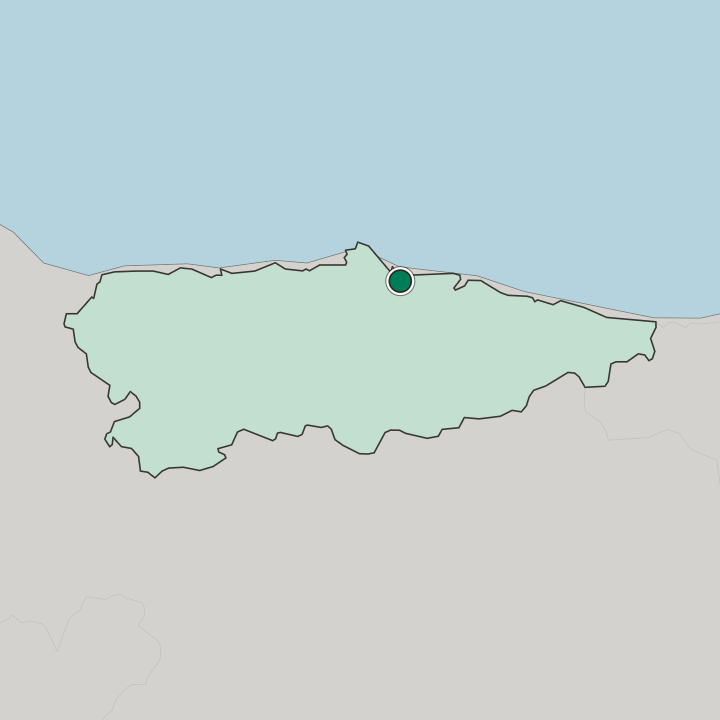
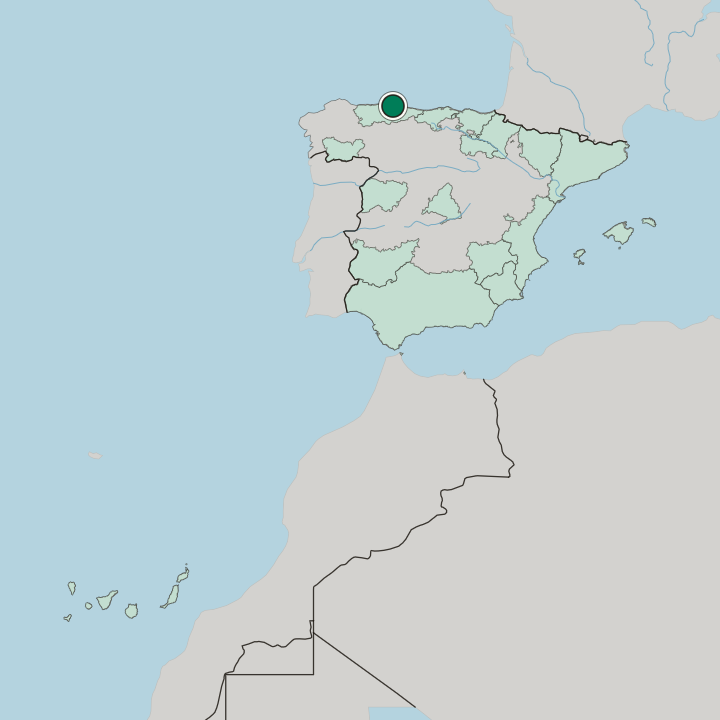
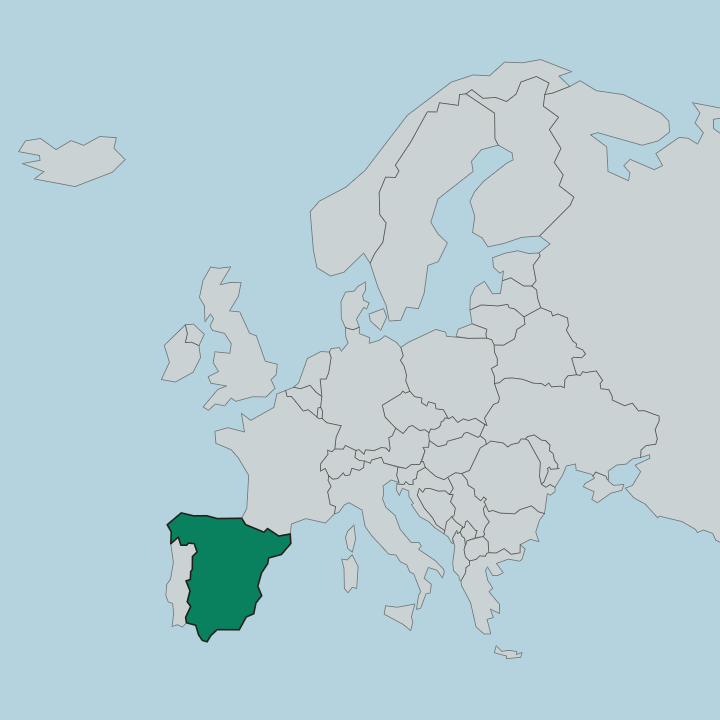
The municipality covers about 184 square kilometres of the Asturian coast in northwestern Spain, with the built-up city gathered at the water and the rest of the ground running inland. Cimadevilla marks the seaward end. The Principality of Asturias supplies the wider setting: a temperate stretch of the north coast, with the port and open water on one side of Gijón and Asturian country on the other.
What is the climate of Gijón?
A temperate position on the north coast of Spain narrows the gap between the warm and the cool halves of the year, and the water keeps the extremes of the Spanish interior at a distance. Asturias sits in that band. Balance of this kind shapes the visiting year: the Hipódromo de Las Mestas, the harbour front and the lanes of Cimadevilla stay in use across the seasons rather than crowding into one of them.
How do you get to Gijón?
Sea and road both serve the city. Gijón has worked as a port through its recorded life, and the docks still explain the line of the front, from Cimadevilla along the water. Overland, the city sits on the Asturian coast inside the Principality of Asturias, and journeys within the region commonly end here rather than passing through, which makes it the practical base for the coast.
The Asturias Railway Museum keeps that history visible.
Common questions
What is the best area to stay in Gijón?
Cimadevilla: Stays built around the Roman thermae in Campo Valdés and Pelayo's Monument. Begoña: Central nights around the Iglesia de Nuestra Señora de Begoña and the Revillagigedo Palace. Las Mestas: Drivers heading for the Hipódromo de Las Mestas and the Asturias Railway Museum.
Good for
More cities in Principality of Asturias
Updated October 2026