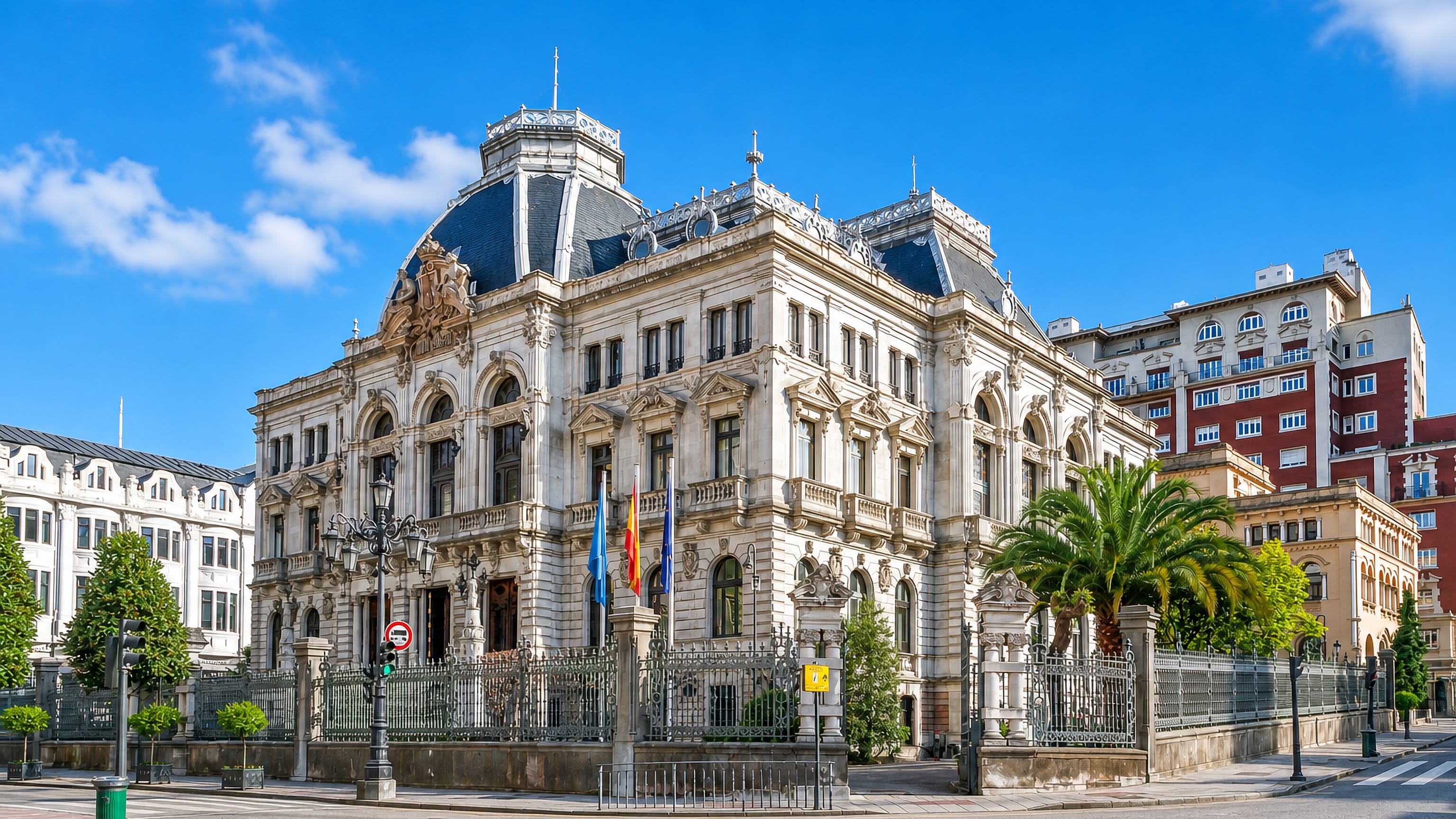
Spain
Principality of Asturias, Spain — Towns & Travel Guide
Asturias is a green, mountainous region on the north coast of Spain, wedged between the Cantabrian Mountains and the sea.
Hotel links are affiliate links: booking through them may earn us a commission, at no extra cost to you. It never affects how places are ranked. How this works


Towns & cities in Principality of Asturias
Pick a town or city — each links to where to stay.

 Spain
Spain
Gijón
Gijón, or Xixón, is the largest city of Asturias: a working port on the north coast of Spain, with a Roman layer at Cimadevilla.Where to stay →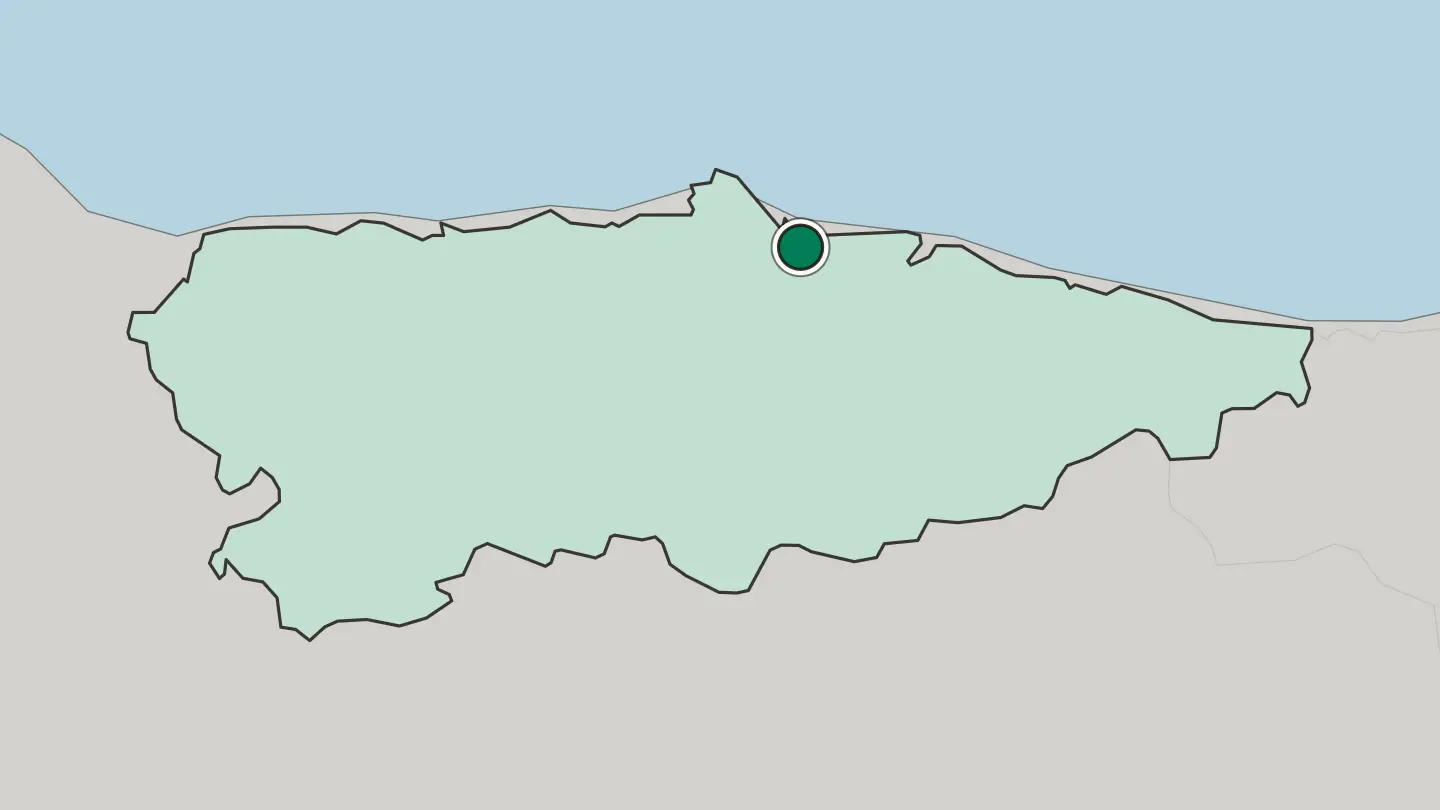
 Spain
Spain
Oviedo
Pre-Romanesque stone stands on Monte Naranco above Oviedo, Asturian capital known for its cathedral and the cider houses of Calle Gascona.Where to stay →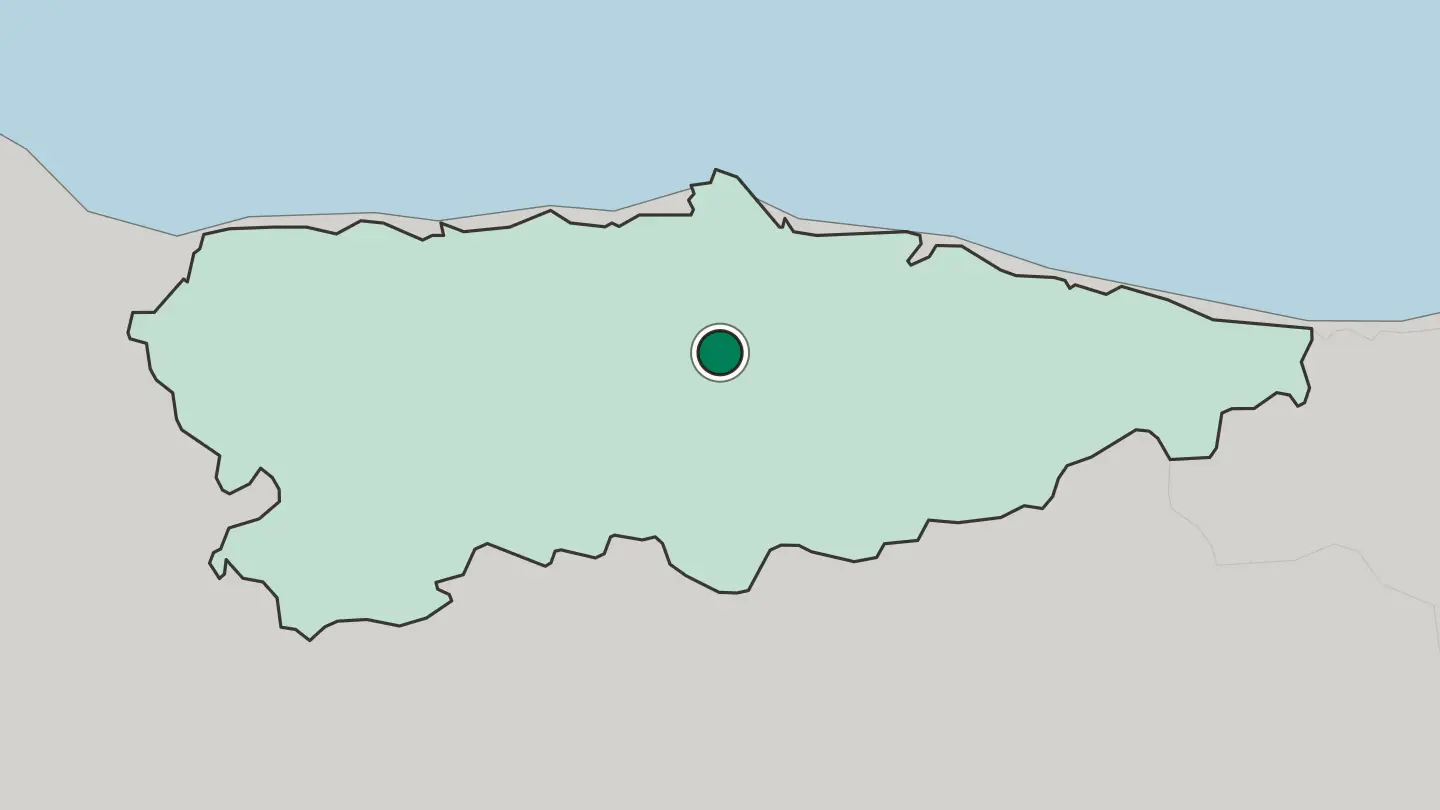
 Spain
Spain
Avilés
Avilés is a post-industrial city in Asturias, in northwest Spain, best known for the Oscar Niemeyer International Cultural Centre.Where to stay →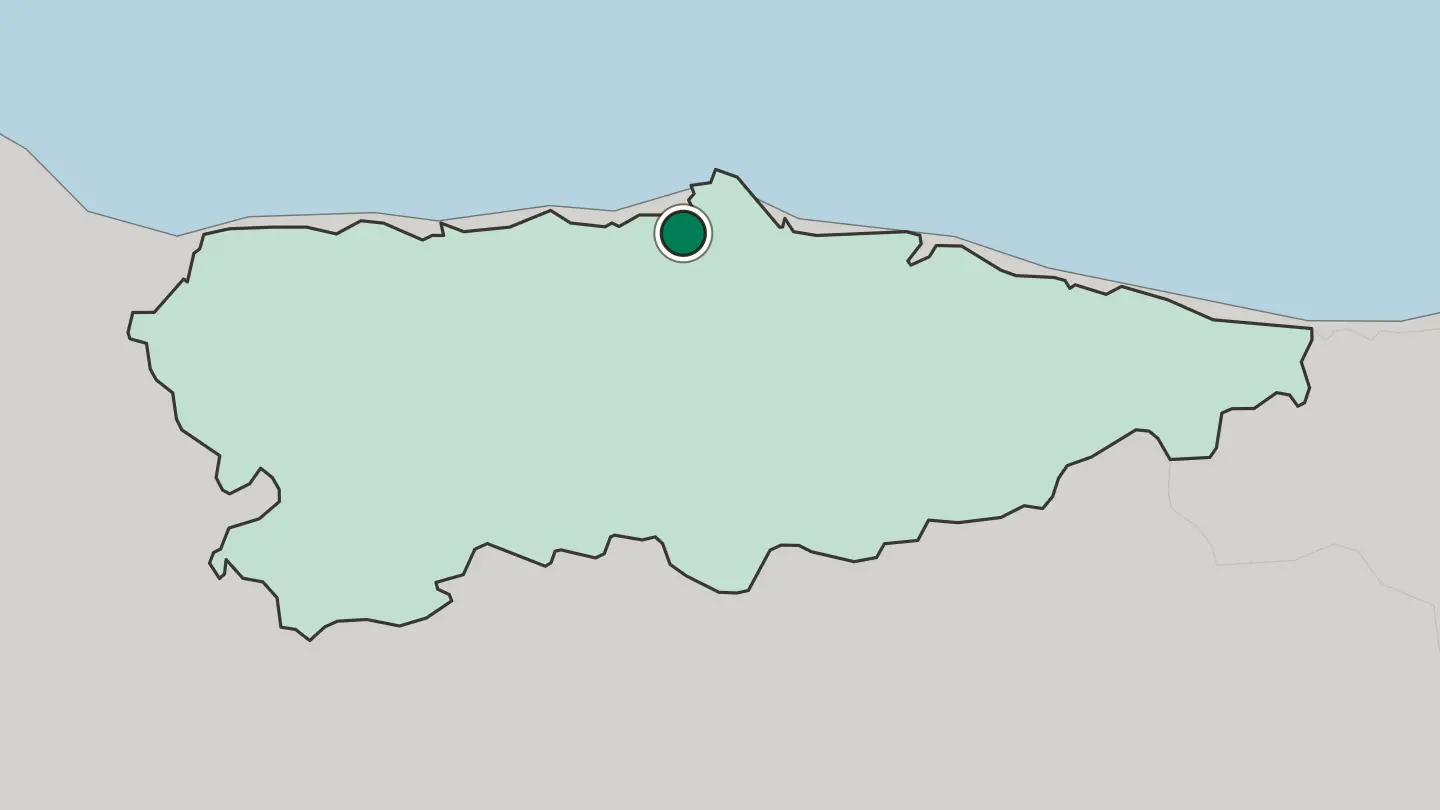
Hotel links are affiliate links: booking through them may earn us a commission, at no extra cost to you. It never affects how places are ranked. How this works
About Principality of Asturias
Asturias is the cradle of Christian Spain.
What is Principality of Asturias known for?
Pelayo's victory at Covadonga in 722 turned this corner of the north into the first kingdom to push back against Muslim rule, and the Reconquista is dated from that fight in the hills. Oviedo grew up as its capital and keeps pre-Romanesque churches from those early kings. Cider defines the table.
Growers press apples into a still, tart sidra that waiters pour from overhead to aerate it, and the ritual is as Asturian as the Picos de Europa peaks that rise inland.
Where is Principality of Asturias?
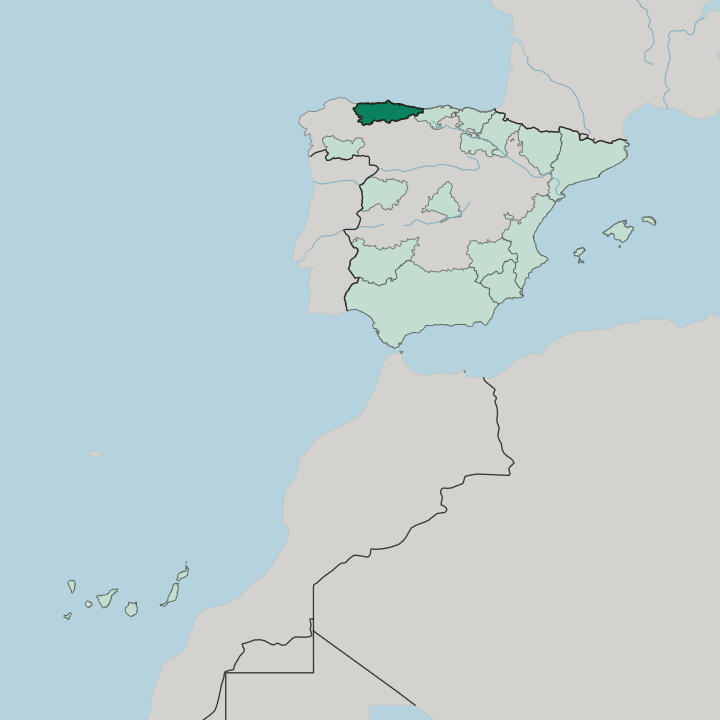
Asturias fills a narrow band of northwest Spain between the mountains and the sea. The Cantabrian Mountains wall it off along the south, a limestone barrier that separates the region from the meseta of central Spain and gives Asturias its own weather and its own long isolation. Rock rules here.
More than four-fifths of the land is upland, rising in the east to the Picos de Europa, whose grey pinnacles top out above the tree line at Torrecerredo. The northern edge is all sea. The Cantabrian Sea, the Spanish reach of the Bay of Biscay, breaks against cliffs and small beaches the whole length of the coast, a shore green enough to be called the Costa Verde.
Rivers cut down from the mountains to reach it. The Nalón is the longest, draining the central coalfield, while the Sella runs out of the Picos past Cangas de Onís and Ribadesella to the Atlantic. Galicia lies west, Cantabria east, and the province of León over the mountain crest to the south.
Everything about the place is set by that squeeze between range and water.
What is Principality of Asturias like?
Asturians hold hard to what sets them apart from the rest of Spain. Much of that identity runs through the apple. Cider is the everyday drink, poured in the escanciado style with the bottle raised overhead and the stream splashing into a wide glass to wake up the flavour, and the cider houses of Oviedo and Gijón fill on weekend nights with people doing exactly that.
The green mountains breed a hearty kitchen. Fabada, a slow bean stew heavy with pork, and Cabrales, a sharp blue cheese ripened in caves near the Picos de Europa, both come off this cold, wet land. The old tongue survives too.
Asturian, an Iberian Romance language closer to medieval Leonese than to Castilian, is still spoken and signposted across the region, kept alive in villages and in place names. Bagpipes carry the sound of it. The gaita, a bagpipe cousin to the Galician and the Scottish, leads the fiestas, and its Celtic-flavoured music marks Asturias as part of Spain's damp Atlantic north rather than its dry Mediterranean south.
Pride in the place is the through-line, from the flag's cross of Pelayo to the plate of fabada.
What is the history of Principality of Asturias?
The Kingdom of Asturias was founded around 718, when the nobleman Pelayo rallied the survivors of the Visigothic collapse in these mountains. His stand at Covadonga a few years later held off an Umayyad column and gave the young kingdom room to grow. The frontier held.
From that base the Christian push south went on for centuries, and when the crown later moved to León the Reconquista rolled on without Asturias at its head. The region became a princely title rather than a state, and the heir to the Spanish throne is still styled Prince or Princess of Asturias to this day.
What is the climate of Principality of Asturias?
Asturias is wet. The Cantabrian Mountains trap Atlantic weather against the coast, so rain falls through every season and keeps the hills the deep green that earns the Costa Verde its name. Summers on the Cantabrian Sea stay mild rather than hot, tempered by the water, while winters are cool at sea level and turn snowy up in the Picos de Europa.
The mountains catch the heaviest downpours, feeding rivers like the Nalón year-round. Bright, settled spells come, but grey and damp is the default.
How do you get to Principality of Asturias?
Flights land on the coast. Asturias Airport sits near Avilés, between Gijón and the mouth of the Nalón, and links the region to Madrid and a scatter of European cities. By land, the mountains make the approach slow, and the main road and rail lines from central Spain climb over or tunnel through the Cantabrian Mountains to reach Oviedo.
Ferries and trains also run along the north coast from Cantabria and Galicia. Inside the region, a car is the way to reach the mountain valleys and the smaller beaches.
Good for
More regions in Spain
Updated September 2026