Finland · Kanta-Häme
Where to Stay in Forssa, Kanta-Häme
Forssa is a former textile town of Kanta-Häme in southern Finland, set where the Loimijoki begins.
Find your area →


Where to stay in Forssa
The right area depends on your trip — here's what each neighbourhood is best for.
Forssa carries a modest stock of beds for a small industrial town of southern Finland, with a hotel or two, a guesthouse, and roadside lodgings near the centre and the through-roads. The town centre around the Forssan kirkko and the Forssan museo suits visitors who want the mill-town heart, with the shops, the old factory quarter, and the Loimijoki within an easy walk. The mill-town heart is the natural base.
Rooms can be tight on event days. Out across the wider municipality of Kanta-Häme, cottages and cabins stand by the lakes of Kaukjärvi and Koijärvi and the farmland toward Tammela, a fine base for cycling, fishing, and quiet country days. Beds thin past the town edge.
Travellers crossing between the larger cities of southern Finland often break the journey here, since Forssa sits near the meeting of the main highways. Book ahead in the summer season, when the centre's rooms fill early.
Things to do in Forssa
Ranked by global recognition; descriptions from Wikidata (CC0).
Museums & Galleries
3- Forssan museo
- Forssan luontomuseo
- Ronttismäen tehtaalaismuseo
Churches & Religious Sites
3- Forssan kirkko Heritage
- Forssan helluntaiseurakunta
- Forssan vapaaseurakunta
Castles & Historic Sites
1- Salmistonmäki prehistoric archaeological site
worth knowingacross 3 categories in Forssa
About Forssa
What is Forssa known for?
Forssa is known as an old mill town of the Kanta-Häme region, a place that grew up around textile works on the Loimijoki in southern Finland and still carries the look of an industrial town. The river runs through the cityscape. The Forssan museo and the Ronttismäen tehtaalaismuseo keep the story of the factory years and the workers who lived them, while the Forssan kirkko rises over the centre and the Forssan luontomuseo and the lakes of Koijärvi and Kaukjärvi draw those who come for the surrounding country.
What are the main landmarks in Forssa?
The Forssan museo is the keystone landmark of the town, telling the story of the textile works that built this mill town of Kanta-Häme. Industry left marks everywhere. The Ronttismäen tehtaalaismuseo preserves a workers' quarter from the factory years, the heritage-listed Forssan kirkko rises over the centre, and the Forssan luontomuseo gathers the natural history of the district, while the prehistoric site of Salmistonmäki carries the much older story of people living beside the Loimijoki in southern Finland.
What is the history of Forssa?
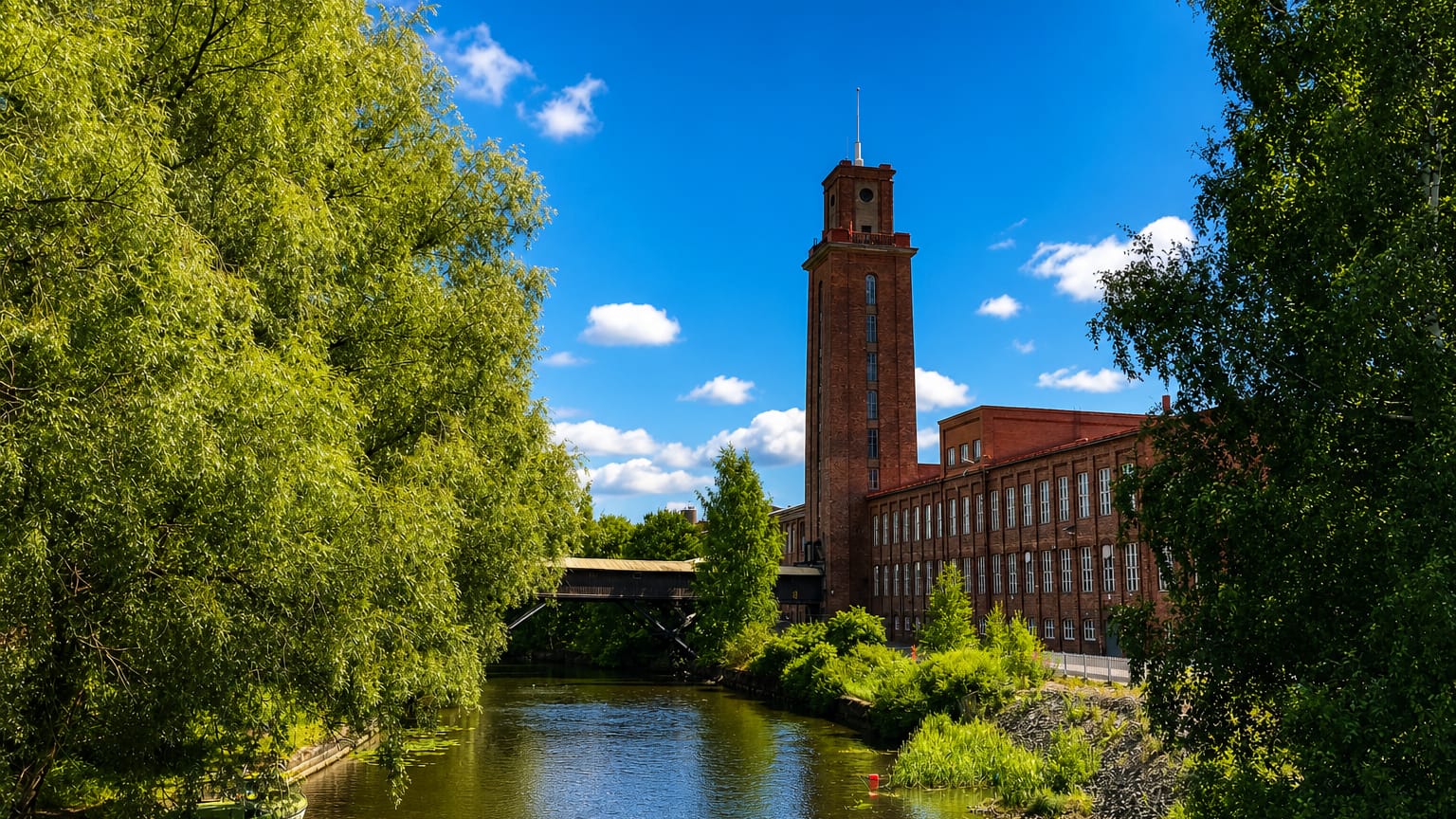
Forssa grew from a mill on a river. Textile works rose along the Loimijoki in the nineteenth century, drawing labour to the rapids and turning a stretch of Kanta-Häme farmland into one of the industrial centres of southern Finland, with a workers' quarter, a company town, and the brick mills that still mark the cityscape. The factory shaped everything.
Around the growing works the community gathered by the Forssan kirkko, and the long story of the mills and the people who ran them is kept now in the Forssan museo and the Ronttismäen tehtaalaismuseo. The town came late to its charter. Forssa was granted town rights in 1923, decades after the mills had made it a place of weight, and it went on to become the seat of its own sub-region in the heart of the southern triangle of Finnish cities.
Older roots run beneath it all, the prehistoric site of Salmistonmäki marking settlement by the Loimijoki long before the looms, while the lakes of Koijärvi and Kaukjärvi and the farmland toward Tammela frame the modern town of Kanta-Häme.
Where is Forssa?
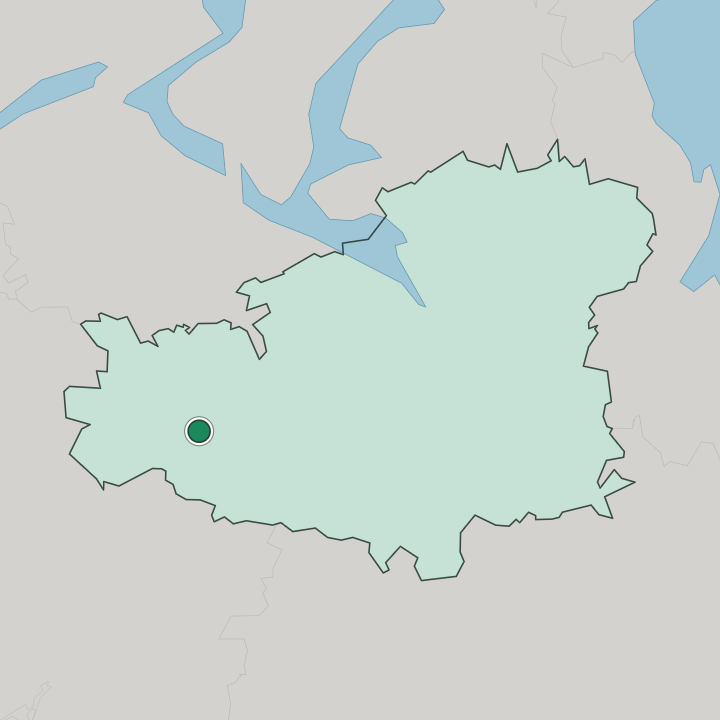
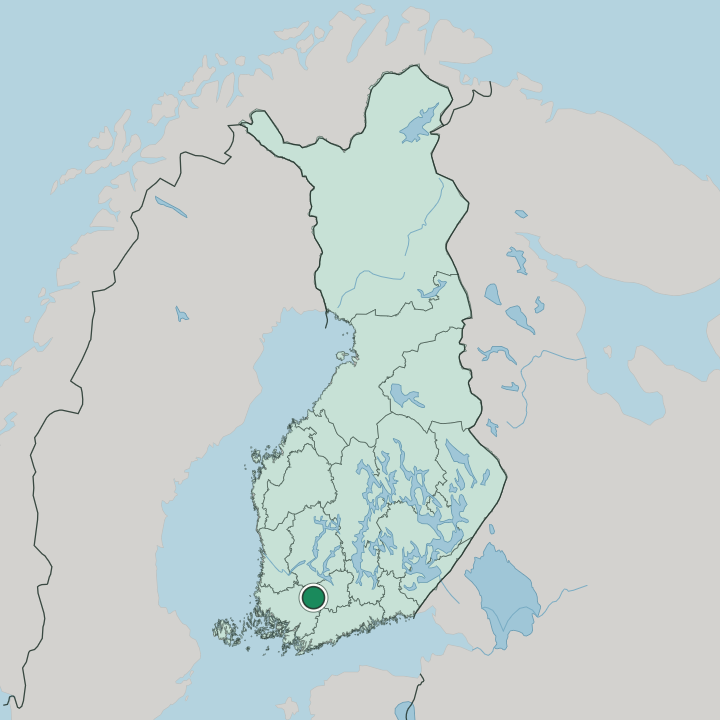
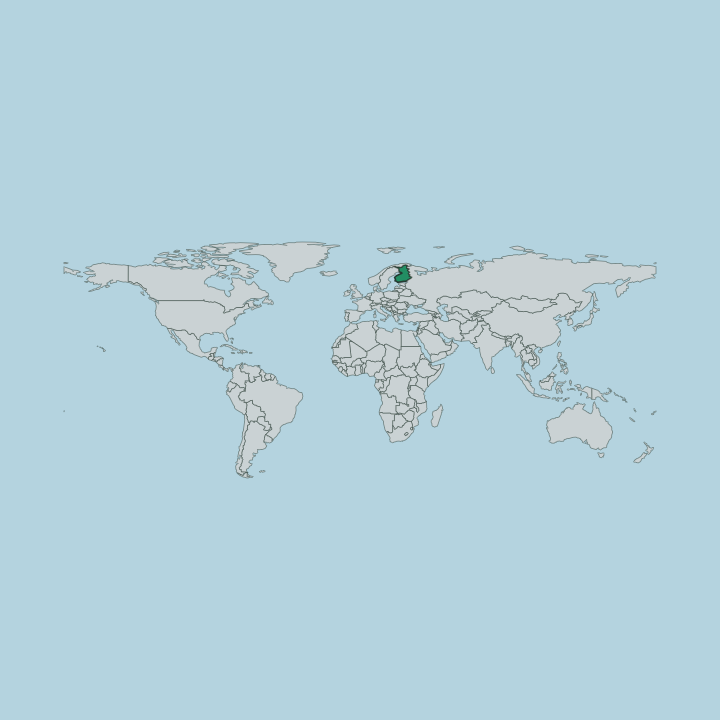
Forssa sits at the head of the Loimijoki, the river rising here and threading through the town as the central feature of the cityscape in southern Finland. The land lies low and green. Farmland, forest, and small lakes spread across this corner of Kanta-Häme, with the lakes of Kaukjärvi and Koijärvi set in the surrounding country and the neighbouring municipality of Tammela bordering it on the east.
Little of the surface is water. Yet the river gives the town its shape, the mills along its banks set the old plan of Forssa, and the broad farm country of the region runs out to every edge.
What is the climate of Forssa?
Forssa has a cool inland climate, milder than the far north yet firmly continental in this part of southern Finland. Winters settle in with snow and frost. Cold settles over the Loimijoki and the lakes of Kanta-Häme from late autumn, the river and the waters of Kaukjärvi freeze, and snow lies over the old mill town for much of the season.
Then the summer turns warm and long. The bright months thaw the river and the lakeshores, green the farm country around Forssa, and bring cyclists and anglers out across the southern landscape.
How do you get to Forssa?
Forssa lies near the meeting of two main highways in southern Finland, and the road is the way in. One trunk road runs between the western port and the capital, the other between the western city and the old castle town, and they cross close to Forssa in the heart of Kanta-Häme. Buses use these roads.
Coaches link the town to the larger cities of the southern triangle, the highways bring cars to the centre near the Forssan kirkko, and most travellers reach the mill town by road across the surrounding farm country.
Good for
More cities in Kanta-Häme
Updated September 2026