Finland · Kanta-Häme
Where to Stay in Loppi, Kanta-Häme
Loppi is a rural municipality in Kanta-Häme, southern Finland, strung along the old Hämeen Härkätie.
Find your area →


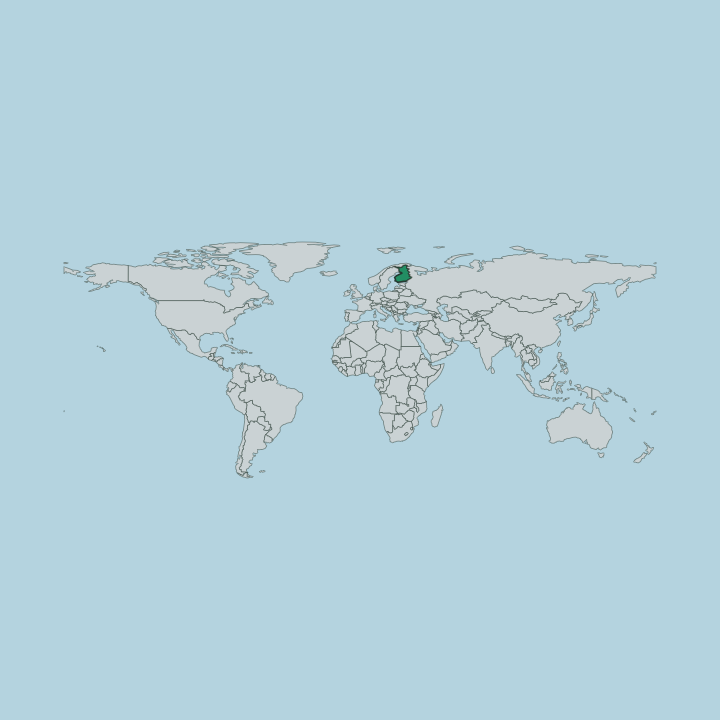
Where to stay in Loppi
Each area has its own feel; here's who each one suits.
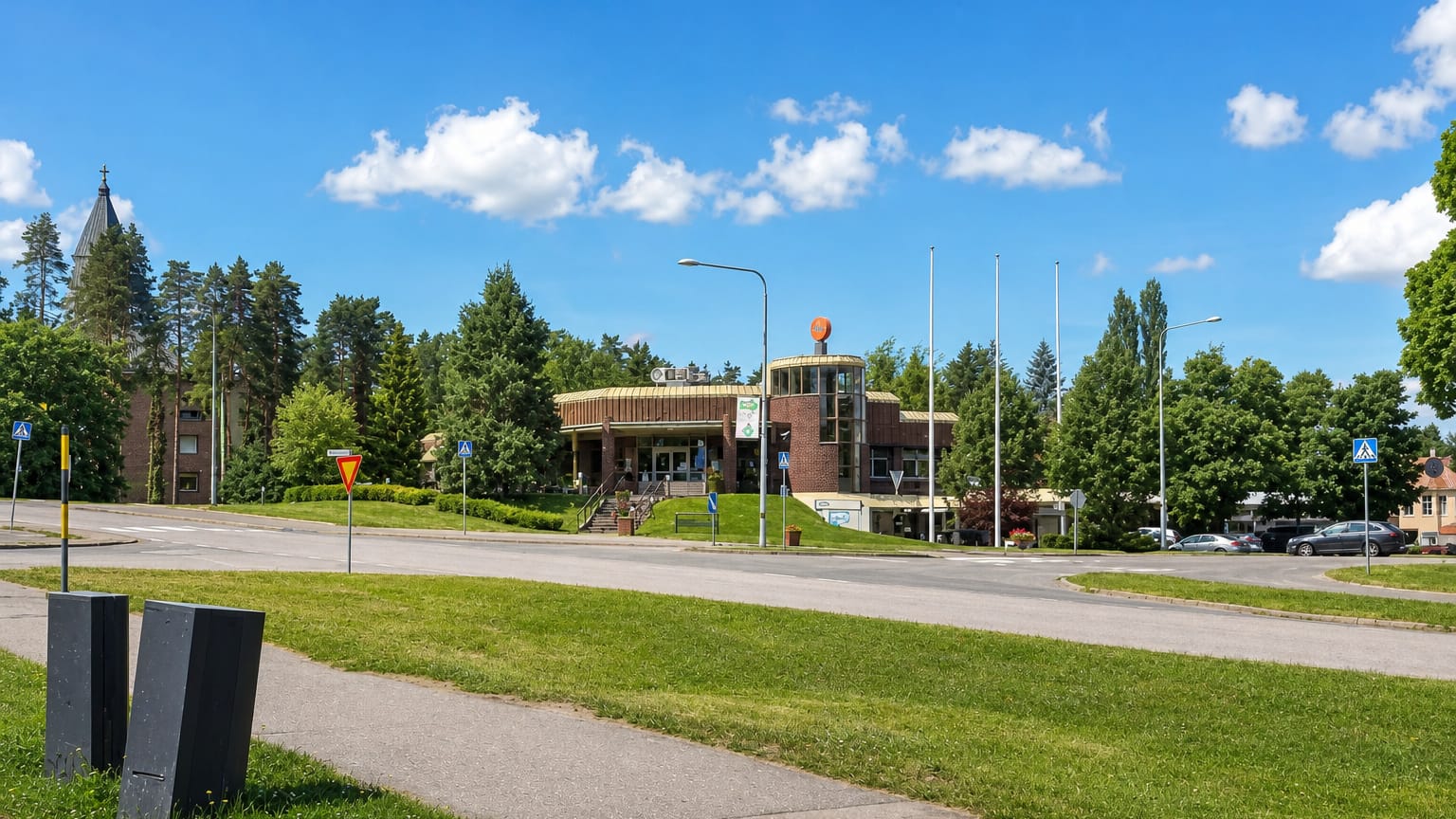
Loppi keeps a thin stock of beds for a rural municipality of Kanta-Häme, the kind of place where a small guesthouse, a farm room or a lakeside cottage is the usual stay. The church village around the Lopen kirkko suits visitors who want the shops and the museum at the Kotiseutumuseo Lukkarin puustelli within reach, near the old church hill of the Lopen vanha kirkonmäki. It makes the obvious place to stay.
Out across the forests and farmland on the line of the Hämeen Härkätie, cottages and cabins stand among the lakes and woods, near the Marskin Maja and the old ironworks of the Rautakosken ruukki, a good base for touring the countryside of southern Finland by car. Past the church village the rooms grow scarce. Visitors drawn to the heritage villages of Topeno and Vojakkala often stay in farm lodgings, while many travellers instead sleep in the larger towns of Kanta-Häme and drive in for the day.
Book ahead in summer, when the lakeside cottages around Loppi fill and the few rooms in the village go early.
About Loppi
What is Loppi known for?
Loppi is known as a farming municipality of Kanta-Häme, set on the old Hämeen Härkätie, the medieval Ox Road between Turku and Hämeenlinna. The church village gathers around the Lopen kirkko, with the medieval Lopen vanha kirkko on its hill nearby. The old road made the place.
Out in the woods stands the Marskin Maja, the hunting cabin of Marshal Mannerheim now kept as a museum, while the ironworks of the Rautakosken ruukki recall the early industry of this corner of southern Finland.
What are the main landmarks in Loppi?
The Hämeen Härkätie is the landmark that runs through Loppi, the medieval Ox Road from Turku to Hämeenlinna that still threads the municipality of Kanta-Häme. On the old church hill stands the Lopen vanha kirkko, the Lopen vanha kirkonmäki, with the later Lopen kirkko in the village below. Road and church shaped it.
Marshal Mannerheim's hunting cabin, the Marskin Maja, draws visitors deep in the forest, the Rautakosken ruukki keeps the old ironworks, and the Kotiseutumuseo Lukkarin puustelli and the heritage villages of Topeno and Vojakkala round out the past of this part of southern Finland.
What is the history of Loppi?
Loppi's history follows the old road. Settlement along the Hämeen Härkätie, the medieval Ox Road between Turku and Hämeenlinna, reached far back before the parish was set on its own footing when it was chartered in 1632. That road brought the first life.
On its hill the medieval Lopen vanha kirkko rose, the Lopen vanha kirkonmäki, as the church of a farming district scattered through the woods and lakes of Kanta-Häme. Land, iron and the manor estate then shaped the parish. The ironworks of the Rautakosken ruukki worked the local ore, manor landscapes like the Santamäen kartanomaisema spread across the countryside, and old farm villages such as Topeno and Vojakkala held the rural community of southern Finland together.
A new parish church, the Lopen kirkko, was raised in the village, the older heritage gathered in the Kotiseutumuseo Lukkarin puustelli. In the twentieth century the forests drew a different visitor when Marshal Mannerheim kept a hunting cabin here, now the museum of the Marskin Maja, a quieter chapter in the long story of Loppi on the Ox Road.
Where is Loppi?
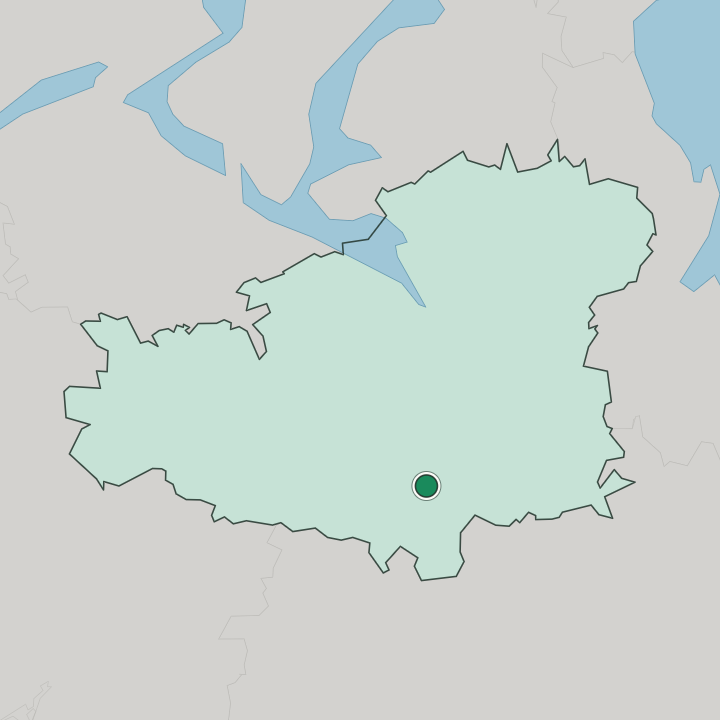
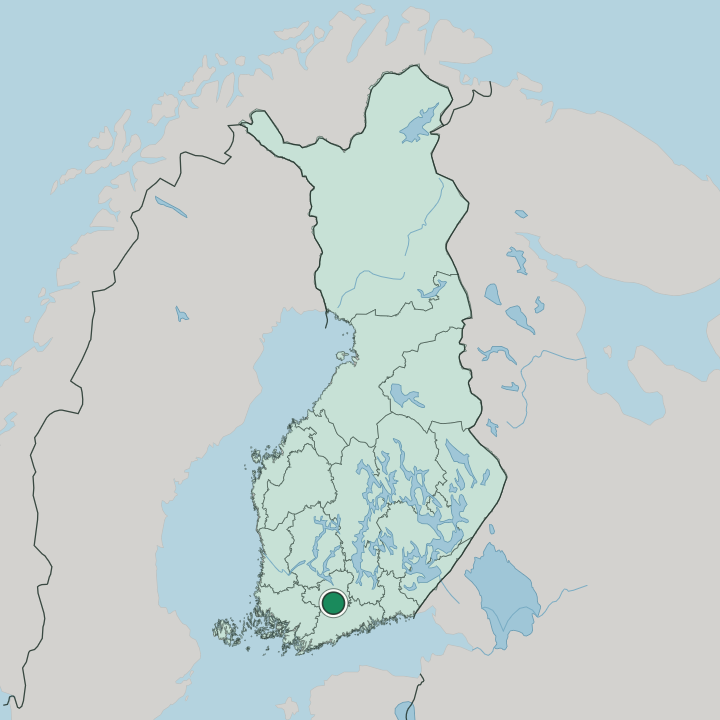
Loppi lies in the lake-and-forest country of western Kanta-Häme, in southern Finland. The church village gathers in the centre, the Lopen kirkko and the old church hill of the Lopen vanha kirkonmäki set among fields, while lakes, bogs and pinewoods fill the broad municipality on every side. Water and woods run deep here.
The old Hämeen Härkätie threads the countryside, manor lands like the Santamäen kartanomaisema spread across it, and farm villages such as Topeno and Vojakkala lie scattered through the woods of this part of southern Finland.
What is the climate of Loppi?
Loppi has a cold inland climate, its seasons set hard by the lakes and forests of Kanta-Häme. Ice locks the lakes for months. Deep frost grips the water and the woods along the Hämeen Härkätie from the start of the season until the late spring thaw.
Summers turn warm under the long northern daylight, which heats the lakes and the pinewoods through the short growing season around Loppi, the months when the cottages of this part of southern Finland fill before the snow returns.
How do you get to Loppi?
Loppi sits inland in western Kanta-Häme, and the car is the usual way in. Roads run from the larger towns of the region to the church village around the Lopen kirkko, the modern routes shadowing the old Hämeen Härkätie that once carried traffic between Turku and Hämeenlinna. There is no passenger railway here.
Buses link Loppi to the nearby cities of southern Finland, and travellers from farther off come through those towns before the last stretch of road into the woods and lakes of the municipality.
Good for
More cities in Kanta-Häme
Updated September 2026