Finland · Keski-Pohjanmaa
Where to Stay in Halsua, Keski-Pohjanmaa
Halsua is a small inland parish in Keski-Pohjanmaa, in western Finland's Ostrobothnia, gathered around its wooden church.
Find your area →


Where to stay in Halsua
Not every neighbourhood fits every trip — here's what each one is good for.
Halsua keeps very few beds, a small farming parish of Keski-Pohjanmaa where a guesthouse, a farm room, or a cottage by the water is the usual lodging. The church village is the natural base. Stay near the wooden Halsuan kirkko and its belfry, the Halsuan kirkon tapuli, within easy reach of the Halsuan kotiseutumuseo and the old churchway of the Halsuan kirkkotie ja kirkonseutu.
Rooms are scarce here, plainly so. Cottages stand out along the lakes and forests around the island of Ruumissaari, a quiet base for walkers and anglers touring the inland country of western Finland's Ostrobothnia. The parish suits a slow day.
Visitors who want more choice often sleep in the neighbouring kunnat of Lestijärvi, Perho, or Toholampi and drive in, since the centre of Halsua holds only a handful of rooms. Book ahead in summer, when the lakes and the brief warm season fill what little lodging the parish has.
About Halsua
What is Halsua known for?
Halsua is known as one of the small inland farming parishes of Keski-Pohjanmaa, deep in the forest country of western Finland's Ostrobothnia. The church is its heart. The wooden Halsuan kirkko stands beside its separate belfry, the Halsuan kirkon tapuli, along the old churchway recorded as the Halsuan kirkkotie ja kirkonseutu, while the rural past of the parish is kept in the Halsuan kotiseutumuseo among the neighbouring kunnat of Lestijärvi, Perho, and Toholampi.
What are the main landmarks in Halsua?
The wooden Halsuan kirkko is the landmark that anchors the parish, standing in the church village of Keski-Pohjanmaa beside its separate belfry, the Halsuan kirkon tapuli. An old churchway survives too. The Halsuan kirkkotie ja kirkonseutu preserves the historic road and the church surroundings, the route the parish once walked to worship.
Memory keeps the rest. A small Halsuan kotiseutumuseo holds the farming past of the parish, and the island of Ruumissaari lies among the inland waters of western Finland's Ostrobothnia.
What is the history of Halsua?
Halsua grew slowly in the inland forests of Central Ostrobothnia. Settlers cleared farms on the higher ground between the lakes and the marshes, and the scattered houses gathered into a parish around their church, the long walk to worship recorded in the old churchway of the Halsuan kirkkotie ja kirkonseutu. The wooden Halsuan kirkko rose at the centre of this country with its separate belfry, the Halsuan kirkon tapuli, beside it.
The municipality was chartered in 1868. From then it ran its own affairs as one of the small inland kunnat of Keski-Pohjanmaa. Farming and forestry carried the parish through the years that followed.
The land was poor and the winters hard, and many families lived by their fields, their cattle, and the timber of the surrounding woods. Life stayed close to the soil. The Halsuan kotiseutumuseo now keeps the tools and the houses of that rural past, and the parish remained tied to its neighbours among the inland municipalities of Lestijärvi, Perho, and Toholampi in western Finland's Ostrobothnia.
Where is Halsua?
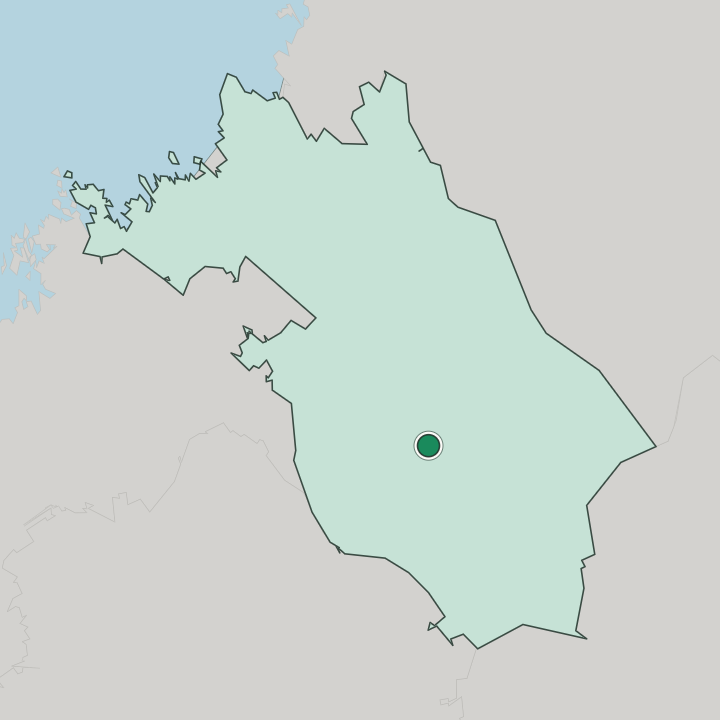
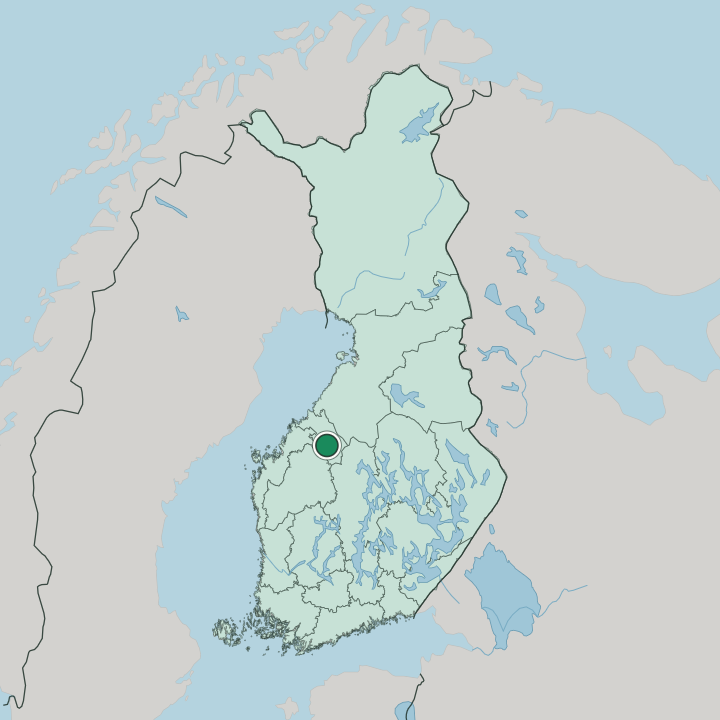
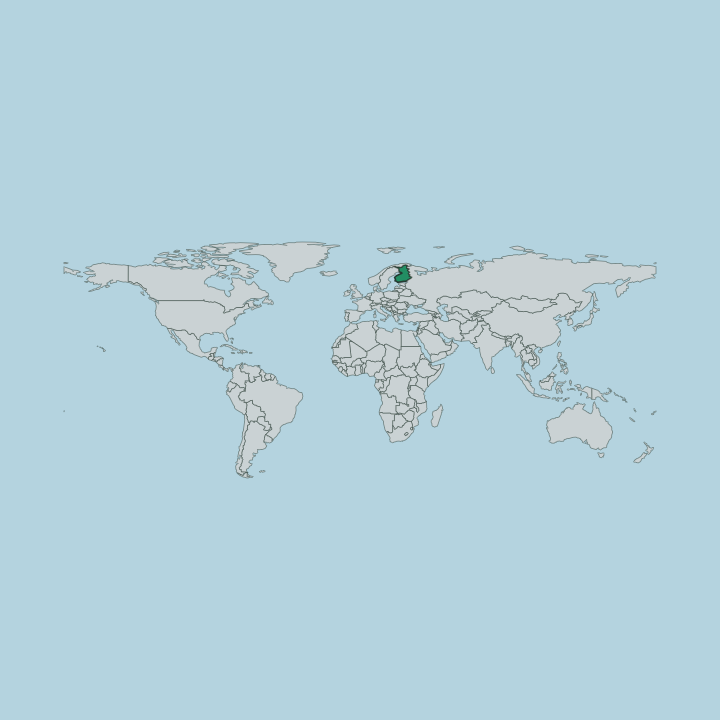
Halsua lies in the inland forest country of Keski-Pohjanmaa, in western Finland's Ostrobothnia, far from the sea. Lakes and marshes fill the land. The church village gathers on higher ground while pine forest, bog, and water spread out on every side, the island of Ruumissaari sitting among the inland lakes.
Low ridges break the woods. Forest runs unbroken toward the neighbouring kunnat, and the flat inland country of Central Ostrobothnia stretches around Halsua toward Lestijärvi, Perho, and Toholampi.
What is the climate of Halsua?
Halsua has a cold inland climate, hard and continental in the forests of western Finland's Ostrobothnia far from the moderating sea. Winters are long and severe, deep snow lying over the lakes, the bogs, and the church village while frost grips the woods of Keski-Pohjanmaa from autumn well into spring. Summers come short and warm.
The long northern daylight thaws the inland lakes and brings a brief green season to the fields and forests around Halsua before the snow returns once more to the parish.
How do you get to Halsua?
Halsua sits off the main routes in the inland forests of Keski-Pohjanmaa, and reaching it means a drive on the country roads of western Finland's Ostrobothnia. No railway serves the parish. Roads run in from the neighbouring kunnat, linking the church village to Lestijärvi, Perho, and Toholampi and on to the larger towns of the coast.
The car is the way here. Most visitors drive in to Halsua across the woods and lakes, the only practical approach to this small inland municipality of Central Ostrobothnia.
Good for
More cities in Keski-Pohjanmaa
Updated September 2026