Finland · Keski-Pohjanmaa
Where to Stay in Kaustinen, Keski-Pohjanmaa
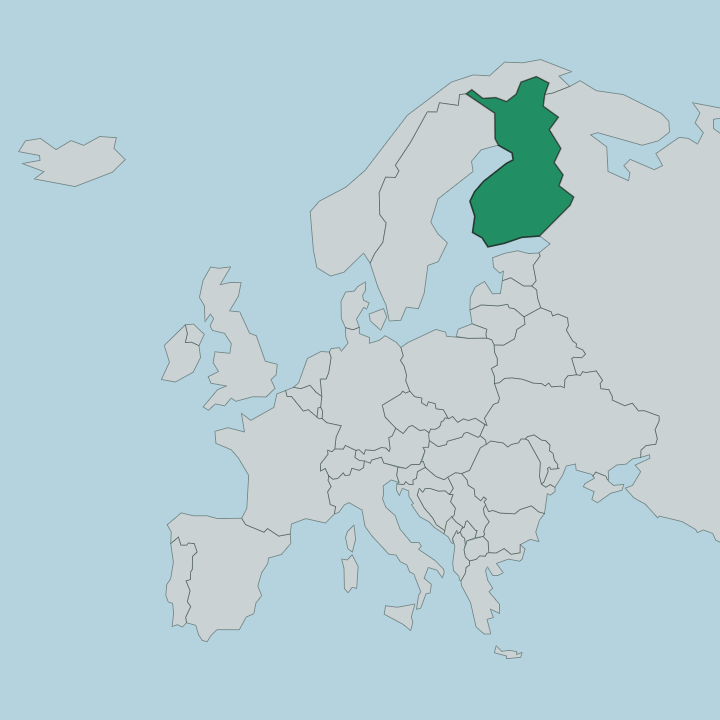
Kaustinen is a folk-music municipality in western Finland, in the Keski-Pohjanmaa region known for the Kaustinen Folk Music Festival.
Find your area →


Where to stay in Kaustinen
Not every neighbourhood fits every trip — here's what each one is good for.
Kaustinen holds few permanent beds, a small Keski-Pohjanmaa municipality whose rooms strain at one time of year. The village centre by the Kaustisen kirkko keeps what lodging there is, near the shops and the church hill, the easy base for a visitor wanting the heritage sites and the festival ground on foot. Lodging in Kaustinen is in short supply.
During the Kaustinen Folk Music Festival the whole district fills, beds spilling into schools, halls and private rooms across the parish and into neighbouring Veteli to the south, so that a visitor without a booking sleeps far away. Cottages help in summer. Holiday cabins stand along the river and among the forests of the municipality, a quieter base for those who want the Ostrobothnia countryside of western Finland at the door, near the old bloomery of the Mankilankosken harkkohytti.
Book far ahead for the festival, when every bed in Kaustinen and the country around it is taken.
About Kaustinen
What is Kaustinen known for?
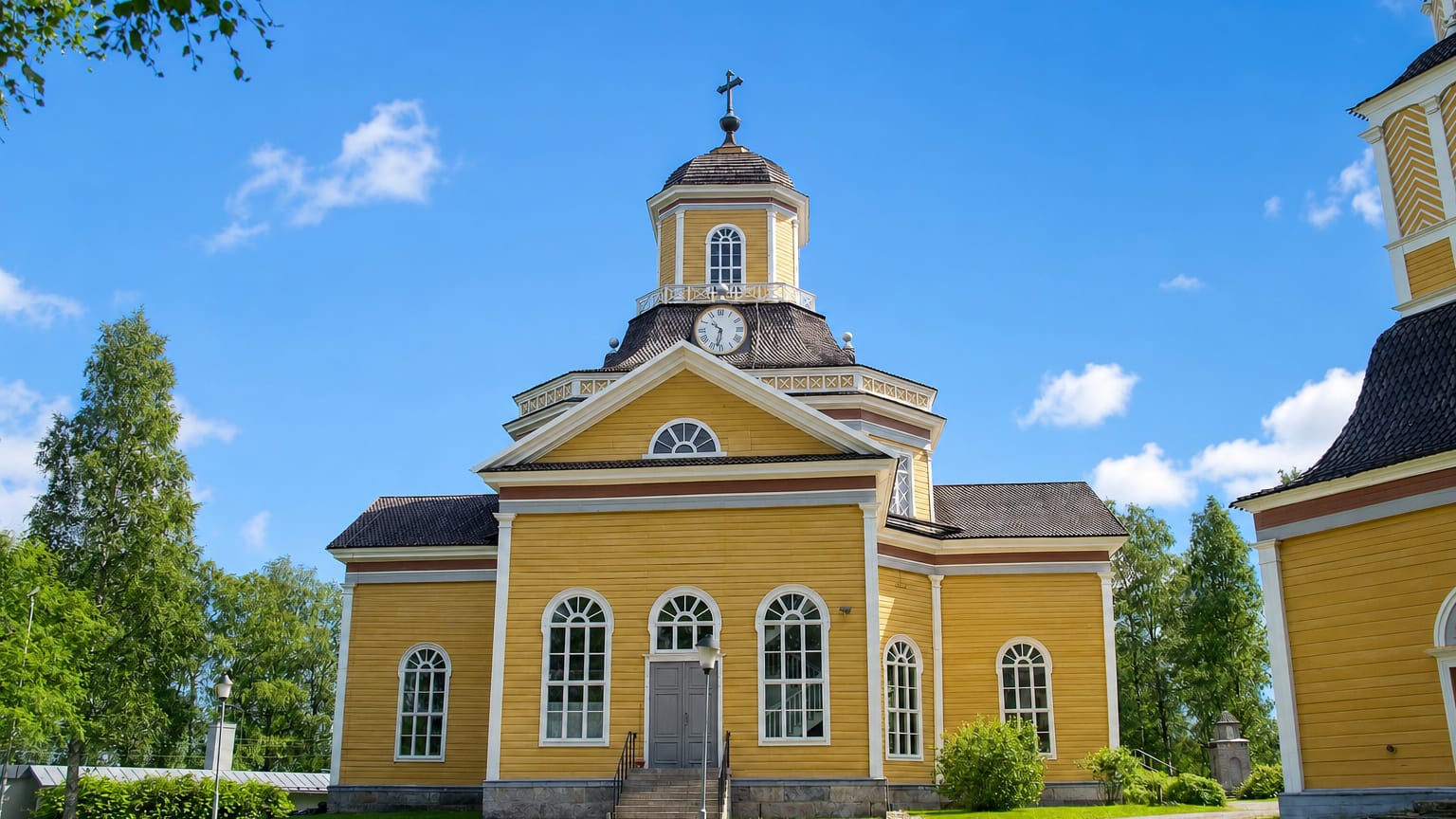
Kaustinen is known across Finland for the Kaustinen Folk Music Festival, the great fiddle gathering that fills this small Keski-Pohjanmaa municipality with players and crowds each summer. Music is its name. Out in western Finland in the Ostrobothnia country, the village centres on the heritage church of the Kaustisen kirkko and its belfry, the Kaustisen kirkon tapuli, on the old church hill.
Beyond the festival, the parish keeps the marks of an older life, from the bloomery of the Mankilankosken harkkohytti to the timbered juror's house of the Puumalan lautamiehentalo, a farming district turned into the home of Finnish fiddle music.
What are the main landmarks in Kaustinen?
The Kaustisen kirkko crowns the church hill of the Kaustisen kirkonmäki, a heritage church with its separate belfry, the Kaustisen kirkon tapuli, marking the centre of this Keski-Pohjanmaa parish. Heritage lies all around. The old bloomery of the Mankilankosken harkkohytti recalls an early ironworks, while the timbered juror's house of the Puumalan lautamiehentalo and the stable of the Nikulan talli keep the rural building of western Finland, the marks of an Ostrobothnia farming district around the festival village of Kaustinen.
What is the history of Kaustinen?
Kaustinen grew as a farming parish of the Ostrobothnia country in western Finland. Long a scattered community of farms along the river, the settlement gathered its life on the church hill of the Kaustisen kirkonmäki, where the Kaustisen kirkko and its belfry, the Kaustisen kirkon tapuli, marked the heart of the parish. Iron came briefly.
The bloomery of the Mankilankosken harkkohytti worked the local ore through the rural century, leaving its mark on a district otherwise given to farming and timber in this corner of Keski-Pohjanmaa. Kaustinen was chartered as its own municipality in 1866, holding to its rural shape as the country changed. The great turn came with music.
The fiddle tradition of the Ostrobothnia farms grew into the Kaustinen Folk Music Festival, which carried the small parish into the wider life of Finland and drew players and crowds to a village that had been a quiet farming district. Festivals filled the summers. The community kept its heritage in the timbered juror's house of the Puumalan lautamiehentalo and the old buildings of the parish, and Kaustinen settled into its modern role as the home of Finnish folk music in western Finland.
Where is Kaustinen?
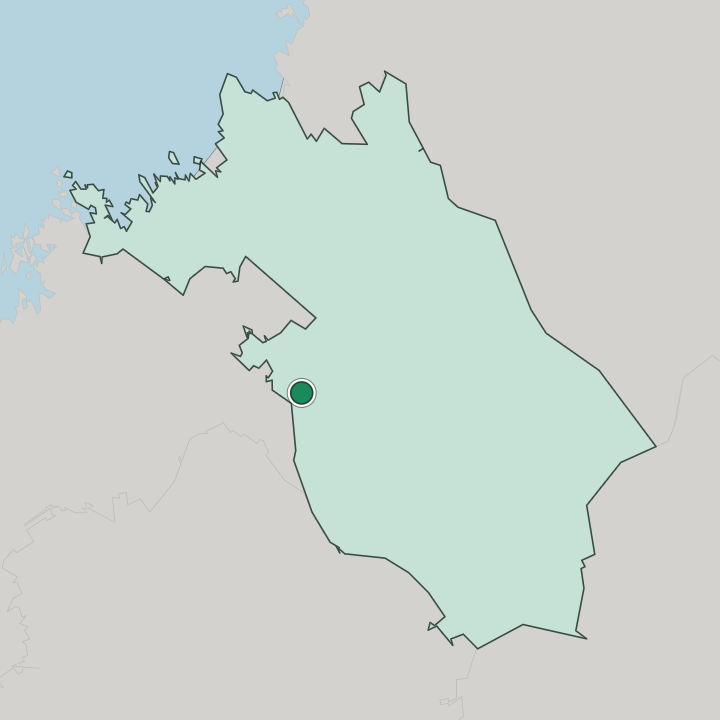
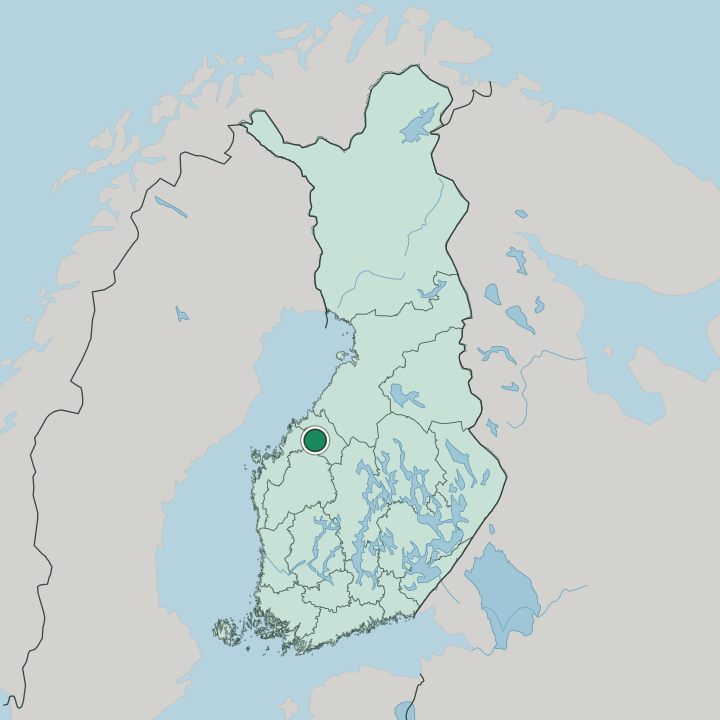
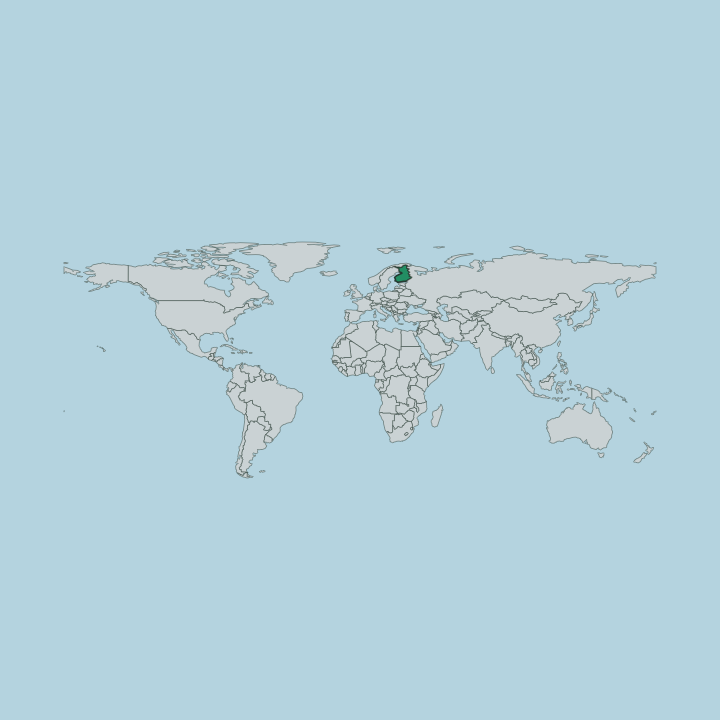
Kaustinen lies in the Ostrobothnia country of western Finland, in the Keski-Pohjanmaa region where a river runs through farmland and forest. Flat ground spreads wide. The village gathers on the church hill of the Kaustisen kirkonmäki above the river, while the farms and woods of the municipality run out toward neighbouring Veteli to the south.
Forest backs the fields. Low, cultivated plains and pine country fill this part of Keski-Pohjanmaa, the open Ostrobothnia landscape that has carried Kaustinen since its farming days.
What is the climate of Kaustinen?
Kaustinen has a cold inland climate set by the Ostrobothnia country of western Finland. Winters are long and snowed, the river freezing and the flat farmland of Keski-Pohjanmaa lying under deep snow from autumn until the late thaw. Cold grips for months.
Summers are short and bright, the long northern daylight warming the fields and the church hill around the Kaustisen kirkko through the brief season that carries the folk festival before the snow returns to this corner of western Finland.
How do you get to Kaustinen?
Kaustinen is reached by road through the Ostrobothnia country of western Finland, the regional roads carrying traffic to the village centre by the Kaustisen kirkko and on south to Veteli. No rail line reaches the village. Most visitors come by car or bus across the flat farmland of Keski-Pohjanmaa, and the festival crowds fill the roads each summer, while travellers from farther afield reach the larger coastal towns of Ostrobothnia by rail or air before driving inland to Kaustinen.
Good for
More cities in Keski-Pohjanmaa
Updated September 2026