Finland
Keski-Pohjanmaa, Finland — Towns & Travel Guide
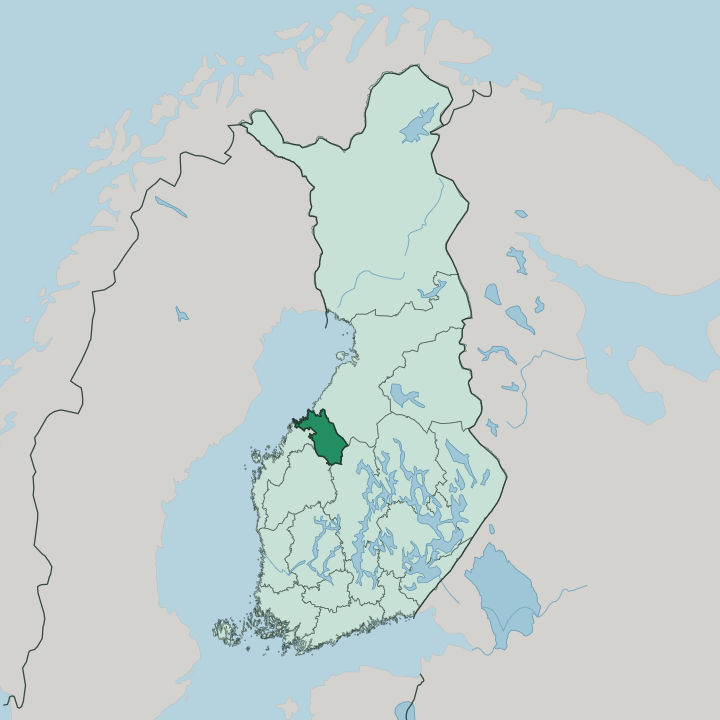
Keski-Pohjanmaa is a small coastal region of western Finland, in Ostrobothnia, centred on Kokkola.
Find your area →


Towns & cities in Keski-Pohjanmaa
Pick a town or city — each links to where to stay.
 Finland
Kokkola
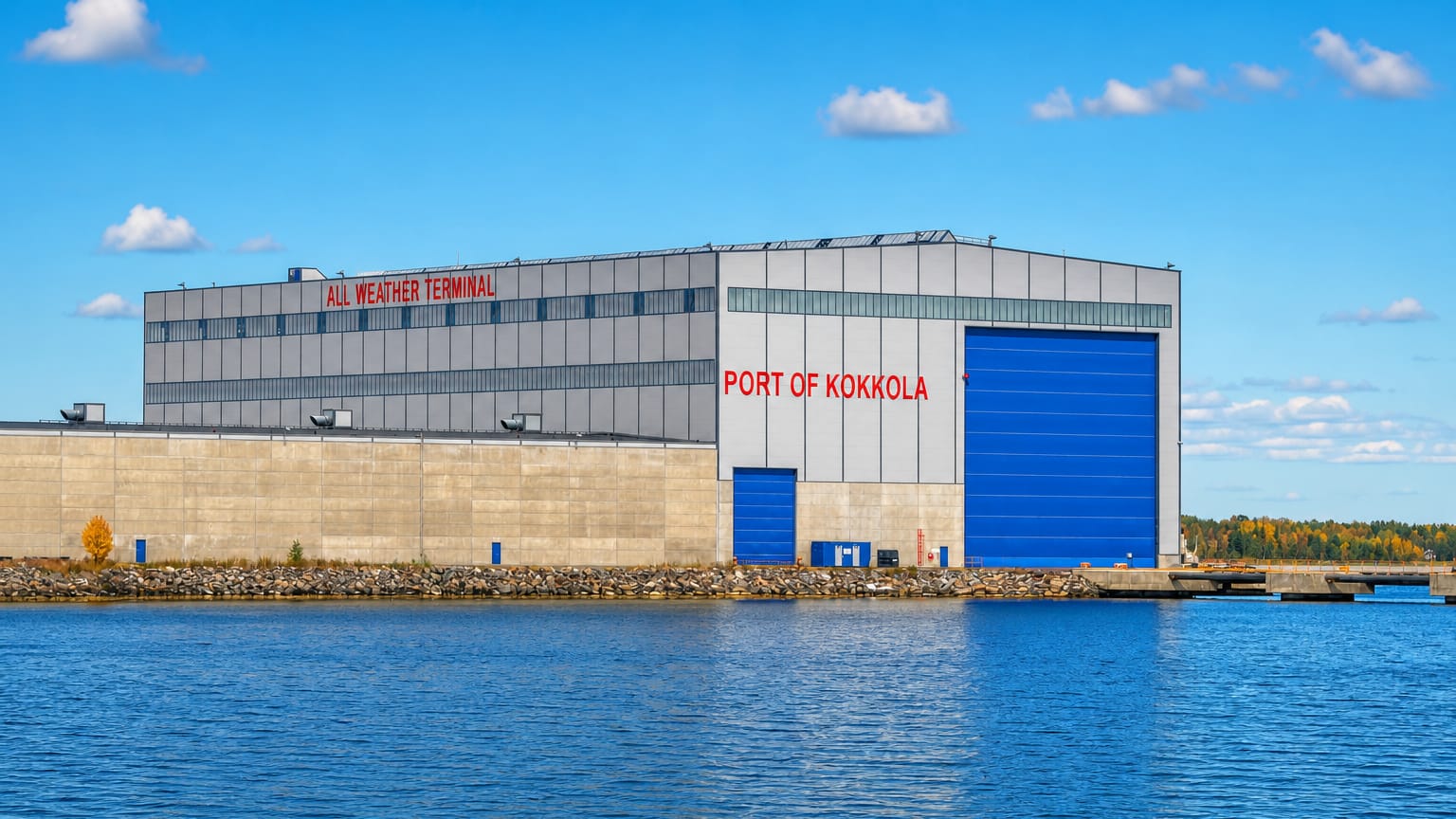
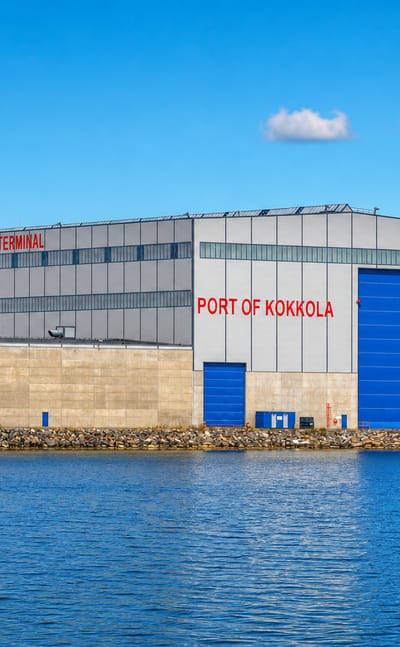
Kokkola is the regional capital of Central Ostrobothnia, a port town on the Gulf of Bothnia in western Finland.Where to stay →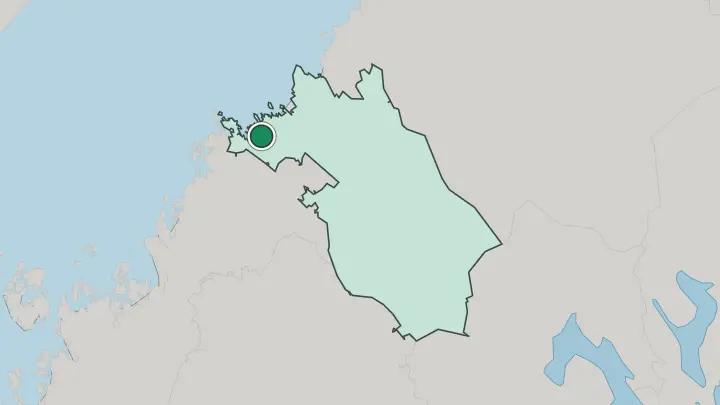
 Finland
Kannus
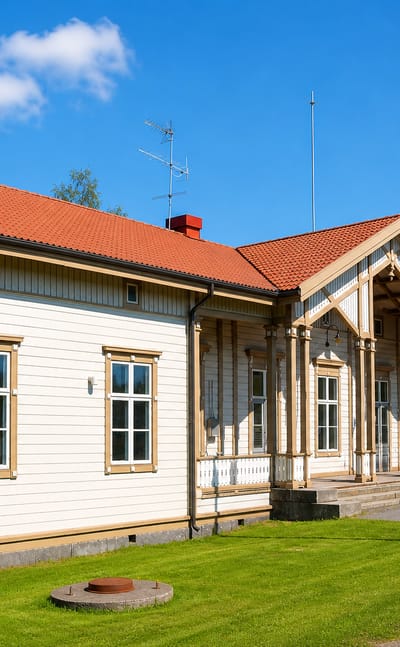
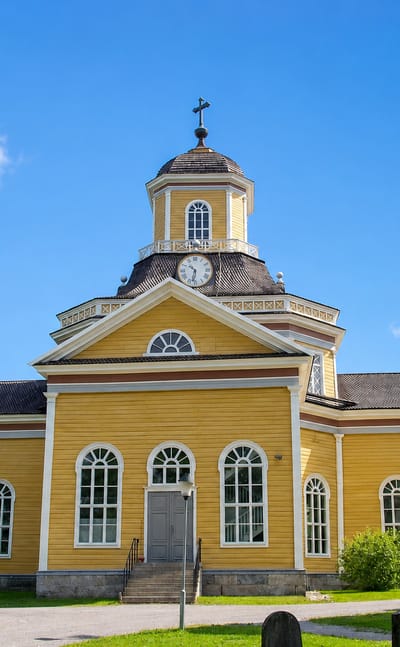
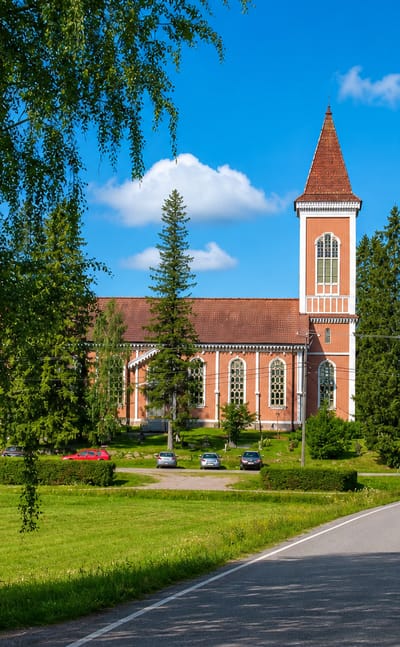
Kannus is a small town of Central Ostrobothnia in western Finland, gathered around its old church on the inland plain.Where to stay →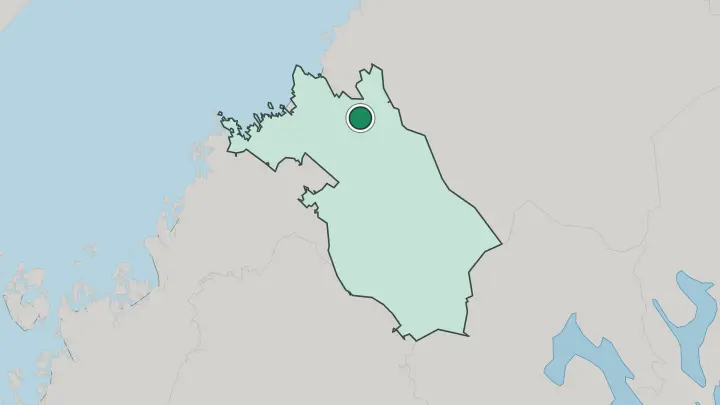
 Finland
Kaustinen
Kaustinen is a folk-music municipality in western Finland, in the Keski-Pohjanmaa region known for the Kaustinen Folk Music Festival.Where to stay →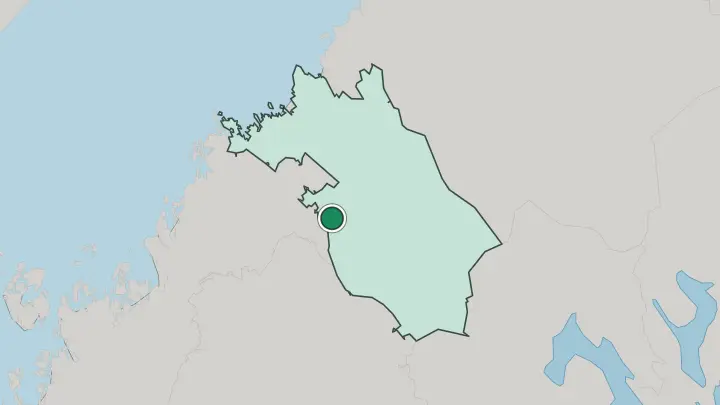
 Finland
Lohtaja
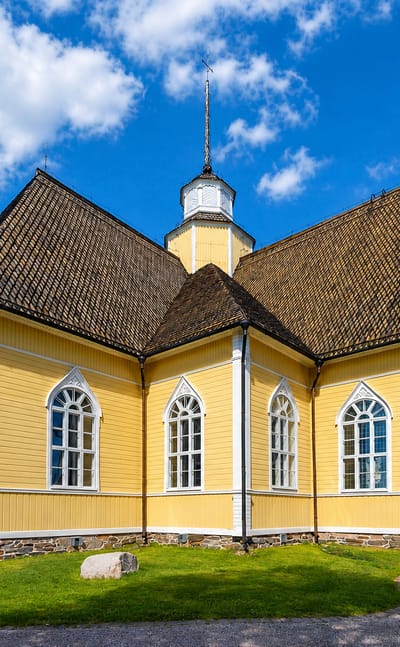
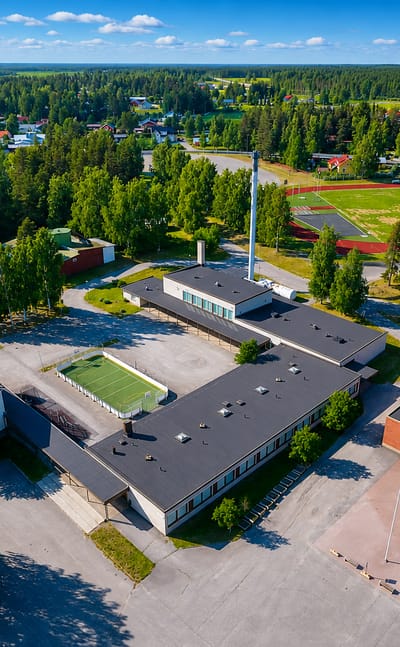
Lohtaja is an old parish village in Keski-Pohjanmaa, western Finland, now part of Kokkola.Where to stay →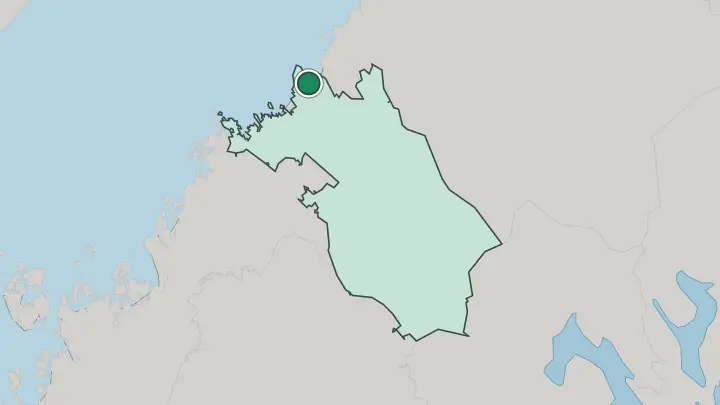
 Finland
Veteli
Veteli is a municipality in Keski-Pohjanmaa, in western Finland, an Ostrobothnian parish gathered around Vetelin kirkko.Where to stay →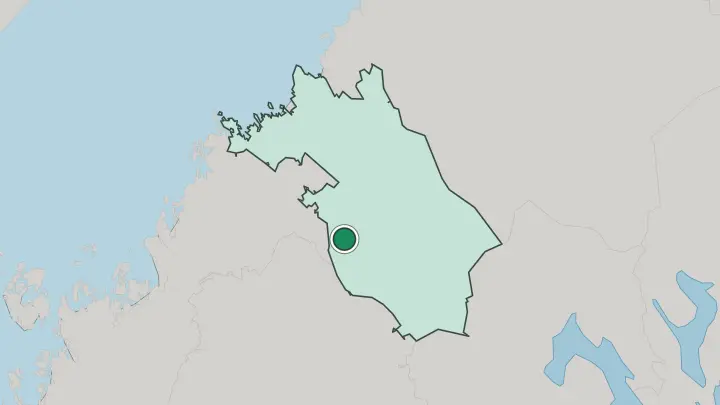
 Finland
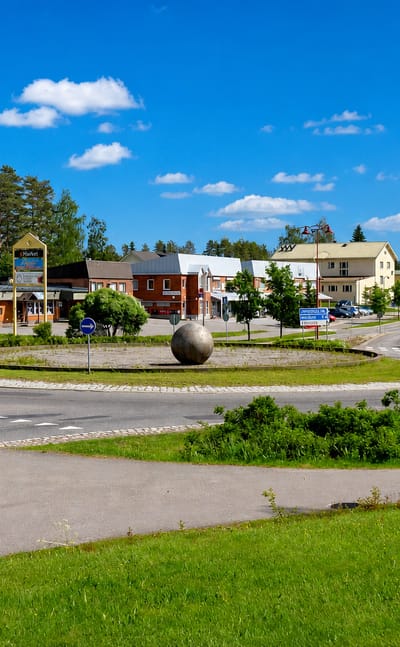
Toholampi
Toholampi is a small inland municipality in Keski-Pohjanmaa, in western Finland, in the Ostrobothnia country.Where to stay →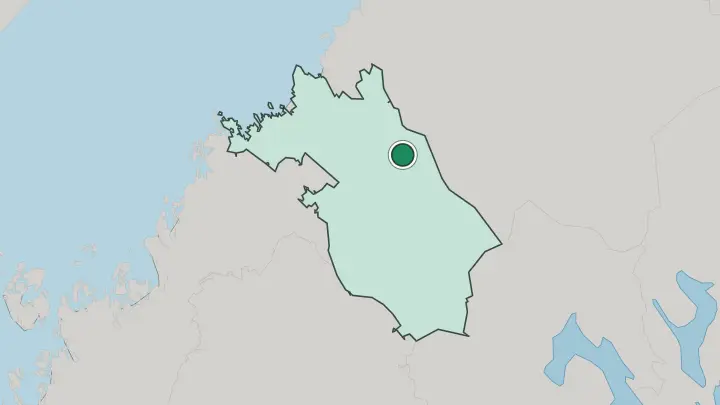
 Finland
Perho
Perho is a forest municipality in Keski-Pohjanmaa, western Finland, chartered in 1868 around the Perhon kirkko.Where to stay →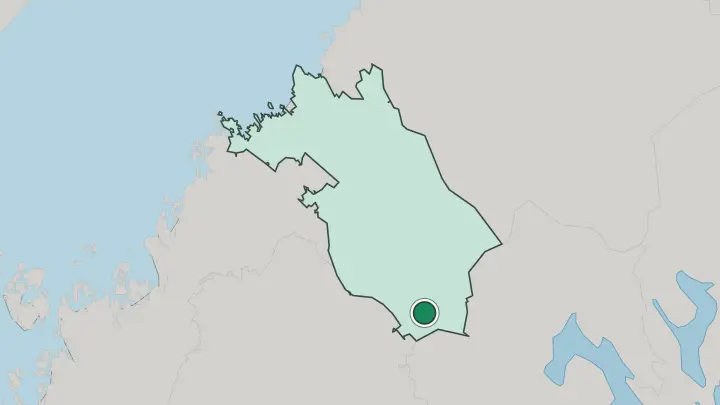
 Finland
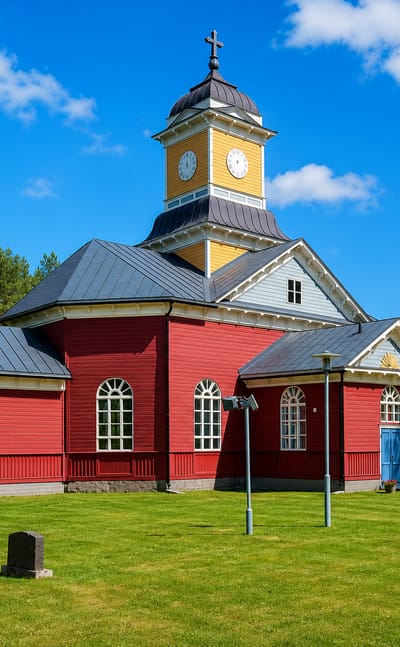
Ullava
Ullava is a small rural community in western Finland (Ostrobothnia), part of Kokkola in the Keski-Pohjanmaa region.Where to stay →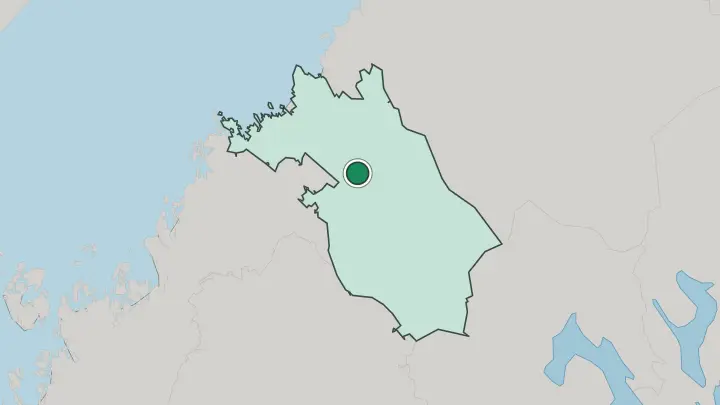
All towns & cities (10)
 Finland
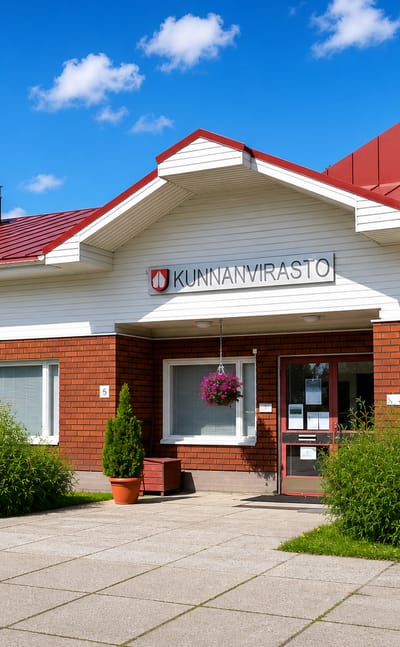
Halsua
Halsua is a small inland parish in Keski-Pohjanmaa, in western Finland's Ostrobothnia, gathered around its wooden church.Where to stay →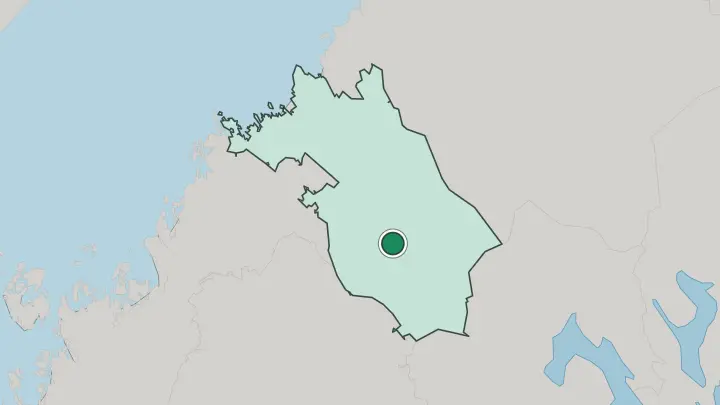
 Finland
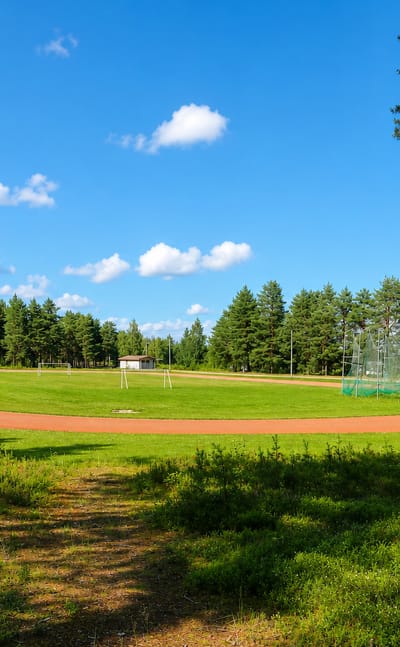
Lestijärvi
Lestijärvi is a small municipality in western Finland's Ostrobothnia, in Keski-Pohjanmaa, named for its lake.Where to stay →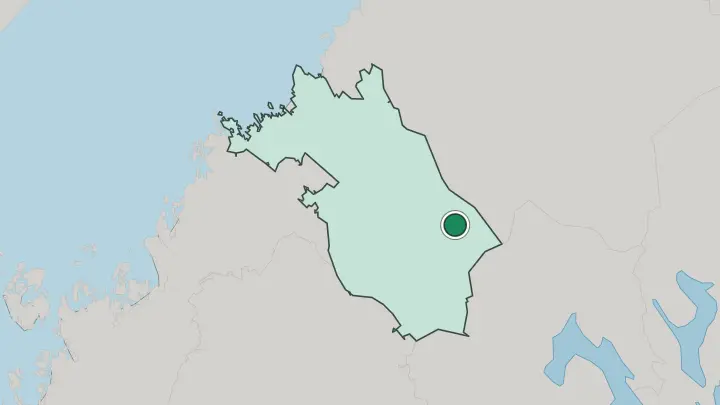
About Keski-Pohjanmaa
What is Keski-Pohjanmaa known for?
Keski-Pohjanmaa is one of the smallest regions in the country. Central Ostrobothnia, as the name runs in English, sits in western Finland on the Gulf of Bothnia, a low coastal strip backed by farmland and forest. Kokkola is its heart and harbour.
Inland the small towns of Kannus, Kaustinen, and Veteli spread along the river valleys, where the region keeps a quiet rural life between the larger Ostrobothnian lands to north and south.
Where is Keski-Pohjanmaa?
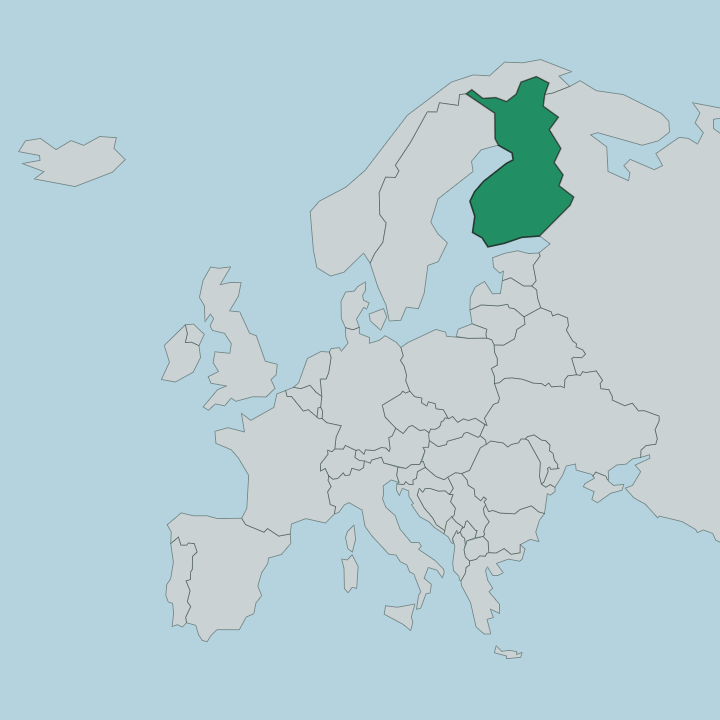
Keski-Pohjanmaa lies in western Finland, a narrow region of Ostrobothnia on the Gulf of Bothnia. The land is low and flat near the water, the classic Ostrobothnian plain, then rises gently inland into farmland and forest along the river valleys that drain west to the sea. It is small and even.
Kokkola sits on the coast at the river mouth, and from there the towns of Kannus, Kaustinen, Veteli, and Toholampi step inland up the valleys toward the watershed. The region is hemmed in by its larger neighbours. Pohjanmaa, the Ostrobothnia region proper, lies to the south along the same coast, and Pohjois-Pohjanmaa, North Ostrobothnia, reaches away to the north.
Forest fills the inland east. From the harbour at Kokkola the whole region tilts toward the Gulf of Bothnia, a quiet coastal slice of western Finland where the rivers and the sea set the shape of the land.
What is Keski-Pohjanmaa like?
Life in Keski-Pohjanmaa has long been coastal and rural at once. On the Gulf of Bothnia, Kokkola grew as a seafaring and trading town with an old wooden quarter, and like much of the Ostrobothnian coast it carries a Swedish-speaking strand alongside the Finnish majority. The inland is farming country.
The river-valley villages of Kannus, Kaustinen, Veteli, and Toholampi keep the slower rhythms of the western Finnish countryside, with folk traditions, fiddle music, and old crafts that have lasted in the valleys. Its small scale knits the region together. With only Kokkola for a town and a scatter of villages around it, Central Ostrobothnia has the close, settled feel of a single rural district rather than a sprawling province.
The sea and the land both shape it. From the harbour and wooden streets of Kokkola to the inland farms toward Veteli, Keski-Pohjanmaa holds a modest coastal-and-country culture wedged between its larger Ostrobothnian neighbours.
What is the history of Keski-Pohjanmaa?
Kokkola made the region's history. The coastal town grew as a port on the Gulf of Bothnia, trading tar and timber from the inland forests of Ostrobothnia and keeping an old wooden quarter from its seafaring days. The interior filled in slowly.
Farming villages such as Kannus, Kaustinen, and Veteli spread up the river valleys of western Finland, and the small region took its modern shape between the larger Ostrobothnian lands to its north and south.
What is the climate of Keski-Pohjanmaa?
Keski-Pohjanmaa has a cold coastal climate softened a little by the sea. The Gulf of Bothnia keeps the worst of the cold off the shore at Kokkola, giving snowy winters and mild, bright summers along the coast. Inland it sharpens.
Up the river valleys toward Kaustinen and Veteli the sea's reach fades, the snow lies longer, and the continental cold of western Finland takes a firmer grip away from the water.
How do you get to Keski-Pohjanmaa?
Kokkola is the way in. The coastal town has the region's airport and a station on the main line that runs up the Gulf of Bothnia coast between southern Finland and the north. Roads branch inland from there.
Routes climb the river valleys to Kannus, Kaustinen, and Veteli, while the coast highway links the region south to Pohjanmaa and north to Pohjois-Pohjanmaa along the same shore.
Common questions
What is the best area to stay in Keski-Pohjanmaa?
Kokkola: first-time visitors to Central Ostrobothnia. Kaustinen river valleys: travellers touring the rural inland.
Good for
More regions in Finland
Updated September 2026